
2026 HCl Concentration Analyzer Market Direction


As process industries accelerate automation and compliance in 2026, demand is rising for precise gas analysis solutions such as the HCl concentration analyzer, H2S concentration analyzer, SF6 concentration analyzer, and O2 concentration analyzer. For operators, engineers, buyers, and decision-makers, understanding market direction, application trends, and technology priorities is essential to selecting reliable instruments that improve safety, quality control, and long-term investment value.
Why is the HCl concentration analyzer market gaining attention in 2026?
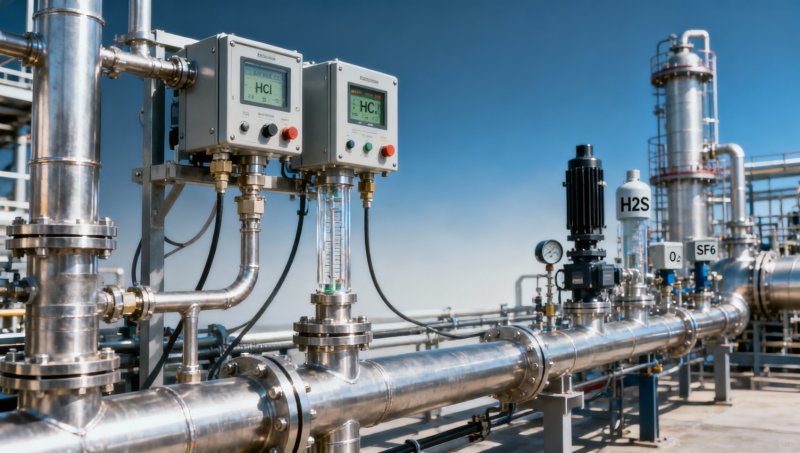
The HCl concentration analyzer is moving from a niche measurement tool to a more strategic instrument in process control, emissions monitoring, and chemical safety management. In 2026, this shift is closely tied to three forces: tighter compliance expectations, wider adoption of continuous monitoring, and stronger pressure to reduce manual sampling risk in industrial environments. For many plants, a delayed analyzer decision can affect both daily operations and capital planning.
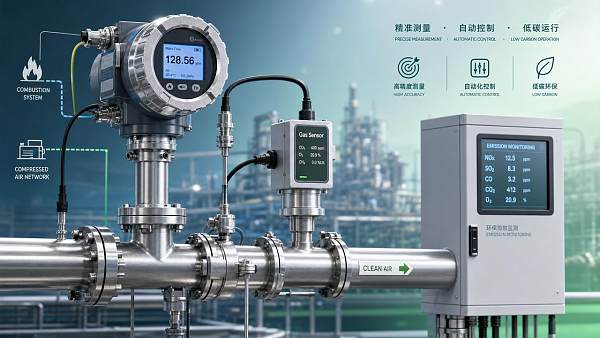
In the broader instrumentation industry, online analysis equipment now plays a larger role in digital transformation projects. HCl concentration analyzers are often evaluated together with H2S concentration analyzer, O2 concentration analyzer, and SF6 concentration analyzer systems because buyers increasingly want integrated gas analysis architecture rather than isolated devices. This trend matters across industrial manufacturing, power, environmental monitoring, laboratory support, and automation control applications.
For information researchers and technical evaluators, the key market question is no longer only accuracy. It is also about lifecycle suitability over 3 to 5 years, compatibility with distributed control systems, resistance to corrosive conditions, and serviceability during continuous operation. For procurement teams and financial approvers, the focus expands to total cost, maintenance frequency, and commissioning risk within 2 to 4 weeks after delivery.
The market direction in 2026 therefore favors analyzers that combine stable detection, practical integration, and lower ownership uncertainty. Vendors that can support parameter confirmation, site condition review, calibration planning, and documentation alignment are more likely to win projects than suppliers offering only a basic hardware quotation.
Key drivers behind purchasing activity
- Stronger monitoring requirements in chemical processing, waste gas treatment, acid recovery, and emissions control systems.
- A shift from periodic manual testing to continuous or semi-continuous analysis for faster response within minutes rather than hours.
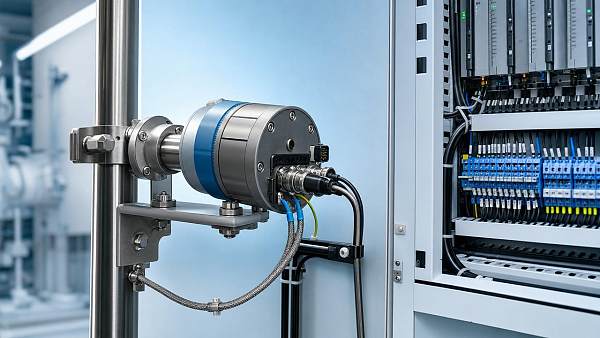
- Greater need for analyzer interoperability with PLC, DCS, and plant data platforms during automation upgrades.
- Procurement preference for platforms that can be expanded to cover related gases and future process adjustments.
Which application scenarios are shaping real demand?
Demand for the HCl concentration analyzer is not uniform. It is strongest where corrosive gas control, product quality consistency, worker safety, and regulatory reporting intersect. In many industrial settings, the analyzer is part of a wider instrumentation chain that includes flow, temperature, pressure, and automatic control devices. That makes application matching more important than choosing on price alone.
Users and operators usually care most about stable readings, fast startup, and manageable calibration intervals. Project managers and engineering leaders focus on installation constraints, sample conditioning, utility availability, and alarm logic integration. Distributors and agents often need a clearer segmentation framework so they can recommend the right analyzer configuration by industry, gas load, and process continuity.
The table below summarizes common HCl concentration analyzer application environments and the selection implications behind them. This helps buyers avoid a frequent mistake: treating all acidic gas measurement points as technically equivalent when actual sampling conditions can differ substantially in moisture, dust, temperature, and corrosiveness.
This comparison shows why one analyzer architecture cannot fit every application. A plant operating 24/7 with high moisture and variable gas loading will usually require more robust sampling and maintenance planning than a laboratory setup. In practice, matching the analyzer to the process stream often reduces troubleshooting time during the first 30 to 90 days after commissioning.
Where demand is most practical
For operators and quality teams
Operators benefit when the HCl concentration analyzer provides repeatable signals, clear maintenance prompts, and stable performance through routine shift cycles. Quality and safety teams value traceable data for process adjustment, abnormal condition review, and preventive action planning. In these cases, analyzer usability can matter as much as technical specification.
For engineering and project teams
Engineering project leaders usually need answers on installation sequence, utility interfaces, and control integration before issuing approval. A realistic planning window often includes 7 to 15 days for technical confirmation, plus additional time for sample system customization, documentation review, and site preparation. This is where an experienced instrumentation supplier creates measurable project value.
What technical factors matter most when comparing analyzer options?
When comparing an HCl concentration analyzer with adjacent gas analysis solutions, decision quality improves when the team uses a structured evaluation model. The most useful model usually includes 5 core checks: measurement principle suitability, sample conditioning reliability, material resistance, maintenance accessibility, and communication compatibility. These points help separate a technically workable offer from a merely low initial quote.
Technical evaluators should verify not only the nominal measurement range, but also how the analyzer behaves under real plant conditions. Corrosive gas measurement often depends heavily on pretreatment and wetted-part materials. A unit that performs well in a clean laboratory stream may become unstable in a process line with condensation, particulate matter, or frequent concentration swings.
The market in 2026 is favoring analyzers designed for maintainability. That includes accessible calibration points, clearer diagnostics, and easier replacement of consumable parts. In many industrial projects, maintenance labor and unplanned downtime over 12 to 24 months can outweigh a modest difference in purchase price. This is why procurement teams increasingly request lifecycle evaluation during bidding.
The following table provides a practical comparison framework for technical review. It is especially useful when multiple analyzer types are being shortlisted for acid gas monitoring, emissions process control, or integrated gas analysis projects.
A structured comparison like this helps different stakeholders speak the same language. Operators look at usability, engineers validate technical fit, procurement checks commercial clarity, and finance reviews long-term expenditure. The best analyzer decision usually emerges when all four perspectives are aligned before the purchase order is issued.
A practical shortlist for technical review
- Confirm process gas condition at minimum, normal, and peak loads rather than using a single nominal point.
- Review whether analyzer materials and sampling lines are suitable for acidic and humid environments.
- Check communication needs such as analog output, digital interface, alarm relay, and control system compatibility.
- Ask for a maintenance plan covering commissioning, the first quarter, and annual routine support.
How should buyers balance procurement, cost, and implementation risk?
For procurement professionals and financial approvers, analyzer selection is rarely just a technical purchase. It is a risk management decision involving budget control, delivery certainty, and operating continuity. A lower-cost HCl concentration analyzer may appear attractive during tender comparison, but if it requires frequent manual intervention or causes delays in process validation, the total ownership burden can rise quickly within the first 6 to 12 months.
A disciplined procurement process usually works best in 4 steps: define process conditions, compare technical solutions, verify support scope, and confirm commercial terms. This sequence is particularly important in the instrumentation sector because analyzer performance depends not only on the core unit, but also on pretreatment configuration, calibration practice, installation environment, and after-sales responsiveness.
Distributors, agents, and project owners also need to evaluate implementation timing. Typical lead times vary by configuration complexity, documentation requirements, and whether custom sample handling is needed. For standard projects, technical clarification may take 1 to 2 weeks. For customized systems, a broader schedule of 3 to 6 weeks is more realistic, especially when drawings, I/O lists, and compliance documents must be aligned.
The list below captures common buying mistakes that create unnecessary cost or delay. Avoiding these issues often improves project predictability more than negotiating a small unit-price reduction.
- Approving analyzer range without validating real process fluctuation and upset conditions.
- Ignoring sampling and pretreatment design during quotation comparison.
- Comparing only instrument price while excluding commissioning, calibration gas planning, and spare parts.
- Delaying discussion on documentation, signal interface, and installation support until after order confirmation.
What should be clarified before order placement?
Commercial and service checkpoints
Before placing an order, buyers should request a clear scope covering analyzer body, sample system, startup support, recommended spare parts, and documentation package. At minimum, 6 checkpoints are useful: gas condition review, installation requirements, signal list, calibration approach, delivery schedule, and acceptance criteria. This reduces misunderstanding between engineering, procurement, and operations teams.
Cost perspective beyond purchase price
A sound cost review includes initial equipment cost, expected maintenance labor, calibration consumables, shutdown exposure, and training needs. In many B2B settings, the best-value analyzer is not the cheapest unit but the one that lowers intervention frequency and supports stable production over repeated operating cycles. That is especially true where acid gas monitoring affects compliance or safety response.
What standards, misconceptions, and future trends should the market watch?
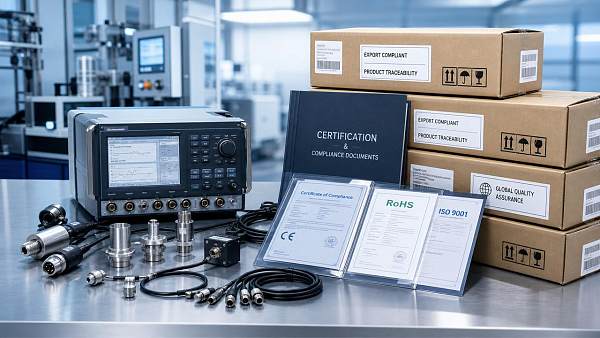
In gas analysis projects, compliance should be treated as a practical engineering topic rather than a paperwork exercise. Requirements can involve electrical safety, environmental suitability, signal documentation, calibration procedures, and plant-level operating protocols. Because projects vary by region and industry, buyers should ask for alignment with applicable general standards, site safety rules, and documentation formats before final selection.
A common misconception is that a more advanced analyzer automatically solves every process problem. In reality, if sampling is poorly designed or calibration practice is weak, even a high-grade HCl concentration analyzer may produce unstable or misleading readings. Another misconception is that acid gas analysis can be treated as identical across HCl, H2S, and other gases. Shared principles exist, but material compatibility and process context can differ significantly.
Looking ahead, the 2026 market direction points toward smarter diagnostics, better integration into plant automation systems, and stronger demand for analyzers that support remote status review and maintenance planning. Over the next 2 to 3 years, buyers are likely to favor instruments that fit broader digitalization strategies rather than standalone devices with limited communication capability.
For the instrumentation industry as a whole, this trend reinforces the value of suppliers that understand measurement, control, metrology, online monitoring, and field implementation together. The market is no longer rewarding product-only conversations. It is rewarding solution-oriented support that connects analysis performance with automation, safety, quality control, and project execution.
FAQ for researchers, buyers, and project teams
How do I choose an HCl concentration analyzer for a corrosive process stream?
Start with 4 checks: gas composition, moisture level, temperature condition, and concentration range under both normal and upset operation. Then review sampling design, corrosion-resistant materials, calibration accessibility, and signal integration. If the process runs continuously, maintenance interval and service access can be as important as detection performance.
Which scenarios are most suitable for continuous HCl concentration analysis?
Continuous analysis is especially suitable where gas conditions change during production, where compliance records are needed, or where manual sampling creates safety and response delays. Typical examples include chemical processing, waste gas treatment, pilot systems, and integrated process monitoring lines connected to DCS or PLC platforms.
What do procurement teams often overlook?
The most common blind spots are pretreatment configuration, startup scope, spare parts planning, and maintenance workload. A quotation that looks complete may still omit items that affect commissioning in the first 2 to 4 weeks. Always confirm the full delivery boundary and acceptance criteria before approval.
How long is the usual implementation process?
For standard projects, technical review and order confirmation may take 1 to 2 weeks, with additional time depending on customization, documentation, and site readiness. More complex systems with sample conditioning and control integration often require several coordinated stages, including design confirmation, manufacturing, installation preparation, and commissioning.
Why choose us for HCl concentration analyzer consultation and project support?
We support customers in the instrumentation sector with a practical, application-first approach. Instead of recommending a generic HCl concentration analyzer, we help you confirm operating conditions, measurement objectives, integration requirements, and maintenance expectations before solution selection. This is especially valuable for buyers managing complex approval chains across engineering, procurement, quality, and finance.
You can contact us for specific topics such as parameter confirmation, analyzer selection, sampling system review, delivery timing, documentation expectations, and customization feasibility. If you are comparing HCl concentration analyzer options with H2S concentration analyzer, O2 concentration analyzer, or SF6 concentration analyzer projects, we can also help define a more unified gas analysis strategy.
For distributors, project contractors, and industrial end users, we can discuss common decision points including installation constraints, communication interfaces, spare parts planning, and startup support. If your site has tight deadlines, limited maintenance resources, or specific compliance concerns, sharing these details early can shorten the selection cycle and improve quotation accuracy within the first review round.
If you are preparing a new project or replacing an existing analyzer, send your gas conditions, application scenario, expected range, and control requirements. We can help you evaluate suitable configurations, likely delivery windows, service scope, and quotation priorities so your team can move from research to decision with greater confidence.
Recommended for You
 FDA Updates IVD Import Guidance: CNAS Calibration Chain Required for China-Made DevicesFDA now requires CNAS calibration chain reports for China-made IVD analyzers—pH, ion & clinical chemistry devices entering via 510(k)/De Novo. Act now to avoid U.S. port rejections.
 EN 61000-6-4:2026 Enters Force: Stricter EMC Requirements for Industrial Field InstrumentsEN 61000-6-4:2026 enforces stricter EMC requirements for industrial field instruments—key for AI edge controllers, sensors & exporters. Act now to ensure CE-EMC compliance by Nov 2026.
 Global Methanol Electric Alliance Launches Cross-Border Energy Efficiency Recognition RoadmapGlobal Methanol Electric Alliance launches cross-border energy efficiency recognition roadmap—key for exporters, cal labs & methanol-instrument manufacturers.
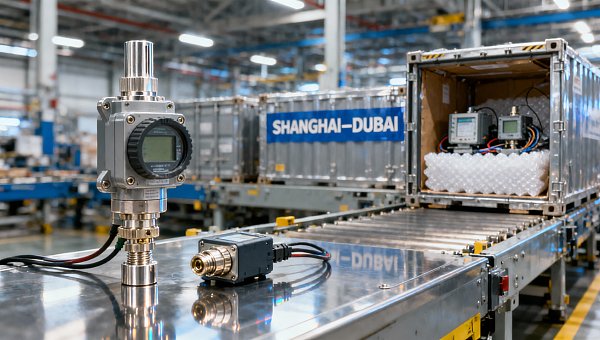
 Red Sea Crisis Escalates: Air Freight Premiums for China–Middle East Industrial Instruments Hit 390%Red Sea Crisis hits industrial instruments: China–Middle East air freight premiums surge 390%. Act now to secure Q3 capacity, avoid delays & optimize LCL alternatives.
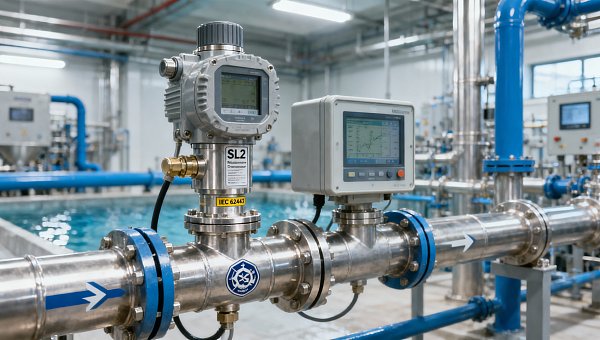
 IEC TC65 Mandates Cybersecurity Certification for Industrial Field Instruments from 2027IEC TC65 mandates cybersecurity certification for industrial field instruments by 2027 — pressure, flow & analytical devices must meet IEC 62443-4-2:2026 and display SL1–SL3 labels. Act now to ensure market access.
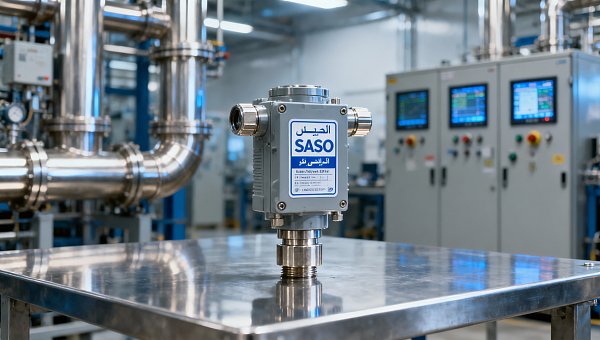
 SASO Cuts Energy Labeling Turnaround for Industrial Transmitters to 7 Working DaysSASO Energy Labeling now takes just 7 working days for industrial transmitters — faster market access, CNAS reports accepted. Act now!
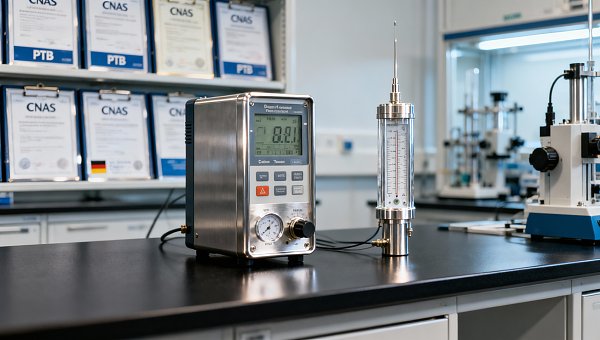
 PTB Launches CalCloud 2.0 with Direct CNAS Lab IntegrationCalCloud 2.0 now integrates directly with CNAS labs—enabling automated VDA 5 & ISO/IEC 17025 dual-compliant calibration reports for automotive and industrial exporters. Boost compliance efficiency today!
 ASEAN's Green Clearance Corridor for CNAS Calibration Reports LaunchesASEAN's Green Clearance Corridor now verifies CNAS calibration reports via blockchain—cut customs clearance to <48h for flow meters, analyzers & more. Act now!
 Vietnam Mandates CNAS Calibration Certificates & Vietnamese Manuals for Industrial Meters from June 1, 2026CNAS calibration certificates & Vietnamese manuals now mandatory for industrial meters entering Vietnam from June 1, 2026—avoid customs delays and ensure seamless market access.
 U.S. BIS Tightens Export Controls on High-Precision Laser InterferometersU.S. BIS tightens export controls on high-precision laser interferometers—critical for semiconductor metrology & ISO/IEC 17025 calibration. Act now to ensure compliance.
 Paramagnetic Monitor Calibration Tips for Stable OutputParamagnetic monitor calibration tips for stable output: learn how to reduce drift, improve accuracy, cut downtime, and keep oxygen measurement reliable in demanding industrial applications.
 Paramagnetic Measurement in Low-Oxygen Process ControlParamagnetic measurement enables accurate low-oxygen process control with fast response and stable oxygen analysis. Learn how it improves safety, consistency, and system performance.
 Laser Detector Import Risks and Certification DelaysLaser detector import risks can cause costly certification delays, customs issues, and testing setbacks. Learn how to avoid compliance failures before ordering.
 Explosion Proof Detector Demand Under New Safety RulesExplosion proof detector demand is rising under new safety rules. Discover how to compare certified, reliable options that improve compliance, integration, and long-term site safety.
 Laboratory Detector Accuracy Standards You Should CheckLaboratory detector accuracy standards explained: check detection limits, repeatability, drift, and traceability to reduce risk, improve audit readiness, and choose with confidence.
 Custom Measurement Lead Times and Budget PlanningCustom measurement lead times and budgets explained for procurement teams. Learn key cost drivers, planning steps, and supplier tips to reduce delays and buy with confidence.
 Laser Measurement for Leak Detection: Common PitfallsLaser measurement for leak detection can fail due to setup, airflow, and data interpretation errors. Learn the common pitfalls and proven fixes for more accurate, reliable results.
 How to Evaluate a High Accuracy Detector in the FieldHigh accuracy detector evaluation starts with real field performance. Learn how to compare stability, response time, and reliability to choose the right detector with confidence.
 Electrochemical Monitor Lifespan and Replacement CostsElectrochemical monitor lifespan and replacement costs explained for buyers. Learn how sensor life, maintenance, and total ownership cost affect safer, smarter purchasing decisions.
 Thermal Analysis Market Direction in Process IndustriesThermal analysis market direction in process industries: discover trends, applications, and investment insights that improve quality control, reduce risk, and support smarter industrial decisions.
 Monitoring Shelter Design Priorities for Outdoor SitesMonitoring shelter design starts with protection, climate control, and power reliability. Discover how to choose the right outdoor solution for stable data, safer maintenance, and lower lifecycle risk.
 Fixed Measurement Planning for Multi-Point InstallationsFixed measurement planning is essential for multi-point installations. Learn how to improve accuracy, reliability, compliance, and maintenance efficiency across complex industrial systems.
 Fixed Analysis Systems for Stable Long-Term MonitoringFixed analysis systems enable stable long-term monitoring, reliable data, and better process control. Discover how they improve safety, compliance, and operational efficiency.
 Thermal Gas Applications Expanding in Clean IndustryThermal gas applications are reshaping clean industry with smarter flow measurement, emissions control, and energy optimization. Discover where they cut risk, boost efficiency, and support automation.
 Monitoring Detector Export Rules to Watch in 2026Monitoring detector export rules are changing fast in 2026. Learn the key compliance risks, supplier checks, and trade signals to protect margins and make smarter sourcing decisions.
 Control Detector Setup Mistakes That Affect ReliabilityControl detector setup mistakes can quietly reduce accuracy and uptime. Learn the most common installation, wiring, and calibration errors—and how to avoid them for reliable performance.
 What Defines a High Accuracy Monitor TodayHigh accuracy monitor selection starts with real-world performance. Learn the key accuracy factors, buyer checklist, and how to choose a reliable monitor for industrial control.
 Infrared Monitor Demand in Industrial Safety UpgradesInfrared monitor demand is rising as industrial safety upgrades accelerate. Discover where buyers need it most, how channel partners can sell smarter, and which applications drive long-term growth.
 Thermal Conductivity Monitor Limits in Mixed Gas StreamsThermal conductivity monitor limits in mixed gas streams explained—learn where accuracy drops, what buyers should compare, and how to choose the right analyzer with confidence.
 Laser Monitor vs Infrared Monitor for Fast DetectionLaser monitor vs infrared monitor for fast detection: discover which delivers better precision, response speed, and reliability for industrial monitoring and smarter sensor selection.
 Thermal Gas Analyzer Price Shifts Across Global MarketsThermal gas analyzer price shifts are reshaping global budgets. Learn what drives costs, regional differences, and how buyers can reduce risk and improve long-term value.
 Custom Analysis Options for Complex Gas ApplicationsCustom analysis helps solve complex gas applications with better accuracy, compliance, and reliability. Discover practical selection insights that reduce risk and improve system performance.
Search Categories
Search Categories
Latest Article
- FDA Updates IVD Import Guidance: CNAS Calibration Chain Required for China-Made DevicesFDA now requires CNAS calibration chain reports for China-made IVD analyzers—pH, ion & clinical chemistry devices entering via 510(k)/De Novo. Act now to avoid U.S. port rejections.Posted by:
- EN 61000-6-4:2026 Enters Force: Stricter EMC Requirements for Industrial Field InstrumentsEN 61000-6-4:2026 enforces stricter EMC requirements for industrial field instruments—key for AI edge controllers, sensors & exporters. Act now to ensure CE-EMC compliance by Nov 2026.Posted by:
- Global Methanol Electric Alliance Launches Cross-Border Energy Efficiency Recognition RoadmapGlobal Methanol Electric Alliance launches cross-border energy efficiency recognition roadmap—key for exporters, cal labs & methanol-instrument manufacturers.Posted by:
Please give us a message
