
Safety Monitoring Gaps That Increase Plant Shutdown Risk


Where Safety Monitoring Gaps Usually Start
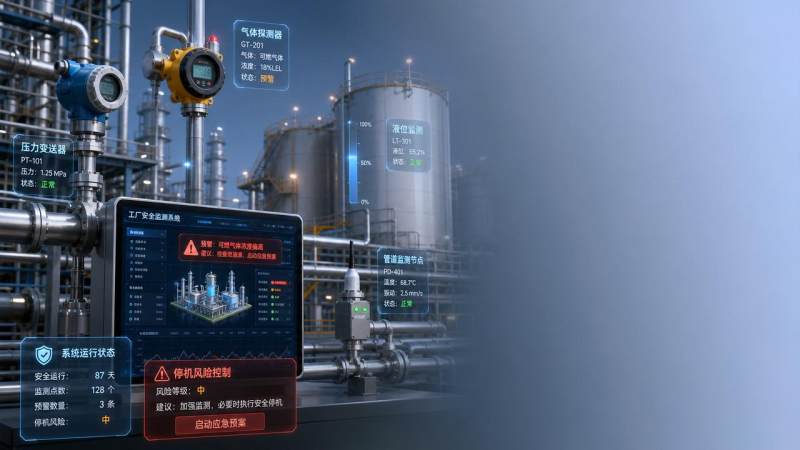
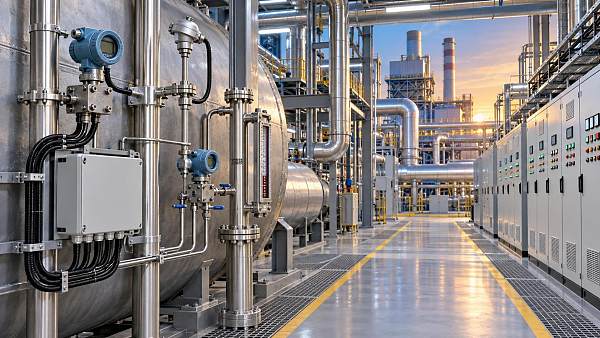
Plant shutdown risk rarely begins with one dramatic failure. It often starts with a small Safety Monitoring weakness that seems manageable during normal production.
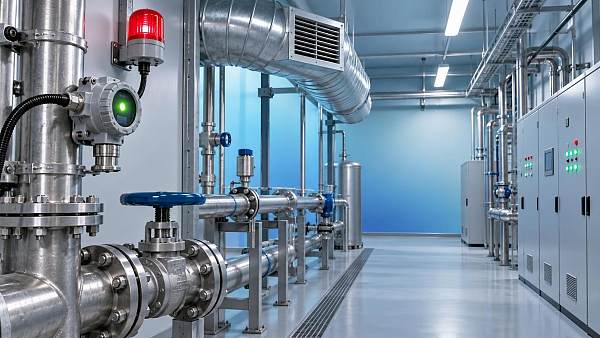
A drifting pressure transmitter, a delayed gas detector, or an alarm that operators stop trusting can quietly erode protection layers.
In practice, the biggest issue is not missing hardware alone. It is the mismatch between monitoring design and actual operating conditions.
That is why Safety Monitoring must be judged by context. A batch reactor, a utility room, and a wastewater unit may all track risk, but not in the same way.
Global Instrument Hub follows this reality closely across manufacturing, energy, laboratories, and environmental systems, where measurement quality directly shapes uptime, compliance, and incident prevention.
When monitoring is treated as a living operational layer rather than a one-time installation, shutdown risk becomes easier to detect before it spreads.
Different Operating Areas Create Different Safety Monitoring Priorities
A common mistake is assuming one Safety Monitoring logic can cover the whole plant. Real conditions usually prove otherwise.
High-energy process zones care about fast deviation detection. Storage areas care more about slow leaks, vapor accumulation, and level integrity over time.
Utilities add another layer. Steam, compressed air, cooling water, and backup power systems are often seen as support assets, yet they trigger shutdowns when abnormal signals go unnoticed.
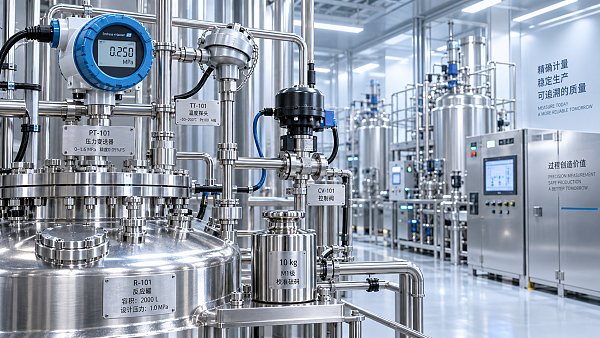
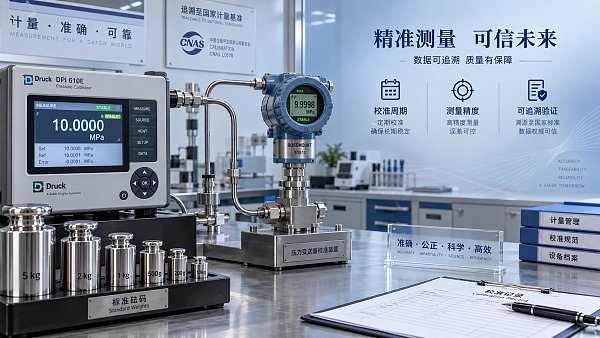
In cleaner environments such as life science production or analytical labs, the concern shifts. Safety Monitoring may need tighter thresholds, traceable calibration, and less tolerance for drift.
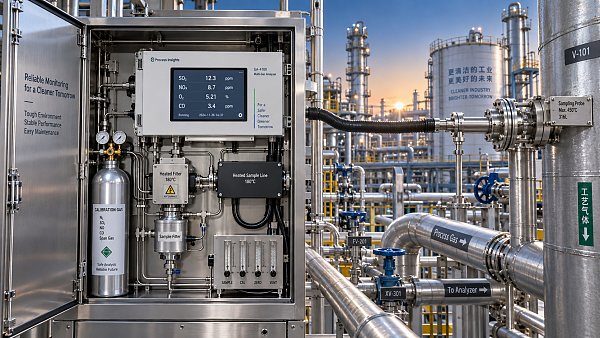
Outdoor assets complicate matters again. Weather exposure, corrosion, vibration, and remote access limitations can make a healthy specification sheet perform poorly in service.
The better approach is to separate areas by hazard dynamics, maintenance access, environmental stress, and decision speed required after an abnormal reading.
A practical way to compare those differences
This comparison matters because shutdown prevention depends less on generic coverage and more on whether the monitoring layer matches the failure pattern.
When Process Signals and Risk Signals Stop Talking to Each Other
One of the most expensive blind spots appears when control instrumentation and Safety Monitoring evolve on separate tracks.
A plant may have capable DCS control, reliable PLC logic, and multiple field devices, yet still miss shutdown precursors because data stays fragmented.
This happens often in brownfield upgrades. New analyzers, vibration sensors, thermal cameras, or gas monitors are added, but alarm priorities and escalation paths remain unchanged.
The result is familiar. Operations sees rising noise, maintenance sees isolated faults, and no one gets a clear signal of combined risk.
GIH regularly tracks this integration challenge across process control, smart energy monitoring, and environmental instrumentation, where the problem is rarely the sensor alone.
The stronger judgment point is whether Safety Monitoring data can support one operational decision path, from early anomaly to verified intervention.
Signals that the integration layer is too weak
- Critical alarms arrive without process context, forcing manual interpretation.
- The same abnormal event appears in different systems with inconsistent timestamps.
- Trip thresholds are fixed, even though operating modes change by batch, load, or season.
- Safety Monitoring records are available, but not usable for root-cause review.
In these cases, adding more devices may only increase complexity. The first correction is usually signal governance, not sensor quantity.
High-Risk Scenarios Often Hide in Slow Changes, Not Sudden Events
Shutdown stories often focus on dramatic excursions. Yet many failures build slowly enough to be normalized by the site.
A level reading that drifts within tolerance, a flare header temperature trend, or recurring motor heat during peak demand may never trigger urgency until several variables align.
This is where Safety Monitoring needs trend intelligence rather than simple limit checking. Static thresholds rarely capture degradation patterns in rotating equipment, storage assets, or emissions systems.
The pattern is especially important in energy and environmental operations. Continuous emission monitoring, thermal behavior in electrical assets, and cooling system stability all depend on sustained signal quality.
In actual use, the most useful question is not only whether a device alarms. It is whether the system distinguishes nuisance variation from meaningful deterioration.
That distinction reduces unnecessary shutdowns while preserving the ability to act early when risk is real.
Common Misjudgments That Weaken Safety Monitoring
Several recurring errors appear across industries, even where instrumentation budgets are reasonable.
- Choosing by datasheet range without checking vibration, contamination, or response lag in the real installation point.
- Treating similar units as identical, even when feedstock, duty cycle, or cleaning routines differ.
- Prioritizing acquisition cost while underestimating calibration burden, proof testing time, and spare availability.
- Assuming compliance labels alone guarantee field reliability in hazardous or regulated environments.
- Accepting alarm volume as evidence of vigilance, when it may signal poor rationalization.
These misjudgments matter because Safety Monitoring performance is shaped by lifecycle fit, not by specification strength alone.
A well-rated instrument can still underperform if maintenance intervals are unrealistic or if calibration cannot be traced with sufficient discipline.
What Better Safety Monitoring Looks Like Before a Shutdown Happens
Improvement usually starts with a sharper site review, not a full redesign. The goal is to find where monitoring confidence is lower than operational dependency.
That review should compare critical assets, failure modes, instrument health, and escalation logic in the same frame.
For many plants, the most effective adjustments are targeted and practical.
- Recheck measurement points where process turbulence or dead zones may distort readings.
- Separate safety-critical alarms from maintenance notifications and advisory trends.
- Use redundant sensing only where failure consequences justify added complexity.
- Align proof testing, calibration, and data review with real operating stress, not legacy schedules.
- Verify compatibility across SIS, DCS, historian, and environmental reporting platforms.
Sites with mixed old and new instrumentation benefit most from this approach because hidden gaps often sit at interfaces, not at endpoints.
Where to focus first
Building a More Reliable Basis for the Next Decision
Strong Safety Monitoring is less about having the most devices and more about knowing which signals deserve trust under pressure.
That requires scenario-based judgment. Continuous processing, storage, utilities, environmental control, and laboratory operations all produce different risk signatures.
The practical next step is to map shutdown-sensitive areas, compare monitoring intent with field reality, and identify where integration, calibration, or alarm logic is weakest.
For organizations using intelligence platforms such as GIH, the advantage lies in connecting instrumentation knowledge, compliance context, and supplier research into one decision standard.
That makes Safety Monitoring easier to evaluate not as a checkbox, but as a measurable safeguard for uptime, worker protection, and long-term operational resilience.
Before the next upgrade cycle, it is worth reviewing critical scenarios, confirming limit logic, and testing whether the current monitoring stack still matches actual plant risk.
Recommended for You
 When does a laser gas analyzer meet stack emissions monitoring needs?Laser gas analyzer for stack emissions: learn when it delivers fast, reliable data, how to assess installation risks, and what to verify for CEMS compliance.
 How to select a hazardous gas analyzer for confined spacesHazardous gas analyzer selection for confined spaces: compare sensors, sampling, certifications, alarms, and maintenance to protect workers and choose with confidence.
 When is a single gas analyzer sufficient for workplace safety monitoring?Discover when a single gas analyzer delivers reliable workplace safety monitoring, and learn the key limits, calibration needs, and risks that require broader detection.
 How to choose an ambient gas analyzer for low-level leak detectionAmbient gas analyzer selection for low-level leak detection: compare sensitivity, cross-sensitivity, sampling design, alarms, and calibration for reliable site performance.
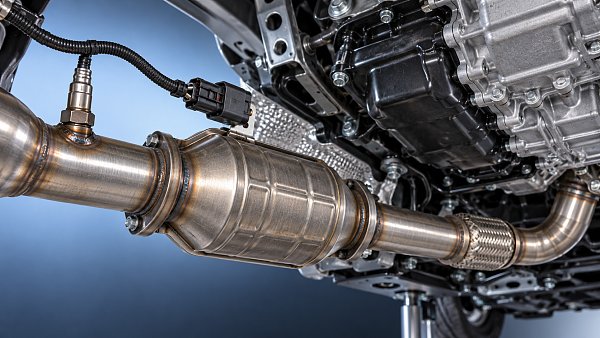
 How to tell when an oxygen sensor needs replacementOxygen sensor replacement signs explained: learn how live data, fault codes, wiring checks, and exhaust inspections pinpoint the real issue before you buy.
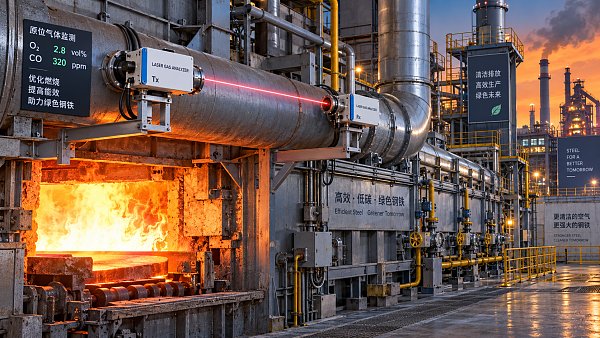
 How laser gas analyzers improve combustion control in steel furnacesLaser gas analyzer for steel industry applications delivers fast in-situ O₂ and CO data to optimize furnace combustion, cut fuel waste, and improve steel heating stability.
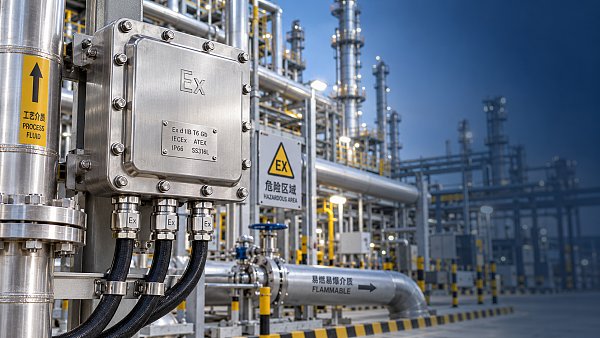
 How to verify whether explosion proof equipment meets site requirementsExplosion proof equipment verification made practical: match zones, gas or dust groups, temperature classes, certificates, and installation conditions for confident compliance.
 How industrial gas analysis helps detect contamination before releaseIndustrial Gas Analysis helps detect moisture, oil, oxygen, and toxic contaminants before release—protecting processes, ensuring compliance, and reducing costly risks.
 When is electrochemistry detection the right choice for water analysis?Electrochemistry detection for water analysis: learn when fast, reliable monitoring of ions, chlorine, pH, and more delivers actionable results.
 How industrial standards reduce quality risks in supplier selectionIndustrial Standard guidance helps quality and safety managers reduce supplier risks, verify compliance, strengthen traceability, and build resilient instrumentation supply chains.
 When does a multi-component system reduce installation complexity?Multi component systems reduce installation complexity when they eliminate field interfaces, streamline commissioning, and provide proven compatibility. Learn how to assess total cost and supplier accountability.
 How to size an industrial control shelter for outdoor equipmentIndustrial control shelter sizing guide: optimize layout, HVAC, access, safety, and expansion space for reliable outdoor equipment operations.
 How flue analysis helps verify combustion efficiencyFlue analysis verifies combustion efficiency by assessing O2, CO, CO2, and stack temperature to identify excess air, incomplete combustion, and heat losses.
 How to select industrial gas detectors for confined spacesIndustrial gas detectors for confined spaces: learn how to match sensors, sampling methods, alarms, and certifications to real atmospheric hazards.
 When does a laser oxygen analyzer outperform zirconia sensors?Laser oxygen analyzer vs. zirconia sensors: compare speed, selectivity, maintenance, gas chemistry, and installation needs to choose the right oxygen measurement solution.
 How to select a percent range analyzer for process measurementsPercent range analyzer selection made practical: compare accuracy, sample systems, calibration, gas matrix, integration, and lifecycle cost for reliable process measurements.
 How explosion proof analysis verifies safe equipment for hazardous areasExplosion proof analysis verifies hazardous-area equipment by matching certifications, temperature ratings, installation details, and inspection controls for safer compliance.
 When does fixed gas detection need point sensors instead of open-path monitoring?Fixed gas detection: discover when point sensors outperform open-path monitoring for predictable leaks, enclosed zones, local alarms, and safer design decisions.
 How to choose industrial metrology systems for tight-tolerance partsIndustrial metrology guide for tight-tolerance parts: compare CMMs, optical scanners, gauges, uncertainty, workflow, and traceable inspection strategies.
 How process metrology reduces measurement variation in productionProcess metrology reduces production measurement variation by improving traceability, uncertainty control, calibration, and reliable quality decisions.
 How to select an industrial monitoring analyzer for harsh environmentsIndustrial monitoring analyzer selection for harsh environments: evaluate sampling, durability, hazardous-area compliance, accuracy, maintenance, and data reliability.
 How calibration intervals affect test and measurement equipment accuracyTest and measurement equipment calibration intervals directly affect accuracy, risk, compliance, and uptime. Learn how to set evidence-based schedules that protect critical decisions.
 When does process gas monitoring need continuous measurement?Process gas monitoring needs continuous measurement when rapid changes threaten safety, quality, compliance, or uptime. Learn how to specify reliable, actionable monitoring systems.
 How to prevent false alarms in power plant instrumentationPower plant instrumentation guide: prevent false alarms with reliable signal checks, smarter alarm settings, mode-based control, and actionable operator responses.
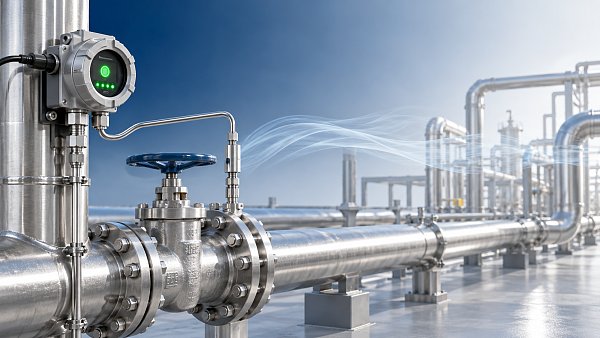
 How fixed gas detectors help prevent leaks in enclosed workspacesFixed gas detectors provide continuous leak monitoring in enclosed workspaces, enabling faster alarms, safer responses, and stronger protection for people and processes.
 How industrial gas analysis helps detect process contamination earlyIndustrial Gas Analysis helps detect oxygen, moisture, and hydrocarbon contamination early, enabling faster fault isolation, safer operations, and stronger process control.
 What drives environmental compliance continuous monitoring setup cost?Environmental compliance continuous monitoring setup cost: uncover hidden expenses, compare bids accurately, and build a reliable, audit-ready system.
 How to select gas analysis equipment for continuous emissions monitoringGas analysis equipment selection guide for reliable continuous emissions monitoring—compare technologies, sampling, calibration, compliance, and maintenance needs.
 What detection limit is needed for NH3 environmental monitoring?High accuracy NH3 analyzer for environmental monitoring: learn how to set the right detection limit, improve sampling reliability, and make defensible decisions.
 How to select a NOX analyzer for power plant emissions complianceNOX analyzer for power plant emissions: learn how to select a compliant, reliable CEMS solution with the right range, sample handling, calibration, and data integrity.
 How to evaluate a laser gas analyzer manufacturer in GermanyLaser gas analyzer manufacturer in Germany: compare accuracy, sample handling, interference control, calibration, and service to select a reliable solution.
 How does a flue gas analyzer maintain accuracy in wet stack gas?Flue gas analyzer accuracy in wet stack gas depends on heated sampling, moisture correction, reliable sensors, and calibration. Explore key selection tips.


Search Categories
Search Categories
- Smart Meters & Power Quality
- Transformer Gas Analyzers
- BESS Thermal Runaway Detectors
- Energy, Power & Smart Grid Monitoring
- Optical Profilers & CMM
- Ultrasonic & X-Ray NDT
- Calibration Standards
- Precision Metrology & NDT
- Water Quality Analyzers
- CEMS & VOCs Monitors
- Price Trends
- Import & Export Updates
- Market Trends
- Industry News
- Industry Insights
Latest Article
- When does a laser gas analyzer meet stack emissions monitoring needs?Laser gas analyzer for stack emissions: learn when it delivers fast, reliable data, how to assess installation risks, and what to verify for CEMS compliance.Posted by:
- How to select a hazardous gas analyzer for confined spacesHazardous gas analyzer selection for confined spaces: compare sensors, sampling, certifications, alarms, and maintenance to protect workers and choose with confidence.Posted by:
- When is a single gas analyzer sufficient for workplace safety monitoring?Discover when a single gas analyzer delivers reliable workplace safety monitoring, and learn the key limits, calibration needs, and risks that require broader detection.Posted by:
Please give us a message
