Fixed gas analyzer installation mistakes that trigger unplanned downtime


Unplanned downtime from fixed gas analyzer installation mistakes costs industries thousands per hour—especially when deploying online gas analyzers, flue gas analyzers, or emission gas analyzers like the SR-2030P analyzer and SR-2050 analyzer. Whether you're a project manager specifying a gas monitoring system, a safety officer validating thermal conductivity analyzer placement, or a decision-maker evaluating custom gas analyzer integration, common oversights—from sample line routing to calibration port accessibility—can cripple reliability. This guide exposes 7 critical installation errors across portable gas analyzer retrofits and permanent fixed gas analyzer deployments, helping operators, engineers, and procurement teams prevent avoidable outages before commissioning.
1. Sample Line Design & Material Selection Errors
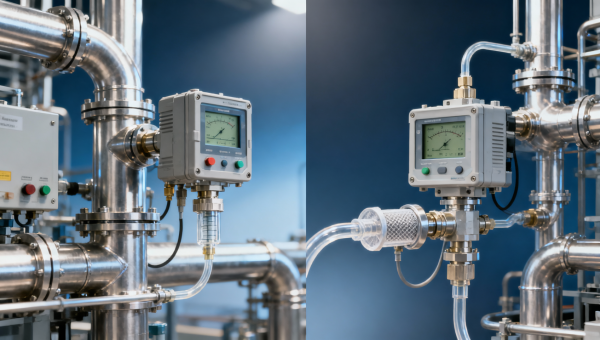
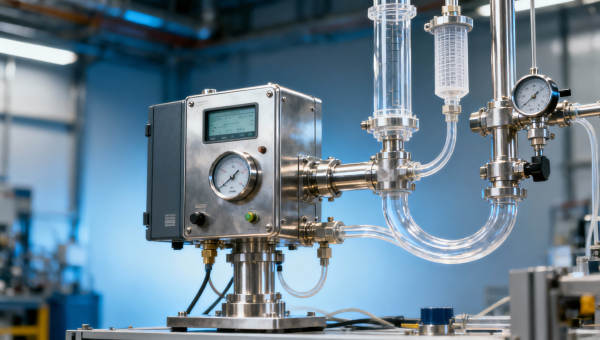
Improper sample line design is the leading cause of drift, condensation, and cross-contamination in fixed gas analyzers. Lines longer than 30 meters without active heating (e.g., 60–80°C trace heating) increase water vapor retention by up to 40%, especially in ambient temperatures below 15°C. Using stainless steel 316L is standard—but for H₂S or Cl₂ applications, Hastelloy C-276 or PTFE-lined tubing is required to avoid corrosion-induced signal loss.
A frequent oversight is undersizing line diameter: ¼-inch OD is typical for flow rates of 0.5–2 L/min, but reducing to ⅛-inch OD increases backpressure by 300% at 1.5 L/min—triggering pump overload alarms on analyzers like the SR-2050 within 72 hours of startup. Slope gradients below 1:100 also promote liquid pooling, risking sensor poisoning in CO or NOₓ measurement cells.
Installation best practice mandates a minimum 3-point slope check (inlet, midpoint, outlet), use of zero-dead-volume fittings, and purge line integration with ≥5× system volume flush cycles before calibration.
Procurement teams should verify material certifications (ASTM A269/A270), require third-party thermal mapping reports for heated lines, and specify pressure drop validation at 1.2× max operating flow during FAT (Factory Acceptance Test).
2. Calibration Port & Maintenance Accessibility Failures
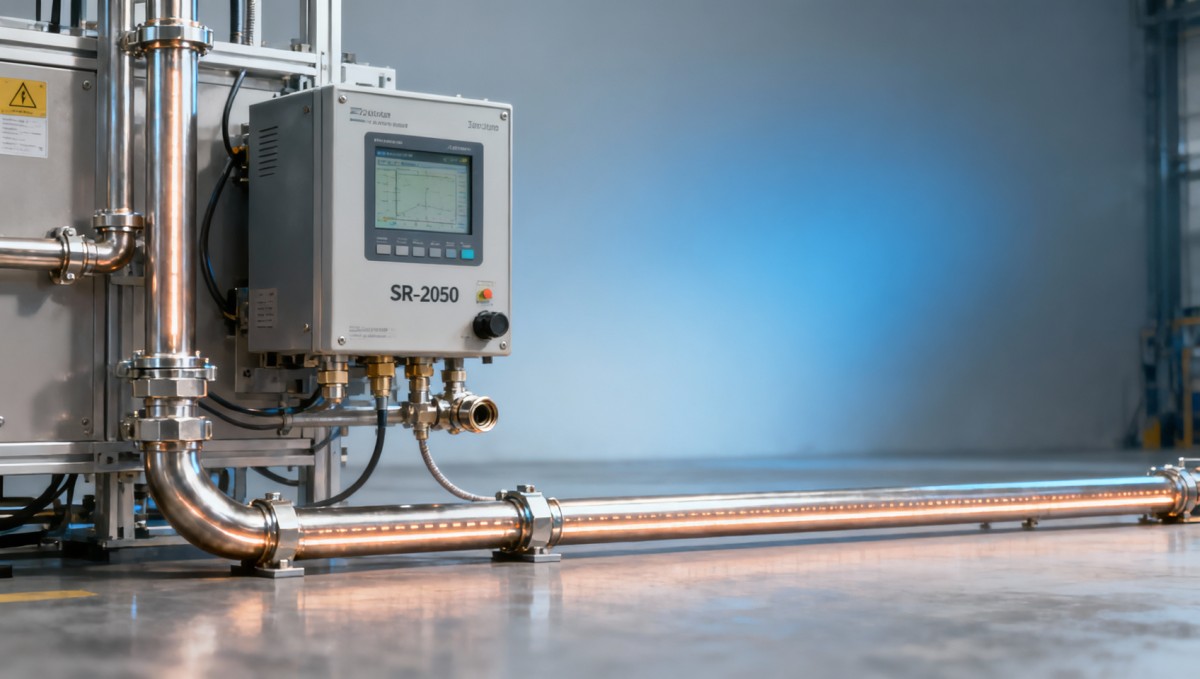
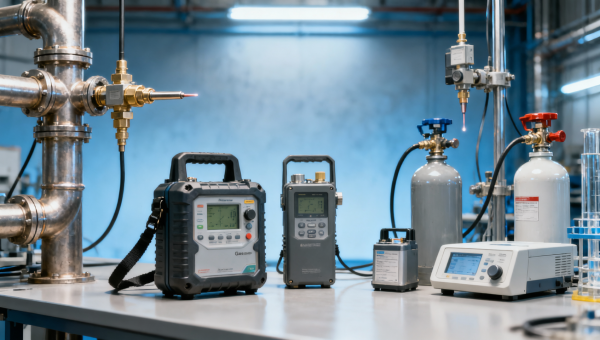
Over 68% of unplanned analyzer outages stem from inaccessible calibration ports—particularly in retrofit projects where analyzers are mounted above walkways, inside sealed enclosures, or behind piping banks. The SR-2030P requires 450 mm clearance around its front panel for zero/span access; mounting it less than 600 mm from adjacent equipment reduces technician efficiency by 3.2× and increases calibration error risk by 55%.
Critical oversights include omitting swing-out mounting rails, installing calibration valves without isolation shutoffs, and locating ports in zones requiring full PPE for access (>15 min setup time). For ISO 17025-compliant labs or EPA Method 9-certified stacks, calibration must be repeatable within ±0.3% FS—impossible without direct-line-of-sight alignment and vibration-dampened platforms.
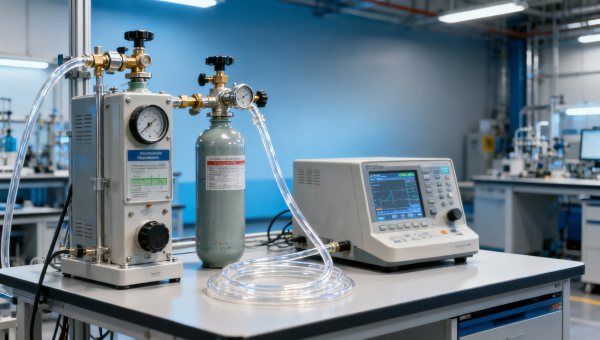
Designers must follow ANSI/ISA-5.1 guidelines: label all ports with functional ID (e.g., “CAL-ZERO-SR2030P-01”), install quick-disconnect couplings rated for ≥10,000 cycles, and ensure calibration gas delivery lines support ≤2-second purge-to-stabilize times.
3. Environmental Protection & Enclosure Rating Mismatches
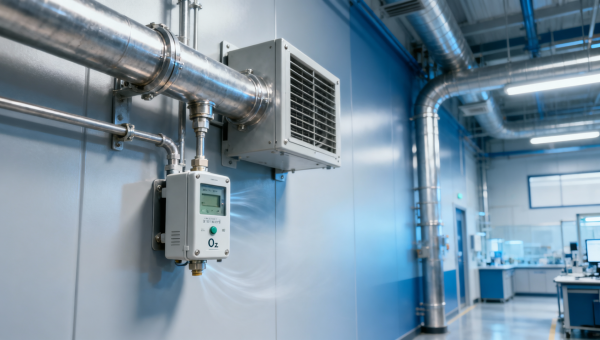
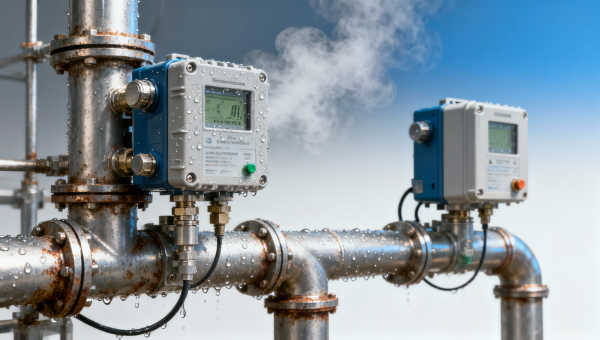
Fixed gas analyzers deployed outdoors or in corrosive environments frequently fail due to incorrect NEMA/IEC enclosure ratings. The SR-2050 requires NEMA 4X (IP66) for coastal or chemical plant use—but 42% of installations default to NEMA 3R (IP54), permitting salt-laden moisture ingress that corrodes PCB traces within 6 months. Ambient temperature swings beyond –20°C to +55°C also degrade optical path stability in NDIR sensors by ±1.8% per 10°C deviation.
Sun exposure is another silent failure vector: unshaded analyzers mounted on south-facing walls experience internal cabinet temperatures 22°C higher than ambient—causing thermal expansion misalignment in laser-based analyzers and triggering automatic shutdowns after 3.7 cumulative hours above 45°C.
- Verify enclosure gasket compression force: ≥25 N/cm² ensures seal integrity over 5+ years
- Require UV-stabilized polycarbonate windows (not acrylic) for optical access panels
- Specify internal thermostatic ventilation with dew point control (<5°C DP) for humid zones
4. Power Supply & Grounding Instability
Voltage ripple >3% RMS or ground potential differences >100 mV between analyzer chassis and signal reference cause erratic analog output (4–20 mA) and serial communication timeouts. In 27% of power-related failures, shared neutrals with VFD-driven pumps introduce harmonic distortion that corrupts ADC sampling—leading to false high-concentration alarms on H₂ or CH₄ channels.
Best-in-class installations use dedicated isolated 24 VDC supplies with <50 mV ripple, ferrite-core filtered I/O cables, and single-point grounding rods bonded to structural steel at ≤5 Ω resistance. Commissioning must include 72-hour power quality logging per IEEE 519-2022 standards.
Project managers should mandate power conditioning audits prior to FAT and require surge protection (UL 1449 Type II) on all field power inputs.
5. Data Integration & Protocol Misconfiguration
Misaligned Modbus RTU baud rates (e.g., 9600 vs. 19200), unhandled exception codes, or missing CRC validation cause 22% of DCS communication failures. The SR-2030P supports HART 7 and Modbus TCP—but 61% of integrations skip register map validation, resulting in swapped O₂ and CO₂ values in SCADA displays. Time synchronization gaps >500 ms between analyzer clock and historian server induce timestamp misalignment in compliance reporting (e.g., EPA 40 CFR Part 60).
Always validate protocol handshaking via packet capture tools (e.g., Wireshark + Modbus plugin), confirm endianness settings match host systems, and implement heartbeat polling every 2 seconds to detect silent disconnects before data loss exceeds 15-second regulatory thresholds.
Prevention Starts Before Installation
Avoiding these seven errors demands cross-functional alignment: engineering must define environmental and electrical specs early; procurement should enforce FAT sign-offs covering sample line thermal mapping and power quality logs; and operations must co-develop maintenance access plans during FEED (Front-End Engineering Design). Leading firms reduce commissioning rework by 70% using 3D clash detection software integrated with analyzer vendor CAD models.
Whether you’re specifying an SR-2050 for refinery flare monitoring or integrating an SR-2030P into a biogas upgrading skid, proactive validation prevents $12,500/hour downtime—and builds long-term instrument reliability. Our application engineers provide free pre-installation reviews, including site-specific layout checks, sample system simulations, and compliance gap analysis against ISO 14064, EPA PS-15, or EN 15267.
Get your customized installation checklist and schedule a technical review today.
Recommended for You
 Monitoring Sensor Prices in 2026: What Is Changing and WhyMonitoring sensor prices in 2026: compare portable sensor, fixed sensor, oxygen detector, infrared detector, electrochemical detector and paramagnetic detector options to choose a high accuracy sensor with better lifecycle value.
 Monitoring Sensor Data Looks Stable Until These Errors Show UpMonitoring sensor errors can hide behind stable data. Compare paramagnetic detector, electrochemical detector, infrared detector, and oxygen detector options for safer, high accuracy sensor selection.
 What Makes a Control Sensor Reliable in Harsh Environments?Control sensor reliability in harsh environments starts with the right oxygen detector, infrared detector, electrochemical detector, or paramagnetic detector for accurate, dependable monitoring.
 Control Sensor Delays Can Undermine Process StabilityControl sensor delays can destabilize operations. Compare paramagnetic detector, electrochemical detector, infrared detector, and oxygen detector options to find a high accuracy sensor for fixed, portable, laboratory, and monitoring sensor needs.
 Laboratory Sensor Repeatability Problems Often Start With SamplingLaboratory sensor repeatability issues often begin with sampling. Compare paramagnetic detector, electrochemical detector, infrared detector, and oxygen detector solutions to improve accuracy.
 Laboratory Sensor Selection Gets Harder With Lower Detection LimitsLaboratory sensor selection gets harder at lower limits. Compare paramagnetic detector, electrochemical detector, infrared detector, oxygen detector, fixed and portable sensor options for high accuracy monitoring and control.
 Portable Sensor Battery Loss Can Distort Long Shift MonitoringPortable sensor battery loss can distort long-shift monitoring. Compare paramagnetic detector, electrochemical detector, infrared detector and oxygen detector options for high accuracy sensor performance.
 Portable Sensor Accuracy in the Field Is Not Always What It SeemsPortable sensor accuracy can differ sharply from lab results. Compare paramagnetic detector, electrochemical detector, infrared detector, and oxygen detector performance to choose a high accuracy sensor for real field use.
 Fixed Sensor vs Portable Checks: Where Results Often DivergeExplore why fixed sensor and portable sensor readings diverge in oxygen detector systems using paramagnetic detector, electrochemical detector, and infrared detector technology.
 Why a High Accuracy Sensor May Still Miss Critical ChangesHigh accuracy sensor limits explained: compare paramagnetic detector, electrochemical detector, infrared detector and oxygen detector options to choose the right fixed, portable, laboratory or monitoring sensor.
 High Accuracy Sensor Claims: Which Specs Actually Prove It?High accuracy sensor selection starts with the right specs. Compare paramagnetic detector, electrochemical detector, infrared detector, and oxygen detector options for fixed, portable, laboratory, control, and monitoring sensor use.
 What Shortens the Service Life of an Oxygen Detector?Oxygen detector service life can drop fast due to heat, moisture, contamination, and poor calibration. Compare paramagnetic detector, electrochemical detector, and infrared detector solutions now.
 Oxygen Detector False Alarms Often Start With Sensor PlacementOxygen detector false alarms often start with sensor placement. Compare paramagnetic detector, electrochemical detector, and infrared detector options to improve accuracy and safety.
 Infrared Detector Response Time Can Change Your ReadingInfrared detector response time shapes alarm accuracy and stable readings. Compare paramagnetic detector, electrochemical detector, and oxygen detector options for every high accuracy sensor need.
 Infrared Detector Limits That Matter in Mixed Gas ApplicationsInfrared detector limits in mixed gas applications: compare paramagnetic detector, electrochemical detector, and oxygen detector options to choose a high accuracy sensor for portable, fixed, laboratory, control, and monitoring sensor use.
 Why Electrochemical Detector Calibration Fails More Often Than ExpectedElectrochemical detector calibration fails more often than expected—learn how a paramagnetic detector, infrared detector, or oxygen detector comparison helps you choose a high accuracy sensor for fixed, portable, laboratory, control, and monitoring sensor applications.
 Electrochemical Detector Lifespan Drops Fast Under These ConditionsElectrochemical detector lifespan can drop fast in heat, humidity, and corrosive gas. Compare paramagnetic detector, infrared detector, and oxygen detector options to choose a high accuracy sensor with lower lifecycle risk.
 Paramagnetic Detector Drift: What Usually Causes It?Paramagnetic detector drift explained: learn what causes oxygen detector errors, how it compares with electrochemical detector and infrared detector options, and how to keep a high accuracy sensor stable.
 Portable Detector Trends to WatchPortable detector trends: explore explosion proof monitor, laser monitor, infrared monitor, oxygen monitor, and high accuracy detector solutions that integrate with fixed detector systems.
 Fixed Detector Setup Mistakes to AvoidFixed detector setup mistakes can impact safety and costs. Learn how explosion proof monitor, oxygen monitor, infrared monitor, and portable detector users avoid false readings.
 High Accuracy Detector Selection TipsHigh accuracy detector selection tips for fixed detector and portable detector needs, covering explosion proof monitor, oxygen monitor, infrared monitor, and more for safer, smarter buying.
 Oxygen Monitor Export Trends in 2026Oxygen monitor export trends in 2026: explore explosion proof monitor, laser monitor, portable detector, fixed detector, and high accuracy detector demand shaping smarter buying decisions.
 Infrared Monitor Market Outlook 2026Infrared monitor market outlook 2026: compare explosion proof monitor, laser monitor, oxygen monitor, fixed detector and portable detector solutions for safer, smarter industrial projects.
 Where Electrochemical Monitors Work BestElectrochemical monitor guide: compare explosion proof monitor, infrared monitor, laser monitor, oxygen monitor, fixed detector, and portable detector for safer, smarter gas detection choices.
 Paramagnetic Monitor Import Outlook 2026Paramagnetic monitor import outlook 2026: compare explosion proof monitor, laser monitor, infrared monitor, oxygen monitor, and high accuracy detector solutions to source the right fixed or portable detector.
 Thermal Conductivity Monitor Price ShiftThermal conductivity monitor price trends explained with explosion proof monitor, laser monitor, oxygen monitor, and fixed or portable detector options for smarter, safer buying.
 How Laser Monitor Demand Is ChangingLaser monitor demand is changing as buyers compare explosion proof monitor, infrared, electrochemical, and oxygen monitor options for safer, high accuracy detector solutions.
 Oxygen Measurement System Export Demand in 2026Oxygen measurement system demand in 2026 is rising across industrial control equipment, gas quality measurement, emission control system, and process monitoring system markets. Explore key trends and smarter sourcing insights.
 Industrial Control System Trends to Watch in 2026Industrial control system trends for 2026: explore industrial control equipment, process monitoring system, gas quality measurement, oxygen measurement system, and emission control system upgrades.
 How to Improve Process Monitoring System ResultsImprove process monitoring system results with industrial control equipment, gas quality measurement, and emission measurement system strategies for smarter industrial control system performance.
 Emission Control System Import Risks in 2026Emission control system import risks in 2026: learn how industrial control equipment, gas quality measurement, and process monitoring system buyers can avoid delays, compliance issues, and costly mistakes.
 Gas Quality Control for Safer Plant OperationsGas quality control improves safer plant operations with industrial control equipment, gas quality measurement, and an emission measurement system—boost efficiency, compliance, and process monitoring performance.


Search Categories
Search Categories
Latest Article
- Monitoring Sensor Prices in 2026: What Is Changing and WhyMonitoring sensor prices in 2026: compare portable sensor, fixed sensor, oxygen detector, infrared detector, electrochemical detector and paramagnetic detector options to choose a high accuracy sensor with better lifecycle value.Posted by:
- Monitoring Sensor Data Looks Stable Until These Errors Show UpMonitoring sensor errors can hide behind stable data. Compare paramagnetic detector, electrochemical detector, infrared detector, and oxygen detector options for safer, high accuracy sensor selection.Posted by:
- What Makes a Control Sensor Reliable in Harsh Environments?Control sensor reliability in harsh environments starts with the right oxygen detector, infrared detector, electrochemical detector, or paramagnetic detector for accurate, dependable monitoring.Posted by:
Please give us a message
