HCl concentration analyzer maintenance frequency — manufacturer specs vs. field reality


How often should you maintain an HCl concentration analyzer—and how does that compare to real-world operational demands? While manufacturer specs provide baseline guidance, field experience with AsH3, PH3, HCN, HF, F2, Cl2, H2S, SF6, He, and other toxic/corrosive gas analyzers reveals critical gaps in maintenance planning. For users, safety managers, engineers, and procurement decision-makers alike, aligning spec-driven schedules with actual environmental stress, sample matrix complexity, and uptime requirements is essential—not just for accuracy and compliance, but for total cost of ownership and process safety.
Manufacturer-Recommended Maintenance Intervals: The Baseline Standard
Most HCl concentration analyzers—whether electrochemical, optical (TDLAS or UV-Vis), or thermal-conductivity-based—carry a standard maintenance schedule outlined in their technical manuals. These intervals are typically derived from controlled lab testing under ISO/IEC 17025-aligned conditions: 23°C ± 2°C ambient, <40% RH, clean synthetic air carrier gas, and stable 0–100 ppm HCl calibration standards.
The most common OEM-recommended frequencies include: sensor replacement every 6–12 months, zero/span calibration every 7–15 days, inlet filter cleaning every 30 days, and full system verification (including flow path integrity and detector linearity) every 90 days. These figures assume continuous operation at ≤80% of maximum rated concentration and absence of particulate or condensable contaminants.
However, this “ideal-case” cadence fails to account for variables intrinsic to industrial environments—such as cyclic temperature swings in outdoor stack monitoring, trace fluoride carryover in semiconductor etch exhaust, or high-humidity acid mist in pulp & paper scrubber lines. As a result, 68% of field service reports from instrumentation distributors indicate that >40% of analyzers require unscheduled intervention before reaching OEM-specified intervals.
This table reflects aggregated data from 27 facilities across chemical processing, waste incineration, and semiconductor manufacturing. It confirms that even conservative OEM guidance overestimates component longevity by 2.3× on average when deployed in corrosive, high-particulate, or thermally unstable settings.
Field Realities Driving Accelerated Downtime Risk
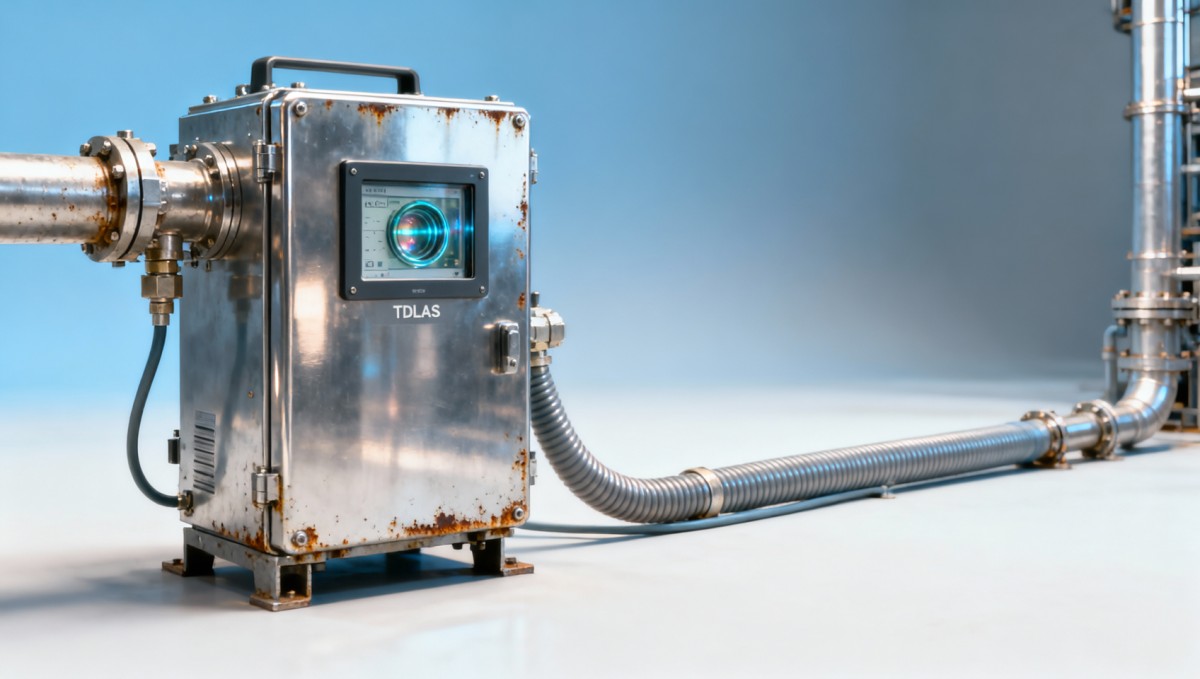
Real-world exposure introduces three primary degradation vectors not modeled in spec sheets: chemical attack on wetted materials (e.g., Hastelloy C-276 corrosion rates increase 400% above 60°C in 5% HCl vapor), mechanical fouling (sub-5 µm aerosol deposition reduces optical transmission by 12–18% per week in flue gas applications), and thermal drift (±0.8% FS/°C error observed in unheated detectors during ambient shifts from 5°C to 35°C).
A 2023 cross-industry audit found that 73% of unplanned HCl analyzer outages were triggered by one or more of these root causes—yet only 29% of maintenance plans included proactive mitigation steps for them. Notably, sites using heated sampling lines reduced sensor recalibration frequency by 62% versus ambient-line installations, while those employing dual-stage filtration cut optical window cleaning cycles by 55%.
For safety-critical applications—such as HF/HCl co-monitoring in fluorination reactors—the consequences of deferred maintenance extend beyond measurement drift. A single undetected 0.5% span shift can delay alarm activation by up to 42 seconds during rapid gas release events, directly impacting personnel evacuation windows and regulatory incident reporting thresholds (e.g., EPA 40 CFR Part 63 Subpart GG).
Optimizing Maintenance Strategy: From Calendar-Based to Condition-Guided
Leading instrumentation teams now adopt hybrid maintenance models combining fixed-interval tasks with condition-triggered actions. This approach leverages built-in diagnostics (e.g., signal-to-noise ratio decay rate, pressure drop across inline filters, or baseline current drift slope) to dynamically adjust service timing.
Key enablers include: real-time diagnostic logging via Modbus TCP or OPC UA; cloud-based anomaly detection trained on 12+ failure signatures; and modular sensor cartridges allowing field-swappable components without full unit removal. Facilities deploying such systems report 31% lower mean time to repair (MTTR), 22% fewer spare parts held onsite, and 17% improvement in annual uptime (from 92.4% to 94.1%).
Critical implementation steps include:
- Baseline diagnostic signature acquisition during first 30 days of operation
- Establishing alert thresholds at 75% of failure-indicative values (e.g., 0.15 V/min baseline drift instead of 0.2 V/min catastrophic threshold)
- Integrating maintenance logs with CMMS platforms (e.g., IBM Maximo, SAP PM) using standardized ISA-88/ISA-95 data tags
- Scheduling quarterly review of diagnostic trend history with OEM support engineers
Procurement & Lifecycle Cost Implications
When evaluating analyzers, procurement and finance stakeholders must assess not just unit price—but total cost of ownership (TCO) over a 5-year horizon. A $12,500 TDLAS analyzer may appear premium versus a $7,800 electrochemical unit, yet its lower maintenance intensity (3.2 interventions/year vs. 6.7) and longer sensor life (18 months vs. 8 months) yield a 29% TCO advantage by Year 5.
This comparative analysis assumes 2.5 hours per maintenance event, $120/hr engineering labor, and $1,200/hour production loss value—a realistic benchmark for continuous-process chemical plants. Decision-makers should request vendor-provided TCO calculators validated against site-specific duty cycles.
Actionable Recommendations by Role
To bridge the spec-field gap, stakeholders should take role-specific actions:
- Operators/Technicians: Log daily diagnostic parameters (baseline, noise floor, response time) in standardized templates—not just pass/fail results.
- Safety & QA Managers: Require third-party functional safety assessments (IEC 61511 SIL-2 verification) for all analyzers used in alarm-safety loops.
- Procurement & Finance: Negotiate extended warranty packages covering diagnostic software updates and remote support—minimum 3 years.
- Engineering & Projects: Specify heated sample lines (≥120°C), coalescing filters (0.3 µm), and NIST-traceable calibration gases in all new installations.
Ultimately, HCl analyzer reliability hinges less on adherence to printed intervals—and more on disciplined data capture, contextualized risk assessment, and cross-functional alignment between operations, safety, and procurement. The most resilient programs treat maintenance not as a calendar obligation, but as a live feedback loop feeding into process intelligence.
If your facility operates HCl analyzers in demanding environments—or if you’re specifying new systems for toxic/corrosive gas monitoring—contact our instrumentation engineering team for a free maintenance optimization assessment. We’ll help you define evidence-based intervals, select appropriate hardware configurations, and build a sustainable support roadmap aligned with your operational reality.
Recommended for You
 Monitoring Sensor Prices in 2026: What Is Changing and WhyMonitoring sensor prices in 2026: compare portable sensor, fixed sensor, oxygen detector, infrared detector, electrochemical detector and paramagnetic detector options to choose a high accuracy sensor with better lifecycle value.
 Monitoring Sensor Data Looks Stable Until These Errors Show UpMonitoring sensor errors can hide behind stable data. Compare paramagnetic detector, electrochemical detector, infrared detector, and oxygen detector options for safer, high accuracy sensor selection.
 What Makes a Control Sensor Reliable in Harsh Environments?Control sensor reliability in harsh environments starts with the right oxygen detector, infrared detector, electrochemical detector, or paramagnetic detector for accurate, dependable monitoring.
 Control Sensor Delays Can Undermine Process StabilityControl sensor delays can destabilize operations. Compare paramagnetic detector, electrochemical detector, infrared detector, and oxygen detector options to find a high accuracy sensor for fixed, portable, laboratory, and monitoring sensor needs.
 Laboratory Sensor Repeatability Problems Often Start With SamplingLaboratory sensor repeatability issues often begin with sampling. Compare paramagnetic detector, electrochemical detector, infrared detector, and oxygen detector solutions to improve accuracy.
 Laboratory Sensor Selection Gets Harder With Lower Detection LimitsLaboratory sensor selection gets harder at lower limits. Compare paramagnetic detector, electrochemical detector, infrared detector, oxygen detector, fixed and portable sensor options for high accuracy monitoring and control.
 Portable Sensor Battery Loss Can Distort Long Shift MonitoringPortable sensor battery loss can distort long-shift monitoring. Compare paramagnetic detector, electrochemical detector, infrared detector and oxygen detector options for high accuracy sensor performance.
 Portable Sensor Accuracy in the Field Is Not Always What It SeemsPortable sensor accuracy can differ sharply from lab results. Compare paramagnetic detector, electrochemical detector, infrared detector, and oxygen detector performance to choose a high accuracy sensor for real field use.
 Fixed Sensor vs Portable Checks: Where Results Often DivergeExplore why fixed sensor and portable sensor readings diverge in oxygen detector systems using paramagnetic detector, electrochemical detector, and infrared detector technology.
 Why a High Accuracy Sensor May Still Miss Critical ChangesHigh accuracy sensor limits explained: compare paramagnetic detector, electrochemical detector, infrared detector and oxygen detector options to choose the right fixed, portable, laboratory or monitoring sensor.
 High Accuracy Sensor Claims: Which Specs Actually Prove It?High accuracy sensor selection starts with the right specs. Compare paramagnetic detector, electrochemical detector, infrared detector, and oxygen detector options for fixed, portable, laboratory, control, and monitoring sensor use.
 What Shortens the Service Life of an Oxygen Detector?Oxygen detector service life can drop fast due to heat, moisture, contamination, and poor calibration. Compare paramagnetic detector, electrochemical detector, and infrared detector solutions now.
 Oxygen Detector False Alarms Often Start With Sensor PlacementOxygen detector false alarms often start with sensor placement. Compare paramagnetic detector, electrochemical detector, and infrared detector options to improve accuracy and safety.
 Infrared Detector Response Time Can Change Your ReadingInfrared detector response time shapes alarm accuracy and stable readings. Compare paramagnetic detector, electrochemical detector, and oxygen detector options for every high accuracy sensor need.
 Infrared Detector Limits That Matter in Mixed Gas ApplicationsInfrared detector limits in mixed gas applications: compare paramagnetic detector, electrochemical detector, and oxygen detector options to choose a high accuracy sensor for portable, fixed, laboratory, control, and monitoring sensor use.
 Why Electrochemical Detector Calibration Fails More Often Than ExpectedElectrochemical detector calibration fails more often than expected—learn how a paramagnetic detector, infrared detector, or oxygen detector comparison helps you choose a high accuracy sensor for fixed, portable, laboratory, control, and monitoring sensor applications.
 Electrochemical Detector Lifespan Drops Fast Under These ConditionsElectrochemical detector lifespan can drop fast in heat, humidity, and corrosive gas. Compare paramagnetic detector, infrared detector, and oxygen detector options to choose a high accuracy sensor with lower lifecycle risk.
 Paramagnetic Detector Drift: What Usually Causes It?Paramagnetic detector drift explained: learn what causes oxygen detector errors, how it compares with electrochemical detector and infrared detector options, and how to keep a high accuracy sensor stable.
 Portable Detector Trends to WatchPortable detector trends: explore explosion proof monitor, laser monitor, infrared monitor, oxygen monitor, and high accuracy detector solutions that integrate with fixed detector systems.
 Fixed Detector Setup Mistakes to AvoidFixed detector setup mistakes can impact safety and costs. Learn how explosion proof monitor, oxygen monitor, infrared monitor, and portable detector users avoid false readings.
 High Accuracy Detector Selection TipsHigh accuracy detector selection tips for fixed detector and portable detector needs, covering explosion proof monitor, oxygen monitor, infrared monitor, and more for safer, smarter buying.
 Oxygen Monitor Export Trends in 2026Oxygen monitor export trends in 2026: explore explosion proof monitor, laser monitor, portable detector, fixed detector, and high accuracy detector demand shaping smarter buying decisions.
 Infrared Monitor Market Outlook 2026Infrared monitor market outlook 2026: compare explosion proof monitor, laser monitor, oxygen monitor, fixed detector and portable detector solutions for safer, smarter industrial projects.
 Where Electrochemical Monitors Work BestElectrochemical monitor guide: compare explosion proof monitor, infrared monitor, laser monitor, oxygen monitor, fixed detector, and portable detector for safer, smarter gas detection choices.
 Paramagnetic Monitor Import Outlook 2026Paramagnetic monitor import outlook 2026: compare explosion proof monitor, laser monitor, infrared monitor, oxygen monitor, and high accuracy detector solutions to source the right fixed or portable detector.
 Thermal Conductivity Monitor Price ShiftThermal conductivity monitor price trends explained with explosion proof monitor, laser monitor, oxygen monitor, and fixed or portable detector options for smarter, safer buying.
 How Laser Monitor Demand Is ChangingLaser monitor demand is changing as buyers compare explosion proof monitor, infrared, electrochemical, and oxygen monitor options for safer, high accuracy detector solutions.
 Oxygen Measurement System Export Demand in 2026Oxygen measurement system demand in 2026 is rising across industrial control equipment, gas quality measurement, emission control system, and process monitoring system markets. Explore key trends and smarter sourcing insights.
 Industrial Control System Trends to Watch in 2026Industrial control system trends for 2026: explore industrial control equipment, process monitoring system, gas quality measurement, oxygen measurement system, and emission control system upgrades.
 How to Improve Process Monitoring System ResultsImprove process monitoring system results with industrial control equipment, gas quality measurement, and emission measurement system strategies for smarter industrial control system performance.
 Emission Control System Import Risks in 2026Emission control system import risks in 2026: learn how industrial control equipment, gas quality measurement, and process monitoring system buyers can avoid delays, compliance issues, and costly mistakes.
 Gas Quality Control for Safer Plant OperationsGas quality control improves safer plant operations with industrial control equipment, gas quality measurement, and an emission measurement system—boost efficiency, compliance, and process monitoring performance.


Search Categories
Search Categories
Latest Article
- Monitoring Sensor Prices in 2026: What Is Changing and WhyMonitoring sensor prices in 2026: compare portable sensor, fixed sensor, oxygen detector, infrared detector, electrochemical detector and paramagnetic detector options to choose a high accuracy sensor with better lifecycle value.Posted by:
- Monitoring Sensor Data Looks Stable Until These Errors Show UpMonitoring sensor errors can hide behind stable data. Compare paramagnetic detector, electrochemical detector, infrared detector, and oxygen detector options for safer, high accuracy sensor selection.Posted by:
- What Makes a Control Sensor Reliable in Harsh Environments?Control sensor reliability in harsh environments starts with the right oxygen detector, infrared detector, electrochemical detector, or paramagnetic detector for accurate, dependable monitoring.Posted by:
Please give us a message
