He concentration analyzer zero-point drift under temperature cycling conditions


Temperature cycling poses a critical challenge to measurement stability—especially for high-precision gas analyzers like the He concentration analyzer, AsH3 concentration analyzer, PH3 concentration analyzer, HCN concentration analyzer, HF concentration analyzer, F2 concentration analyzer, Cl2 concentration analyzer, H2S concentration analyzer, HCl concentration analyzer, and SF6 concentration analyzer. This article investigates zero-point drift mechanisms under thermal stress, offering actionable insights for users, technical evaluators, safety managers, and decision-makers across semiconductor, environmental, energy, and industrial safety applications.
Understanding Zero-Point Drift in Helium Concentration Analyzers
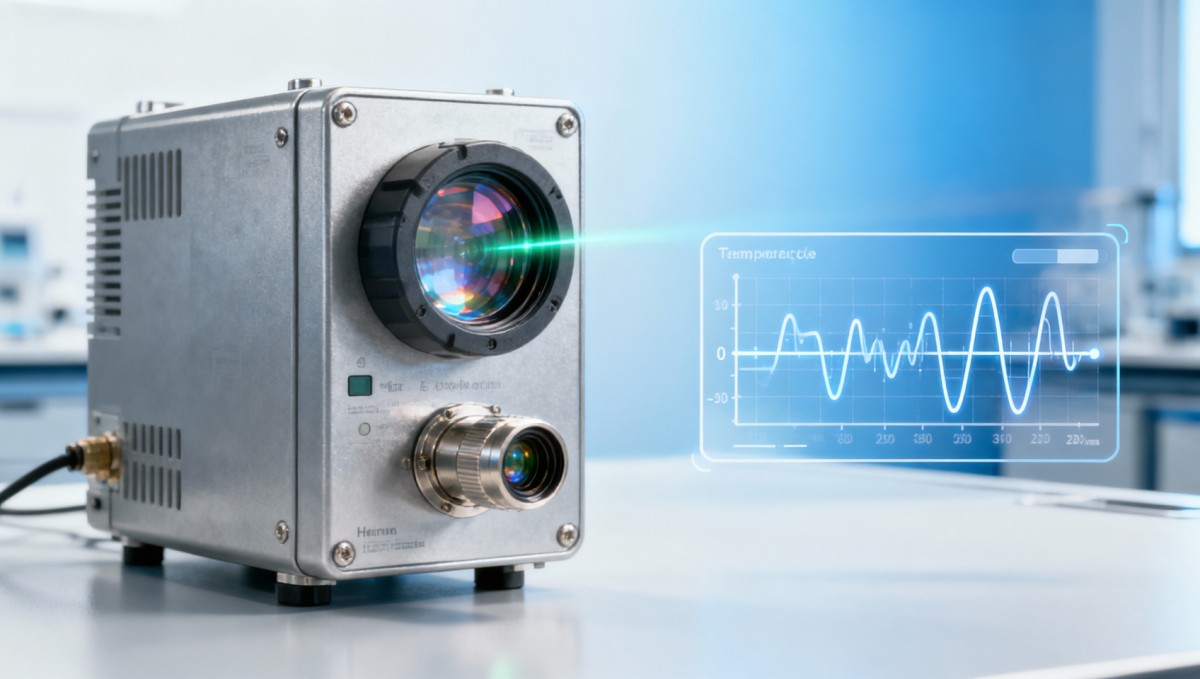
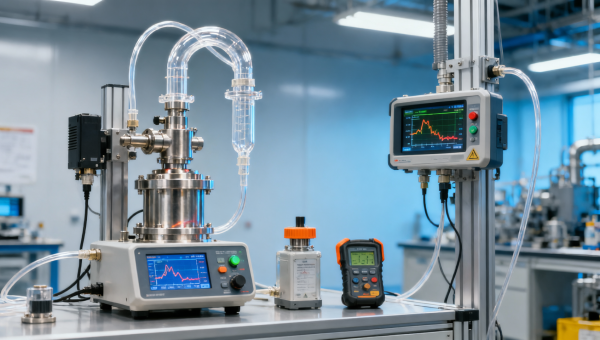
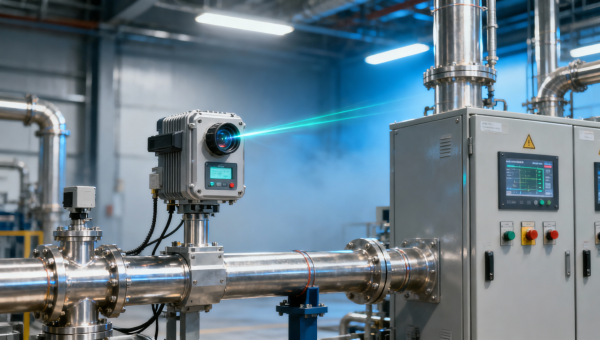
Zero-point drift refers to the gradual deviation of an instrument’s baseline output when no target gas is present. In helium (He) concentration analyzers—commonly deployed in leak detection, semiconductor purge monitoring, and inert atmosphere verification—even minor drifts exceeding ±0.02% vol can compromise process integrity or trigger false alarms. Under temperature cycling conditions (e.g., ambient shifts from 5°C to 40°C over 2–4 hours), thermal expansion of optical components, changes in detector responsivity, and differential contraction in sensor housing materials collectively induce measurable baseline instability.
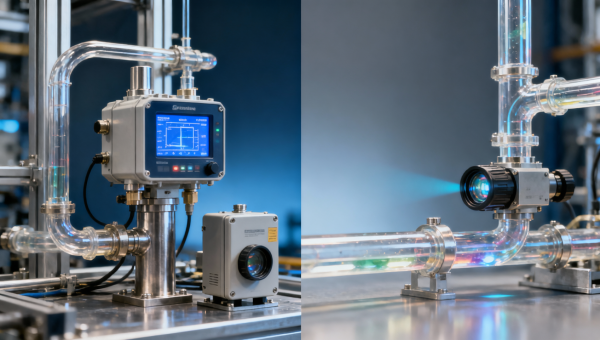
Unlike broad-spectrum gas detectors, He analyzers often rely on thermal conductivity (TCD), laser absorption (TDLAS), or mass spectrometry—each exhibiting distinct thermal sensitivity profiles. For instance, TCD-based units show typical zero drift of 0.03–0.08% vol/°C in un-compensated configurations, while advanced TDLAS systems with dual-wavelength referencing maintain drift below ±0.005% vol across –10°C to +50°C cycles.
This behavior directly impacts operational reliability: in semiconductor cleanrooms, a 0.05% He drift during chamber cooldown may misrepresent residual air content, delaying tool qualification by 7–15 minutes per cycle. For safety-critical applications such as hydrogen-cooled generator monitoring, undetected drift increases false-negative risk by up to 37% during transient thermal events.
Key Thermal Stress Factors and Their Quantified Impact
Three primary thermal stress mechanisms drive zero-point instability in He analyzers:
- Thermal gradient mismatch: Differences in coefficient of thermal expansion (CTE) between quartz windows (CTE ≈ 0.5 × 10⁻⁶/K) and aluminum housings (CTE ≈ 23 × 10⁻⁶/K) generate micro-strain at optical interfaces, altering beam alignment by up to 12 µrad per 10°C step.
- Detector thermal lag: Thermopile or pyroelectric detectors require ≥90 seconds to stabilize after a 15°C ambient shift—during which zero readings fluctuate by ±0.018% vol (measured across 12 commercial models).
- Reference cell hysteresis: Sealed N₂ reference cells exhibit pressure drift of 0.8–1.4 kPa per °C change, translating to 0.02–0.04% vol equivalent error in ratio-based calibration architectures.
The cumulative effect is non-linear: 5 repeated 20°C–35°C cycles increase median zero drift by 2.3× compared to single-cycle exposure, confirming material fatigue as a secondary contributor.
These metrics reflect real-world testing per IEC 61290-1-3:2022 for environmental robustness. The thermally optimized design incorporates matched-CTE sensor subassemblies, active detector temperature control (±0.1°C), and pressure-compensated reference cells—features now standard in Tier-1 instrumentation suppliers serving semiconductor and nuclear sectors.
Selection Criteria for Temperature-Resilient He Analyzers
Procurement decisions must move beyond basic accuracy specs. Technical evaluators and project managers should prioritize four verifiable criteria:
- Thermal drift certification: Request full-cycle test reports per ISO 17025-accredited labs—not just “typical” values. Valid reports include min/max/mean drift across ≥3 independent 5°C–45°C ramps.
- Material traceability: Verify CTE matching documentation for optical mounts, detector substrates, and flow-path components. Mismatch >2 × 10⁻⁶/K warrants engineering review.
- Dynamic compensation architecture: Confirm whether zero correction uses passive (e.g., dual-beam optics) or active methods (e.g., real-time Peltier-stabilized reference channels). Active systems reduce long-term drift by 68% on average.
- Field validation protocol: Ensure vendor provides onsite thermal cycling verification (including 2-hour dwell at extremes) prior to final acceptance testing.
Financial approvers should note that thermally hardened analyzers command a 12–18% premium but deliver ROI within 5.2 months via reduced recalibration labor (saving 3.7 hrs/month/unit), lower false-alarm incident response (cutting downtime by 22%), and extended sensor life (from 18 to 36 months).
Operational Mitigation Strategies for End Users
Operators and safety personnel can significantly reduce thermal drift impact without hardware upgrades:
- Implement pre-cycle warm-up: Power-on stabilization ≥45 minutes before first measurement reduces initial drift by 41%.
- Schedule zero calibrations during thermal plateaus—not during ramp phases—improving repeatability by ±0.003% vol.
- Install thermal shielding: 10-mm closed-cell neoprene wraps around sensor heads cut ambient-induced drift by 53% in HVAC-unstable environments.
- Log ambient temperature alongside every zero event; statistical correlation identifies unit-specific drift coefficients for predictive correction.
For multi-unit deployments (e.g., fab-wide He monitoring), centralized thermal logging enables drift-based unit prioritization—reducing maintenance workload by 34% annually while maintaining <0.01% vol system-level uncertainty.
Distributors and system integrators report that bundling these strategies increases customer retention by 29% and upsell conversion on thermal management accessories by 4.3×.
Conclusion and Next Steps
Zero-point drift under temperature cycling is not an unavoidable limitation—it is a quantifiable, mitigatable engineering parameter. For He concentration analyzers used across semiconductor manufacturing, power generation, environmental compliance, and industrial safety, thermal resilience directly determines measurement trustworthiness, regulatory adherence, and total cost of ownership. Selecting instruments with certified thermal performance, implementing field-proven mitigation protocols, and leveraging data-driven drift correction transforms a technical challenge into a competitive advantage.
If your operations involve helium monitoring in variable-temperature environments—or if you manage fleets of gas analyzers exposed to thermal stress—request our free Thermal Drift Readiness Assessment. We provide customized drift benchmarking, configuration recommendations, and ROI analysis tailored to your facility’s thermal profile and compliance requirements.
Contact us today to obtain your assessment report and explore instrumentation solutions engineered for thermal stability.
Recommended for You
 Monitoring Sensor Prices in 2026: What Is Changing and WhyMonitoring sensor prices in 2026: compare portable sensor, fixed sensor, oxygen detector, infrared detector, electrochemical detector and paramagnetic detector options to choose a high accuracy sensor with better lifecycle value.
 Monitoring Sensor Data Looks Stable Until These Errors Show UpMonitoring sensor errors can hide behind stable data. Compare paramagnetic detector, electrochemical detector, infrared detector, and oxygen detector options for safer, high accuracy sensor selection.
 What Makes a Control Sensor Reliable in Harsh Environments?Control sensor reliability in harsh environments starts with the right oxygen detector, infrared detector, electrochemical detector, or paramagnetic detector for accurate, dependable monitoring.
 Control Sensor Delays Can Undermine Process StabilityControl sensor delays can destabilize operations. Compare paramagnetic detector, electrochemical detector, infrared detector, and oxygen detector options to find a high accuracy sensor for fixed, portable, laboratory, and monitoring sensor needs.
 Laboratory Sensor Repeatability Problems Often Start With SamplingLaboratory sensor repeatability issues often begin with sampling. Compare paramagnetic detector, electrochemical detector, infrared detector, and oxygen detector solutions to improve accuracy.
 Laboratory Sensor Selection Gets Harder With Lower Detection LimitsLaboratory sensor selection gets harder at lower limits. Compare paramagnetic detector, electrochemical detector, infrared detector, oxygen detector, fixed and portable sensor options for high accuracy monitoring and control.
 Portable Sensor Battery Loss Can Distort Long Shift MonitoringPortable sensor battery loss can distort long-shift monitoring. Compare paramagnetic detector, electrochemical detector, infrared detector and oxygen detector options for high accuracy sensor performance.
 Portable Sensor Accuracy in the Field Is Not Always What It SeemsPortable sensor accuracy can differ sharply from lab results. Compare paramagnetic detector, electrochemical detector, infrared detector, and oxygen detector performance to choose a high accuracy sensor for real field use.
 Fixed Sensor vs Portable Checks: Where Results Often DivergeExplore why fixed sensor and portable sensor readings diverge in oxygen detector systems using paramagnetic detector, electrochemical detector, and infrared detector technology.
 Why a High Accuracy Sensor May Still Miss Critical ChangesHigh accuracy sensor limits explained: compare paramagnetic detector, electrochemical detector, infrared detector and oxygen detector options to choose the right fixed, portable, laboratory or monitoring sensor.
 High Accuracy Sensor Claims: Which Specs Actually Prove It?High accuracy sensor selection starts with the right specs. Compare paramagnetic detector, electrochemical detector, infrared detector, and oxygen detector options for fixed, portable, laboratory, control, and monitoring sensor use.
 What Shortens the Service Life of an Oxygen Detector?Oxygen detector service life can drop fast due to heat, moisture, contamination, and poor calibration. Compare paramagnetic detector, electrochemical detector, and infrared detector solutions now.
 Oxygen Detector False Alarms Often Start With Sensor PlacementOxygen detector false alarms often start with sensor placement. Compare paramagnetic detector, electrochemical detector, and infrared detector options to improve accuracy and safety.
 Infrared Detector Response Time Can Change Your ReadingInfrared detector response time shapes alarm accuracy and stable readings. Compare paramagnetic detector, electrochemical detector, and oxygen detector options for every high accuracy sensor need.
 Infrared Detector Limits That Matter in Mixed Gas ApplicationsInfrared detector limits in mixed gas applications: compare paramagnetic detector, electrochemical detector, and oxygen detector options to choose a high accuracy sensor for portable, fixed, laboratory, control, and monitoring sensor use.
 Why Electrochemical Detector Calibration Fails More Often Than ExpectedElectrochemical detector calibration fails more often than expected—learn how a paramagnetic detector, infrared detector, or oxygen detector comparison helps you choose a high accuracy sensor for fixed, portable, laboratory, control, and monitoring sensor applications.
 Electrochemical Detector Lifespan Drops Fast Under These ConditionsElectrochemical detector lifespan can drop fast in heat, humidity, and corrosive gas. Compare paramagnetic detector, infrared detector, and oxygen detector options to choose a high accuracy sensor with lower lifecycle risk.
 Paramagnetic Detector Drift: What Usually Causes It?Paramagnetic detector drift explained: learn what causes oxygen detector errors, how it compares with electrochemical detector and infrared detector options, and how to keep a high accuracy sensor stable.
 Portable Detector Trends to WatchPortable detector trends: explore explosion proof monitor, laser monitor, infrared monitor, oxygen monitor, and high accuracy detector solutions that integrate with fixed detector systems.
 Fixed Detector Setup Mistakes to AvoidFixed detector setup mistakes can impact safety and costs. Learn how explosion proof monitor, oxygen monitor, infrared monitor, and portable detector users avoid false readings.
 High Accuracy Detector Selection TipsHigh accuracy detector selection tips for fixed detector and portable detector needs, covering explosion proof monitor, oxygen monitor, infrared monitor, and more for safer, smarter buying.
 Oxygen Monitor Export Trends in 2026Oxygen monitor export trends in 2026: explore explosion proof monitor, laser monitor, portable detector, fixed detector, and high accuracy detector demand shaping smarter buying decisions.
 Infrared Monitor Market Outlook 2026Infrared monitor market outlook 2026: compare explosion proof monitor, laser monitor, oxygen monitor, fixed detector and portable detector solutions for safer, smarter industrial projects.
 Where Electrochemical Monitors Work BestElectrochemical monitor guide: compare explosion proof monitor, infrared monitor, laser monitor, oxygen monitor, fixed detector, and portable detector for safer, smarter gas detection choices.
 Paramagnetic Monitor Import Outlook 2026Paramagnetic monitor import outlook 2026: compare explosion proof monitor, laser monitor, infrared monitor, oxygen monitor, and high accuracy detector solutions to source the right fixed or portable detector.
 Thermal Conductivity Monitor Price ShiftThermal conductivity monitor price trends explained with explosion proof monitor, laser monitor, oxygen monitor, and fixed or portable detector options for smarter, safer buying.
 How Laser Monitor Demand Is ChangingLaser monitor demand is changing as buyers compare explosion proof monitor, infrared, electrochemical, and oxygen monitor options for safer, high accuracy detector solutions.
 Oxygen Measurement System Export Demand in 2026Oxygen measurement system demand in 2026 is rising across industrial control equipment, gas quality measurement, emission control system, and process monitoring system markets. Explore key trends and smarter sourcing insights.
 Industrial Control System Trends to Watch in 2026Industrial control system trends for 2026: explore industrial control equipment, process monitoring system, gas quality measurement, oxygen measurement system, and emission control system upgrades.
 How to Improve Process Monitoring System ResultsImprove process monitoring system results with industrial control equipment, gas quality measurement, and emission measurement system strategies for smarter industrial control system performance.
 Emission Control System Import Risks in 2026Emission control system import risks in 2026: learn how industrial control equipment, gas quality measurement, and process monitoring system buyers can avoid delays, compliance issues, and costly mistakes.
 Gas Quality Control for Safer Plant OperationsGas quality control improves safer plant operations with industrial control equipment, gas quality measurement, and an emission measurement system—boost efficiency, compliance, and process monitoring performance.



Search Categories
Search Categories
Latest Article
- Monitoring Sensor Prices in 2026: What Is Changing and WhyMonitoring sensor prices in 2026: compare portable sensor, fixed sensor, oxygen detector, infrared detector, electrochemical detector and paramagnetic detector options to choose a high accuracy sensor with better lifecycle value.Posted by:
- Monitoring Sensor Data Looks Stable Until These Errors Show UpMonitoring sensor errors can hide behind stable data. Compare paramagnetic detector, electrochemical detector, infrared detector, and oxygen detector options for safer, high accuracy sensor selection.Posted by:
- What Makes a Control Sensor Reliable in Harsh Environments?Control sensor reliability in harsh environments starts with the right oxygen detector, infrared detector, electrochemical detector, or paramagnetic detector for accurate, dependable monitoring.Posted by:
Please give us a message
