How to Choose an Oxygen Sensor That Lasts


Choosing an oxygen sensor that lasts is not just about buying a component with a long stated service life. In real industrial use, durability depends on whether the sensor matches the process conditions, measurement method, maintenance capability, and total cost expectations of your operation. For buyers, engineers, and decision-makers, the best choice is usually the sensor that stays accurate in your actual environment, resists contamination, reduces replacement frequency, and supports stable oxygen analysis over time. This is especially important in combustion analysis, environmental analysis, safety analysis, air monitoring, air analysis, and stack metrology, where unreliable readings can affect compliance, process efficiency, and safety.
What actually makes an oxygen sensor last longer in industrial use?
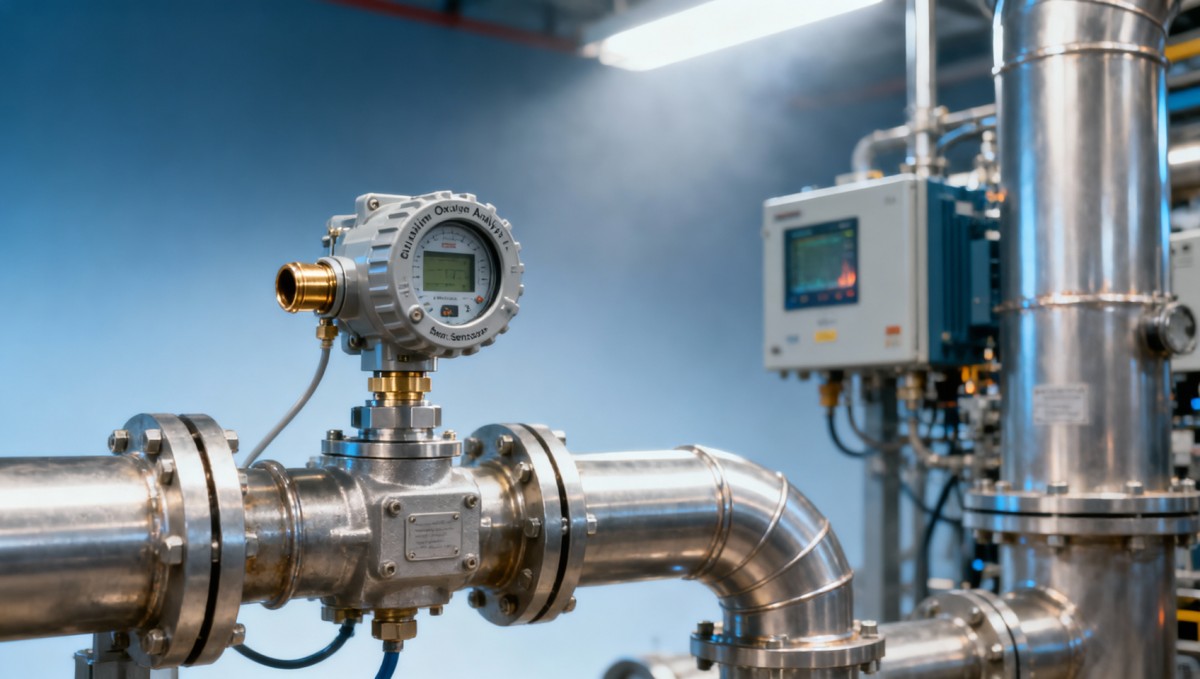
The core search intent behind this topic is practical: readers want to know how to identify an oxygen sensor that will remain reliable, accurate, and cost-effective over time, not just one that looks good on a datasheet. They are usually comparing options for industrial analyzers, online monitoring systems, combustion control equipment, or environmental instruments, and they want to reduce risk before purchase.
In most cases, oxygen sensor lifespan is shaped by six factors:
- Sensor technology fit: zirconia, electrochemical, paramagnetic, or other technologies perform differently depending on temperature, gas composition, and application type.
- Operating environment: dust, sulfur compounds, moisture, corrosive gases, vibration, and temperature cycling can all shorten service life.
- Process conditions: flue gas analysis, air separation, combustion optimization, and safety monitoring each create different stress on the sensor.
- Calibration stability: a sensor that drifts quickly may still function, but it does not truly “last” in a useful sense.
- Protection and installation design: filters, sample conditioning, probe design, and mounting location directly affect durability.
- Maintenance and support: even a high-quality sensor can fail early if maintenance intervals, consumables, and diagnostics are poorly managed.
So, when evaluating durability, the right question is not simply “How many years will it last?” but “How long will it stay accurate and economical in my process?”
Which oxygen sensor type is best for long-term performance?
Different oxygen sensing technologies offer different strengths. Selecting the wrong type is one of the most common reasons for premature failure or disappointing performance.
Zirconia oxygen sensors are widely used in high-temperature combustion analysis and flue gas monitoring. They are often preferred for industrial furnaces, boilers, kilns, and stack applications because they perform well in hot process environments and can support continuous oxygen analysis. When properly matched to the application, zirconia sensors can offer strong durability and fast response. However, they may suffer if exposed to contaminants, thermal shock, or process conditions outside their design range.
Electrochemical oxygen sensors are common in portable instruments, safety systems, and lower-temperature gas monitoring. They can be cost-effective and sensitive, but their service life is often more limited than zirconia in demanding continuous industrial duty. They are also more sensitive to environmental conditions and cross-interference in some applications.
Paramagnetic oxygen analyzers are valued for high accuracy and stability in clean gas analysis. In the right conditions, they can support long service intervals, but they may require more controlled sampling systems and are not always the best fit for dirty or particulate-heavy process streams unless well protected.
For buyers and technical evaluators, the decision should be based on the real measurement environment rather than the general popularity of a sensor type. A sensor that is technically advanced but poorly suited to the process will rarely deliver the longest useful life.
What process conditions should you check before buying?
If your goal is to choose an oxygen sensor that lasts, process review matters more than marketing claims. Before selection, assess these conditions carefully:
- Gas temperature: Is the sensor exposed directly to high heat, rapid temperature variation, or startup and shutdown cycling?
- Moisture content: Condensation can damage some sensors or distort readings if sample handling is poor.
- Dust and particulates: Dirty gas streams can clog filters, coat sensing surfaces, and increase maintenance frequency.
- Corrosive components: Sulfur, chlorine, solvents, and acidic gases can shorten life dramatically if materials are not compatible.
- Pressure and flow stability: Measurement reliability often depends on consistent operating conditions.
- Required oxygen range: Trace oxygen measurement and percent-level oxygen measurement may call for very different solutions.
- Response time needs: Fast process control may require a different design from compliance reporting or periodic analysis.
For combustion analysis and stack metrology, it is especially important to review the full flue gas profile, not only oxygen concentration. Contaminants and thermal conditions often cause more durability problems than oxygen itself.
How can buyers judge durability beyond the datasheet?
Many purchasing mistakes happen because teams rely too heavily on catalog specifications. Datasheets are useful, but they rarely show the full picture of long-term field performance.
To judge whether an oxygen sensor will actually last, ask suppliers these questions:
- What is the expected service life in applications similar to mine?
- What are the main failure modes in continuous operation?
- How often does calibration drift occur under real plant conditions?
- What contaminants is the sensor known to tolerate poorly?
- What sample conditioning or protection accessories are required?
- How easy is replacement, calibration, and maintenance?
- Are spare parts and technical support locally available?
- What is the total cost of ownership over one, three, or five years?
For procurement teams and business evaluators, durability should be measured in operational impact: fewer shutdowns, fewer emergency replacements, lower maintenance labor, lower calibration gas use, and more stable analyzer performance. This is often a better business metric than unit purchase price alone.
Why installation and system design matter as much as sensor quality
Even a durable oxygen sensor can fail early if the surrounding system is poorly designed. In many industrial applications, the sensor is only one part of a larger measurement chain that includes probes, filters, tubing, pumps, sample conditioning, analyzer housing, and control logic.
Common system issues that shorten sensor life include:
- Installing the sensor where particulate loading is highest
- Allowing condensation to reach the sensing element
- Using incompatible wetted materials
- Ignoring vibration or mechanical stress
- Placing sensors in areas with difficult maintenance access, leading to neglected servicing
- Using insufficient filtration in dirty gas streams
For project managers and engineering teams, this means the best long-life decision may involve a better probe design, improved sample pretreatment, or a more suitable mounting location rather than simply changing sensor brands. In many cases, extending sensor life is a system optimization issue.
How to evaluate cost versus lifespan for purchasing and approval
Financial approvers and enterprise decision-makers usually need a clear business case. A longer-lasting oxygen sensor is valuable when it lowers total lifecycle cost and reduces operational risk.
Key cost factors include:
- Initial purchase price
- Expected replacement interval
- Maintenance labor requirements
- Calibration frequency and gas consumption
- Downtime costs from sensor failure
- Impact on product quality, combustion efficiency, emissions, or safety compliance
For example, a sensor that costs more upfront may still be the better choice if it offers longer calibration stability, fewer unplanned replacements, and better reliability in harsh flue gas monitoring. In regulated industries or safety-critical applications, the cost of one poor reading can exceed the savings from buying a cheaper component.
That is why many organizations now assess oxygen sensors using total cost of ownership rather than purchase price alone.
What selection criteria matter most in combustion, environmental, and safety applications?
Because the business scope includes measurement, testing, monitoring, analysis, and control across many sectors, application-specific selection is essential.
For combustion analysis: prioritize high-temperature capability, resistance to flue gas contamination, response speed, and stable long-term operation under thermal cycling. Sensor durability directly affects burner optimization, fuel efficiency, and emission control.
For environmental analysis and stack metrology: focus on measurement stability, compliance suitability, drift performance, and compatibility with harsh sampling conditions. Long sensor life matters because frequent replacement can disrupt reporting continuity and maintenance planning.
For safety analysis and air monitoring: prioritize reliability, predictable maintenance intervals, alarm confidence, and failure diagnostics. In these settings, a sensor that lasts is not only a maintenance advantage but also a risk management requirement.
For laboratory and controlled analysis: accuracy, calibration repeatability, and clean gas compatibility may matter more than extreme environmental ruggedness.
The right oxygen sensor should therefore be selected by application risk, not by generic specification ranking.
Practical checklist: how to choose an oxygen sensor that lasts
Before making a final decision, use this shortlist:
- Define the exact application: combustion, emissions, safety, laboratory, or process control.
- Confirm gas composition, temperature, moisture, particulates, and corrosive components.
- Choose the sensor technology that matches the measurement environment.
- Review expected drift, calibration interval, and maintenance needs.
- Check protection methods such as filters, probes, and sample conditioning systems.
- Ask for field references in similar industries and operating conditions.
- Compare lifecycle cost, not just procurement price.
- Evaluate support capability, spare parts availability, and replacement lead time.
- Consider how sensor failure would affect compliance, safety, and production continuity.
- Standardize selection criteria across technical, purchasing, and management teams.
This approach helps users, evaluators, and decision-makers choose a sensor that delivers durable performance in real operation rather than only in theory.
Conclusion
If you want to choose an oxygen sensor that lasts, focus on application fit, environmental resistance, calibration stability, installation quality, and total cost of ownership. The most durable solution is the one designed for your actual process conditions and supported by a well-matched measurement system. For industrial manufacturing, energy and power, environmental monitoring, and automation control, this decision can improve analyzer reliability, reduce downtime, support compliance, and protect long-term investment. A good oxygen sensor should do more than measure oxygen accurately on day one. It should keep doing so consistently, economically, and safely over the full life of your operation.
Recommended for You
 How to Choose an Oxygen Sensor That LastsOxygen sensor selection made practical: learn how to choose a durable sensor for oxygen analysis, combustion analysis, environmental analysis, safety analysis, and air monitoring.
 Monitoring Sensor Prices in 2026: What Is Changing and WhyMonitoring sensor prices in 2026: compare portable sensor, fixed sensor, oxygen detector, infrared detector, electrochemical detector and paramagnetic detector options to choose a high accuracy sensor with better lifecycle value.
 Monitoring Sensor Data Looks Stable Until These Errors Show UpMonitoring sensor errors can hide behind stable data. Compare paramagnetic detector, electrochemical detector, infrared detector, and oxygen detector options for safer, high accuracy sensor selection.
 What Makes a Control Sensor Reliable in Harsh Environments?Control sensor reliability in harsh environments starts with the right oxygen detector, infrared detector, electrochemical detector, or paramagnetic detector for accurate, dependable monitoring.
 Control Sensor Delays Can Undermine Process StabilityControl sensor delays can destabilize operations. Compare paramagnetic detector, electrochemical detector, infrared detector, and oxygen detector options to find a high accuracy sensor for fixed, portable, laboratory, and monitoring sensor needs.
 Laboratory Sensor Repeatability Problems Often Start With SamplingLaboratory sensor repeatability issues often begin with sampling. Compare paramagnetic detector, electrochemical detector, infrared detector, and oxygen detector solutions to improve accuracy.
 Laboratory Sensor Selection Gets Harder With Lower Detection LimitsLaboratory sensor selection gets harder at lower limits. Compare paramagnetic detector, electrochemical detector, infrared detector, oxygen detector, fixed and portable sensor options for high accuracy monitoring and control.
 Portable Sensor Battery Loss Can Distort Long Shift MonitoringPortable sensor battery loss can distort long-shift monitoring. Compare paramagnetic detector, electrochemical detector, infrared detector and oxygen detector options for high accuracy sensor performance.
 Portable Sensor Accuracy in the Field Is Not Always What It SeemsPortable sensor accuracy can differ sharply from lab results. Compare paramagnetic detector, electrochemical detector, infrared detector, and oxygen detector performance to choose a high accuracy sensor for real field use.
 Fixed Sensor vs Portable Checks: Where Results Often DivergeExplore why fixed sensor and portable sensor readings diverge in oxygen detector systems using paramagnetic detector, electrochemical detector, and infrared detector technology.
 Fixed Sensor Installation Mistakes That Lead to Unstable DataFixed sensor installation mistakes can destabilize data from paramagnetic detector, electrochemical detector, infrared detector, and oxygen detector systems. Learn how high accuracy sensor setup improves monitoring sensor and control sensor performance.
 Why a High Accuracy Sensor May Still Miss Critical ChangesHigh accuracy sensor limits explained: compare paramagnetic detector, electrochemical detector, infrared detector and oxygen detector options to choose the right fixed, portable, laboratory or monitoring sensor.
 High Accuracy Sensor Claims: Which Specs Actually Prove It?High accuracy sensor selection starts with the right specs. Compare paramagnetic detector, electrochemical detector, infrared detector, and oxygen detector options for fixed, portable, laboratory, control, and monitoring sensor use.
 What Shortens the Service Life of an Oxygen Detector?Oxygen detector service life can drop fast due to heat, moisture, contamination, and poor calibration. Compare paramagnetic detector, electrochemical detector, and infrared detector solutions now.
 Oxygen Detector False Alarms Often Start With Sensor PlacementOxygen detector false alarms often start with sensor placement. Compare paramagnetic detector, electrochemical detector, and infrared detector options to improve accuracy and safety.
 Infrared Detector Response Time Can Change Your ReadingInfrared detector response time shapes alarm accuracy and stable readings. Compare paramagnetic detector, electrochemical detector, and oxygen detector options for every high accuracy sensor need.
 Infrared Detector Limits That Matter in Mixed Gas ApplicationsInfrared detector limits in mixed gas applications: compare paramagnetic detector, electrochemical detector, and oxygen detector options to choose a high accuracy sensor for portable, fixed, laboratory, control, and monitoring sensor use.
 Why Electrochemical Detector Calibration Fails More Often Than ExpectedElectrochemical detector calibration fails more often than expected—learn how a paramagnetic detector, infrared detector, or oxygen detector comparison helps you choose a high accuracy sensor for fixed, portable, laboratory, control, and monitoring sensor applications.
 Electrochemical Detector Lifespan Drops Fast Under These ConditionsElectrochemical detector lifespan can drop fast in heat, humidity, and corrosive gas. Compare paramagnetic detector, infrared detector, and oxygen detector options to choose a high accuracy sensor with lower lifecycle risk.
 Paramagnetic Detector Drift: What Usually Causes It?Paramagnetic detector drift explained: learn what causes oxygen detector errors, how it compares with electrochemical detector and infrared detector options, and how to keep a high accuracy sensor stable.
 When Does a Paramagnetic Detector Outperform Other O2 Methods?Paramagnetic detector vs electrochemical detector and infrared detector: learn when this oxygen detector delivers high accuracy sensor performance for fixed, portable, laboratory, control, and monitoring sensor applications.
 Portable Detector Trends to WatchPortable detector trends: explore explosion proof monitor, laser monitor, infrared monitor, oxygen monitor, and high accuracy detector solutions that integrate with fixed detector systems.
 Fixed Detector Setup Mistakes to AvoidFixed detector setup mistakes can impact safety and costs. Learn how explosion proof monitor, oxygen monitor, infrared monitor, and portable detector users avoid false readings.
 High Accuracy Detector Selection TipsHigh accuracy detector selection tips for fixed detector and portable detector needs, covering explosion proof monitor, oxygen monitor, infrared monitor, and more for safer, smarter buying.
 Oxygen Monitor Export Trends in 2026Oxygen monitor export trends in 2026: explore explosion proof monitor, laser monitor, portable detector, fixed detector, and high accuracy detector demand shaping smarter buying decisions.
 Infrared Monitor Market Outlook 2026Infrared monitor market outlook 2026: compare explosion proof monitor, laser monitor, oxygen monitor, fixed detector and portable detector solutions for safer, smarter industrial projects.
 Where Electrochemical Monitors Work BestElectrochemical monitor guide: compare explosion proof monitor, infrared monitor, laser monitor, oxygen monitor, fixed detector, and portable detector for safer, smarter gas detection choices.
 Paramagnetic Monitor Import Outlook 2026Paramagnetic monitor import outlook 2026: compare explosion proof monitor, laser monitor, infrared monitor, oxygen monitor, and high accuracy detector solutions to source the right fixed or portable detector.
 Thermal Conductivity Monitor Price ShiftThermal conductivity monitor price trends explained with explosion proof monitor, laser monitor, oxygen monitor, and fixed or portable detector options for smarter, safer buying.
 How Laser Monitor Demand Is ChangingLaser monitor demand is changing as buyers compare explosion proof monitor, infrared, electrochemical, and oxygen monitor options for safer, high accuracy detector solutions.
 Oxygen Measurement System Export Demand in 2026Oxygen measurement system demand in 2026 is rising across industrial control equipment, gas quality measurement, emission control system, and process monitoring system markets. Explore key trends and smarter sourcing insights.
 Industrial Control System Trends to Watch in 2026Industrial control system trends for 2026: explore industrial control equipment, process monitoring system, gas quality measurement, oxygen measurement system, and emission control system upgrades.
Search Categories
Search Categories
Latest Article
- How to Choose an Oxygen Sensor That LastsOxygen sensor selection made practical: learn how to choose a durable sensor for oxygen analysis, combustion analysis, environmental analysis, safety analysis, and air monitoring.Posted by:
- Monitoring Sensor Prices in 2026: What Is Changing and WhyMonitoring sensor prices in 2026: compare portable sensor, fixed sensor, oxygen detector, infrared detector, electrochemical detector and paramagnetic detector options to choose a high accuracy sensor with better lifecycle value.Posted by:
- Monitoring Sensor Data Looks Stable Until These Errors Show UpMonitoring sensor errors can hide behind stable data. Compare paramagnetic detector, electrochemical detector, infrared detector, and oxygen detector options for safer, high accuracy sensor selection.Posted by:
Please give us a message
