The Surprising Applications of Low Range Analyzers in Industrial Settings


The Critical Role of Low Range Analyzers in Industrial Safety
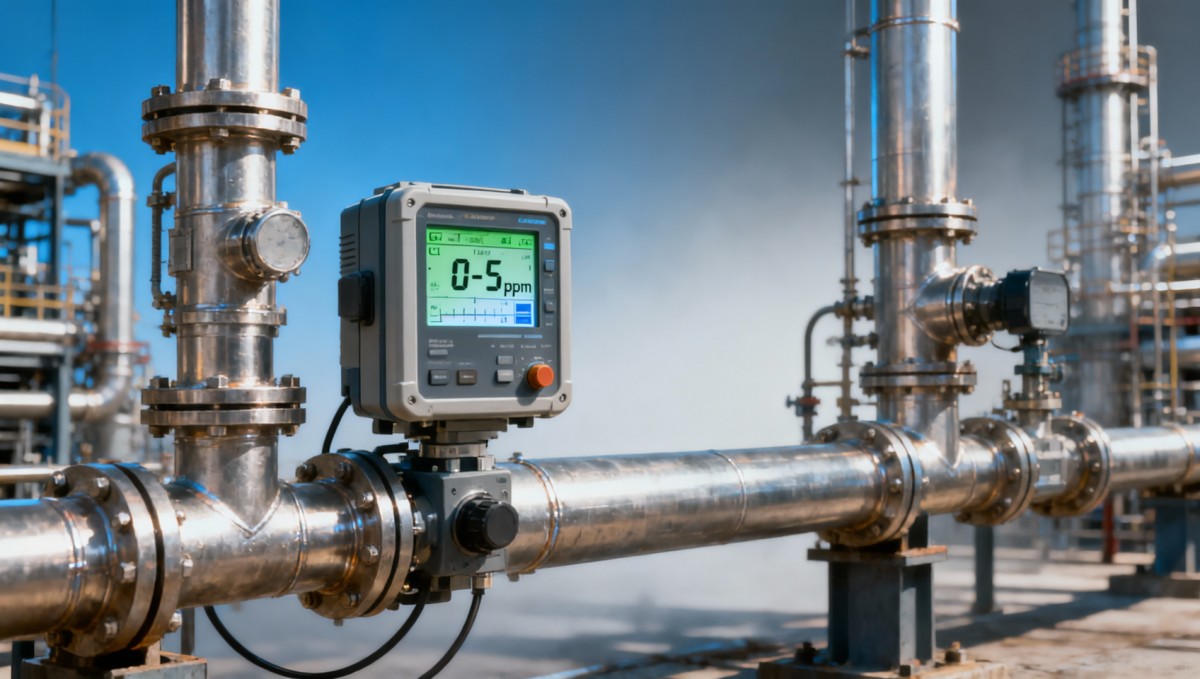
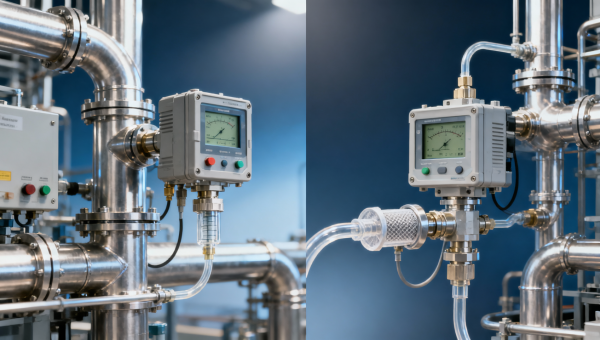
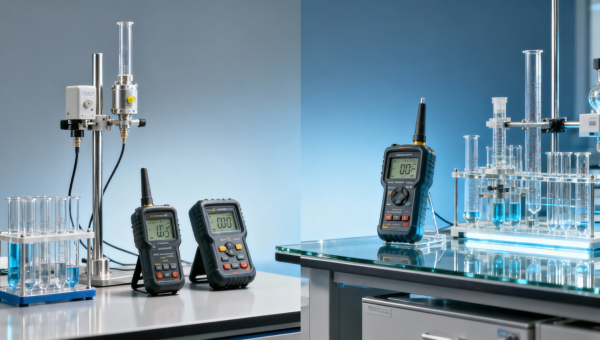
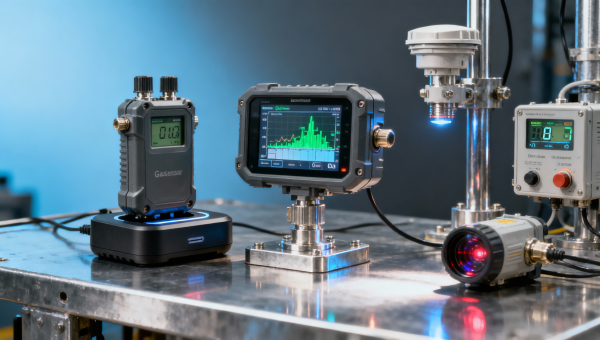
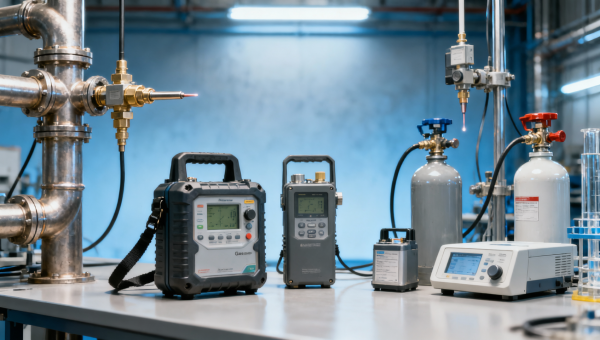
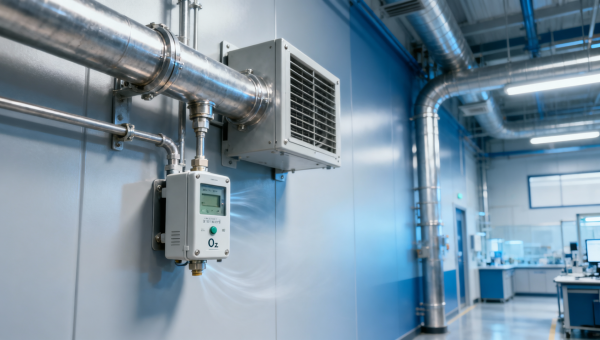
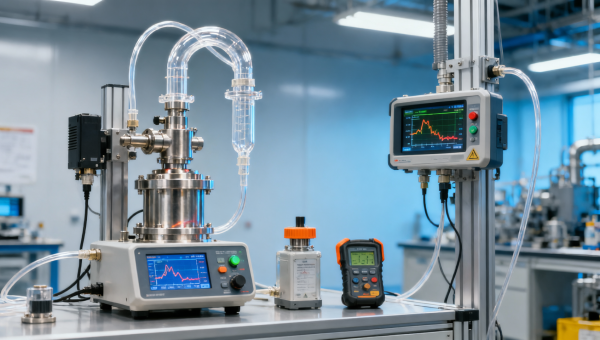
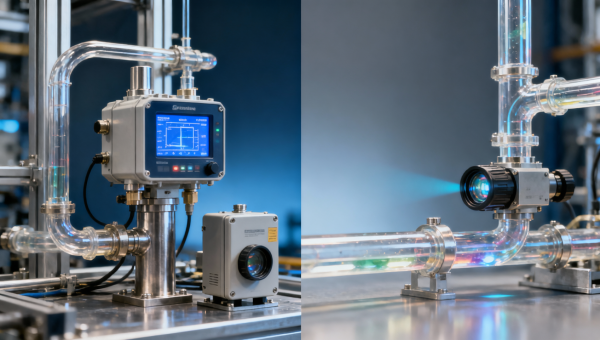
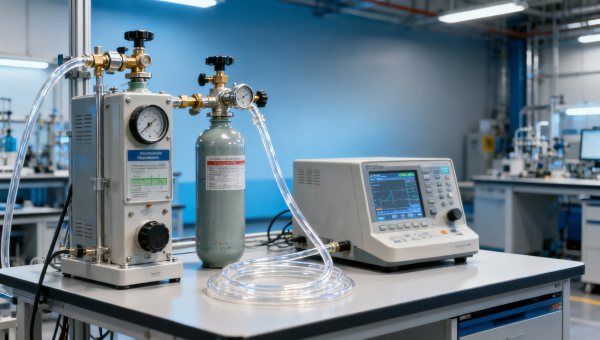
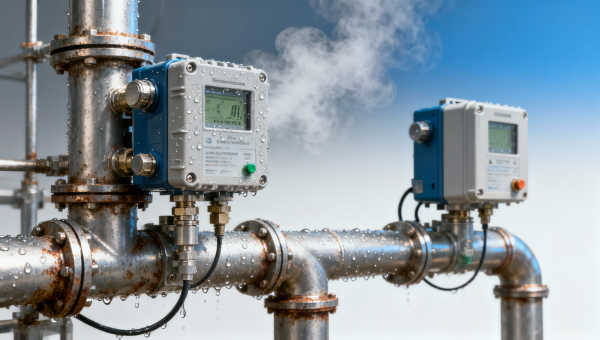
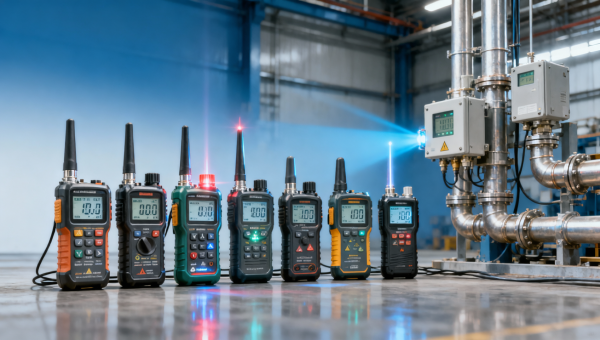
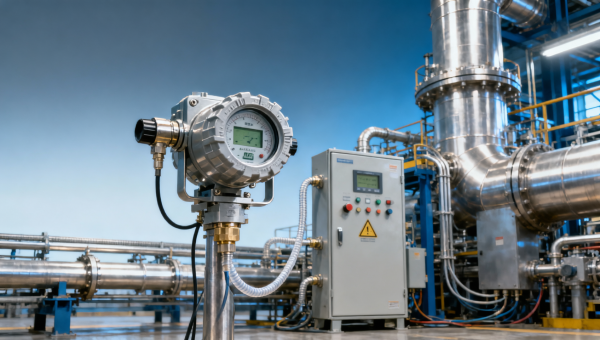
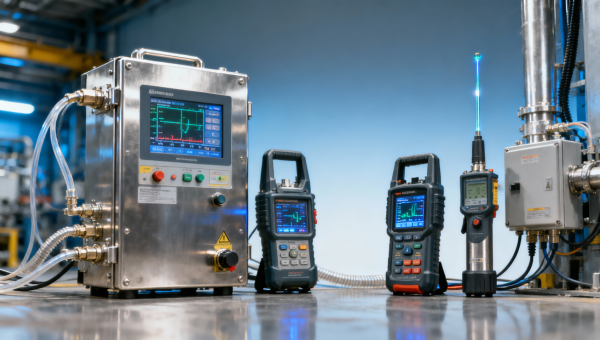
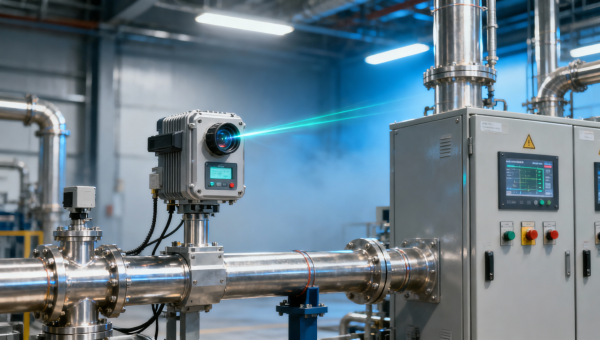
Low range gas analyzers have become indispensable tools across hazardous industrial environments, detecting trace concentrations from parts-per-million (ppm) to parts-per-billion (ppb). These precision instruments—including dual-gas analyzers, electrochemical sensors, and laser-based detectors—provide early warnings for toxic leaks, combustible gas buildup, and oxygen deficiency. Modern units now integrate IoT connectivity for real-time remote monitoring, meeting stringent safety standards like OSHA 29 CFR 1910.146 and IECEx/ATEX certifications.
Key Applications by Industry
The instrumentation industry deploys low range analyzers in these critical scenarios:
- Chemical Processing: Detects chlorine (0-5ppm) and ammonia (0-10ppm) leaks with ±0.1ppm accuracy
- Power Generation: Monisters hydrogen sulfide (H₂S) below 1ppm in turbine enclosures
- Pharmaceutical: Ensures cleanroom oxygen levels remain at 19.5-23.5% vol
- Wastewater: Tracks methane (0-100% LEL) and carbon dioxide (0-5% vol) in confined spaces
Recent advancements now allow simultaneous monitoring of up to 6 gases with cross-interference compensation, reducing false alarms by 60% compared to single-sensor units.
Technical Specifications for Decision Makers
When evaluating low range analyzers, technical buyers should prioritize these parameters:
For corrosive environments like sulfuric acid plants, specify analyzers with Hastelloy C-276 sensor housings and PTFE membranes, which extend sensor life by 3-5 years compared to stainless steel units.
Total Cost of Ownership Factors
- Sensor Replacement: Electrochemical sensors typically last 2-3 years ($200-$500 per sensor)
- Calibration Gas: Annual costs range $150-$800 depending on gas mixtures
- Downtime Impact: Unplanned outages can cost $5,000-$50,000/hour in continuous processes
Implementation Strategies for Project Managers
Successful deployment requires these 5-phase approach:
- Site Assessment: Identify 15-30 potential leak points per acre in refinery settings
- Zoning: Classify areas as Zone 0/1/2 per IEC 60079-10-1 standards
- Network Design: Position analyzers every 15-25 meters with 30° overlap in coverage
- Integration: Connect to DCS/SCADA via 4-20mA HART or Modbus TCP protocols
- Validation: Conduct bump tests quarterly and full calibration biannually
Common Pitfalls to Avoid
Over 40% of installations encounter these preventable issues:
- Placing diffusion-type analyzers in areas with airflow <0.1 m/s
- Using catalytic bead sensors for lead-contaminated environments
- Neglecting to account for temperature swings exceeding ±15°C
Future Trends in Gas Detection Technology
Emerging innovations are transforming the field:
- AI-Powered Predictive Maintenance: Reduces unplanned downtime by 35-50% through pattern recognition
- Quantum Cascade Lasers: Enable ppb-level detection of VOCs with 10-year lifespan
- Miniaturized MEMS Sensors: Cut device footprints by 60% while maintaining accuracy
Regulatory Outlook
Upcoming changes to NFPA 86 and ISO 13849-1 will require:
- Dual-channel analyzers for SIL 2 applications by 2025
- Cybersecurity certification for wireless units per IEC 62443
- Enhanced data logging with 5-year retention capabilities
Optimizing Your Gas Detection Strategy
For operators and safety managers, implementing a comprehensive gas monitoring system requires balancing detection accuracy, maintenance costs, and regulatory compliance. Modern low range analyzers now deliver unprecedented sensitivity with reduced operational burdens through smart diagnostics and remote calibration features.
Contact our instrumentation specialists today for a site-specific risk assessment and technology recommendation tailored to your facility's unique gas detection challenges. Our team can help you navigate the latest standards while optimizing your safety budget.
Recommended for You
 Monitoring Sensor Prices in 2026: What Is Changing and WhyMonitoring sensor prices in 2026: compare portable sensor, fixed sensor, oxygen detector, infrared detector, electrochemical detector and paramagnetic detector options to choose a high accuracy sensor with better lifecycle value.
 Monitoring Sensor Data Looks Stable Until These Errors Show UpMonitoring sensor errors can hide behind stable data. Compare paramagnetic detector, electrochemical detector, infrared detector, and oxygen detector options for safer, high accuracy sensor selection.
 What Makes a Control Sensor Reliable in Harsh Environments?Control sensor reliability in harsh environments starts with the right oxygen detector, infrared detector, electrochemical detector, or paramagnetic detector for accurate, dependable monitoring.
 Control Sensor Delays Can Undermine Process StabilityControl sensor delays can destabilize operations. Compare paramagnetic detector, electrochemical detector, infrared detector, and oxygen detector options to find a high accuracy sensor for fixed, portable, laboratory, and monitoring sensor needs.
 Laboratory Sensor Repeatability Problems Often Start With SamplingLaboratory sensor repeatability issues often begin with sampling. Compare paramagnetic detector, electrochemical detector, infrared detector, and oxygen detector solutions to improve accuracy.
 Laboratory Sensor Selection Gets Harder With Lower Detection LimitsLaboratory sensor selection gets harder at lower limits. Compare paramagnetic detector, electrochemical detector, infrared detector, oxygen detector, fixed and portable sensor options for high accuracy monitoring and control.
 Portable Sensor Battery Loss Can Distort Long Shift MonitoringPortable sensor battery loss can distort long-shift monitoring. Compare paramagnetic detector, electrochemical detector, infrared detector and oxygen detector options for high accuracy sensor performance.
 Portable Sensor Accuracy in the Field Is Not Always What It SeemsPortable sensor accuracy can differ sharply from lab results. Compare paramagnetic detector, electrochemical detector, infrared detector, and oxygen detector performance to choose a high accuracy sensor for real field use.
 Fixed Sensor vs Portable Checks: Where Results Often DivergeExplore why fixed sensor and portable sensor readings diverge in oxygen detector systems using paramagnetic detector, electrochemical detector, and infrared detector technology.
 Why a High Accuracy Sensor May Still Miss Critical ChangesHigh accuracy sensor limits explained: compare paramagnetic detector, electrochemical detector, infrared detector and oxygen detector options to choose the right fixed, portable, laboratory or monitoring sensor.
 High Accuracy Sensor Claims: Which Specs Actually Prove It?High accuracy sensor selection starts with the right specs. Compare paramagnetic detector, electrochemical detector, infrared detector, and oxygen detector options for fixed, portable, laboratory, control, and monitoring sensor use.
 What Shortens the Service Life of an Oxygen Detector?Oxygen detector service life can drop fast due to heat, moisture, contamination, and poor calibration. Compare paramagnetic detector, electrochemical detector, and infrared detector solutions now.
 Oxygen Detector False Alarms Often Start With Sensor PlacementOxygen detector false alarms often start with sensor placement. Compare paramagnetic detector, electrochemical detector, and infrared detector options to improve accuracy and safety.
 Infrared Detector Response Time Can Change Your ReadingInfrared detector response time shapes alarm accuracy and stable readings. Compare paramagnetic detector, electrochemical detector, and oxygen detector options for every high accuracy sensor need.
 Infrared Detector Limits That Matter in Mixed Gas ApplicationsInfrared detector limits in mixed gas applications: compare paramagnetic detector, electrochemical detector, and oxygen detector options to choose a high accuracy sensor for portable, fixed, laboratory, control, and monitoring sensor use.
 Why Electrochemical Detector Calibration Fails More Often Than ExpectedElectrochemical detector calibration fails more often than expected—learn how a paramagnetic detector, infrared detector, or oxygen detector comparison helps you choose a high accuracy sensor for fixed, portable, laboratory, control, and monitoring sensor applications.
 Electrochemical Detector Lifespan Drops Fast Under These ConditionsElectrochemical detector lifespan can drop fast in heat, humidity, and corrosive gas. Compare paramagnetic detector, infrared detector, and oxygen detector options to choose a high accuracy sensor with lower lifecycle risk.
 Paramagnetic Detector Drift: What Usually Causes It?Paramagnetic detector drift explained: learn what causes oxygen detector errors, how it compares with electrochemical detector and infrared detector options, and how to keep a high accuracy sensor stable.
 Portable Detector Trends to WatchPortable detector trends: explore explosion proof monitor, laser monitor, infrared monitor, oxygen monitor, and high accuracy detector solutions that integrate with fixed detector systems.
 Fixed Detector Setup Mistakes to AvoidFixed detector setup mistakes can impact safety and costs. Learn how explosion proof monitor, oxygen monitor, infrared monitor, and portable detector users avoid false readings.
 High Accuracy Detector Selection TipsHigh accuracy detector selection tips for fixed detector and portable detector needs, covering explosion proof monitor, oxygen monitor, infrared monitor, and more for safer, smarter buying.
 Oxygen Monitor Export Trends in 2026Oxygen monitor export trends in 2026: explore explosion proof monitor, laser monitor, portable detector, fixed detector, and high accuracy detector demand shaping smarter buying decisions.
 Infrared Monitor Market Outlook 2026Infrared monitor market outlook 2026: compare explosion proof monitor, laser monitor, oxygen monitor, fixed detector and portable detector solutions for safer, smarter industrial projects.
 Where Electrochemical Monitors Work BestElectrochemical monitor guide: compare explosion proof monitor, infrared monitor, laser monitor, oxygen monitor, fixed detector, and portable detector for safer, smarter gas detection choices.
 Paramagnetic Monitor Import Outlook 2026Paramagnetic monitor import outlook 2026: compare explosion proof monitor, laser monitor, infrared monitor, oxygen monitor, and high accuracy detector solutions to source the right fixed or portable detector.
 Thermal Conductivity Monitor Price ShiftThermal conductivity monitor price trends explained with explosion proof monitor, laser monitor, oxygen monitor, and fixed or portable detector options for smarter, safer buying.
 How Laser Monitor Demand Is ChangingLaser monitor demand is changing as buyers compare explosion proof monitor, infrared, electrochemical, and oxygen monitor options for safer, high accuracy detector solutions.
 Oxygen Measurement System Export Demand in 2026Oxygen measurement system demand in 2026 is rising across industrial control equipment, gas quality measurement, emission control system, and process monitoring system markets. Explore key trends and smarter sourcing insights.
 Industrial Control System Trends to Watch in 2026Industrial control system trends for 2026: explore industrial control equipment, process monitoring system, gas quality measurement, oxygen measurement system, and emission control system upgrades.
 How to Improve Process Monitoring System ResultsImprove process monitoring system results with industrial control equipment, gas quality measurement, and emission measurement system strategies for smarter industrial control system performance.
 Emission Control System Import Risks in 2026Emission control system import risks in 2026: learn how industrial control equipment, gas quality measurement, and process monitoring system buyers can avoid delays, compliance issues, and costly mistakes.
 Gas Quality Control for Safer Plant OperationsGas quality control improves safer plant operations with industrial control equipment, gas quality measurement, and an emission measurement system—boost efficiency, compliance, and process monitoring performance.

Search Categories
Search Categories
Latest Article
- Monitoring Sensor Prices in 2026: What Is Changing and WhyMonitoring sensor prices in 2026: compare portable sensor, fixed sensor, oxygen detector, infrared detector, electrochemical detector and paramagnetic detector options to choose a high accuracy sensor with better lifecycle value.Posted by:
- Monitoring Sensor Data Looks Stable Until These Errors Show UpMonitoring sensor errors can hide behind stable data. Compare paramagnetic detector, electrochemical detector, infrared detector, and oxygen detector options for safer, high accuracy sensor selection.Posted by:
- What Makes a Control Sensor Reliable in Harsh Environments?Control sensor reliability in harsh environments starts with the right oxygen detector, infrared detector, electrochemical detector, or paramagnetic detector for accurate, dependable monitoring.Posted by:
Please give us a message
