Thermal Conductivity Analyzer: Why Temperature Drift Is a Hidden Accuracy Killer


Temperature stability is often overlooked when evaluating a thermal conductivity analyzer, yet even minor temperature drift can quietly distort measurement accuracy. For professionals relying on reliable gas measurement—whether using an online gas analyzer, portable gas analyzer, or emission gas analyzer—understanding this subtle factor is vital. From the SR-2030P analyzer to the SR-2050 analyzer and custom gas analyzer solutions, mastering temperature control ensures dependable performance and consistent results across diverse industrial monitoring systems.
Understanding Thermal Conductivity Analyzer and Accuracy Challenges
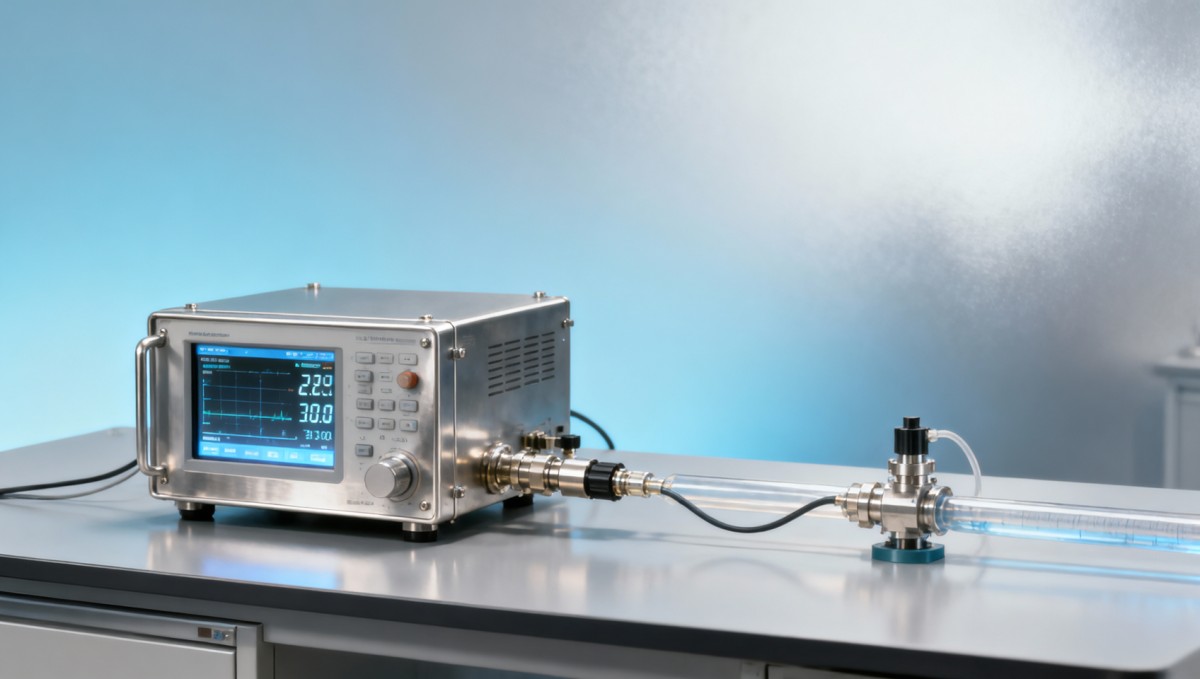
A thermal conductivity analyzer (TCA) measures the composition of gas mixtures by detecting differences in heat transfer through the sample. Its precision typically ranges within ±1% of the full-scale measurement under stable thermal conditions, often around 25°C ±2°C. When temperature drift exceeds this range, the sensor output may deviate by 0.5%–2%, depending on gas density and flow stability.
In industrial manufacturing, power generation, and environmental monitoring, even a deviation of ±0.5°C can translate to significant analytical errors. For instance, in emission monitoring systems operating continuously for over 1,000 hours per quarter, a minor sensor offset caused by slow temperature shift can lead to incorrect process adjustments or regulatory misreporting.
The construction and laboratory analysis sectors often implement TCAs alongside automated control loops. Here, thermal drift affects not only direct measurement but also secondary control logic such as flow regulation or feedback calibration. These interdependencies underscore why stable thermal design and effective temperature compensation circuits are indispensable.
Therefore, engineers and procurement teams need to consider temperature drift not as a minor background variable but as a key performance determinant—especially when working in environments fluctuating between 10°C and 45°C or where high-precision gas detection below ppm level is required.
How Temperature Drift Impacts Measurement Reliability
Temperature drift influences multiple factors in a thermal conductivity analyzer, including sensor stability, bridge circuit offset, and reference gas calibration. When the ambient temperature varies by more than 5°C, bridge-resistor imbalance can alter the output by up to 1 mV, equivalent to 0.8% of reading for certain sensor types.
In emission gas analyzers and process analyzers, thermal drift propagates through both hardware and software layers. For example, drift-induced sensitivity change may alter linearization parameters, and firmware corrections might require periodic recalibration every 3–6 months. Systems operating 24 hours a day under fluctuating environmental conditions are particularly vulnerable to this phenomenon.
To illustrate the relationship between temperature deviations and measurement error, the following comparative table summarizes three typical analyzer categories used across industrial scenarios.
From this comparison, it is clear that proper temperature management—whether via internal thermostats or ambient insulation—reduces the need for frequent recalibration, extending maintenance intervals from every 2 months to 6 months in certain installations. The incremental accuracy gains directly contribute to better quality control and cost savings.
Key Design and Control Strategies Against Temperature Drift
To maintain stable operation, engineers typically implement three layers of drift control: physical insulation, circuit compensation, and algorithmic correction. The combination of these layers allows modern analyzers like the SR-2050 to achieve temperature coefficients below ±0.03%/°C.
Typical strategies include:
- Applying thermal shielding materials to minimize ambient fluctuations (effective within ±2°C over 12-hour cycles).
- Integrating precision bridge resistors with low temperature coefficients (below 25 ppm/°C) for stable electrical balance.
- Implementing microprocessor-based drift correction algorithms with recalibration intervals of 90–120 days.
- Using dual-detector reference systems to auto-compensate when temperature variance reaches 3°C or beyond.
Many industries combine these techniques based on the operational context. In chemical process monitoring, maintaining a consistent 25°C chamber environment reduces false alarms by 30% annually. Similarly, environmental test stations operating in full outdoor conditions often include forced-air chambers or Peltier modules to stabilize sensor conditions in real time.
The result is a balance between accuracy and operational efficiency: reduced downtime, fewer recalibrations, and stable data outputs that meet regulatory reporting requirements over a continuous 12-month monitoring cycle.
Practical Selection Criteria for Procurement and Evaluation
For procurement managers and evaluators, choosing a thermal conductivity analyzer should involve systematic assessment across at least five technical and commercial dimensions: measurement accuracy, drift control capability, environmental adaptability, maintenance cycle, and cost-performance ratio. The following selection guide helps simplify this evaluation process.
Selecting equipment with these controlled specifications reduces the total cost of ownership. A well-engineered analyzer with drift compensation may increase upfront cost by 10%–15% but saves up to 25% in recalibration and maintenance resources over three years. Decision-makers focused on robust process data should include such lifecycle cost projections during tender evaluation.
Common Misconceptions and Evaluation Pitfalls
Mistaking calibration accuracy for operational accuracy
A frequent misconception is equating a lab-calibrated ±0.1% accuracy with real-world performance. Once installed, an analyzer’s effective accuracy may degrade by 0.3%–0.5% per 10°C of temperature fluctuation if thermal drift controls are insufficient. Ongoing field calibration cannot fully offset this issue without addressing the physical root cause.
Ignoring enclosure environment
Another pitfall is neglecting how enclosure insulation or poor ventilation impacts drift. For example, in closed enclosures without cooling airflow, internal temperature can climb by 8°C inside 2 hours of operation, amplifying sensor error. A simple airflow redesign or 50 W heat dissipation unit effectively resolves this risk.
Overlooking correlation with other instruments
In multi-instrument systems combining pressure, flow, and composition sensors, thermal drift in one node spreads to others. Synchronizing thermistor references and recalibration schedules across all devices every 180 days helps maintain overall system stability.
FAQ: Key Questions About Thermal Conductivity Analyzer Performance
How often should temperature compensation be verified?
Temperature compensation accuracy should be verified at least every 3–6 months, or after 500 continuous operating hours if used in outdoor setups. This schedule aligns with standard industrial calibration intervals for stable long-term performance.
What environmental conditions cause the most drift?
Rapid thermal cycling—temperature changes greater than 5°C within an hour—can generate transient measurement biases. This often occurs in unprotected installations near furnaces or compressor outlets without active cooling or shielding.
Can software alone correct thermal drift?
Software compensation helps but cannot replace hardware stability. In control tests, algorithm-only correction managed to mitigate about 60%–70% of total drift impact. The remainder requires mechanical insulation or advanced circuit design.
Why Consult Our Instrumentation Experts
Whether you are an information researcher, a technical evaluator, or a project engineer, minimizing temperature drift is critical to ensuring accurate gas analysis and reliable industrial decisions. Our specialists in the instrumentation industry provide comprehensive consulting across measurement technology selection, parameter confirmation, and customization for specialized gases.
By consulting our team, you can:
- Obtain detailed parameter specifications and confirmation sheets for analyzers operating within 10°C–50°C range.
- Receive cost optimization and lifecycle value analyses comparing 3–5 analyzer models.
- Discuss integration and calibration planning synchronized with project turnover cycles of 4–8 weeks.
- Explore custom solutions that comply with metrology and calibration standards required in industrial modernization initiatives.
Contact our instrumentation solution consultants to schedule a technical session or to request tailored configuration recommendations. A structured selection and verification process ensures your investment results in measurable accuracy, long-term stability, and reliable compliance across industrial monitoring systems.
Recommended for You
 Monitoring Sensor Prices in 2026: What Is Changing and WhyMonitoring sensor prices in 2026: compare portable sensor, fixed sensor, oxygen detector, infrared detector, electrochemical detector and paramagnetic detector options to choose a high accuracy sensor with better lifecycle value.
 Monitoring Sensor Data Looks Stable Until These Errors Show UpMonitoring sensor errors can hide behind stable data. Compare paramagnetic detector, electrochemical detector, infrared detector, and oxygen detector options for safer, high accuracy sensor selection.
 What Makes a Control Sensor Reliable in Harsh Environments?Control sensor reliability in harsh environments starts with the right oxygen detector, infrared detector, electrochemical detector, or paramagnetic detector for accurate, dependable monitoring.
 Control Sensor Delays Can Undermine Process StabilityControl sensor delays can destabilize operations. Compare paramagnetic detector, electrochemical detector, infrared detector, and oxygen detector options to find a high accuracy sensor for fixed, portable, laboratory, and monitoring sensor needs.
 Laboratory Sensor Repeatability Problems Often Start With SamplingLaboratory sensor repeatability issues often begin with sampling. Compare paramagnetic detector, electrochemical detector, infrared detector, and oxygen detector solutions to improve accuracy.
 Laboratory Sensor Selection Gets Harder With Lower Detection LimitsLaboratory sensor selection gets harder at lower limits. Compare paramagnetic detector, electrochemical detector, infrared detector, oxygen detector, fixed and portable sensor options for high accuracy monitoring and control.
 Portable Sensor Battery Loss Can Distort Long Shift MonitoringPortable sensor battery loss can distort long-shift monitoring. Compare paramagnetic detector, electrochemical detector, infrared detector and oxygen detector options for high accuracy sensor performance.
 Portable Sensor Accuracy in the Field Is Not Always What It SeemsPortable sensor accuracy can differ sharply from lab results. Compare paramagnetic detector, electrochemical detector, infrared detector, and oxygen detector performance to choose a high accuracy sensor for real field use.
 Fixed Sensor vs Portable Checks: Where Results Often DivergeExplore why fixed sensor and portable sensor readings diverge in oxygen detector systems using paramagnetic detector, electrochemical detector, and infrared detector technology.
 Why a High Accuracy Sensor May Still Miss Critical ChangesHigh accuracy sensor limits explained: compare paramagnetic detector, electrochemical detector, infrared detector and oxygen detector options to choose the right fixed, portable, laboratory or monitoring sensor.
 High Accuracy Sensor Claims: Which Specs Actually Prove It?High accuracy sensor selection starts with the right specs. Compare paramagnetic detector, electrochemical detector, infrared detector, and oxygen detector options for fixed, portable, laboratory, control, and monitoring sensor use.
 What Shortens the Service Life of an Oxygen Detector?Oxygen detector service life can drop fast due to heat, moisture, contamination, and poor calibration. Compare paramagnetic detector, electrochemical detector, and infrared detector solutions now.
 Oxygen Detector False Alarms Often Start With Sensor PlacementOxygen detector false alarms often start with sensor placement. Compare paramagnetic detector, electrochemical detector, and infrared detector options to improve accuracy and safety.
 Infrared Detector Response Time Can Change Your ReadingInfrared detector response time shapes alarm accuracy and stable readings. Compare paramagnetic detector, electrochemical detector, and oxygen detector options for every high accuracy sensor need.
 Infrared Detector Limits That Matter in Mixed Gas ApplicationsInfrared detector limits in mixed gas applications: compare paramagnetic detector, electrochemical detector, and oxygen detector options to choose a high accuracy sensor for portable, fixed, laboratory, control, and monitoring sensor use.
 Why Electrochemical Detector Calibration Fails More Often Than ExpectedElectrochemical detector calibration fails more often than expected—learn how a paramagnetic detector, infrared detector, or oxygen detector comparison helps you choose a high accuracy sensor for fixed, portable, laboratory, control, and monitoring sensor applications.
 Electrochemical Detector Lifespan Drops Fast Under These ConditionsElectrochemical detector lifespan can drop fast in heat, humidity, and corrosive gas. Compare paramagnetic detector, infrared detector, and oxygen detector options to choose a high accuracy sensor with lower lifecycle risk.
 Paramagnetic Detector Drift: What Usually Causes It?Paramagnetic detector drift explained: learn what causes oxygen detector errors, how it compares with electrochemical detector and infrared detector options, and how to keep a high accuracy sensor stable.
 Portable Detector Trends to WatchPortable detector trends: explore explosion proof monitor, laser monitor, infrared monitor, oxygen monitor, and high accuracy detector solutions that integrate with fixed detector systems.
 Fixed Detector Setup Mistakes to AvoidFixed detector setup mistakes can impact safety and costs. Learn how explosion proof monitor, oxygen monitor, infrared monitor, and portable detector users avoid false readings.
 High Accuracy Detector Selection TipsHigh accuracy detector selection tips for fixed detector and portable detector needs, covering explosion proof monitor, oxygen monitor, infrared monitor, and more for safer, smarter buying.
 Oxygen Monitor Export Trends in 2026Oxygen monitor export trends in 2026: explore explosion proof monitor, laser monitor, portable detector, fixed detector, and high accuracy detector demand shaping smarter buying decisions.
 Infrared Monitor Market Outlook 2026Infrared monitor market outlook 2026: compare explosion proof monitor, laser monitor, oxygen monitor, fixed detector and portable detector solutions for safer, smarter industrial projects.
 Where Electrochemical Monitors Work BestElectrochemical monitor guide: compare explosion proof monitor, infrared monitor, laser monitor, oxygen monitor, fixed detector, and portable detector for safer, smarter gas detection choices.
 Paramagnetic Monitor Import Outlook 2026Paramagnetic monitor import outlook 2026: compare explosion proof monitor, laser monitor, infrared monitor, oxygen monitor, and high accuracy detector solutions to source the right fixed or portable detector.
 Thermal Conductivity Monitor Price ShiftThermal conductivity monitor price trends explained with explosion proof monitor, laser monitor, oxygen monitor, and fixed or portable detector options for smarter, safer buying.
 How Laser Monitor Demand Is ChangingLaser monitor demand is changing as buyers compare explosion proof monitor, infrared, electrochemical, and oxygen monitor options for safer, high accuracy detector solutions.
 Oxygen Measurement System Export Demand in 2026Oxygen measurement system demand in 2026 is rising across industrial control equipment, gas quality measurement, emission control system, and process monitoring system markets. Explore key trends and smarter sourcing insights.
 Industrial Control System Trends to Watch in 2026Industrial control system trends for 2026: explore industrial control equipment, process monitoring system, gas quality measurement, oxygen measurement system, and emission control system upgrades.
 How to Improve Process Monitoring System ResultsImprove process monitoring system results with industrial control equipment, gas quality measurement, and emission measurement system strategies for smarter industrial control system performance.
 Emission Control System Import Risks in 2026Emission control system import risks in 2026: learn how industrial control equipment, gas quality measurement, and process monitoring system buyers can avoid delays, compliance issues, and costly mistakes.
 Gas Quality Control for Safer Plant OperationsGas quality control improves safer plant operations with industrial control equipment, gas quality measurement, and an emission measurement system—boost efficiency, compliance, and process monitoring performance.
Search Categories
Search Categories
Latest Article
- Monitoring Sensor Prices in 2026: What Is Changing and WhyMonitoring sensor prices in 2026: compare portable sensor, fixed sensor, oxygen detector, infrared detector, electrochemical detector and paramagnetic detector options to choose a high accuracy sensor with better lifecycle value.Posted by:
- Monitoring Sensor Data Looks Stable Until These Errors Show UpMonitoring sensor errors can hide behind stable data. Compare paramagnetic detector, electrochemical detector, infrared detector, and oxygen detector options for safer, high accuracy sensor selection.Posted by:
- What Makes a Control Sensor Reliable in Harsh Environments?Control sensor reliability in harsh environments starts with the right oxygen detector, infrared detector, electrochemical detector, or paramagnetic detector for accurate, dependable monitoring.Posted by:
Please give us a message
