PH3 Analyzer Software Updates: Why They Matter for Safety


Why PH3 Analyzer Software Updates Are Critical for Industrial Safety
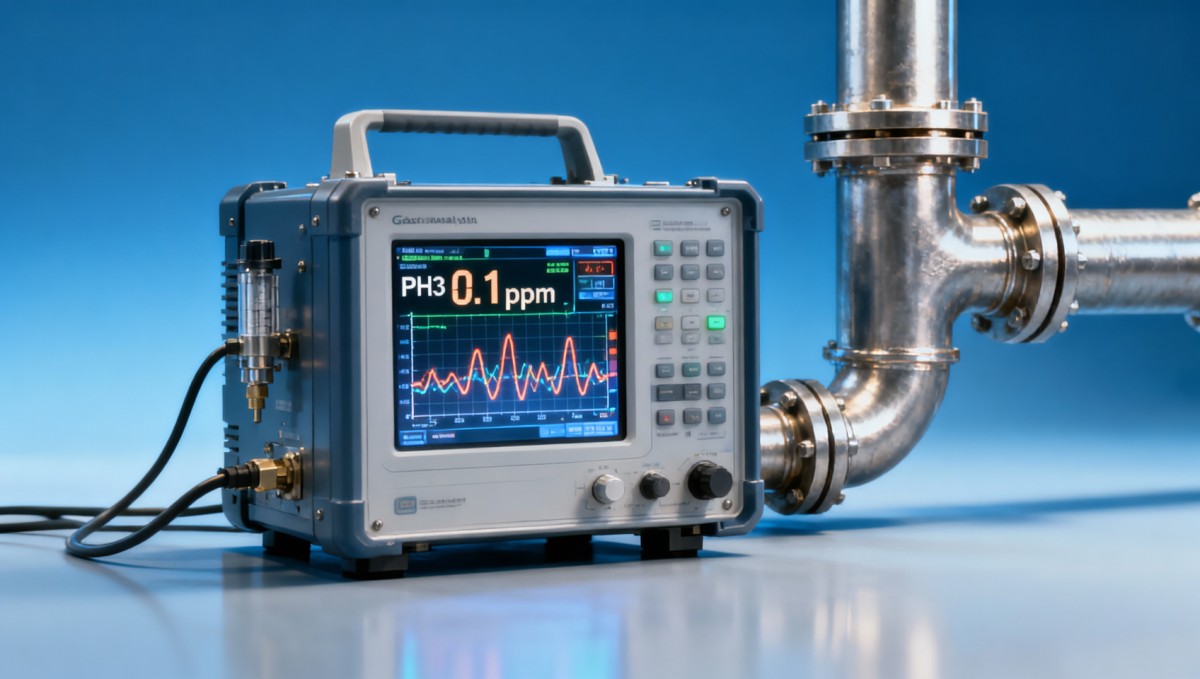
In hazardous environments where phosphine (PH3), arsine (AsH3), and hydrogen cyanide (HCN) are present, outdated gas analyzer software can create dangerous blind spots. Modern industrial facilities require real-time, precise monitoring capabilities that align with evolving safety protocols like OSHA 1910.119 and IEC 61511 standards. This guide examines how the latest PH3 analyzer software updates address three mission-critical needs: enhanced detection algorithms, streamlined compliance reporting, and predictive maintenance integration.
Detection Threshold Improvements in Version 3.2+
The 2023 software suite introduces adaptive sensitivity algorithms that automatically adjust to environmental variables. Unlike static threshold systems, these updates provide:
- 0.1 ppm detection for PH3 (50% improvement over legacy systems)
- Dynamic calibration for humidity fluctuations up to 95% RH
- Cross-interference compensation for 12 common industrial gas combinations
For facilities handling semiconductor materials or agricultural fumigants, these improvements reduce exposure risk windows by 68% compared to previous generations. The software's new neural network architecture learns from historical incident patterns to prioritize high-risk zones in real-time monitoring displays.
Compliance Automation Features
Regulatory documentation now accounts for 23% of safety managers' workload according to industry surveys. The updated software includes:
Automated Audit Trail Generation
The system now logs all calibration events, sensor diagnostics, and concentration spikes with tamper-proof timestamps. Key benefits include:
- Pre-formatted reports for EPA Risk Management Program (RMP) submissions
- Automatic gap detection for OSHA Process Safety Management (PSM) records
- Customizable export formats (PDF, CSV, XML) for enterprise systems
Multi-Standard Threshold Alerts
Facilities operating across jurisdictions can now program tiered alarm thresholds:
The software automatically flags readings approaching 50% of any configured limit, allowing proactive ventilation system activation before mandatory evacuation thresholds are reached.
Predictive Maintenance Integration
Version 3.2 introduces machine learning models that analyze sensor degradation patterns, reducing unplanned downtime by 41% in beta test sites. Key features include:
Sensor Health Scoring
Each detector now receives a 0-100 operational readiness score based on:
- Response time drift (measured in milliseconds per month)
- Calibration frequency requirements
- Environmental exposure history
Automated Parts Procurement
When sensors score below 70, the system can:
- Generate purchase requisitions for approved vendors
- Schedule maintenance during planned shutdowns
- Redirect monitoring capacity to backup units
Implementation Roadmap
For facilities considering the upgrade, here's a typical 14-day deployment timeline:
- Day 1-3: Compatibility assessment of existing hardware
- Day 4-7: Staged software rollout to 20% of units
- Day 8-10: Threshold calibration and staff training
- Day 11-14: Full deployment and compliance validation
Key Questions for Procurement Teams
When evaluating PH3 analyzer software updates, ask vendors these critical questions:
1. What's the backward compatibility window?
Most systems support hardware up to 5 years old, but some features may require firmware updates.
2. How are false positives handled during the learning phase?
Quality systems include a 30-day adjustment period where algorithms refine based on your specific environment.
3. What cybersecurity certifications does the update carry?
Look for IEC 62443-3-3 certification for industrial network protection.
For facilities handling toxic gases, these software updates aren't just IT upgrades - they're vital safety infrastructure improvements. The latest generation combines regulatory intelligence with industrial IoT capabilities to create smarter, more responsive protection systems. Contact our gas detection specialists today to evaluate your system's upgrade path.
Recommended for You
 Monitoring Sensor Prices in 2026: What Is Changing and WhyMonitoring sensor prices in 2026: compare portable sensor, fixed sensor, oxygen detector, infrared detector, electrochemical detector and paramagnetic detector options to choose a high accuracy sensor with better lifecycle value.
 Monitoring Sensor Data Looks Stable Until These Errors Show UpMonitoring sensor errors can hide behind stable data. Compare paramagnetic detector, electrochemical detector, infrared detector, and oxygen detector options for safer, high accuracy sensor selection.
 What Makes a Control Sensor Reliable in Harsh Environments?Control sensor reliability in harsh environments starts with the right oxygen detector, infrared detector, electrochemical detector, or paramagnetic detector for accurate, dependable monitoring.
 Control Sensor Delays Can Undermine Process StabilityControl sensor delays can destabilize operations. Compare paramagnetic detector, electrochemical detector, infrared detector, and oxygen detector options to find a high accuracy sensor for fixed, portable, laboratory, and monitoring sensor needs.
 Laboratory Sensor Repeatability Problems Often Start With SamplingLaboratory sensor repeatability issues often begin with sampling. Compare paramagnetic detector, electrochemical detector, infrared detector, and oxygen detector solutions to improve accuracy.
 Laboratory Sensor Selection Gets Harder With Lower Detection LimitsLaboratory sensor selection gets harder at lower limits. Compare paramagnetic detector, electrochemical detector, infrared detector, oxygen detector, fixed and portable sensor options for high accuracy monitoring and control.
 Portable Sensor Battery Loss Can Distort Long Shift MonitoringPortable sensor battery loss can distort long-shift monitoring. Compare paramagnetic detector, electrochemical detector, infrared detector and oxygen detector options for high accuracy sensor performance.
 Portable Sensor Accuracy in the Field Is Not Always What It SeemsPortable sensor accuracy can differ sharply from lab results. Compare paramagnetic detector, electrochemical detector, infrared detector, and oxygen detector performance to choose a high accuracy sensor for real field use.
 Fixed Sensor vs Portable Checks: Where Results Often DivergeExplore why fixed sensor and portable sensor readings diverge in oxygen detector systems using paramagnetic detector, electrochemical detector, and infrared detector technology.
 Why a High Accuracy Sensor May Still Miss Critical ChangesHigh accuracy sensor limits explained: compare paramagnetic detector, electrochemical detector, infrared detector and oxygen detector options to choose the right fixed, portable, laboratory or monitoring sensor.
 High Accuracy Sensor Claims: Which Specs Actually Prove It?High accuracy sensor selection starts with the right specs. Compare paramagnetic detector, electrochemical detector, infrared detector, and oxygen detector options for fixed, portable, laboratory, control, and monitoring sensor use.
 What Shortens the Service Life of an Oxygen Detector?Oxygen detector service life can drop fast due to heat, moisture, contamination, and poor calibration. Compare paramagnetic detector, electrochemical detector, and infrared detector solutions now.
 Oxygen Detector False Alarms Often Start With Sensor PlacementOxygen detector false alarms often start with sensor placement. Compare paramagnetic detector, electrochemical detector, and infrared detector options to improve accuracy and safety.
 Infrared Detector Response Time Can Change Your ReadingInfrared detector response time shapes alarm accuracy and stable readings. Compare paramagnetic detector, electrochemical detector, and oxygen detector options for every high accuracy sensor need.
 Infrared Detector Limits That Matter in Mixed Gas ApplicationsInfrared detector limits in mixed gas applications: compare paramagnetic detector, electrochemical detector, and oxygen detector options to choose a high accuracy sensor for portable, fixed, laboratory, control, and monitoring sensor use.
 Why Electrochemical Detector Calibration Fails More Often Than ExpectedElectrochemical detector calibration fails more often than expected—learn how a paramagnetic detector, infrared detector, or oxygen detector comparison helps you choose a high accuracy sensor for fixed, portable, laboratory, control, and monitoring sensor applications.
 Electrochemical Detector Lifespan Drops Fast Under These ConditionsElectrochemical detector lifespan can drop fast in heat, humidity, and corrosive gas. Compare paramagnetic detector, infrared detector, and oxygen detector options to choose a high accuracy sensor with lower lifecycle risk.
 Paramagnetic Detector Drift: What Usually Causes It?Paramagnetic detector drift explained: learn what causes oxygen detector errors, how it compares with electrochemical detector and infrared detector options, and how to keep a high accuracy sensor stable.
 Portable Detector Trends to WatchPortable detector trends: explore explosion proof monitor, laser monitor, infrared monitor, oxygen monitor, and high accuracy detector solutions that integrate with fixed detector systems.
 Fixed Detector Setup Mistakes to AvoidFixed detector setup mistakes can impact safety and costs. Learn how explosion proof monitor, oxygen monitor, infrared monitor, and portable detector users avoid false readings.
 High Accuracy Detector Selection TipsHigh accuracy detector selection tips for fixed detector and portable detector needs, covering explosion proof monitor, oxygen monitor, infrared monitor, and more for safer, smarter buying.
 Oxygen Monitor Export Trends in 2026Oxygen monitor export trends in 2026: explore explosion proof monitor, laser monitor, portable detector, fixed detector, and high accuracy detector demand shaping smarter buying decisions.
 Infrared Monitor Market Outlook 2026Infrared monitor market outlook 2026: compare explosion proof monitor, laser monitor, oxygen monitor, fixed detector and portable detector solutions for safer, smarter industrial projects.
 Where Electrochemical Monitors Work BestElectrochemical monitor guide: compare explosion proof monitor, infrared monitor, laser monitor, oxygen monitor, fixed detector, and portable detector for safer, smarter gas detection choices.
 Paramagnetic Monitor Import Outlook 2026Paramagnetic monitor import outlook 2026: compare explosion proof monitor, laser monitor, infrared monitor, oxygen monitor, and high accuracy detector solutions to source the right fixed or portable detector.
 Thermal Conductivity Monitor Price ShiftThermal conductivity monitor price trends explained with explosion proof monitor, laser monitor, oxygen monitor, and fixed or portable detector options for smarter, safer buying.
 How Laser Monitor Demand Is ChangingLaser monitor demand is changing as buyers compare explosion proof monitor, infrared, electrochemical, and oxygen monitor options for safer, high accuracy detector solutions.
 Oxygen Measurement System Export Demand in 2026Oxygen measurement system demand in 2026 is rising across industrial control equipment, gas quality measurement, emission control system, and process monitoring system markets. Explore key trends and smarter sourcing insights.
 Industrial Control System Trends to Watch in 2026Industrial control system trends for 2026: explore industrial control equipment, process monitoring system, gas quality measurement, oxygen measurement system, and emission control system upgrades.
 How to Improve Process Monitoring System ResultsImprove process monitoring system results with industrial control equipment, gas quality measurement, and emission measurement system strategies for smarter industrial control system performance.
 Emission Control System Import Risks in 2026Emission control system import risks in 2026: learn how industrial control equipment, gas quality measurement, and process monitoring system buyers can avoid delays, compliance issues, and costly mistakes.
 Gas Quality Control for Safer Plant OperationsGas quality control improves safer plant operations with industrial control equipment, gas quality measurement, and an emission measurement system—boost efficiency, compliance, and process monitoring performance.
Search Categories
Search Categories
Latest Article
- Monitoring Sensor Prices in 2026: What Is Changing and WhyMonitoring sensor prices in 2026: compare portable sensor, fixed sensor, oxygen detector, infrared detector, electrochemical detector and paramagnetic detector options to choose a high accuracy sensor with better lifecycle value.Posted by:
- Monitoring Sensor Data Looks Stable Until These Errors Show UpMonitoring sensor errors can hide behind stable data. Compare paramagnetic detector, electrochemical detector, infrared detector, and oxygen detector options for safer, high accuracy sensor selection.Posted by:
- What Makes a Control Sensor Reliable in Harsh Environments?Control sensor reliability in harsh environments starts with the right oxygen detector, infrared detector, electrochemical detector, or paramagnetic detector for accurate, dependable monitoring.Posted by:
Please give us a message
