Common Calibration Mistakes That Affect C9H18O Concentration Analyzer Performance


Accurate calibration plays a decisive role in ensuring the reliable operation of a C9H18O concentration analyzer, yet common mistakes during this process can lead to significant measurement deviations and system inefficiencies. Whether you’re managing a C10H20O concentration analyzer, C8H16O concentration analyzer, or other related instruments such as C5H10O and CH3OH concentration analyzers, understanding these recurring calibration pitfalls is essential. This article explores how to identify, prevent, and correct such errors to improve analytical accuracy and prolong equipment lifespan.
Understanding Calibration Fundamentals and Industry Context
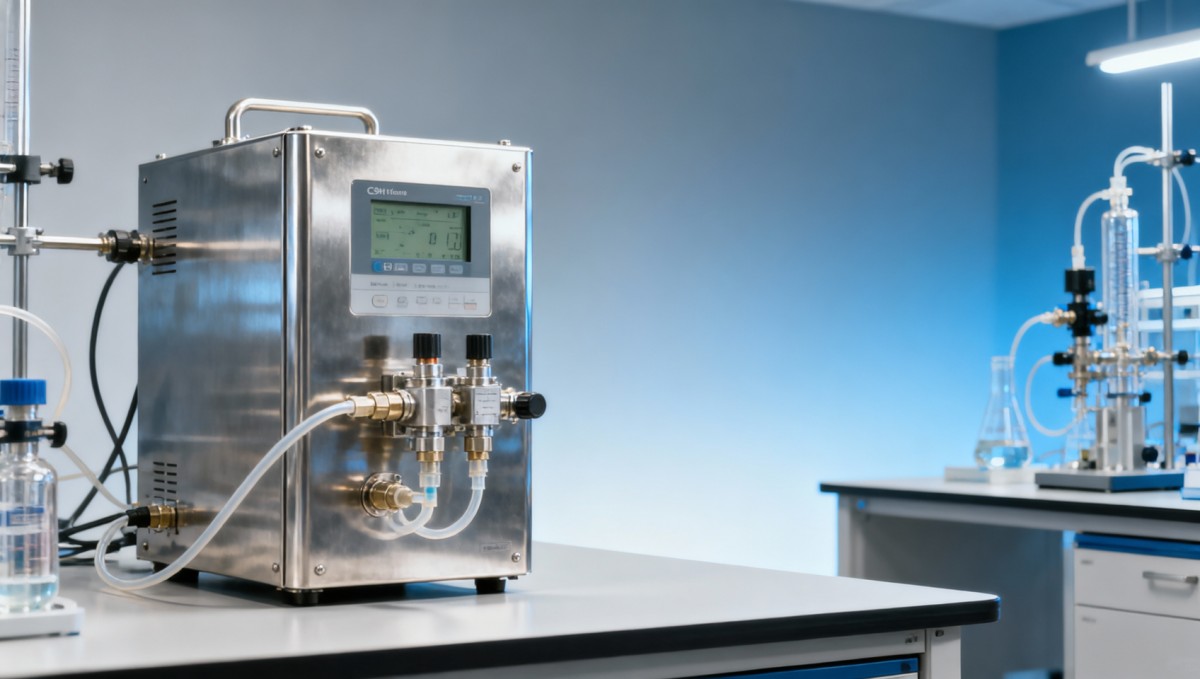
In the instrumentation industry, calibration ensures that an analyzer’s output aligns with verified standards under controlled conditions. For C9H18O concentration analyzers, the accuracy margin is often defined within ±1.0% of the target value, depending on the calibration range from 0.1 ppm to 100 ppm. Regular calibration every 3–6 months is typical across industrial and laboratory setups, ensuring long-term data consistency.
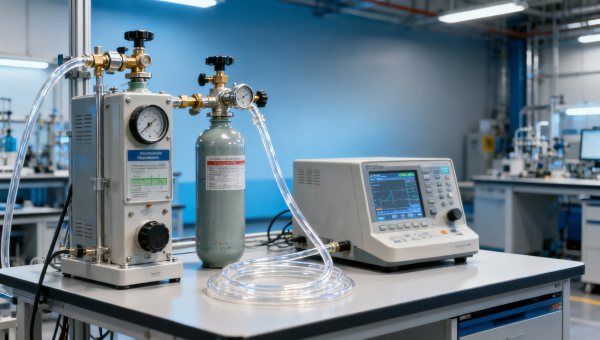
The calibration process generally involves reference gas verification, sensor drift compensation, and environmental condition monitoring. Temperature (10°C–35°C) and humidity (40%–70% RH) can significantly affect analyzer stability if not properly controlled. Operators must be aware that even a 2°C deviation can cause noticeable measurement bias when working with volatile organic compounds like C9H18O.
The instrumentation sector provides critical measurement and monitoring tools to industries such as energy, manufacturing, environmental safety, and medical analysis. In all these areas, miscalibration not only impacts accuracy but may lead to regulatory compliance issues under standards like ISO/IEC 17025 and ASTM D5466, which emphasize repeatability and traceability of calibration results.
From a business perspective, the cost of poor calibration can be substantial. A 5% measurement deviation over three months may result in material wastage or product rejections exceeding thousands of dollars in high-throughput production environments. Therefore, understanding the fundamentals is critical for both technical operators and financial planners.
Top Calibration Mistakes Affecting C9H18O Analyzer Accuracy
Operational errors during calibration represent more than 60% of analyzer performance issues reported in field inspections. Identifying these key mistakes improves accuracy and prevents premature equipment degradation. The common failures typically arise in environmental control, reference material management, and calibration interval design.
Five typical calibration errors include:
- Using expired or unverified calibration gases, often leading to ±2 ppm drift in mid-range concentration readings.
- Ignoring ambient temperature stabilization; sudden 5°C–10°C shifts distort detection sensitivity.
- Skipping zero-point calibration or relying on single-point verification, violating multi-point calibration standards.
- Failing to log calibration history, reducing traceability and limiting internal audit consistency.
- Overlooking sensor aging effects when exceeding 10,000 hours of operation without recalibration scheduling.
The table below summarizes typical mistakes and their consequences across different operation cycles.
By adopting a structured calibration plan that follows these parameters, calibration stability can be improved by at least 25% compared to irregular manual setups. The cumulative effect significantly boosts analyzer performance and prolongs service intervals.
Calibration Environment and Interference Management
Environmental conditions directly influence calibration reliability. In industrial labs, parameters like temperature, humidity, and surrounding gas contamination can generate signal noise up to 0.3 ppm on sensitive analyzers. To minimize errors, maintain environmental baselines within the tolerance band specified by manufacturer standards.
Calibration rooms should be isolated from vibration sources exceeding 0.5 g acceleration, and air exchange rates maintained between 8–12 cycles per hour to ensure stable gas concentration equilibrium. It is also advisable to use clean nitrogen purging for instruments handling volatile compounds like C9H18O, particularly when cross-sensitivity analysis is required.
Operators often overlook the influence of electrical interference. Ground loop currents under 2 mA can still create up to 0.2% output deviation. Shielded cables and stable grounding resistance below 5 Ω are recommended for high-precision laboratory setups.
Continuous monitoring of environmental parameters also supports predictive maintenance planning. Through smart IoT integration, calibration intervals can be data-driven—extending up to 9 months in stable conditions or shortened to 2 months in variable production environments.
Procurement and Maintenance Guide for Analyzer Calibration Systems
For decision-makers and technical buyers, selecting the right calibration system depends on both operational requirements and compliance targets. Industrial projects typically involve 3 key evaluation stages: technical specification review, cost-benefit comparison, and lifecycle service validation. Each stage influences total calibration sustainability over 2–5 years of equipment usage.
Below is a simplified comparison illustrating core procurement considerations for calibration-related instruments in industrial environments.
When planning procurement, enterprises should also examine after-sales calibration support availability, calibration traceability certificates, and environmental compliance documentation. A complete lifecycle approach can reduce calibration-related downtime by 15–20% while ensuring analyzer performance consistency across operating cycles.
Frequently Asked Questions About Calibration Practices
How often should a C9H18O analyzer be recalibrated?
Under stable environmental and operational conditions, recalibration is recommended every 3–6 months. However, in high-humidity or variable temperature environments, monthly calibration cycles are advisable for maintaining accuracy within ±1 ppm.
What standards should calibration follow?
ISO/IEC 17025 calibration laboratory protocols and ASTM D5466 analytical methods are widely recognized. Following these ensures traceability and consistency between international labs, supporting quality audits and regulatory approvals.
Can digital calibration automation reduce human error?
Yes. Automated calibration modules using PID-based feedback can lower deviation from manual steps by 20–30%. Automation also improves reproducibility across multiple analyzers and reduces technician workload during repetitive calibration tasks.
What are key signs that recalibration is urgently required?
Unstable baseline readings, signal drift exceeding ±0.5 ppm within 24 hours, and unexplained alarm triggering are typical indicators. In such cases, the instrument should be recalibrated or inspected immediately before process continuation.
Why Choose Us for Calibration Consulting and Support
In the complex landscape of instrumentation and analysis, our calibration consulting services deliver structured, data-driven strategies for maintaining C9H18O analyzer precision. We assist enterprises in defining calibration intervals, selecting reference materials, and implementing ISO-compatible record systems. Our experience spans over multiple industrial sectors, from petrochemical labs to environmental monitoring stations.
Clients typically engage us for the following purposes:
- Customized calibration plans aligned to production schedules (3–12 month intervals)
- Selection of certified reference materials for C9H18O, C10H20O, and related analyzers
- Consultation on reducing calibration costs while maintaining compliance
- Comparative evaluation between manual and automated calibration systems
- Technical training for operators to reduce recurring calibration errors
If you’re evaluating analyzer procurement or seeking advanced calibration management solutions, contact our technical team to discuss parameter confirmation, custom calibration kits, expected delivery schedules (standard 2–4 weeks), certification support, or cost optimization plans. We emphasize measurable outcomes—higher data reliability, reduced maintenance cycles, and sustainable operational performance across industrial instrumentation applications.
Recommended for You
 Monitoring Sensor Prices in 2026: What Is Changing and WhyMonitoring sensor prices in 2026: compare portable sensor, fixed sensor, oxygen detector, infrared detector, electrochemical detector and paramagnetic detector options to choose a high accuracy sensor with better lifecycle value.
 Monitoring Sensor Data Looks Stable Until These Errors Show UpMonitoring sensor errors can hide behind stable data. Compare paramagnetic detector, electrochemical detector, infrared detector, and oxygen detector options for safer, high accuracy sensor selection.
 What Makes a Control Sensor Reliable in Harsh Environments?Control sensor reliability in harsh environments starts with the right oxygen detector, infrared detector, electrochemical detector, or paramagnetic detector for accurate, dependable monitoring.
 Control Sensor Delays Can Undermine Process StabilityControl sensor delays can destabilize operations. Compare paramagnetic detector, electrochemical detector, infrared detector, and oxygen detector options to find a high accuracy sensor for fixed, portable, laboratory, and monitoring sensor needs.
 Laboratory Sensor Repeatability Problems Often Start With SamplingLaboratory sensor repeatability issues often begin with sampling. Compare paramagnetic detector, electrochemical detector, infrared detector, and oxygen detector solutions to improve accuracy.
 Laboratory Sensor Selection Gets Harder With Lower Detection LimitsLaboratory sensor selection gets harder at lower limits. Compare paramagnetic detector, electrochemical detector, infrared detector, oxygen detector, fixed and portable sensor options for high accuracy monitoring and control.
 Portable Sensor Battery Loss Can Distort Long Shift MonitoringPortable sensor battery loss can distort long-shift monitoring. Compare paramagnetic detector, electrochemical detector, infrared detector and oxygen detector options for high accuracy sensor performance.
 Portable Sensor Accuracy in the Field Is Not Always What It SeemsPortable sensor accuracy can differ sharply from lab results. Compare paramagnetic detector, electrochemical detector, infrared detector, and oxygen detector performance to choose a high accuracy sensor for real field use.
 Fixed Sensor vs Portable Checks: Where Results Often DivergeExplore why fixed sensor and portable sensor readings diverge in oxygen detector systems using paramagnetic detector, electrochemical detector, and infrared detector technology.
 Why a High Accuracy Sensor May Still Miss Critical ChangesHigh accuracy sensor limits explained: compare paramagnetic detector, electrochemical detector, infrared detector and oxygen detector options to choose the right fixed, portable, laboratory or monitoring sensor.
 High Accuracy Sensor Claims: Which Specs Actually Prove It?High accuracy sensor selection starts with the right specs. Compare paramagnetic detector, electrochemical detector, infrared detector, and oxygen detector options for fixed, portable, laboratory, control, and monitoring sensor use.
 What Shortens the Service Life of an Oxygen Detector?Oxygen detector service life can drop fast due to heat, moisture, contamination, and poor calibration. Compare paramagnetic detector, electrochemical detector, and infrared detector solutions now.
 Oxygen Detector False Alarms Often Start With Sensor PlacementOxygen detector false alarms often start with sensor placement. Compare paramagnetic detector, electrochemical detector, and infrared detector options to improve accuracy and safety.
 Infrared Detector Response Time Can Change Your ReadingInfrared detector response time shapes alarm accuracy and stable readings. Compare paramagnetic detector, electrochemical detector, and oxygen detector options for every high accuracy sensor need.
 Infrared Detector Limits That Matter in Mixed Gas ApplicationsInfrared detector limits in mixed gas applications: compare paramagnetic detector, electrochemical detector, and oxygen detector options to choose a high accuracy sensor for portable, fixed, laboratory, control, and monitoring sensor use.
 Why Electrochemical Detector Calibration Fails More Often Than ExpectedElectrochemical detector calibration fails more often than expected—learn how a paramagnetic detector, infrared detector, or oxygen detector comparison helps you choose a high accuracy sensor for fixed, portable, laboratory, control, and monitoring sensor applications.
 Electrochemical Detector Lifespan Drops Fast Under These ConditionsElectrochemical detector lifespan can drop fast in heat, humidity, and corrosive gas. Compare paramagnetic detector, infrared detector, and oxygen detector options to choose a high accuracy sensor with lower lifecycle risk.
 Paramagnetic Detector Drift: What Usually Causes It?Paramagnetic detector drift explained: learn what causes oxygen detector errors, how it compares with electrochemical detector and infrared detector options, and how to keep a high accuracy sensor stable.
 Portable Detector Trends to WatchPortable detector trends: explore explosion proof monitor, laser monitor, infrared monitor, oxygen monitor, and high accuracy detector solutions that integrate with fixed detector systems.
 Fixed Detector Setup Mistakes to AvoidFixed detector setup mistakes can impact safety and costs. Learn how explosion proof monitor, oxygen monitor, infrared monitor, and portable detector users avoid false readings.
 High Accuracy Detector Selection TipsHigh accuracy detector selection tips for fixed detector and portable detector needs, covering explosion proof monitor, oxygen monitor, infrared monitor, and more for safer, smarter buying.
 Oxygen Monitor Export Trends in 2026Oxygen monitor export trends in 2026: explore explosion proof monitor, laser monitor, portable detector, fixed detector, and high accuracy detector demand shaping smarter buying decisions.
 Infrared Monitor Market Outlook 2026Infrared monitor market outlook 2026: compare explosion proof monitor, laser monitor, oxygen monitor, fixed detector and portable detector solutions for safer, smarter industrial projects.
 Where Electrochemical Monitors Work BestElectrochemical monitor guide: compare explosion proof monitor, infrared monitor, laser monitor, oxygen monitor, fixed detector, and portable detector for safer, smarter gas detection choices.
 Paramagnetic Monitor Import Outlook 2026Paramagnetic monitor import outlook 2026: compare explosion proof monitor, laser monitor, infrared monitor, oxygen monitor, and high accuracy detector solutions to source the right fixed or portable detector.
 Thermal Conductivity Monitor Price ShiftThermal conductivity monitor price trends explained with explosion proof monitor, laser monitor, oxygen monitor, and fixed or portable detector options for smarter, safer buying.
 How Laser Monitor Demand Is ChangingLaser monitor demand is changing as buyers compare explosion proof monitor, infrared, electrochemical, and oxygen monitor options for safer, high accuracy detector solutions.
 Oxygen Measurement System Export Demand in 2026Oxygen measurement system demand in 2026 is rising across industrial control equipment, gas quality measurement, emission control system, and process monitoring system markets. Explore key trends and smarter sourcing insights.
 Industrial Control System Trends to Watch in 2026Industrial control system trends for 2026: explore industrial control equipment, process monitoring system, gas quality measurement, oxygen measurement system, and emission control system upgrades.
 How to Improve Process Monitoring System ResultsImprove process monitoring system results with industrial control equipment, gas quality measurement, and emission measurement system strategies for smarter industrial control system performance.
 Emission Control System Import Risks in 2026Emission control system import risks in 2026: learn how industrial control equipment, gas quality measurement, and process monitoring system buyers can avoid delays, compliance issues, and costly mistakes.
 Gas Quality Control for Safer Plant OperationsGas quality control improves safer plant operations with industrial control equipment, gas quality measurement, and an emission measurement system—boost efficiency, compliance, and process monitoring performance.
Search Categories
Search Categories
Latest Article
- Monitoring Sensor Prices in 2026: What Is Changing and WhyMonitoring sensor prices in 2026: compare portable sensor, fixed sensor, oxygen detector, infrared detector, electrochemical detector and paramagnetic detector options to choose a high accuracy sensor with better lifecycle value.Posted by:
- Monitoring Sensor Data Looks Stable Until These Errors Show UpMonitoring sensor errors can hide behind stable data. Compare paramagnetic detector, electrochemical detector, infrared detector, and oxygen detector options for safer, high accuracy sensor selection.Posted by:
- What Makes a Control Sensor Reliable in Harsh Environments?Control sensor reliability in harsh environments starts with the right oxygen detector, infrared detector, electrochemical detector, or paramagnetic detector for accurate, dependable monitoring.Posted by:
Please give us a message
