F2 Concentration Analyzer Market Growth: Projections Through 2026


Market Overview: F2 Concentration Analyzer Industry Landscape
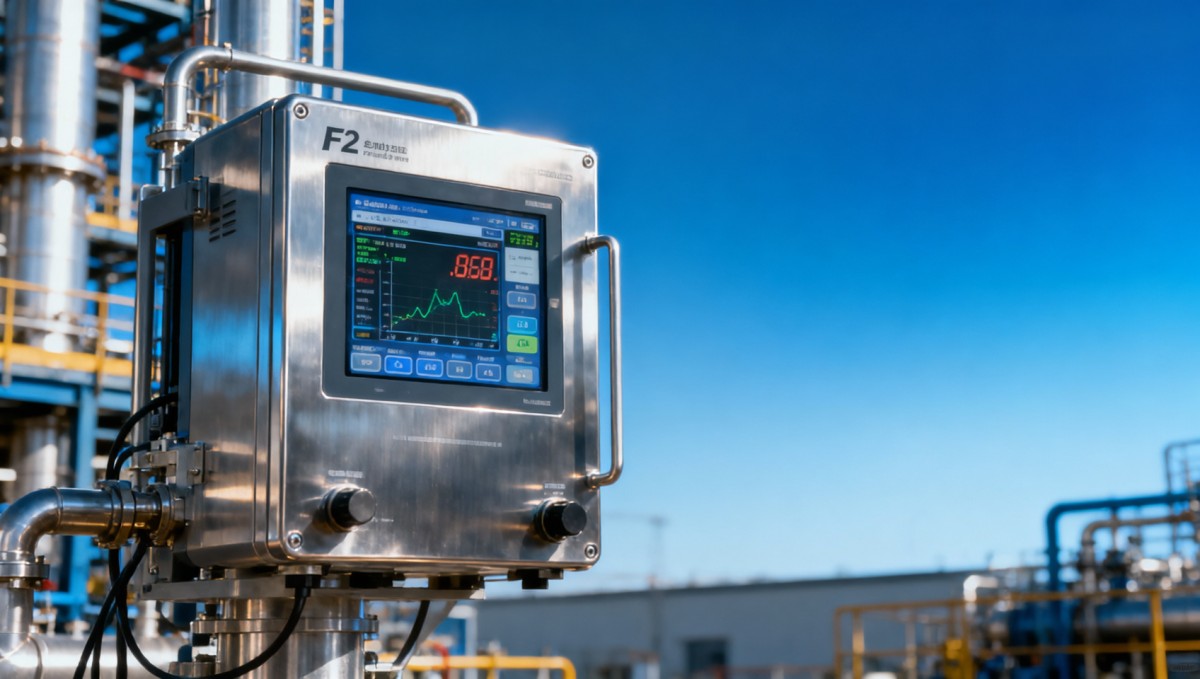
The global F2 concentration analyzer market is projected to grow at a CAGR of 6.8% from 2021 to 2026, reaching $287.5 million by 2026 according to industry analysts. This growth stems from tightening industrial safety standards like OSHA 29 CFR 1910.119 and IEC 61511, mandating continuous monitoring of toxic gases including fluorine (F2) compounds across chemical processing, semiconductor manufacturing, and energy sectors.
Key product segments driving adoption include:
- AsH3 (Arsine) analyzers for semiconductor fabrication
- PH3 (Phosphine) detectors for agricultural storage
- HF (Hydrogen Fluoride) monitors in aluminum production
- Cl2 (Chlorine) sensors for water treatment plants
Regional Demand Patterns
Asia-Pacific dominates with 42% market share due to expanding electronics manufacturing in China and South Korea, while North America shows strongest growth (7.9% CAGR) driven by shale gas processing and pharmaceutical industry requirements.
Technology Segmentation and Performance Benchmarks
Modern F2 analyzers utilize three principal detection technologies, each with distinct operational parameters:
Recent advancements include MEMS-based sensors reducing calibration frequency from monthly to quarterly intervals, and wireless models eliminating 30-40% installation costs in hard-to-reach areas.
Procurement Decision Matrix
Technical evaluators should consider these 5 critical parameters when specifying F2 analyzers:
Total Cost of Ownership Considerations
While initial purchase price ranges $3,500-$15,000 per unit, smart buyers evaluate 3-year TCO including:
- Calibration services ($200-$600 annually)
- Sensor replacement cycles (18-36 months)
- Integration with existing SCADA systems
Emerging Trends and Future Outlook
Three disruptive technologies will reshape the market through 2026:
1. IoT-Enabled Predictive Maintenance
New cloud-connected analyzers reduce unplanned downtime by 40% through real-time performance analytics and automated calibration alerts.
2. Multi-Gas Detection Platforms
Modular systems now detect F2 alongside H2S, CO, and 12 other gases with 95% space savings versus traditional sensor arrays.
3. AI-Powered False Alarm Reduction
Machine learning algorithms now achieve 99.2% specificity in distinguishing actual F2 leaks from interference gases like SO2.
Implementation Best Practices
Successful deployments follow this 5-phase approach:
- Site Assessment: Identify 8-12 critical monitoring points per facility
- Technology Selection: Match detection method to gas concentration ranges
- Zoning Strategy: Classify areas per NEC 500/505 standards
- Integration Testing: Validate communication with DCS/PLC systems
- Training: 16-hour certification programs for maintenance teams
Frequently Asked Questions
What maintenance intervals are recommended for F2 analyzers?
Industrial environments require quarterly calibration checks (every 90±5 days) and annual sensor validation. Harsh conditions may need bimonthly servicing.
How do environmental factors affect analyzer performance?
Temperature swings beyond -20°C to 50°C require heated enclosures. High humidity (>95% RH) necessitates moisture traps, while particulate levels above 5mg/m³ demand filter upgrades.
What are the key differences between fixed and portable F2 monitors?
Fixed systems offer continuous area monitoring with 4-20mA outputs, while portable units provide personal protection with 15-30 hour battery life. Response times differ by 2-5 seconds between models.
Conclusion and Next Steps
As regulatory pressures intensify and technology advances accelerate, strategic investment in F2 concentration analysis systems delivers measurable ROI through enhanced safety compliance and process efficiency. Leading manufacturers now offer application engineering support including:
- Site-specific risk assessments
- Regulatory documentation packages
- Turnkey installation services
Contact our instrumentation specialists today for a customized solution analysis matching your operational requirements and compliance objectives.
Recommended for You
 Monitoring Sensor Prices in 2026: What Is Changing and WhyMonitoring sensor prices in 2026: compare portable sensor, fixed sensor, oxygen detector, infrared detector, electrochemical detector and paramagnetic detector options to choose a high accuracy sensor with better lifecycle value.
 Monitoring Sensor Data Looks Stable Until These Errors Show UpMonitoring sensor errors can hide behind stable data. Compare paramagnetic detector, electrochemical detector, infrared detector, and oxygen detector options for safer, high accuracy sensor selection.
 What Makes a Control Sensor Reliable in Harsh Environments?Control sensor reliability in harsh environments starts with the right oxygen detector, infrared detector, electrochemical detector, or paramagnetic detector for accurate, dependable monitoring.
 Control Sensor Delays Can Undermine Process StabilityControl sensor delays can destabilize operations. Compare paramagnetic detector, electrochemical detector, infrared detector, and oxygen detector options to find a high accuracy sensor for fixed, portable, laboratory, and monitoring sensor needs.
 Laboratory Sensor Repeatability Problems Often Start With SamplingLaboratory sensor repeatability issues often begin with sampling. Compare paramagnetic detector, electrochemical detector, infrared detector, and oxygen detector solutions to improve accuracy.
 Laboratory Sensor Selection Gets Harder With Lower Detection LimitsLaboratory sensor selection gets harder at lower limits. Compare paramagnetic detector, electrochemical detector, infrared detector, oxygen detector, fixed and portable sensor options for high accuracy monitoring and control.
 Portable Sensor Battery Loss Can Distort Long Shift MonitoringPortable sensor battery loss can distort long-shift monitoring. Compare paramagnetic detector, electrochemical detector, infrared detector and oxygen detector options for high accuracy sensor performance.
 Portable Sensor Accuracy in the Field Is Not Always What It SeemsPortable sensor accuracy can differ sharply from lab results. Compare paramagnetic detector, electrochemical detector, infrared detector, and oxygen detector performance to choose a high accuracy sensor for real field use.
 Fixed Sensor vs Portable Checks: Where Results Often DivergeExplore why fixed sensor and portable sensor readings diverge in oxygen detector systems using paramagnetic detector, electrochemical detector, and infrared detector technology.
 Why a High Accuracy Sensor May Still Miss Critical ChangesHigh accuracy sensor limits explained: compare paramagnetic detector, electrochemical detector, infrared detector and oxygen detector options to choose the right fixed, portable, laboratory or monitoring sensor.
 High Accuracy Sensor Claims: Which Specs Actually Prove It?High accuracy sensor selection starts with the right specs. Compare paramagnetic detector, electrochemical detector, infrared detector, and oxygen detector options for fixed, portable, laboratory, control, and monitoring sensor use.
 What Shortens the Service Life of an Oxygen Detector?Oxygen detector service life can drop fast due to heat, moisture, contamination, and poor calibration. Compare paramagnetic detector, electrochemical detector, and infrared detector solutions now.
 Oxygen Detector False Alarms Often Start With Sensor PlacementOxygen detector false alarms often start with sensor placement. Compare paramagnetic detector, electrochemical detector, and infrared detector options to improve accuracy and safety.
 Infrared Detector Response Time Can Change Your ReadingInfrared detector response time shapes alarm accuracy and stable readings. Compare paramagnetic detector, electrochemical detector, and oxygen detector options for every high accuracy sensor need.
 Infrared Detector Limits That Matter in Mixed Gas ApplicationsInfrared detector limits in mixed gas applications: compare paramagnetic detector, electrochemical detector, and oxygen detector options to choose a high accuracy sensor for portable, fixed, laboratory, control, and monitoring sensor use.
 Why Electrochemical Detector Calibration Fails More Often Than ExpectedElectrochemical detector calibration fails more often than expected—learn how a paramagnetic detector, infrared detector, or oxygen detector comparison helps you choose a high accuracy sensor for fixed, portable, laboratory, control, and monitoring sensor applications.
 Electrochemical Detector Lifespan Drops Fast Under These ConditionsElectrochemical detector lifespan can drop fast in heat, humidity, and corrosive gas. Compare paramagnetic detector, infrared detector, and oxygen detector options to choose a high accuracy sensor with lower lifecycle risk.
 Paramagnetic Detector Drift: What Usually Causes It?Paramagnetic detector drift explained: learn what causes oxygen detector errors, how it compares with electrochemical detector and infrared detector options, and how to keep a high accuracy sensor stable.
 Portable Detector Trends to WatchPortable detector trends: explore explosion proof monitor, laser monitor, infrared monitor, oxygen monitor, and high accuracy detector solutions that integrate with fixed detector systems.
 Fixed Detector Setup Mistakes to AvoidFixed detector setup mistakes can impact safety and costs. Learn how explosion proof monitor, oxygen monitor, infrared monitor, and portable detector users avoid false readings.
 High Accuracy Detector Selection TipsHigh accuracy detector selection tips for fixed detector and portable detector needs, covering explosion proof monitor, oxygen monitor, infrared monitor, and more for safer, smarter buying.
 Oxygen Monitor Export Trends in 2026Oxygen monitor export trends in 2026: explore explosion proof monitor, laser monitor, portable detector, fixed detector, and high accuracy detector demand shaping smarter buying decisions.
 Infrared Monitor Market Outlook 2026Infrared monitor market outlook 2026: compare explosion proof monitor, laser monitor, oxygen monitor, fixed detector and portable detector solutions for safer, smarter industrial projects.
 Where Electrochemical Monitors Work BestElectrochemical monitor guide: compare explosion proof monitor, infrared monitor, laser monitor, oxygen monitor, fixed detector, and portable detector for safer, smarter gas detection choices.
 Paramagnetic Monitor Import Outlook 2026Paramagnetic monitor import outlook 2026: compare explosion proof monitor, laser monitor, infrared monitor, oxygen monitor, and high accuracy detector solutions to source the right fixed or portable detector.
 Thermal Conductivity Monitor Price ShiftThermal conductivity monitor price trends explained with explosion proof monitor, laser monitor, oxygen monitor, and fixed or portable detector options for smarter, safer buying.
 How Laser Monitor Demand Is ChangingLaser monitor demand is changing as buyers compare explosion proof monitor, infrared, electrochemical, and oxygen monitor options for safer, high accuracy detector solutions.
 Oxygen Measurement System Export Demand in 2026Oxygen measurement system demand in 2026 is rising across industrial control equipment, gas quality measurement, emission control system, and process monitoring system markets. Explore key trends and smarter sourcing insights.
 Industrial Control System Trends to Watch in 2026Industrial control system trends for 2026: explore industrial control equipment, process monitoring system, gas quality measurement, oxygen measurement system, and emission control system upgrades.
 How to Improve Process Monitoring System ResultsImprove process monitoring system results with industrial control equipment, gas quality measurement, and emission measurement system strategies for smarter industrial control system performance.
 Emission Control System Import Risks in 2026Emission control system import risks in 2026: learn how industrial control equipment, gas quality measurement, and process monitoring system buyers can avoid delays, compliance issues, and costly mistakes.
 Gas Quality Control for Safer Plant OperationsGas quality control improves safer plant operations with industrial control equipment, gas quality measurement, and an emission measurement system—boost efficiency, compliance, and process monitoring performance.
Search Categories
Search Categories
Latest Article
- Monitoring Sensor Prices in 2026: What Is Changing and WhyMonitoring sensor prices in 2026: compare portable sensor, fixed sensor, oxygen detector, infrared detector, electrochemical detector and paramagnetic detector options to choose a high accuracy sensor with better lifecycle value.Posted by:
- Monitoring Sensor Data Looks Stable Until These Errors Show UpMonitoring sensor errors can hide behind stable data. Compare paramagnetic detector, electrochemical detector, infrared detector, and oxygen detector options for safer, high accuracy sensor selection.Posted by:
- What Makes a Control Sensor Reliable in Harsh Environments?Control sensor reliability in harsh environments starts with the right oxygen detector, infrared detector, electrochemical detector, or paramagnetic detector for accurate, dependable monitoring.Posted by:
Please give us a message
