HF Analyzer Alarm Systems: Integration with Plant Safety Networks


The Critical Role of HF Analyzer Alarm Systems in Industrial Safety
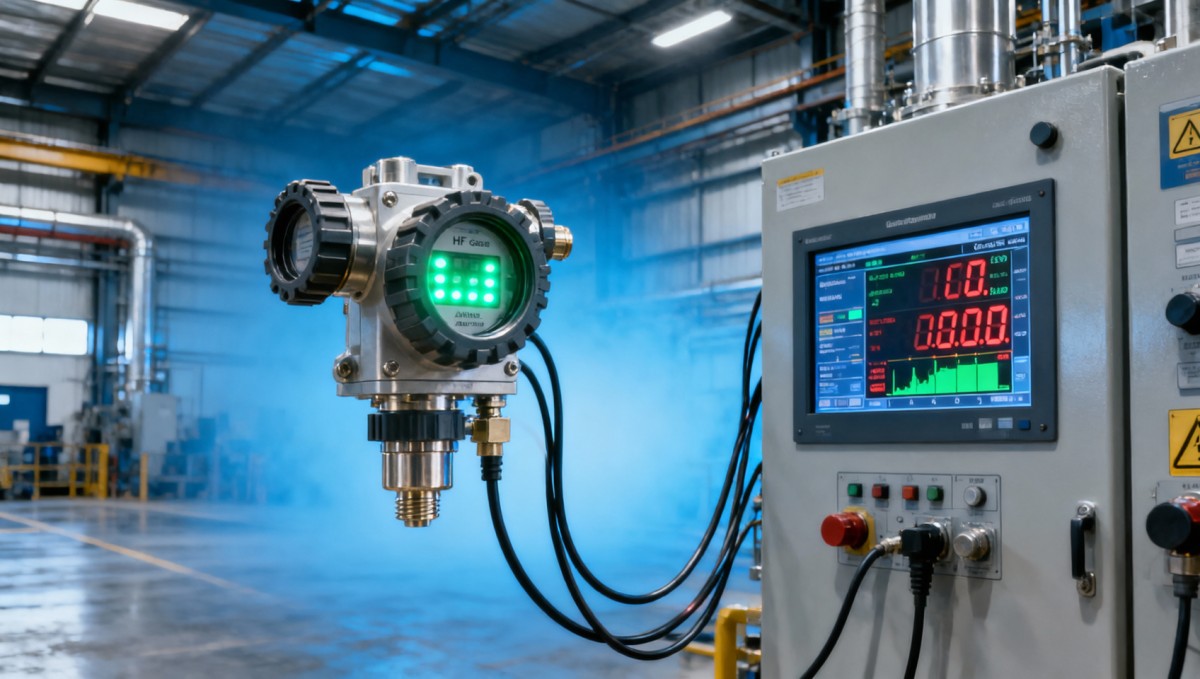
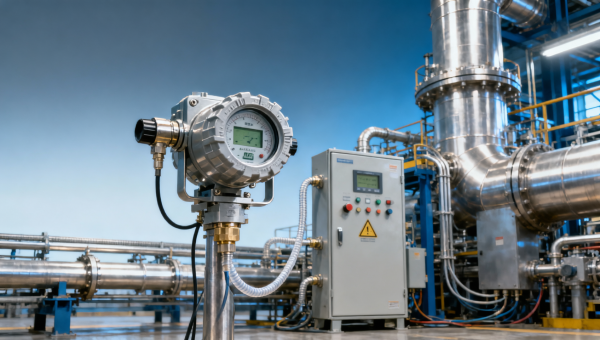
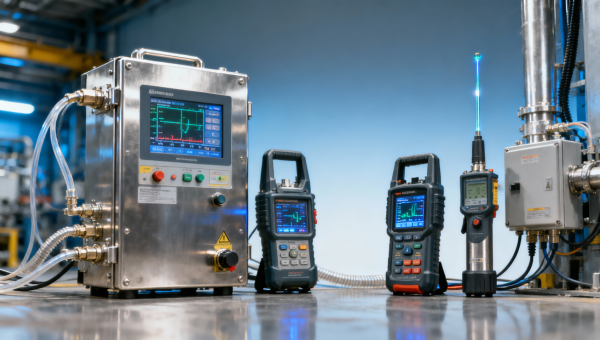
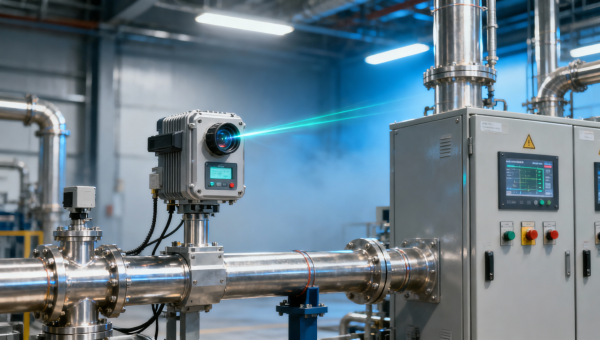
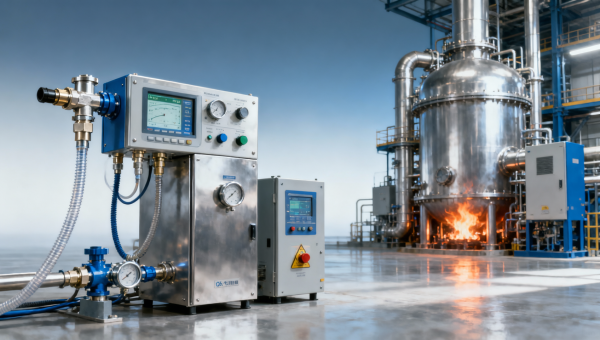
HF analyzer alarm systems serve as the first line of defense against hazardous gas leaks in industrial facilities. These systems continuously monitor concentrations of hydrofluoric acid (HF), arsine (AsH3), phosphine (PH3), chlorine (Cl2), and other toxic gases, providing real-time alerts when thresholds exceed 1 ppm (parts per million) - the typical action level for most industrial safety standards.
Integration Architecture with Plant Safety Networks
Modern HF analyzers don't operate in isolation. They connect to plant-wide safety networks through multiple protocols, creating a comprehensive gas detection ecosystem. The integration typically follows a 3-layer architecture:
This multi-tiered approach ensures that alerts reach both local operators and central control rooms within 30 seconds, meeting OSHA 1910.119 and IEC 61511 standards for process safety.
Key Communication Protocols
HF analyzers typically support these industrial protocols for seamless integration:
- 4-20mA analog signals (most common legacy interface)
- HART protocol (for analog/digital hybrid systems)
- Modbus RTU/TCP (for direct PLC connections)
- Foundation Fieldbus (for process automation networks)
- OPC UA (for enterprise-level data integration)
Selection Criteria for Technical Evaluators
When evaluating HF analyzer alarm systems for plant integration, safety managers and technical teams should consider these 7 critical parameters:
Additional factors like ATEX certification for hazardous areas (Zone 0/1) and SIL 2/3 compliance for safety functions often dictate final selection for petrochemical and semiconductor applications.
Implementation Best Practices
Successful integration of HF analyzers requires a 5-phase approach to ensure reliability and compliance:
Phase 1: Risk Assessment
Conduct a HAZOP study to identify all potential HF release scenarios, determining optimal sensor placement within 15-30 feet of potential leak sources.
Phase 2: Network Design
Design failsafe communication paths with redundant protocols, ensuring alarm signals reach control systems even during network disruptions.
Phase 3: Calibration & Testing
Implement quarterly bump tests and annual calibrations using certified HF gas mixtures (typically 5 ppm and 10 ppm concentrations).
Frequently Asked Questions
How often should HF analyzer sensors be replaced?
Electrochemical sensors typically last 2-3 years in continuous operation, while infrared sensors may function for 5-7 years. Environmental factors like humidity and temperature extremes can reduce these lifespans by 30-50%.
What's the typical cost range for integrated HF monitoring systems?
Complete systems range from $15,000-$50,000 depending on sensor quantity (typically 4-12 per system), communication infrastructure, and certification requirements. Ongoing calibration/maintenance adds $3,000-$8,000 annually.
Conclusion & Next Steps
Integrating HF analyzer alarm systems with plant safety networks requires careful planning around detection thresholds, communication protocols, and compliance standards. For facilities handling hazardous gases, this integration isn't optional - it's a regulatory and operational necessity that prevents catastrophic incidents.
Contact our instrumentation specialists today to schedule a plant safety assessment and receive a customized HF monitoring solution tailored to your specific risk profile and network infrastructure.
Recommended for You
 How to Choose an Oxygen Sensor That LastsOxygen sensor selection made practical: learn how to choose a durable sensor for oxygen analysis, combustion analysis, environmental analysis, safety analysis, and air monitoring.
 Monitoring Sensor Prices in 2026: What Is Changing and WhyMonitoring sensor prices in 2026: compare portable sensor, fixed sensor, oxygen detector, infrared detector, electrochemical detector and paramagnetic detector options to choose a high accuracy sensor with better lifecycle value.
 Monitoring Sensor Data Looks Stable Until These Errors Show UpMonitoring sensor errors can hide behind stable data. Compare paramagnetic detector, electrochemical detector, infrared detector, and oxygen detector options for safer, high accuracy sensor selection.
 What Makes a Control Sensor Reliable in Harsh Environments?Control sensor reliability in harsh environments starts with the right oxygen detector, infrared detector, electrochemical detector, or paramagnetic detector for accurate, dependable monitoring.
 Control Sensor Delays Can Undermine Process StabilityControl sensor delays can destabilize operations. Compare paramagnetic detector, electrochemical detector, infrared detector, and oxygen detector options to find a high accuracy sensor for fixed, portable, laboratory, and monitoring sensor needs.
 Laboratory Sensor Repeatability Problems Often Start With SamplingLaboratory sensor repeatability issues often begin with sampling. Compare paramagnetic detector, electrochemical detector, infrared detector, and oxygen detector solutions to improve accuracy.
 Laboratory Sensor Selection Gets Harder With Lower Detection LimitsLaboratory sensor selection gets harder at lower limits. Compare paramagnetic detector, electrochemical detector, infrared detector, oxygen detector, fixed and portable sensor options for high accuracy monitoring and control.
 Portable Sensor Battery Loss Can Distort Long Shift MonitoringPortable sensor battery loss can distort long-shift monitoring. Compare paramagnetic detector, electrochemical detector, infrared detector and oxygen detector options for high accuracy sensor performance.
 Portable Sensor Accuracy in the Field Is Not Always What It SeemsPortable sensor accuracy can differ sharply from lab results. Compare paramagnetic detector, electrochemical detector, infrared detector, and oxygen detector performance to choose a high accuracy sensor for real field use.
 Fixed Sensor vs Portable Checks: Where Results Often DivergeExplore why fixed sensor and portable sensor readings diverge in oxygen detector systems using paramagnetic detector, electrochemical detector, and infrared detector technology.
 Fixed Sensor Installation Mistakes That Lead to Unstable DataFixed sensor installation mistakes can destabilize data from paramagnetic detector, electrochemical detector, infrared detector, and oxygen detector systems. Learn how high accuracy sensor setup improves monitoring sensor and control sensor performance.
 Why a High Accuracy Sensor May Still Miss Critical ChangesHigh accuracy sensor limits explained: compare paramagnetic detector, electrochemical detector, infrared detector and oxygen detector options to choose the right fixed, portable, laboratory or monitoring sensor.
 High Accuracy Sensor Claims: Which Specs Actually Prove It?High accuracy sensor selection starts with the right specs. Compare paramagnetic detector, electrochemical detector, infrared detector, and oxygen detector options for fixed, portable, laboratory, control, and monitoring sensor use.
 What Shortens the Service Life of an Oxygen Detector?Oxygen detector service life can drop fast due to heat, moisture, contamination, and poor calibration. Compare paramagnetic detector, electrochemical detector, and infrared detector solutions now.
 Oxygen Detector False Alarms Often Start With Sensor PlacementOxygen detector false alarms often start with sensor placement. Compare paramagnetic detector, electrochemical detector, and infrared detector options to improve accuracy and safety.
 Infrared Detector Response Time Can Change Your ReadingInfrared detector response time shapes alarm accuracy and stable readings. Compare paramagnetic detector, electrochemical detector, and oxygen detector options for every high accuracy sensor need.
 Infrared Detector Limits That Matter in Mixed Gas ApplicationsInfrared detector limits in mixed gas applications: compare paramagnetic detector, electrochemical detector, and oxygen detector options to choose a high accuracy sensor for portable, fixed, laboratory, control, and monitoring sensor use.
 Why Electrochemical Detector Calibration Fails More Often Than ExpectedElectrochemical detector calibration fails more often than expected—learn how a paramagnetic detector, infrared detector, or oxygen detector comparison helps you choose a high accuracy sensor for fixed, portable, laboratory, control, and monitoring sensor applications.
 Electrochemical Detector Lifespan Drops Fast Under These ConditionsElectrochemical detector lifespan can drop fast in heat, humidity, and corrosive gas. Compare paramagnetic detector, infrared detector, and oxygen detector options to choose a high accuracy sensor with lower lifecycle risk.
 Paramagnetic Detector Drift: What Usually Causes It?Paramagnetic detector drift explained: learn what causes oxygen detector errors, how it compares with electrochemical detector and infrared detector options, and how to keep a high accuracy sensor stable.
 When Does a Paramagnetic Detector Outperform Other O2 Methods?Paramagnetic detector vs electrochemical detector and infrared detector: learn when this oxygen detector delivers high accuracy sensor performance for fixed, portable, laboratory, control, and monitoring sensor applications.
 Portable Detector Trends to WatchPortable detector trends: explore explosion proof monitor, laser monitor, infrared monitor, oxygen monitor, and high accuracy detector solutions that integrate with fixed detector systems.
 Fixed Detector Setup Mistakes to AvoidFixed detector setup mistakes can impact safety and costs. Learn how explosion proof monitor, oxygen monitor, infrared monitor, and portable detector users avoid false readings.
 High Accuracy Detector Selection TipsHigh accuracy detector selection tips for fixed detector and portable detector needs, covering explosion proof monitor, oxygen monitor, infrared monitor, and more for safer, smarter buying.
 Oxygen Monitor Export Trends in 2026Oxygen monitor export trends in 2026: explore explosion proof monitor, laser monitor, portable detector, fixed detector, and high accuracy detector demand shaping smarter buying decisions.
 Infrared Monitor Market Outlook 2026Infrared monitor market outlook 2026: compare explosion proof monitor, laser monitor, oxygen monitor, fixed detector and portable detector solutions for safer, smarter industrial projects.
 Where Electrochemical Monitors Work BestElectrochemical monitor guide: compare explosion proof monitor, infrared monitor, laser monitor, oxygen monitor, fixed detector, and portable detector for safer, smarter gas detection choices.
 Paramagnetic Monitor Import Outlook 2026Paramagnetic monitor import outlook 2026: compare explosion proof monitor, laser monitor, infrared monitor, oxygen monitor, and high accuracy detector solutions to source the right fixed or portable detector.
 Thermal Conductivity Monitor Price ShiftThermal conductivity monitor price trends explained with explosion proof monitor, laser monitor, oxygen monitor, and fixed or portable detector options for smarter, safer buying.
 How Laser Monitor Demand Is ChangingLaser monitor demand is changing as buyers compare explosion proof monitor, infrared, electrochemical, and oxygen monitor options for safer, high accuracy detector solutions.
 Oxygen Measurement System Export Demand in 2026Oxygen measurement system demand in 2026 is rising across industrial control equipment, gas quality measurement, emission control system, and process monitoring system markets. Explore key trends and smarter sourcing insights.
 Industrial Control System Trends to Watch in 2026Industrial control system trends for 2026: explore industrial control equipment, process monitoring system, gas quality measurement, oxygen measurement system, and emission control system upgrades.
Search Categories
Search Categories
Latest Article
- How to Choose an Oxygen Sensor That LastsOxygen sensor selection made practical: learn how to choose a durable sensor for oxygen analysis, combustion analysis, environmental analysis, safety analysis, and air monitoring.Posted by:
- Monitoring Sensor Prices in 2026: What Is Changing and WhyMonitoring sensor prices in 2026: compare portable sensor, fixed sensor, oxygen detector, infrared detector, electrochemical detector and paramagnetic detector options to choose a high accuracy sensor with better lifecycle value.Posted by:
- Monitoring Sensor Data Looks Stable Until These Errors Show UpMonitoring sensor errors can hide behind stable data. Compare paramagnetic detector, electrochemical detector, infrared detector, and oxygen detector options for safer, high accuracy sensor selection.Posted by:
Please give us a message
