
Explosion Proof Analyzer Selection Mistakes That Increase Site Risk


Choosing the right explosion proof analyzer is critical for quality control and site safety, yet many teams still make selection decisions based only on basic specifications or upfront cost.
For quality and safety managers, these mistakes can lead to compliance gaps, unreliable data, higher maintenance needs, and increased operational risk. Understanding the most common selection errors is the first step toward building a safer, more dependable monitoring strategy.
Why does explosion proof analyzer selection go wrong so often?
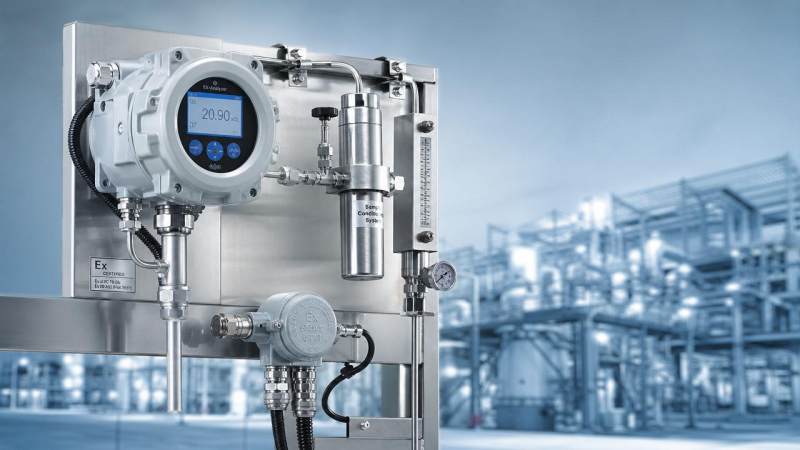
In many industrial, energy, environmental, laboratory, and automation settings, the explosion proof analyzer is treated as a standard hardware purchase instead of a risk-control instrument. That mindset creates avoidable failures before installation even begins.
Quality teams usually focus on measurement accuracy and repeatability. Safety managers focus on hazardous area protection, ignition prevention, and compliance. Procurement often focuses on price and delivery. When these priorities are not aligned, the selected analyzer may satisfy one requirement while undermining two others.
This challenge is especially common in the instrumentation industry, where devices support pressure, temperature, flow, level, composition analysis, calibration, process automation, and industrial online monitoring. An analyzer must fit both the process and the protection concept.
- Hazardous area classification is reviewed too late, so the selected explosion proof analyzer may not match the actual zone or gas group.
- Sampling system conditions are underestimated, including dust, moisture, pressure fluctuation, corrosive media, and ambient temperature extremes.
- Decision-makers compare only purchase price, ignoring lifecycle cost, calibration demand, spare parts, and maintenance downtime.
- Digital integration needs such as alarms, data logging, remote diagnostics, and control system compatibility are omitted from early specifications.
The result is familiar: unstable readings, frequent service calls, delayed commissioning, or a device that cannot be approved for the intended area. A poor selection does not only waste budget. It can increase site risk and reduce confidence in process decisions.
Which selection mistakes increase site risk the most?
The most serious errors are not always obvious during quotation review. They often appear later, when the explosion proof analyzer faces real process conditions, operator behavior, and regulatory inspection.
1. Matching the analyzer to the gas, but not to the area classification
An analyzer may be technically able to detect oxygen, hydrocarbons, toxic gases, or solvent vapors, yet still be unsuitable for the classified area. Zone, temperature class, enclosure concept, and installation method must all be verified together.
2. Ignoring the sample conditioning system
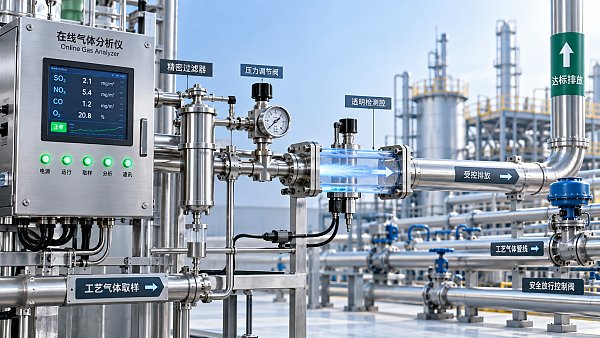
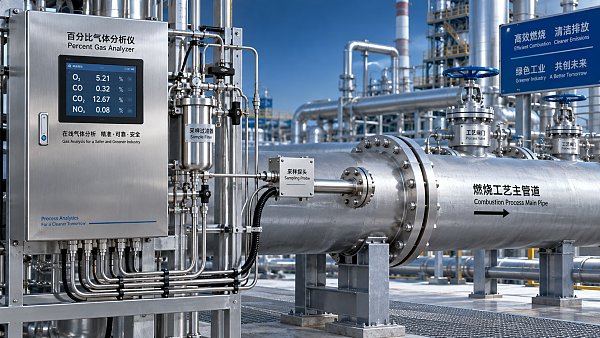
Many failures come from the sample path rather than the sensing element. Condensation, particulate loading, corrosive compounds, and pressure instability can distort results or damage internal components. A robust explosion proof analyzer needs a suitable upstream conditioning design.
3. Selecting by enclosure only
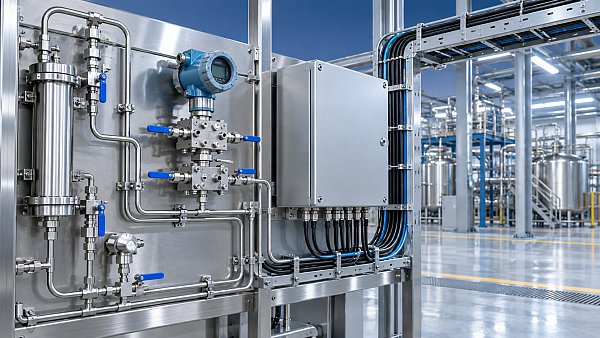
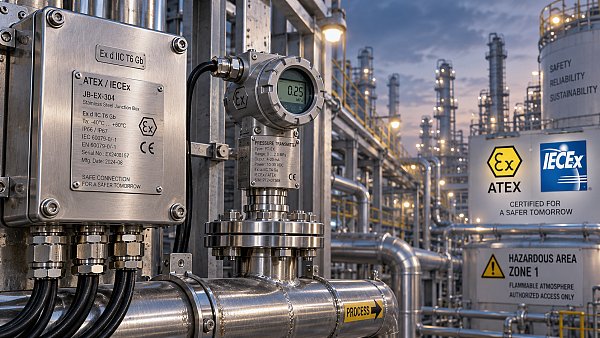
A flameproof or protected housing does not automatically mean the complete analyzer system is appropriate. Cable glands, junction boxes, purge arrangements, power supply, sensors, displays, and maintenance access points must support the same protection philosophy.
4. Underestimating calibration and maintenance burden
If calibration gas access is difficult, service intervals are short, or specialized technicians are required for routine checks, site teams may postpone maintenance. Delayed maintenance creates hidden safety exposure and weakens quality assurance.
5. Overlooking data quality under real operating conditions
Bench accuracy alone is not enough. Response time, drift, cross-sensitivity, warm-up behavior, and environmental compensation affect whether the analyzer produces decision-grade data during startup, shutdown, or upset conditions.
The table below summarizes common explosion proof analyzer mistakes and the operational consequences that matter most to quality and safety managers.
These patterns show why explosion proof analyzer selection should be handled as a cross-functional review, not a simple product comparison. The right choice protects the process, the personnel, and the integrity of monitoring data.
How should quality and safety managers evaluate an explosion proof analyzer?
A practical evaluation framework must combine process requirements, hazardous area compliance, data reliability, and serviceability. In the instrumentation sector, that means linking measurement performance with plant realities, not reviewing them separately.
Core questions to ask before approval
- What exactly must be measured: gas type, concentration range, detection limit, and expected interference components?
- What is the actual installation environment: zone classification, ambient temperature, vibration, washdown exposure, dust load, and corrosive atmosphere?
- How will the analyzer connect to operations: local display, PLC, DCS, historian, alarm logic, and maintenance diagnostics?
- What are the ongoing support needs: calibration interval, spare parts availability, consumables, field access, and operator training?
The following table can be used as a structured checklist when comparing explosion proof analyzer options across different suppliers or configurations.
For quality control personnel, measurement fit and repeatability are usually the priority. For safety managers, hazardous area suitability and alarm reliability may be more important. The best explosion proof analyzer is the one that meets both without creating heavy maintenance overhead.
Which application scenarios demand different analyzer priorities?
Not every site needs the same analyzer configuration. A solvent handling area, a wastewater treatment unit, a power plant sampling point, and a laboratory support skid may all need explosion-protected measurement, but their practical priorities differ.
Industrial manufacturing
Production lines often need fast response, stable output, and easy integration with automation systems. In these environments, an explosion proof analyzer should support continuous monitoring, clear alarm handling, and manageable calibration routines.
Energy and power
Power generation and fuel handling sites may involve combustible gas zones, high temperature variation, and critical uptime requirements. Here, service access, diagnostics, and environmental resilience become as important as measurement accuracy.
Environmental monitoring and process emission control
These applications need reliable traceability and repeatable data for internal review or regulatory reporting. A poorly selected explosion proof analyzer can create data disputes, retesting costs, or weak incident reconstruction.
Laboratory support and automated skids
Even where measurement precision is strong, enclosure design and service access are often neglected. Compact packaged systems require careful review of ventilation, cable entry, and calibration handling in limited spaces.
- If the process is highly variable, prioritize response stability and interference resistance.
- If the site is remote, prioritize diagnostics, parts availability, and low service dependency.
- If compliance review is strict, prioritize documentation clarity and installation conformity.
This scenario-based approach helps avoid a common mistake: choosing an explosion proof analyzer that is technically impressive but operationally mismatched.
What standards and compliance points should not be missed?
Compliance should never be reduced to a certificate checkbox. For an explosion proof analyzer, safe use depends on the relationship between the device approval, the installation practice, the area classification, and the documented operating limits.
Depending on project location and industry rules, teams often review internationally recognized hazardous area frameworks, electrical installation practices, and process safety documentation requirements. The exact standard set varies by region, but the review logic is consistent.
- Confirm that the protection concept aligns with the classified area and installation method.
- Check temperature class, gas group, ambient limits, and any restrictions on cable entry or maintenance access.
- Review whether the complete assembly, not just the core analyzer, remains compliant after integration.
- Ensure maintenance instructions are realistic for site practice, especially for calibration and enclosure opening.
For safety managers, this is where many hidden risks appear. A technically capable analyzer can still become a liability if field modifications, accessory choices, or service procedures break the original protection intent.
How can you reduce lifecycle cost without increasing risk?
Budget pressure is real, especially when multiple monitoring points are planned. But the lowest purchase price rarely delivers the lowest operating cost. A better strategy is to evaluate total ownership over the expected service period.
Cost items that deserve early review
- Initial hardware price, plus sample handling accessories, junction components, and integration materials.
- Calibration gases, filters, seals, sensors, and expected consumable replacement intervals.
- Labor cost for routine service, shutdown coordination, and technician travel if specialist support is required.
- Downtime cost caused by false alarms, poor reliability, or slow spare parts supply.
For many sites, a slightly higher-grade explosion proof analyzer becomes the lower-risk financial option when it offers more stable operation, simpler maintenance, and better digital diagnostics. The key is not to overspecify, but to avoid underengineering the application.
FAQ: practical questions before buying an explosion proof analyzer
How do I choose the right explosion proof analyzer for mixed process conditions?
Start with the worst credible operating condition, not the average one. Define gas composition, moisture, pressure, temperature, contamination, and interference sources. Then confirm that the analyzer technology, sample system, and hazardous area protection all remain suitable under those extremes.
What matters more: analyzer accuracy or hazardous area rating?
Both are essential, but they answer different risks. Accuracy protects data quality and process decisions. Hazardous area suitability protects personnel and assets. If either side is weak, the explosion proof analyzer is not a good fit for a safety-critical installation.
Are portable and fixed explosion proof analyzer solutions interchangeable?
Not usually. Portable devices are useful for spot checks and temporary assessment, while fixed systems support continuous monitoring, alarm integration, and audit traceability. Selection should follow the risk profile, response requirement, and operational workflow.
What is the most overlooked issue during procurement?
Sample conditioning and maintenance accessibility. Many buyers compare the analyzer core and ignore how the system will actually handle wet gas, particulates, corrosive compounds, or field calibration. That oversight often drives the highest post-installation cost.
Why choose us for explosion proof analyzer selection support?
In the instrumentation industry, successful analyzer projects depend on more than product supply. They require a clear link between measurement objectives, hazardous area realities, control integration, and long-term service planning.
We support quality control personnel and safety managers with practical selection guidance for explosion proof analyzer applications across industrial manufacturing, energy and power, environmental monitoring, laboratory systems, construction engineering support, and automation projects.
- Parameter confirmation support, including gas type, range, response targets, environmental conditions, and integration signals.
- Selection review for hazardous area suitability, installation constraints, and sample system considerations.
- Discussion of delivery timeline, spare parts planning, calibration strategy, and maintenance practicality.
- Consultation on customized configurations, documentation needs, sample support, and quotation alignment with project priorities.
If you are comparing options or trying to avoid costly explosion proof analyzer mistakes, contact us with your process conditions, area classification, and measurement goals. We can help you narrow the specification, identify risk points early, and build a more dependable solution path.
Recommended for You
 When does a laser gas analyzer meet stack emissions monitoring needs?Laser gas analyzer for stack emissions: learn when it delivers fast, reliable data, how to assess installation risks, and what to verify for CEMS compliance.
 How to select a hazardous gas analyzer for confined spacesHazardous gas analyzer selection for confined spaces: compare sensors, sampling, certifications, alarms, and maintenance to protect workers and choose with confidence.
 When is a single gas analyzer sufficient for workplace safety monitoring?Discover when a single gas analyzer delivers reliable workplace safety monitoring, and learn the key limits, calibration needs, and risks that require broader detection.
 How to choose an ambient gas analyzer for low-level leak detectionAmbient gas analyzer selection for low-level leak detection: compare sensitivity, cross-sensitivity, sampling design, alarms, and calibration for reliable site performance.
 How to tell when an oxygen sensor needs replacementOxygen sensor replacement signs explained: learn how live data, fault codes, wiring checks, and exhaust inspections pinpoint the real issue before you buy.
 How laser gas analyzers improve combustion control in steel furnacesLaser gas analyzer for steel industry applications delivers fast in-situ O₂ and CO data to optimize furnace combustion, cut fuel waste, and improve steel heating stability.
 How to verify whether explosion proof equipment meets site requirementsExplosion proof equipment verification made practical: match zones, gas or dust groups, temperature classes, certificates, and installation conditions for confident compliance.
 How industrial gas analysis helps detect contamination before releaseIndustrial Gas Analysis helps detect moisture, oil, oxygen, and toxic contaminants before release—protecting processes, ensuring compliance, and reducing costly risks.
 When is electrochemistry detection the right choice for water analysis?Electrochemistry detection for water analysis: learn when fast, reliable monitoring of ions, chlorine, pH, and more delivers actionable results.
 How industrial standards reduce quality risks in supplier selectionIndustrial Standard guidance helps quality and safety managers reduce supplier risks, verify compliance, strengthen traceability, and build resilient instrumentation supply chains.
 When does a multi-component system reduce installation complexity?Multi component systems reduce installation complexity when they eliminate field interfaces, streamline commissioning, and provide proven compatibility. Learn how to assess total cost and supplier accountability.
 How to size an industrial control shelter for outdoor equipmentIndustrial control shelter sizing guide: optimize layout, HVAC, access, safety, and expansion space for reliable outdoor equipment operations.
 How flue analysis helps verify combustion efficiencyFlue analysis verifies combustion efficiency by assessing O2, CO, CO2, and stack temperature to identify excess air, incomplete combustion, and heat losses.
 How to select industrial gas detectors for confined spacesIndustrial gas detectors for confined spaces: learn how to match sensors, sampling methods, alarms, and certifications to real atmospheric hazards.
 When does a laser oxygen analyzer outperform zirconia sensors?Laser oxygen analyzer vs. zirconia sensors: compare speed, selectivity, maintenance, gas chemistry, and installation needs to choose the right oxygen measurement solution.
 How to select a percent range analyzer for process measurementsPercent range analyzer selection made practical: compare accuracy, sample systems, calibration, gas matrix, integration, and lifecycle cost for reliable process measurements.
 How explosion proof analysis verifies safe equipment for hazardous areasExplosion proof analysis verifies hazardous-area equipment by matching certifications, temperature ratings, installation details, and inspection controls for safer compliance.
 When does fixed gas detection need point sensors instead of open-path monitoring?Fixed gas detection: discover when point sensors outperform open-path monitoring for predictable leaks, enclosed zones, local alarms, and safer design decisions.
 How to choose industrial metrology systems for tight-tolerance partsIndustrial metrology guide for tight-tolerance parts: compare CMMs, optical scanners, gauges, uncertainty, workflow, and traceable inspection strategies.
 How process metrology reduces measurement variation in productionProcess metrology reduces production measurement variation by improving traceability, uncertainty control, calibration, and reliable quality decisions.
 How to select an industrial monitoring analyzer for harsh environmentsIndustrial monitoring analyzer selection for harsh environments: evaluate sampling, durability, hazardous-area compliance, accuracy, maintenance, and data reliability.
 How calibration intervals affect test and measurement equipment accuracyTest and measurement equipment calibration intervals directly affect accuracy, risk, compliance, and uptime. Learn how to set evidence-based schedules that protect critical decisions.
 When does process gas monitoring need continuous measurement?Process gas monitoring needs continuous measurement when rapid changes threaten safety, quality, compliance, or uptime. Learn how to specify reliable, actionable monitoring systems.
 How to prevent false alarms in power plant instrumentationPower plant instrumentation guide: prevent false alarms with reliable signal checks, smarter alarm settings, mode-based control, and actionable operator responses.
 How fixed gas detectors help prevent leaks in enclosed workspacesFixed gas detectors provide continuous leak monitoring in enclosed workspaces, enabling faster alarms, safer responses, and stronger protection for people and processes.
 How industrial gas analysis helps detect process contamination earlyIndustrial Gas Analysis helps detect oxygen, moisture, and hydrocarbon contamination early, enabling faster fault isolation, safer operations, and stronger process control.
 What drives environmental compliance continuous monitoring setup cost?Environmental compliance continuous monitoring setup cost: uncover hidden expenses, compare bids accurately, and build a reliable, audit-ready system.
 How to select gas analysis equipment for continuous emissions monitoringGas analysis equipment selection guide for reliable continuous emissions monitoring—compare technologies, sampling, calibration, compliance, and maintenance needs.
 What detection limit is needed for NH3 environmental monitoring?High accuracy NH3 analyzer for environmental monitoring: learn how to set the right detection limit, improve sampling reliability, and make defensible decisions.
 How to select a NOX analyzer for power plant emissions complianceNOX analyzer for power plant emissions: learn how to select a compliant, reliable CEMS solution with the right range, sample handling, calibration, and data integrity.
 How to evaluate a laser gas analyzer manufacturer in GermanyLaser gas analyzer manufacturer in Germany: compare accuracy, sample handling, interference control, calibration, and service to select a reliable solution.
 How does a flue gas analyzer maintain accuracy in wet stack gas?Flue gas analyzer accuracy in wet stack gas depends on heated sampling, moisture correction, reliable sensors, and calibration. Explore key selection tips.


Search Categories
Search Categories
- Smart Meters & Power Quality
- Transformer Gas Analyzers
- BESS Thermal Runaway Detectors
- Energy, Power & Smart Grid Monitoring
- Optical Profilers & CMM
- Ultrasonic & X-Ray NDT
- Calibration Standards
- Precision Metrology & NDT
- Water Quality Analyzers
- CEMS & VOCs Monitors
- Price Trends
- Import & Export Updates
- Market Trends
- Industry News
- Industry Insights
Latest Article
- When does a laser gas analyzer meet stack emissions monitoring needs?Laser gas analyzer for stack emissions: learn when it delivers fast, reliable data, how to assess installation risks, and what to verify for CEMS compliance.Posted by:
- How to select a hazardous gas analyzer for confined spacesHazardous gas analyzer selection for confined spaces: compare sensors, sampling, certifications, alarms, and maintenance to protect workers and choose with confidence.Posted by:
- When is a single gas analyzer sufficient for workplace safety monitoring?Discover when a single gas analyzer delivers reliable workplace safety monitoring, and learn the key limits, calibration needs, and risks that require broader detection.Posted by:
Please give us a message
