HCl Analyzer Purchase Considerations for Small to Medium Facilities


HCl Analyzer Purchase Considerations for Small to Medium Facilities
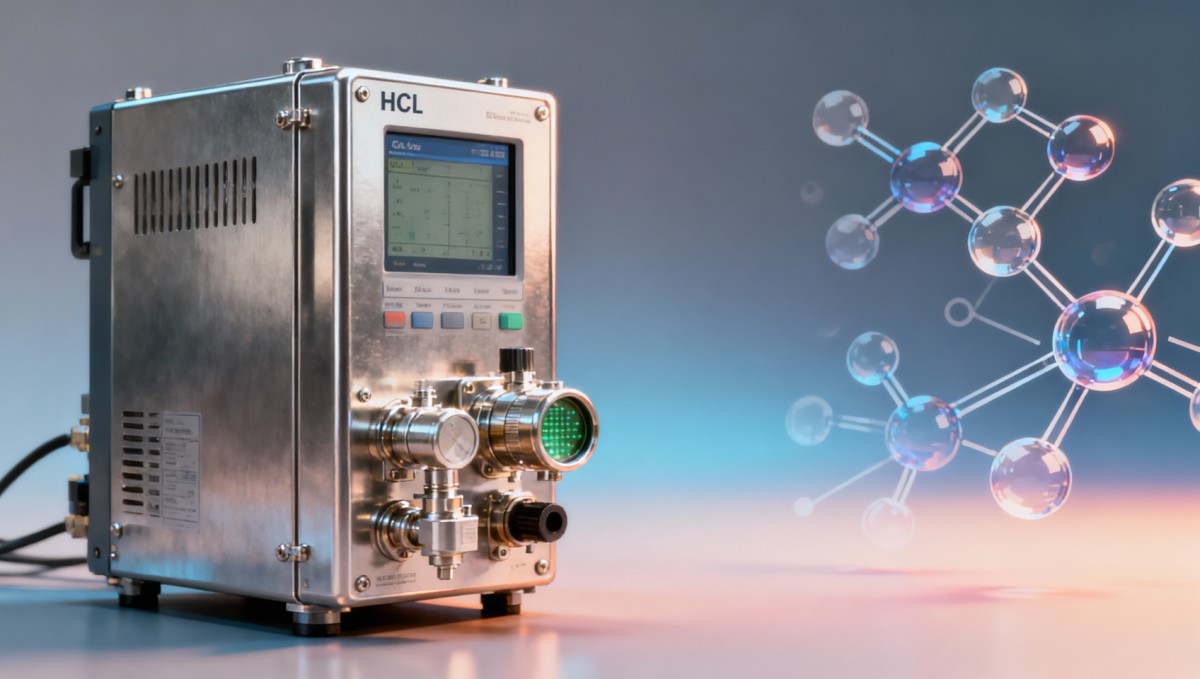
Selecting the right HCl concentration analyzer is crucial for small to medium facilities balancing precision, safety and budget. This guide explores key purchase considerations for toxic gas analyzers including HCl, Cl2, H2S and AsH3 detection - covering accuracy requirements, maintenance needs, regulatory compliance and total cost of ownership. Discover how to evaluate analyzers for your specific facility needs while ensuring optimal performance for PH3, HCN, HF and F2 monitoring applications.
Understanding Your Facility's HCl Monitoring Requirements
Before purchasing an HCl analyzer, assess your facility's specific needs. Consider the typical concentration range you need to measure - most industrial applications require detection between 0-50 ppm for safety monitoring, while some processes may need higher ranges up to 1000 ppm.
Key factors to evaluate include:
- Process conditions (temperature, pressure, humidity)
- Potential interference gases present
- Required response time (typically 15-60 seconds)
- Alarm threshold levels (often 1-5 ppm for personnel safety)
Common Application Scenarios
HCl analyzers serve critical roles in various industries:
The table above shows how concentration requirements vary significantly by application. Semiconductor facilities typically need ultra-sensitive detection, while chemical plants may require broader measurement ranges.
Key Technical Specifications to Evaluate
When comparing HCl analyzers, focus on these critical technical parameters:
Measurement Accuracy and Range
Look for analyzers with ±1% FS (Full Scale) accuracy or better for most industrial applications. The measurement range should exceed your maximum expected concentration by at least 20% to ensure safe operation.
Detection Technology Comparison
Different technologies offer varying benefits:
For small to medium facilities, electrochemical sensors often provide the best balance of performance and cost, while laser absorption may be justified for critical safety applications.
Total Cost of Ownership Considerations
Beyond the initial purchase price, consider these ongoing costs:
- Sensor replacement (every 12-24 months for electrochemical)
- Calibration gas and supplies ($500-$1,500 annually)
- Preventive maintenance (2-4 service visits per year)
- Downtime impact from false alarms or failures
Regulatory Compliance Requirements
Ensure your analyzer meets relevant standards:
- OSHA PEL (Permissible Exposure Limit): 5 ppm ceiling
- NIOSH REL (Recommended Exposure Limit): 5 ppm STEL
- ATEX/IECEx certification for hazardous areas
- EPA 40 CFR Part 60 for emissions monitoring
Implementation and Maintenance Best Practices
Proper installation and maintenance are critical for reliable operation:
Installation Checklist
- Select optimal sampling point (avoid dead zones)
- Ensure proper sample conditioning (filtration, moisture removal)
- Verify adequate purge gas supply if required
- Calibrate before initial operation
- Test alarm functionality
Maintenance Schedule
Typical maintenance intervals for electrochemical analyzers:
- Daily: Verify basic operation
- Weekly: Check sample flow rate
- Monthly: Perform span check
- Quarterly: Full calibration
- Annually: Complete system inspection
Frequently Asked Questions
How often should HCl analyzers be calibrated?
Most manufacturers recommend quarterly calibrations, but facilities with strict compliance requirements may need monthly calibrations. Always follow the more stringent requirement between manufacturer guidelines and your regulatory obligations.
What's the typical lifespan of an HCl analyzer?
The main unit typically lasts 5-10 years with proper maintenance. Electrochemical sensors require replacement every 12-24 months, while laser-based systems may operate for 5+ years without major component replacement.
Can one analyzer monitor multiple gases including HCl?
Yes, multi-gas analyzers are available that can detect HCl along with other toxic gases like Cl2, H2S, and PH3. These systems typically cost 20-40% more than single-gas analyzers but can reduce overall equipment needs.
Making the Right Purchase Decision
When selecting an HCl analyzer for your small to medium facility, balance these factors:
- Match the detection technology to your accuracy and response time needs
- Consider total cost of ownership, not just purchase price
- Verify compliance with all relevant regulations
- Evaluate the supplier's technical support capabilities
- Ensure compatibility with your existing control systems
For facilities requiring assistance with HCl analyzer selection, our team of instrumentation specialists can provide customized recommendations based on your specific process requirements and budget constraints. Contact us today to discuss your gas detection needs.
Recommended for You
 How to Choose an Oxygen Sensor That LastsOxygen sensor selection made practical: learn how to choose a durable sensor for oxygen analysis, combustion analysis, environmental analysis, safety analysis, and air monitoring.
 Monitoring Sensor Prices in 2026: What Is Changing and WhyMonitoring sensor prices in 2026: compare portable sensor, fixed sensor, oxygen detector, infrared detector, electrochemical detector and paramagnetic detector options to choose a high accuracy sensor with better lifecycle value.
 Monitoring Sensor Data Looks Stable Until These Errors Show UpMonitoring sensor errors can hide behind stable data. Compare paramagnetic detector, electrochemical detector, infrared detector, and oxygen detector options for safer, high accuracy sensor selection.
 What Makes a Control Sensor Reliable in Harsh Environments?Control sensor reliability in harsh environments starts with the right oxygen detector, infrared detector, electrochemical detector, or paramagnetic detector for accurate, dependable monitoring.
 Control Sensor Delays Can Undermine Process StabilityControl sensor delays can destabilize operations. Compare paramagnetic detector, electrochemical detector, infrared detector, and oxygen detector options to find a high accuracy sensor for fixed, portable, laboratory, and monitoring sensor needs.
 Laboratory Sensor Repeatability Problems Often Start With SamplingLaboratory sensor repeatability issues often begin with sampling. Compare paramagnetic detector, electrochemical detector, infrared detector, and oxygen detector solutions to improve accuracy.
 Laboratory Sensor Selection Gets Harder With Lower Detection LimitsLaboratory sensor selection gets harder at lower limits. Compare paramagnetic detector, electrochemical detector, infrared detector, oxygen detector, fixed and portable sensor options for high accuracy monitoring and control.
 Portable Sensor Battery Loss Can Distort Long Shift MonitoringPortable sensor battery loss can distort long-shift monitoring. Compare paramagnetic detector, electrochemical detector, infrared detector and oxygen detector options for high accuracy sensor performance.
 Portable Sensor Accuracy in the Field Is Not Always What It SeemsPortable sensor accuracy can differ sharply from lab results. Compare paramagnetic detector, electrochemical detector, infrared detector, and oxygen detector performance to choose a high accuracy sensor for real field use.
 Fixed Sensor vs Portable Checks: Where Results Often DivergeExplore why fixed sensor and portable sensor readings diverge in oxygen detector systems using paramagnetic detector, electrochemical detector, and infrared detector technology.
 Fixed Sensor Installation Mistakes That Lead to Unstable DataFixed sensor installation mistakes can destabilize data from paramagnetic detector, electrochemical detector, infrared detector, and oxygen detector systems. Learn how high accuracy sensor setup improves monitoring sensor and control sensor performance.
 Why a High Accuracy Sensor May Still Miss Critical ChangesHigh accuracy sensor limits explained: compare paramagnetic detector, electrochemical detector, infrared detector and oxygen detector options to choose the right fixed, portable, laboratory or monitoring sensor.
 High Accuracy Sensor Claims: Which Specs Actually Prove It?High accuracy sensor selection starts with the right specs. Compare paramagnetic detector, electrochemical detector, infrared detector, and oxygen detector options for fixed, portable, laboratory, control, and monitoring sensor use.
 What Shortens the Service Life of an Oxygen Detector?Oxygen detector service life can drop fast due to heat, moisture, contamination, and poor calibration. Compare paramagnetic detector, electrochemical detector, and infrared detector solutions now.
 Oxygen Detector False Alarms Often Start With Sensor PlacementOxygen detector false alarms often start with sensor placement. Compare paramagnetic detector, electrochemical detector, and infrared detector options to improve accuracy and safety.
 Infrared Detector Response Time Can Change Your ReadingInfrared detector response time shapes alarm accuracy and stable readings. Compare paramagnetic detector, electrochemical detector, and oxygen detector options for every high accuracy sensor need.
 Infrared Detector Limits That Matter in Mixed Gas ApplicationsInfrared detector limits in mixed gas applications: compare paramagnetic detector, electrochemical detector, and oxygen detector options to choose a high accuracy sensor for portable, fixed, laboratory, control, and monitoring sensor use.
 Why Electrochemical Detector Calibration Fails More Often Than ExpectedElectrochemical detector calibration fails more often than expected—learn how a paramagnetic detector, infrared detector, or oxygen detector comparison helps you choose a high accuracy sensor for fixed, portable, laboratory, control, and monitoring sensor applications.
 Electrochemical Detector Lifespan Drops Fast Under These ConditionsElectrochemical detector lifespan can drop fast in heat, humidity, and corrosive gas. Compare paramagnetic detector, infrared detector, and oxygen detector options to choose a high accuracy sensor with lower lifecycle risk.
 Paramagnetic Detector Drift: What Usually Causes It?Paramagnetic detector drift explained: learn what causes oxygen detector errors, how it compares with electrochemical detector and infrared detector options, and how to keep a high accuracy sensor stable.
 When Does a Paramagnetic Detector Outperform Other O2 Methods?Paramagnetic detector vs electrochemical detector and infrared detector: learn when this oxygen detector delivers high accuracy sensor performance for fixed, portable, laboratory, control, and monitoring sensor applications.
 Portable Detector Trends to WatchPortable detector trends: explore explosion proof monitor, laser monitor, infrared monitor, oxygen monitor, and high accuracy detector solutions that integrate with fixed detector systems.
 Fixed Detector Setup Mistakes to AvoidFixed detector setup mistakes can impact safety and costs. Learn how explosion proof monitor, oxygen monitor, infrared monitor, and portable detector users avoid false readings.
 High Accuracy Detector Selection TipsHigh accuracy detector selection tips for fixed detector and portable detector needs, covering explosion proof monitor, oxygen monitor, infrared monitor, and more for safer, smarter buying.
 Oxygen Monitor Export Trends in 2026Oxygen monitor export trends in 2026: explore explosion proof monitor, laser monitor, portable detector, fixed detector, and high accuracy detector demand shaping smarter buying decisions.
 Infrared Monitor Market Outlook 2026Infrared monitor market outlook 2026: compare explosion proof monitor, laser monitor, oxygen monitor, fixed detector and portable detector solutions for safer, smarter industrial projects.
 Where Electrochemical Monitors Work BestElectrochemical monitor guide: compare explosion proof monitor, infrared monitor, laser monitor, oxygen monitor, fixed detector, and portable detector for safer, smarter gas detection choices.
 Paramagnetic Monitor Import Outlook 2026Paramagnetic monitor import outlook 2026: compare explosion proof monitor, laser monitor, infrared monitor, oxygen monitor, and high accuracy detector solutions to source the right fixed or portable detector.
 Thermal Conductivity Monitor Price ShiftThermal conductivity monitor price trends explained with explosion proof monitor, laser monitor, oxygen monitor, and fixed or portable detector options for smarter, safer buying.
 How Laser Monitor Demand Is ChangingLaser monitor demand is changing as buyers compare explosion proof monitor, infrared, electrochemical, and oxygen monitor options for safer, high accuracy detector solutions.
 Oxygen Measurement System Export Demand in 2026Oxygen measurement system demand in 2026 is rising across industrial control equipment, gas quality measurement, emission control system, and process monitoring system markets. Explore key trends and smarter sourcing insights.
 Industrial Control System Trends to Watch in 2026Industrial control system trends for 2026: explore industrial control equipment, process monitoring system, gas quality measurement, oxygen measurement system, and emission control system upgrades.
Search Categories
Search Categories
Latest Article
- How to Choose an Oxygen Sensor That LastsOxygen sensor selection made practical: learn how to choose a durable sensor for oxygen analysis, combustion analysis, environmental analysis, safety analysis, and air monitoring.Posted by:
- Monitoring Sensor Prices in 2026: What Is Changing and WhyMonitoring sensor prices in 2026: compare portable sensor, fixed sensor, oxygen detector, infrared detector, electrochemical detector and paramagnetic detector options to choose a high accuracy sensor with better lifecycle value.Posted by:
- Monitoring Sensor Data Looks Stable Until These Errors Show UpMonitoring sensor errors can hide behind stable data. Compare paramagnetic detector, electrochemical detector, infrared detector, and oxygen detector options for safer, high accuracy sensor selection.Posted by:
Please give us a message
