
Laser Oxygen Analyzer or Industrial Oxygen Analyzer: Which Fits Better


Choosing between a laser oxygen analyzer and a traditional industrial oxygen analyzer affects accuracy, response time, maintenance effort, and lifecycle cost.
In the instrumentation industry, oxygen measurement supports combustion control, process safety, emissions compliance, quality assurance, and automation performance.
A laser oxygen analyzer often delivers fast, selective, in-situ measurement. A conventional industrial oxygen analyzer may offer broader familiarity, simpler budgets, or easier retrofit paths.
The better fit depends on gas composition, installation layout, required reliability, and how the analyzer supports digital and intelligent plant operation.
Measurement Principles and Core Differences
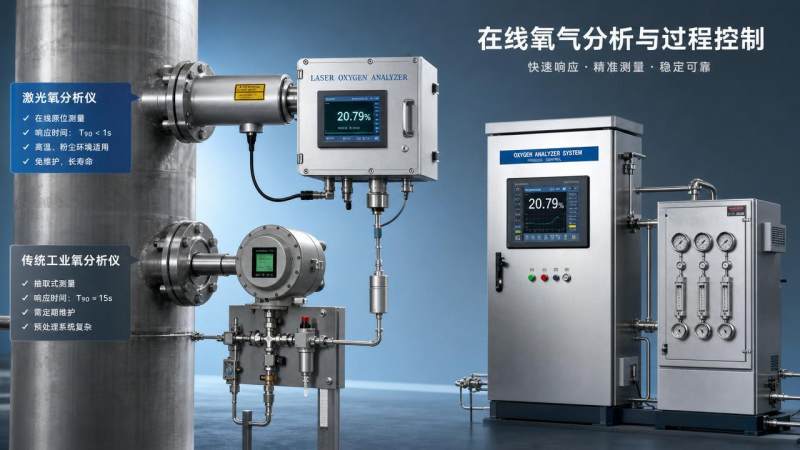
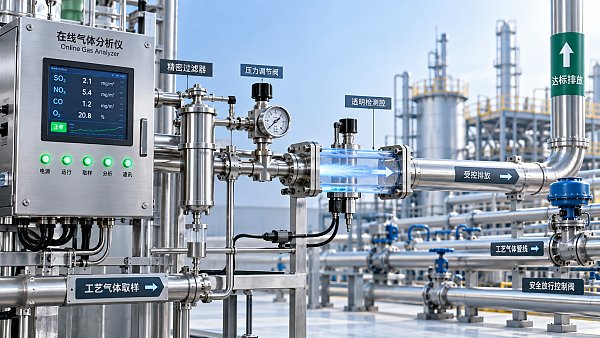
A laser oxygen analyzer measures oxygen through optical absorption. It typically uses tunable diode laser technology to detect oxygen directly in the process gas path.
This non-contact approach reduces interference from many background gases. It also limits delays caused by sample transport, conditioning, and filtration.
An industrial oxygen analyzer is a broader category. It often includes zirconia analyzers, electrochemical analyzers, paramagnetic analyzers, and extractive systems.
Zirconia units are common in combustion monitoring. Electrochemical types are used in lower concentration ranges and packaged systems. Paramagnetic models offer strong accuracy in clean samples.
Therefore, comparing a laser oxygen analyzer with an industrial oxygen analyzer means comparing a specific advanced technology with several traditional alternatives.
How the signal is obtained
- Laser oxygen analyzer: direct optical absorption in the process stream.
- Zirconia analyzer: electrochemical reaction across a heated sensor.
- Electrochemical analyzer: oxygen reacts inside a sensor cell.
- Paramagnetic analyzer: oxygen response to magnetic properties.
Why Oxygen Analysis Matters Across Industry
The instrumentation industry connects measurement data with control decisions. Oxygen analysis is one of the most important links in that chain.
In boilers, furnaces, kilns, and incinerators, oxygen readings influence combustion efficiency, fuel consumption, and thermal stability.
In chemical processing, oxygen concentration can affect reaction safety, inerting performance, and product consistency.
In environmental systems, oxygen data supports emissions optimization and process transparency. In automation, better data means tighter feedback control.
Current decision signals in the market
Performance Comparison: Laser Oxygen Analyzer vs Industrial Oxygen Analyzer
A laser oxygen analyzer usually stands out in response speed. Because it can measure in situ, it avoids sample lag common in extractive systems.
That speed matters in processes with fast load swings, burner adjustments, or unstable gas distribution.
Accuracy also differs by application. A laser oxygen analyzer performs well where cross-interference and sampling distortion are major concerns.
A traditional industrial oxygen analyzer may still be highly accurate in clean, stable, and well-conditioned gas streams.
Key comparison points
Application Value in Real Operating Conditions
The value of a laser oxygen analyzer becomes clearer when measurement delays create process losses. Faster data can improve control loop quality immediately.
In combustion systems, precise oxygen tracking helps reduce excess air. That can lower fuel use, stabilize flame conditions, and limit thermal variability.
In waste gas treatment or thermal oxidation, rapid oxygen measurement can support safer operating windows and stronger destruction efficiency.
A conventional industrial oxygen analyzer offers value where process conditions are steady, budgets are constrained, or existing sample systems already work reliably.
If maintenance teams already support zirconia or electrochemical platforms, continuity may outweigh the benefits of switching immediately.
Business impact areas
- Reduced fuel waste through tighter combustion control.
- Less downtime from fewer sampling system failures.
- Better compliance support through more stable oxygen data.
- Improved automation performance in dynamic processes.
Typical Scenarios and Technology Fit
No single analyzer fits every process. The best choice depends on gas temperature, pressure, particulates, moisture, and required analyzer location.
Practical Selection Considerations
Start with the process, not the product label. A laser oxygen analyzer is not automatically superior in every installation.
Review the required measurement range, expected oxygen profile, and whether direct line-of-sight installation is feasible.
Check optical path stability, purge requirements, and access for alignment. For traditional analyzers, assess sample transport delay and conditioning reliability.
Lifecycle economics matter more than purchase price alone. Include calibration frequency, spare parts, sensor replacement, cleaning intervals, and process losses from downtime.
A practical evaluation checklist
- Define whether the process needs real-time control or periodic verification.
- Map gas temperature, pressure, dust load, and corrosive content.
- Estimate maintenance access and shutdown limitations.
- Compare total cost over several operating years.
- Confirm communication, diagnostics, and control system compatibility.
Implementation Notes for Better Results
Installation quality strongly affects analyzer performance. Even the best laser oxygen analyzer can underperform if alignment, purge design, or mounting location is poor.
Similarly, an industrial oxygen analyzer can deliver dependable data when the sample path is short, heated correctly, and protected from contamination.
It is useful to validate response time under real operating disturbances, not only under laboratory specifications.
Diagnostic outputs should be integrated into plant maintenance systems. That supports predictive service and strengthens overall instrumentation reliability.
Conclusion and Next-Step Direction
A laser oxygen analyzer fits better when speed, low maintenance, and direct in-situ measurement are critical to process control and efficiency.
A traditional industrial oxygen analyzer fits better when process conditions are stable, established infrastructure exists, or upfront cost has higher priority.
The most reliable decision comes from matching analyzer technology to process reality, not from comparing specifications in isolation.
If a laser oxygen analyzer is under consideration, begin with a site-based review of gas conditions, installation constraints, control objectives, and lifecycle maintenance expectations.
That approach will show whether the laser oxygen analyzer truly delivers better performance and value for the intended industrial environment.
Recommended for You
 When does a laser gas analyzer meet stack emissions monitoring needs?Laser gas analyzer for stack emissions: learn when it delivers fast, reliable data, how to assess installation risks, and what to verify for CEMS compliance.
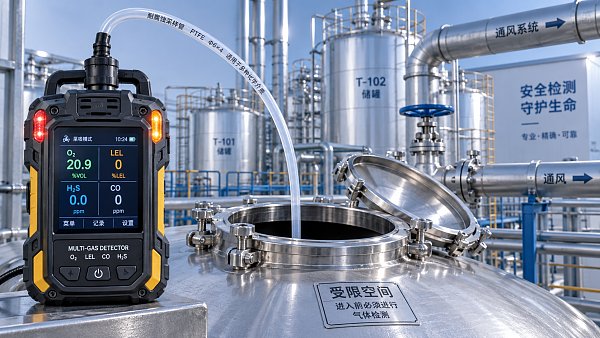
 How to select a hazardous gas analyzer for confined spacesHazardous gas analyzer selection for confined spaces: compare sensors, sampling, certifications, alarms, and maintenance to protect workers and choose with confidence.
 When is a single gas analyzer sufficient for workplace safety monitoring?Discover when a single gas analyzer delivers reliable workplace safety monitoring, and learn the key limits, calibration needs, and risks that require broader detection.
 How to choose an ambient gas analyzer for low-level leak detectionAmbient gas analyzer selection for low-level leak detection: compare sensitivity, cross-sensitivity, sampling design, alarms, and calibration for reliable site performance.
 How to tell when an oxygen sensor needs replacementOxygen sensor replacement signs explained: learn how live data, fault codes, wiring checks, and exhaust inspections pinpoint the real issue before you buy.
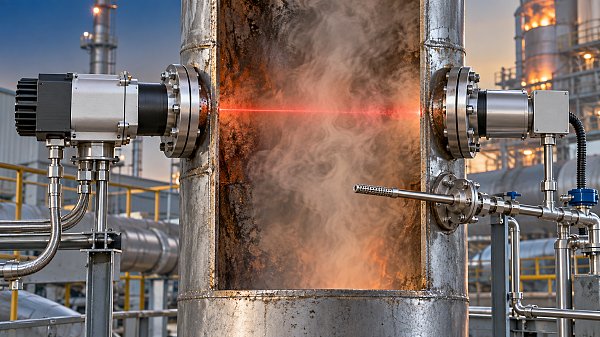
 How laser gas analyzers improve combustion control in steel furnacesLaser gas analyzer for steel industry applications delivers fast in-situ O₂ and CO data to optimize furnace combustion, cut fuel waste, and improve steel heating stability.
 How to verify whether explosion proof equipment meets site requirementsExplosion proof equipment verification made practical: match zones, gas or dust groups, temperature classes, certificates, and installation conditions for confident compliance.
 How industrial gas analysis helps detect contamination before releaseIndustrial Gas Analysis helps detect moisture, oil, oxygen, and toxic contaminants before release—protecting processes, ensuring compliance, and reducing costly risks.
 When is electrochemistry detection the right choice for water analysis?Electrochemistry detection for water analysis: learn when fast, reliable monitoring of ions, chlorine, pH, and more delivers actionable results.
 How industrial standards reduce quality risks in supplier selectionIndustrial Standard guidance helps quality and safety managers reduce supplier risks, verify compliance, strengthen traceability, and build resilient instrumentation supply chains.
 When does a multi-component system reduce installation complexity?Multi component systems reduce installation complexity when they eliminate field interfaces, streamline commissioning, and provide proven compatibility. Learn how to assess total cost and supplier accountability.
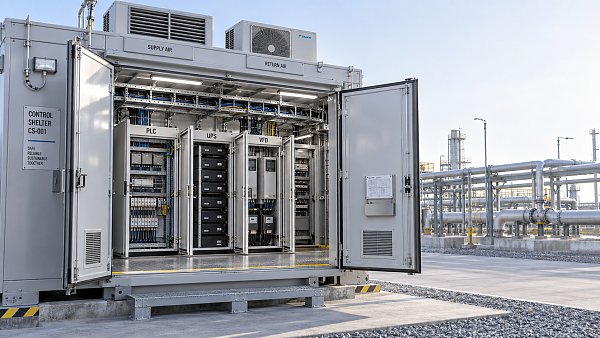
 How to size an industrial control shelter for outdoor equipmentIndustrial control shelter sizing guide: optimize layout, HVAC, access, safety, and expansion space for reliable outdoor equipment operations.
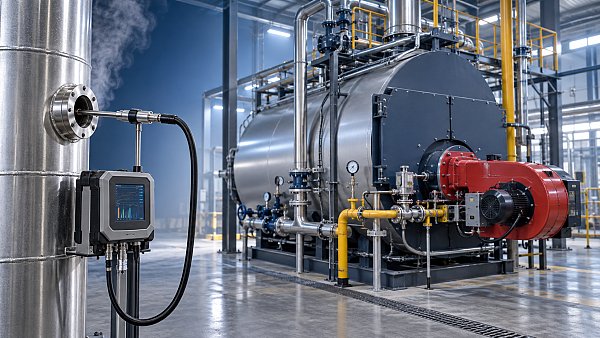
 How flue analysis helps verify combustion efficiencyFlue analysis verifies combustion efficiency by assessing O2, CO, CO2, and stack temperature to identify excess air, incomplete combustion, and heat losses.
 How to select industrial gas detectors for confined spacesIndustrial gas detectors for confined spaces: learn how to match sensors, sampling methods, alarms, and certifications to real atmospheric hazards.
 When does a laser oxygen analyzer outperform zirconia sensors?Laser oxygen analyzer vs. zirconia sensors: compare speed, selectivity, maintenance, gas chemistry, and installation needs to choose the right oxygen measurement solution.
 How to select a percent range analyzer for process measurementsPercent range analyzer selection made practical: compare accuracy, sample systems, calibration, gas matrix, integration, and lifecycle cost for reliable process measurements.
 How explosion proof analysis verifies safe equipment for hazardous areasExplosion proof analysis verifies hazardous-area equipment by matching certifications, temperature ratings, installation details, and inspection controls for safer compliance.
 When does fixed gas detection need point sensors instead of open-path monitoring?Fixed gas detection: discover when point sensors outperform open-path monitoring for predictable leaks, enclosed zones, local alarms, and safer design decisions.
 How to choose industrial metrology systems for tight-tolerance partsIndustrial metrology guide for tight-tolerance parts: compare CMMs, optical scanners, gauges, uncertainty, workflow, and traceable inspection strategies.
 How process metrology reduces measurement variation in productionProcess metrology reduces production measurement variation by improving traceability, uncertainty control, calibration, and reliable quality decisions.
 How to select an industrial monitoring analyzer for harsh environmentsIndustrial monitoring analyzer selection for harsh environments: evaluate sampling, durability, hazardous-area compliance, accuracy, maintenance, and data reliability.
 How calibration intervals affect test and measurement equipment accuracyTest and measurement equipment calibration intervals directly affect accuracy, risk, compliance, and uptime. Learn how to set evidence-based schedules that protect critical decisions.
 When does process gas monitoring need continuous measurement?Process gas monitoring needs continuous measurement when rapid changes threaten safety, quality, compliance, or uptime. Learn how to specify reliable, actionable monitoring systems.
 How to prevent false alarms in power plant instrumentationPower plant instrumentation guide: prevent false alarms with reliable signal checks, smarter alarm settings, mode-based control, and actionable operator responses.
 How fixed gas detectors help prevent leaks in enclosed workspacesFixed gas detectors provide continuous leak monitoring in enclosed workspaces, enabling faster alarms, safer responses, and stronger protection for people and processes.
 How industrial gas analysis helps detect process contamination earlyIndustrial Gas Analysis helps detect oxygen, moisture, and hydrocarbon contamination early, enabling faster fault isolation, safer operations, and stronger process control.
 What drives environmental compliance continuous monitoring setup cost?Environmental compliance continuous monitoring setup cost: uncover hidden expenses, compare bids accurately, and build a reliable, audit-ready system.
 How to select gas analysis equipment for continuous emissions monitoringGas analysis equipment selection guide for reliable continuous emissions monitoring—compare technologies, sampling, calibration, compliance, and maintenance needs.
 What detection limit is needed for NH3 environmental monitoring?High accuracy NH3 analyzer for environmental monitoring: learn how to set the right detection limit, improve sampling reliability, and make defensible decisions.
 How to select a NOX analyzer for power plant emissions complianceNOX analyzer for power plant emissions: learn how to select a compliant, reliable CEMS solution with the right range, sample handling, calibration, and data integrity.
 How to evaluate a laser gas analyzer manufacturer in GermanyLaser gas analyzer manufacturer in Germany: compare accuracy, sample handling, interference control, calibration, and service to select a reliable solution.
 How does a flue gas analyzer maintain accuracy in wet stack gas?Flue gas analyzer accuracy in wet stack gas depends on heated sampling, moisture correction, reliable sensors, and calibration. Explore key selection tips.


Search Categories
Search Categories
- Smart Meters & Power Quality
- Transformer Gas Analyzers
- BESS Thermal Runaway Detectors
- Energy, Power & Smart Grid Monitoring
- Optical Profilers & CMM
- Ultrasonic & X-Ray NDT
- Calibration Standards
- Precision Metrology & NDT
- Water Quality Analyzers
- CEMS & VOCs Monitors
- Price Trends
- Import & Export Updates
- Market Trends
- Industry News
- Industry Insights
Latest Article
- When does a laser gas analyzer meet stack emissions monitoring needs?Laser gas analyzer for stack emissions: learn when it delivers fast, reliable data, how to assess installation risks, and what to verify for CEMS compliance.Posted by:
- How to select a hazardous gas analyzer for confined spacesHazardous gas analyzer selection for confined spaces: compare sensors, sampling, certifications, alarms, and maintenance to protect workers and choose with confidence.Posted by:
- When is a single gas analyzer sufficient for workplace safety monitoring?Discover when a single gas analyzer delivers reliable workplace safety monitoring, and learn the key limits, calibration needs, and risks that require broader detection.Posted by:
Please give us a message
