
Industrial Oxygen Analyzer Price Trends in 2026: Cost Drivers to Watch


As capital budgets tighten and procurement decisions face greater scrutiny, understanding industrial oxygen analyzer price trends in 2026 becomes essential for financial approvers. Beyond the quoted unit cost, factors such as sensor technology, compliance requirements, installation complexity, maintenance intervals, and supplier support can significantly affect total investment. This article highlights the key cost drivers behind industrial oxygen analyzer pricing to help you evaluate value, control risk, and make more informed purchasing decisions.
What is really shaping industrial oxygen analyzer pricing in 2026?
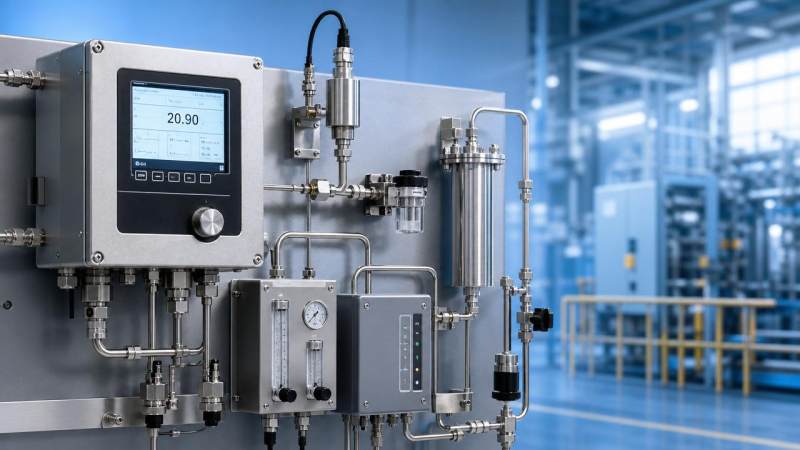
For finance teams, the main challenge is not whether an industrial oxygen analyzer is necessary, but whether the selected solution matches process risk, compliance demands, and expected service life. In 2026, pricing is increasingly influenced by lifecycle value rather than base hardware cost alone.
This matters across the broader instrumentation industry, where analyzers support industrial manufacturing, energy and power, environmental monitoring, laboratory systems, medical testing support environments, construction engineering, and automation control. In these sectors, oxygen measurement accuracy can affect safety, combustion efficiency, emissions control, and product quality.
A low entry price may look attractive on a capital request form. However, if calibration frequency is high, probes fail early, or the analyzer requires costly shutdowns for maintenance, the actual financial burden rises quickly. That is why financial approvers should review the full cost structure before signing off.
- Sensor type and measurement principle directly affect acquisition cost, response time, and replacement intervals.
- Process conditions such as high temperature, dust, moisture, and corrosive gases drive enclosure, sampling, and material requirements.
- Compliance obligations may require documented calibration procedures, traceability, or integration with plant control systems.
- Supplier support, spare parts lead time, and commissioning scope influence both operating continuity and total cost of ownership.
Which cost drivers deserve the closest financial review?
When reviewing an industrial oxygen analyzer quotation, finance leaders should separate visible costs from embedded costs. The purchase price on page one rarely tells the full story. The table below summarizes the most common cost drivers and how they influence budget exposure.
The key takeaway is simple: an industrial oxygen analyzer becomes expensive when the selected configuration does not fit the operating environment. Overbuying wastes capital, but underbuying often creates recurring costs that exceed the original savings.
Sensor technology is often the first pricing fork
Different oxygen measurement principles suit different process conditions. A finance approver does not need to master the physics, but should ask how the sensor choice affects maintenance frequency, consumables, and process interruptions.
- Zirconia analyzers are common in combustion and high-temperature flue gas applications. They may support fast response but can require careful installation and periodic validation.
- Electrochemical sensors are often used where cost sensitivity is high, but sensor replacement cycles can be shorter depending on gas exposure and duty pattern.
- Paramagnetic analyzers are valued for stable measurement in some process gas applications, yet the initial instrument cost is usually higher.
- Optical methods may offer advantages in selected environments, especially when maintenance access is difficult, though total system pricing varies widely.
How do application scenarios change the industrial oxygen analyzer budget?
The same industrial oxygen analyzer can be cost-effective in one plant and financially inefficient in another. Application context changes everything, especially in the instrumentation sector where systems must support digital transformation, process automation, and increasingly strict operational visibility.
The table below helps financial approvers compare typical scenarios and understand why apparently similar analyzers carry very different price levels.
This comparison shows why finance should ask for scenario-based justification rather than accepting a generic specification. A mismatch between process demands and analyzer design is one of the most common reasons for unplanned cost escalation.
Where hidden spending usually appears
Many industrial oxygen analyzer projects go over budget not because the analyzer itself is overpriced, but because the project team underestimates implementation details. These hidden items should be validated before approval.
- Mechanical mounting work, including probe access, insertion length, and flange adaptation.
- Electrical and control wiring, especially when multiple outputs or digital protocols are required.
- Sample conditioning hardware for wet, dusty, or corrosive gas streams.
- Startup calibration gases, training, and operating procedure documentation.
- Future spare parts stock to avoid extended downtime during sensor or filter replacement.
What should financial approvers compare before approving a quote?
A practical approval process should compare more than list price. Finance teams need a decision framework that translates technical differences into cost, risk, and operational continuity. The following matrix can support that review.
Using a matrix like this helps finance move from price approval to investment control. It also creates a shared language between engineering, procurement, and management when comparing bids from different suppliers.
A simple procurement checklist
- Confirm the oxygen range, required accuracy, operating temperature, pressure, and gas composition.
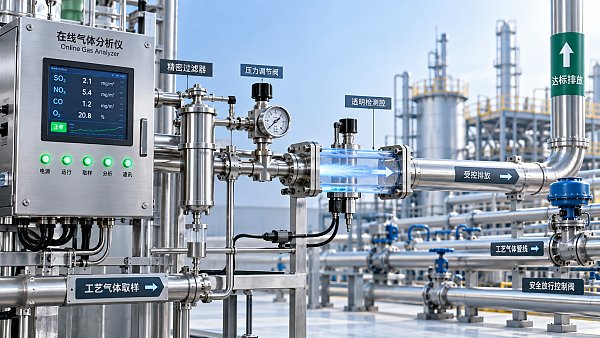
- Ask whether the quoted industrial oxygen analyzer is in-situ or extractive, and whether sample conditioning is required.
- Request expected maintenance intervals and typical consumables list.
- Verify documentation scope, such as calibration certificates, manuals, wiring drawings, and commissioning records.
- Check delivery lead time for both the analyzer and critical spare parts.
How do standards, compliance, and digital integration affect cost?
In the instrumentation industry, compliance cost is often justified because it reduces operational and regulatory risk. Depending on the site, buyers may need to consider electrical safety, hazardous area suitability, traceable calibration practices, environmental reporting expectations, or internal quality system requirements.
Digital integration is another growing cost driver in 2026. Plants increasingly expect the industrial oxygen analyzer to support data visibility, remote diagnostics, and automation workflows. This can raise initial system cost, but it may lower manual inspection effort and improve process control over time.
Compliance questions worth asking early
- Will the analyzer operate in a standard industrial area or a classified environment?
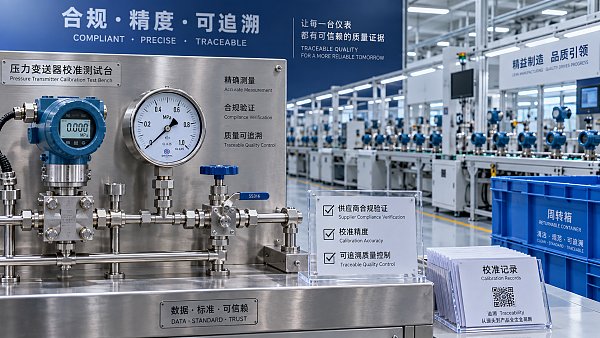
- Does the project require calibration traceability aligned with recognized laboratory practices?
- Is data output needed only for local indication, or also for DCS, SCADA, or cloud-based monitoring platforms?
- Will environmental or internal audit teams require historical records and maintenance logs?
Early answers to these questions help prevent redesign after purchase order release. For financial approvers, that means fewer variation orders and better budget discipline.
Common mistakes that make an industrial oxygen analyzer more expensive over time
Several purchasing mistakes repeatedly undermine return on investment. These are especially common when the team focuses on price comparison without reviewing process conditions and service assumptions.
Mistake 1: Treating all analyzers as interchangeable
An industrial oxygen analyzer for combustion optimization is not the same as one for trace oxygen process control. Selecting by headline price alone can lead to unstable readings, early failures, or unmet process targets.
Mistake 2: Ignoring maintenance access and labor cost
A lower-cost analyzer installed in a difficult location may require more labor, safety preparation, or production interruption for routine service. Over several years, this can outweigh the initial savings.
Mistake 3: Underestimating support and spare parts planning
Even a technically suitable industrial oxygen analyzer becomes costly if replacement parts are hard to obtain or startup support is delayed. Lead time risk should be reviewed as seriously as price risk.
FAQ: what do financial approvers ask most often?
How should we compare two industrial oxygen analyzer quotes that use different sensor technologies?
Do not compare hardware price alone. Ask for expected sensor life, calibration frequency, maintenance consumables, process compatibility, and integration scope. The better financial comparison is lifecycle cost over the planned operating period, not the initial invoice amount.
What hidden costs should be included in the budget?
Include installation materials, sample conditioning, commissioning, calibration gases, operator training, spare parts, and future service labor. If the industrial oxygen analyzer feeds a control system, also include engineering time for signal integration and startup validation.
Is a cheaper analyzer acceptable for non-critical applications?
Sometimes yes, but only if measurement accuracy, environment, and maintenance burden are aligned with the use case. A lower-cost solution may fit auxiliary monitoring, pilot projects, or less severe service conditions. It is still important to verify support availability and replacement intervals.
How long is the typical delivery cycle?
Lead time varies with configuration complexity, documentation requirements, and whether accessories are standard or custom. Projects involving special materials, sampling systems, or additional compliance documentation usually take longer than basic analyzer supply. Always request a breakdown by equipment, accessories, and spare parts.
Why choosing the right partner matters as much as choosing the right analyzer
In a complex instrumentation environment, the value of an industrial oxygen analyzer depends on how well the supplier translates process needs into a workable configuration. That includes selection support, application matching, documentation readiness, and post-sale responsiveness.
A capable instrumentation partner can help finance and procurement teams reduce uncertainty by clarifying measurement range, installation conditions, output signals, service intervals, and project risks before approval. This is especially important when the analyzer supports automation upgrades, emissions monitoring, industrial efficiency programs, or digital reporting needs.
Why choose us for your industrial oxygen analyzer project
We support buyers in the broader instrumentation industry with practical pre-sales evaluation for measurement, monitoring, and control applications across manufacturing, energy, environmental systems, laboratories, engineering, and automation projects. Our focus is to help you assess technical fit and commercial risk before the purchase decision becomes costly.
You can contact us for specific support on industrial oxygen analyzer parameter confirmation, application-based model selection, installation method review, lead time planning, spare parts recommendations, documentation scope, and quotation alignment with budget constraints.
- Need help narrowing down analyzer type for combustion, process gas, or environmental monitoring?
- Want to compare in-situ and extractive solutions based on maintenance cost and downtime risk?
- Need a clearer view of delivery cycle, commissioning scope, or required accessories before budget approval?
- Looking for a quotation discussion that includes compliance expectations, sample support, or customized configuration options?
Share your operating conditions, target oxygen range, installation environment, and control system requirements. We can help you review the industrial oxygen analyzer cost structure in a way that supports faster internal approval and more reliable long-term value.
Recommended for You
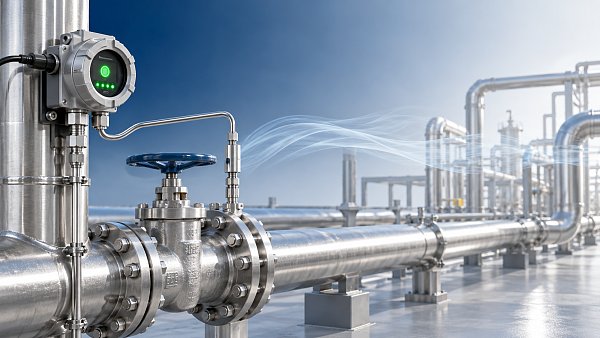
 When does a laser gas analyzer meet stack emissions monitoring needs?Laser gas analyzer for stack emissions: learn when it delivers fast, reliable data, how to assess installation risks, and what to verify for CEMS compliance.
 How to select a hazardous gas analyzer for confined spacesHazardous gas analyzer selection for confined spaces: compare sensors, sampling, certifications, alarms, and maintenance to protect workers and choose with confidence.
 When is a single gas analyzer sufficient for workplace safety monitoring?Discover when a single gas analyzer delivers reliable workplace safety monitoring, and learn the key limits, calibration needs, and risks that require broader detection.
 How to choose an ambient gas analyzer for low-level leak detectionAmbient gas analyzer selection for low-level leak detection: compare sensitivity, cross-sensitivity, sampling design, alarms, and calibration for reliable site performance.
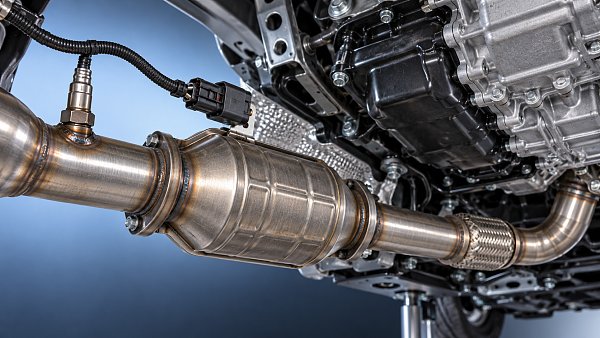
 How to tell when an oxygen sensor needs replacementOxygen sensor replacement signs explained: learn how live data, fault codes, wiring checks, and exhaust inspections pinpoint the real issue before you buy.
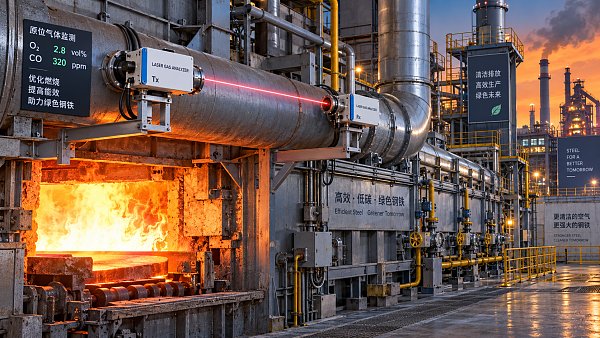
 How laser gas analyzers improve combustion control in steel furnacesLaser gas analyzer for steel industry applications delivers fast in-situ O₂ and CO data to optimize furnace combustion, cut fuel waste, and improve steel heating stability.
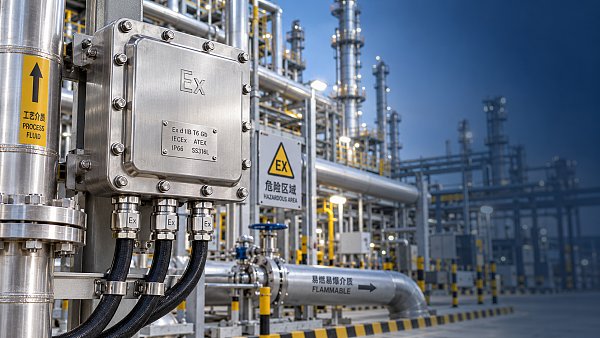
 How to verify whether explosion proof equipment meets site requirementsExplosion proof equipment verification made practical: match zones, gas or dust groups, temperature classes, certificates, and installation conditions for confident compliance.
 How industrial gas analysis helps detect contamination before releaseIndustrial Gas Analysis helps detect moisture, oil, oxygen, and toxic contaminants before release—protecting processes, ensuring compliance, and reducing costly risks.
 When is electrochemistry detection the right choice for water analysis?Electrochemistry detection for water analysis: learn when fast, reliable monitoring of ions, chlorine, pH, and more delivers actionable results.
 How industrial standards reduce quality risks in supplier selectionIndustrial Standard guidance helps quality and safety managers reduce supplier risks, verify compliance, strengthen traceability, and build resilient instrumentation supply chains.
 When does a multi-component system reduce installation complexity?Multi component systems reduce installation complexity when they eliminate field interfaces, streamline commissioning, and provide proven compatibility. Learn how to assess total cost and supplier accountability.
 How to size an industrial control shelter for outdoor equipmentIndustrial control shelter sizing guide: optimize layout, HVAC, access, safety, and expansion space for reliable outdoor equipment operations.
 How flue analysis helps verify combustion efficiencyFlue analysis verifies combustion efficiency by assessing O2, CO, CO2, and stack temperature to identify excess air, incomplete combustion, and heat losses.
 How to select industrial gas detectors for confined spacesIndustrial gas detectors for confined spaces: learn how to match sensors, sampling methods, alarms, and certifications to real atmospheric hazards.
 When does a laser oxygen analyzer outperform zirconia sensors?Laser oxygen analyzer vs. zirconia sensors: compare speed, selectivity, maintenance, gas chemistry, and installation needs to choose the right oxygen measurement solution.
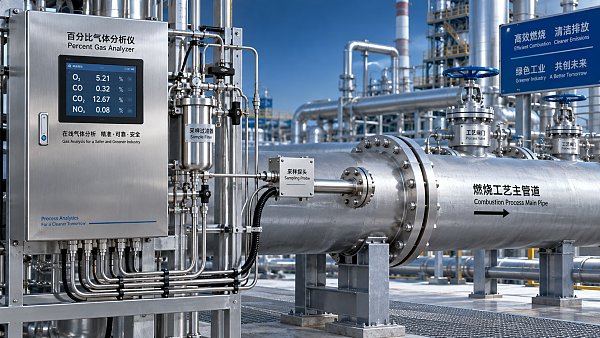
 How to select a percent range analyzer for process measurementsPercent range analyzer selection made practical: compare accuracy, sample systems, calibration, gas matrix, integration, and lifecycle cost for reliable process measurements.
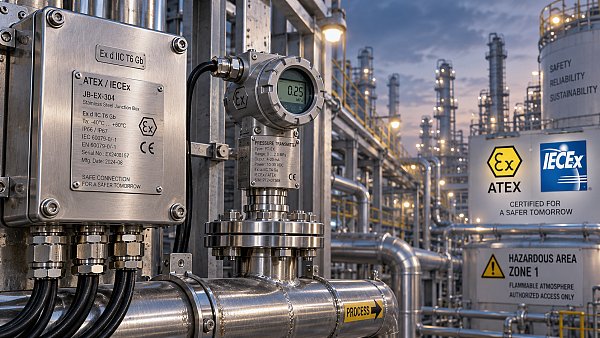
 How explosion proof analysis verifies safe equipment for hazardous areasExplosion proof analysis verifies hazardous-area equipment by matching certifications, temperature ratings, installation details, and inspection controls for safer compliance.
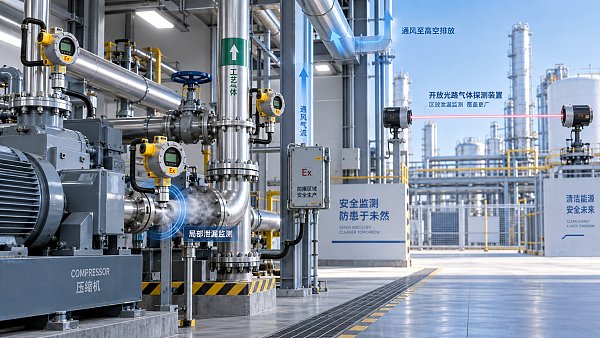
 When does fixed gas detection need point sensors instead of open-path monitoring?Fixed gas detection: discover when point sensors outperform open-path monitoring for predictable leaks, enclosed zones, local alarms, and safer design decisions.
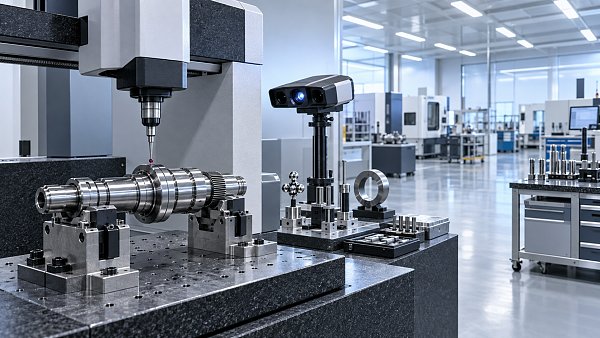
 How to choose industrial metrology systems for tight-tolerance partsIndustrial metrology guide for tight-tolerance parts: compare CMMs, optical scanners, gauges, uncertainty, workflow, and traceable inspection strategies.
 How process metrology reduces measurement variation in productionProcess metrology reduces production measurement variation by improving traceability, uncertainty control, calibration, and reliable quality decisions.
 How to select an industrial monitoring analyzer for harsh environmentsIndustrial monitoring analyzer selection for harsh environments: evaluate sampling, durability, hazardous-area compliance, accuracy, maintenance, and data reliability.
 How calibration intervals affect test and measurement equipment accuracyTest and measurement equipment calibration intervals directly affect accuracy, risk, compliance, and uptime. Learn how to set evidence-based schedules that protect critical decisions.
 When does process gas monitoring need continuous measurement?Process gas monitoring needs continuous measurement when rapid changes threaten safety, quality, compliance, or uptime. Learn how to specify reliable, actionable monitoring systems.
 How to prevent false alarms in power plant instrumentationPower plant instrumentation guide: prevent false alarms with reliable signal checks, smarter alarm settings, mode-based control, and actionable operator responses.
 How fixed gas detectors help prevent leaks in enclosed workspacesFixed gas detectors provide continuous leak monitoring in enclosed workspaces, enabling faster alarms, safer responses, and stronger protection for people and processes.
 How industrial gas analysis helps detect process contamination earlyIndustrial Gas Analysis helps detect oxygen, moisture, and hydrocarbon contamination early, enabling faster fault isolation, safer operations, and stronger process control.
 What drives environmental compliance continuous monitoring setup cost?Environmental compliance continuous monitoring setup cost: uncover hidden expenses, compare bids accurately, and build a reliable, audit-ready system.
 How to select gas analysis equipment for continuous emissions monitoringGas analysis equipment selection guide for reliable continuous emissions monitoring—compare technologies, sampling, calibration, compliance, and maintenance needs.
 What detection limit is needed for NH3 environmental monitoring?High accuracy NH3 analyzer for environmental monitoring: learn how to set the right detection limit, improve sampling reliability, and make defensible decisions.
 How to select a NOX analyzer for power plant emissions complianceNOX analyzer for power plant emissions: learn how to select a compliant, reliable CEMS solution with the right range, sample handling, calibration, and data integrity.
 How to evaluate a laser gas analyzer manufacturer in GermanyLaser gas analyzer manufacturer in Germany: compare accuracy, sample handling, interference control, calibration, and service to select a reliable solution.
 How does a flue gas analyzer maintain accuracy in wet stack gas?Flue gas analyzer accuracy in wet stack gas depends on heated sampling, moisture correction, reliable sensors, and calibration. Explore key selection tips.


Search Categories
Search Categories
- Smart Meters & Power Quality
- Transformer Gas Analyzers
- BESS Thermal Runaway Detectors
- Energy, Power & Smart Grid Monitoring
- Optical Profilers & CMM
- Ultrasonic & X-Ray NDT
- Calibration Standards
- Precision Metrology & NDT
- Water Quality Analyzers
- CEMS & VOCs Monitors
- Price Trends
- Import & Export Updates
- Market Trends
- Industry News
- Industry Insights
Latest Article
- When does a laser gas analyzer meet stack emissions monitoring needs?Laser gas analyzer for stack emissions: learn when it delivers fast, reliable data, how to assess installation risks, and what to verify for CEMS compliance.Posted by:
- How to select a hazardous gas analyzer for confined spacesHazardous gas analyzer selection for confined spaces: compare sensors, sampling, certifications, alarms, and maintenance to protect workers and choose with confidence.Posted by:
- When is a single gas analyzer sufficient for workplace safety monitoring?Discover when a single gas analyzer delivers reliable workplace safety monitoring, and learn the key limits, calibration needs, and risks that require broader detection.Posted by:
Please give us a message
