
Air Sensor Applications That Improve Indoor Monitoring Results


From bedrooms and offices to kitchens and nurseries, an air sensor can reveal what your indoor environment is really like. By tracking particles, gases, humidity, and temperature in real time, these devices help consumers make smarter decisions about ventilation, comfort, and health. This article explores practical air sensor applications that improve indoor monitoring results and support a safer, more controlled living space.
Many people buy an air sensor for one simple reason: they want clear answers about whether the air at home is healthy, comfortable, or potentially harmful. The core search intent behind this topic is practical, not technical. Readers want to know where an air sensor is most useful, what it can actually detect, how it improves indoor monitoring results, and whether it helps them make better daily decisions.
For end consumers, the biggest concerns are usually invisible problems. A room may look clean but still contain high particulate matter from cooking, lingering carbon dioxide from poor ventilation, volatile organic compounds from cleaning products or furniture, or excess humidity that encourages mold. An air sensor helps turn those hidden conditions into measurable information.
The most valuable content for this audience is not a long theory about sensor technology. What helps most is guidance on real-life use cases, how to interpret the readings, where to place the device, and what actions to take when numbers rise or fall. That is why this article focuses on application, decision-making, and practical value rather than generic product definitions.
Why an Air Sensor Matters More Than Guesswork
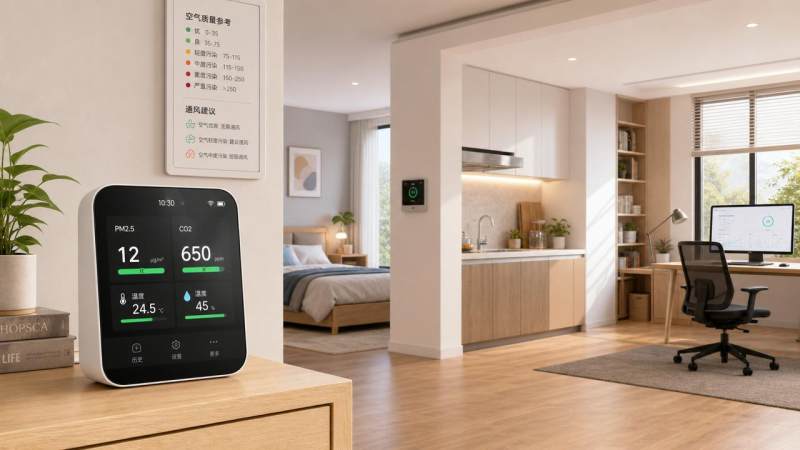
Indoor air problems are often easy to miss because they do not always have an immediate smell or visible sign. A room can feel “fine” while particle levels are elevated, oxygen freshness is reduced by a buildup of carbon dioxide, or humidity is creating conditions for dust mites and mold. Relying on guesswork usually leads to delayed action or the wrong response.
An air sensor improves indoor monitoring results by giving live data instead of assumptions. Rather than opening windows at random, turning on a purifier without knowing whether it helps, or ignoring stale air in a home office, users can watch changes as they happen. This makes indoor air management more precise and often more effective.
For consumers, the real value is not the sensor itself but the decisions it supports. If pollution spikes after frying food, the user learns that stronger kitchen ventilation is needed. If carbon dioxide rises in a closed bedroom overnight, the user may improve airflow before sleep. If humidity stays too high in a bathroom or nursery, dehumidification can begin before bigger problems develop.
In other words, an air sensor is useful because it shortens the gap between cause, detection, and response. That is what leads to better monitoring results.
Which Indoor Air Problems Can an Air Sensor Detect?
Not every air sensor measures the same conditions, so consumers should first understand what they want to monitor. The most common readings include particulate matter, carbon dioxide, volatile organic compounds, temperature, and humidity. Some devices also estimate formaldehyde or carbon monoxide, though specialized safety detectors are still essential where combustion risks exist.
Particulate matter, often shown as PM2.5 or PM10, is especially important in homes. These particles can come from cooking smoke, candles, outdoor pollution entering through windows, pet activity, or dust stirred up during cleaning. A sensor that tracks particles helps users see when the air looks clear but is actually polluted.
Carbon dioxide monitoring is highly useful in bedrooms, classrooms, and home offices. High CO2 levels do not necessarily mean toxic air, but they often indicate poor ventilation. When CO2 rises, people may feel sleepy, unfocused, or uncomfortable. For anyone working from home or managing a child’s study space, this is one of the most practical indicators to track.
VOC readings can alert users to chemical emissions from paints, adhesives, new furniture, cleaning products, and fragrances. These readings are helpful after renovations, when moving into a new apartment, or when using household products that affect indoor air quality.
Humidity and temperature complete the picture. They do not directly indicate pollution, but they strongly affect comfort, respiratory irritation, mold growth, and how other pollutants behave indoors. An air sensor that combines these metrics often gives a more useful and realistic view of the room environment than a single-measurement device.
Best Air Sensor Applications in Bedrooms and Nurseries
Bedrooms are one of the most important places for indoor air monitoring because people spend many continuous hours there. An air sensor in the bedroom can reveal overnight CO2 buildup, dry winter air, or excess humidity that affects breathing comfort and sleep quality. These patterns are hard to notice without data because they develop gradually.
For adults, the biggest benefit is often better ventilation timing. If the sensor consistently shows elevated CO2 before morning, it suggests the room needs more fresh air circulation. That may mean cracking a window, adjusting HVAC settings, or leaving the door slightly open, depending on climate and safety needs.
In nurseries, parents are often extra cautious about comfort and air quality. An air sensor can help monitor whether the room becomes too warm, too dry, or too humid. It may also reveal air quality changes caused by nearby traffic, cleaning sprays, scented products, or poor airflow during naps and overnight sleep.
The key advantage here is not alarm, but reassurance. When parents can see stable readings over time, they gain confidence in the room environment. If something changes, they can respond earlier and more calmly.
How Air Sensors Improve Kitchen and Living Area Monitoring
The kitchen is one of the most dynamic indoor air environments in a home. Frying, grilling, baking, and even toasting can release fine particles and gases. Many consumers underestimate how much cooking affects air quality, especially when range hoods are weak or windows remain closed.
An air sensor placed near, but not directly beside, the kitchen can show how quickly pollution rises during cooking and how long it remains in the air afterward. This matters because a room may smell normal before the particulate level has truly returned to baseline. With a sensor, users can tell whether ventilation is actually working.
Living rooms also benefit from monitoring because they gather multiple pollution sources in one place. Candles, fireplaces, pet dander, dust, hobby materials, and outdoor air infiltration can all influence readings. If a sensor shows repeated evening spikes, the pattern may point to a routine activity rather than a random problem.
For households that already use an air purifier, this is one of the clearest ways to measure value. The sensor shows whether particle levels drop after the purifier runs, how quickly recovery happens, and whether placement or filter maintenance needs improvement.
Why Home Offices Need Better Indoor Air Data
As more people work remotely, home office air quality has become more important. Poor ventilation can lead to rising CO2 levels during long work sessions, especially in small rooms with closed doors. Even when the air does not feel obviously bad, concentration and comfort may decline.
An air sensor helps users connect indoor conditions with productivity. If headaches, fatigue, or afternoon sluggishness appear at the same time that CO2 or temperature rises, the solution may be environmental rather than personal. This can lead to simple adjustments such as scheduled ventilation, desk relocation, or HVAC balancing.
For consumers comparing rooms, a sensor can also identify the best place to work. One room may be quieter but trap stale air, while another has better airflow and lower particulate levels. The data supports a more informed choice than comfort alone.
How to Use Air Sensor Readings Correctly
One common mistake is treating every reading as an emergency. Indoor air quality changes throughout the day, and short-term spikes are normal in many homes. What matters most is recognizing patterns, duration, and whether conditions return to acceptable levels after action is taken.
For example, a brief particulate spike during cooking is expected. A problem exists when levels stay high for a long time or spread widely through the home without clearing. Likewise, a temporary VOC increase after using a cleaning product may not be surprising, but repeated high readings suggest the room needs better ventilation or a different product choice.
Consumers get better indoor monitoring results when they use the air sensor as a trend tool. Look at daily and weekly patterns. Compare one room with another. Notice what happens when windows open, purifiers run, or humidity control starts. The most useful insights come from observing cause and effect over time.
It is also helpful to learn the difference between relative comfort indicators and direct safety alerts. Temperature and humidity affect comfort and long-term conditions. Particle and gas readings can point to more immediate air quality issues. A balanced interpretation helps avoid overreaction while still supporting timely action.
Where to Place an Air Sensor for More Accurate Results
Placement has a major effect on data quality. An air sensor should usually be positioned at breathing height or near the level where people spend time, such as on a shelf, side table, or desk. It should not sit directly next to windows, vents, stoves, humidifiers, or purifiers unless the goal is to test those devices very specifically.
If a sensor is placed too close to a pollution source, the readings may exaggerate exposure for the rest of the room. If it is placed too close to a vent or open window, the airflow may make the room seem cleaner than it really is. A stable, representative location usually gives the best long-term monitoring results.
In larger homes, consumers may eventually discover that one sensor cannot explain every room. Bedrooms, kitchens, and basement areas often behave differently. If only one device is available, start in the room where people spend the most time or where concerns are strongest, then rotate it to compare patterns.
What to Do After an Air Sensor Shows a Problem
Data only becomes useful when it leads to action. If an air sensor shows high particulate levels, the next steps may include improving kitchen exhaust, reducing smoke-producing activities, using an air purifier, or checking whether outdoor pollution is entering indoors. If CO2 is consistently high, better ventilation is usually the first priority.
For high humidity, consumers may need stronger bathroom exhaust, a dehumidifier, leak inspection, or improved airflow around problem areas. For low humidity, especially in winter, controlled humidification may improve comfort. VOC issues may require switching products, airing out new materials, or increasing fresh air exchange.
The benefit of an air sensor is that it helps users verify whether these actions work. Instead of relying on impression alone, they can confirm whether the numbers improve. This feedback loop is what makes indoor monitoring more effective over time.
How to Choose an Air Sensor That Matches Consumer Needs
Not every home needs the same type of monitor. Some consumers mainly need a particle-focused air sensor because cooking, outdoor smoke, or allergies are their main concern. Others benefit more from a device that includes CO2, humidity, and temperature for bedrooms or home offices.
When choosing a device, it is better to prioritize relevant measurements and readable trends than to chase the longest feature list. A good consumer-friendly sensor should display clear data, track changes over time, and make it easy to connect readings with household activities. App support, alerts, and historical graphs can be especially helpful.
It is also wise to keep expectations realistic. Consumer air sensors are excellent for awareness, pattern detection, and everyday decision-making, but they are not a substitute for every professional assessment or certified safety alarm. Their strength is helping users monitor normal living spaces more intelligently and consistently.
Conclusion: Better Indoor Monitoring Starts with Visible Data
The main reason air sensor applications improve indoor monitoring results is simple: they reveal what people cannot reliably see, smell, or guess. Whether the issue is particles from cooking, stale air in a bedroom, VOCs after renovation, or humidity in a nursery, the sensor gives consumers a clearer basis for action.
For most households, the best use of an air sensor is not constant worry but smarter routine decisions. It helps answer practical questions such as when to ventilate, whether a purifier is effective, which room needs attention, and how daily habits affect indoor conditions. That is the real value behind the data.
If used thoughtfully and placed well, an air sensor can become one of the most useful tools for creating a healthier, more comfortable home. It does not solve indoor air problems by itself, but it makes those problems visible, measurable, and much easier to manage.
Recommended for You
 How to verify accuracy claims for industrial quality analyzersVerify accuracy claims for industrial quality analyzers with calibration checks, independent testing, and clear acceptance criteria. Learn how to reduce risk and buy with confidence.
 How to calculate cooling loads for an industrial analyzer shelterSize industrial analyzer shelter cooling with confidence. Learn to calculate equipment heat, solar gains, and ventilation loads, then select HVAC capacity for reliable analyzer performance.
 Industrial Safety vs. Emission Monitoring: What Are the Differences?What are the main differences between industrial safety and emission monitoring? Compare goals, sensors, response times, and compliance needs to choose the right systems for your facility.
 Is Remote Monitoring Worth the Cost for Small Emission Sources?Is it worth investing in remote monitoring for small emission sources? Compare costs, compliance needs, and potential savings to choose the right solution for your operation.
 How Do You Handle Analyzer Failure During an Environmental Audit?Learn how to handle analyzer failure during environmental compliance audit procedures. Protect evidence, verify data, and restore monitoring with this practical response guide.
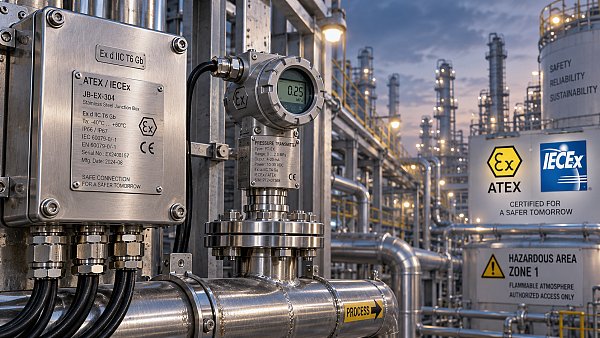
 Do VOC Monitors Require Explosion-Proof Certification?Does VOC monitoring require explosion-proof certification? Learn when approval is needed, compare ATEX and IECEx, and choose the right monitor for your site.
 How sample conditioning affects accuracy in petrochemical analyzersImprove accuracy in petrochemical analyzers with smarter sample conditioning. Discover how phase control, filtration, and transport design prevent bias and deliver reliable process data.
 How to troubleshoot sensor drift in industrial gas detectorsIndustrial gas detectors showing sensor drift? Learn how to verify calibration gas, identify root causes, and determine when sensor replacement is needed for reliable monitoring.
 How to judge whether a competitive price reflects real valueCompetitive Price: learn how to compare scope, compliance, performance, and lifecycle costs to identify real value, reduce risk, and make smarter purchasing decisions.
 When custom gas analysis is the right fit for complex process streamsCustom gas analysis for complex process streams: learn when tailored sampling, interference control, and reliable measurement design deliver confident decisions.
 When does a laser gas analyzer meet stack emissions monitoring needs?Laser gas analyzer for stack emissions: learn when it delivers fast, reliable data, how to assess installation risks, and what to verify for CEMS compliance.
 How to select a hazardous gas analyzer for confined spacesHazardous gas analyzer selection for confined spaces: compare sensors, sampling, certifications, alarms, and maintenance to protect workers and choose with confidence.
 When is a single gas analyzer sufficient for workplace safety monitoring?Discover when a single gas analyzer delivers reliable workplace safety monitoring, and learn the key limits, calibration needs, and risks that require broader detection.
 How to choose an ambient gas analyzer for low-level leak detectionAmbient gas analyzer selection for low-level leak detection: compare sensitivity, cross-sensitivity, sampling design, alarms, and calibration for reliable site performance.
 How to tell when an oxygen sensor needs replacementOxygen sensor replacement signs explained: learn how live data, fault codes, wiring checks, and exhaust inspections pinpoint the real issue before you buy.
 How laser gas analyzers improve combustion control in steel furnacesLaser gas analyzer for steel industry applications delivers fast in-situ O₂ and CO data to optimize furnace combustion, cut fuel waste, and improve steel heating stability.
 How to verify whether explosion proof equipment meets site requirementsExplosion proof equipment verification made practical: match zones, gas or dust groups, temperature classes, certificates, and installation conditions for confident compliance.
 How industrial gas analysis helps detect contamination before releaseIndustrial Gas Analysis helps detect moisture, oil, oxygen, and toxic contaminants before release—protecting processes, ensuring compliance, and reducing costly risks.
 When is electrochemistry detection the right choice for water analysis?Electrochemistry detection for water analysis: learn when fast, reliable monitoring of ions, chlorine, pH, and more delivers actionable results.
 How industrial standards reduce quality risks in supplier selectionIndustrial Standard guidance helps quality and safety managers reduce supplier risks, verify compliance, strengthen traceability, and build resilient instrumentation supply chains.
 When does a multi-component system reduce installation complexity?Multi component systems reduce installation complexity when they eliminate field interfaces, streamline commissioning, and provide proven compatibility. Learn how to assess total cost and supplier accountability.
 How to size an industrial control shelter for outdoor equipmentIndustrial control shelter sizing guide: optimize layout, HVAC, access, safety, and expansion space for reliable outdoor equipment operations.
 How flue analysis helps verify combustion efficiencyFlue analysis verifies combustion efficiency by assessing O2, CO, CO2, and stack temperature to identify excess air, incomplete combustion, and heat losses.
 How to select industrial gas detectors for confined spacesIndustrial gas detectors for confined spaces: learn how to match sensors, sampling methods, alarms, and certifications to real atmospheric hazards.
 When does a laser oxygen analyzer outperform zirconia sensors?Laser oxygen analyzer vs. zirconia sensors: compare speed, selectivity, maintenance, gas chemistry, and installation needs to choose the right oxygen measurement solution.
 How to select a percent range analyzer for process measurementsPercent range analyzer selection made practical: compare accuracy, sample systems, calibration, gas matrix, integration, and lifecycle cost for reliable process measurements.
 How explosion proof analysis verifies safe equipment for hazardous areasExplosion proof analysis verifies hazardous-area equipment by matching certifications, temperature ratings, installation details, and inspection controls for safer compliance.
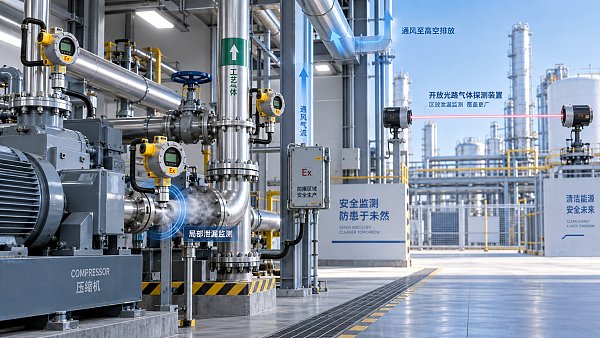
 When does fixed gas detection need point sensors instead of open-path monitoring?Fixed gas detection: discover when point sensors outperform open-path monitoring for predictable leaks, enclosed zones, local alarms, and safer design decisions.
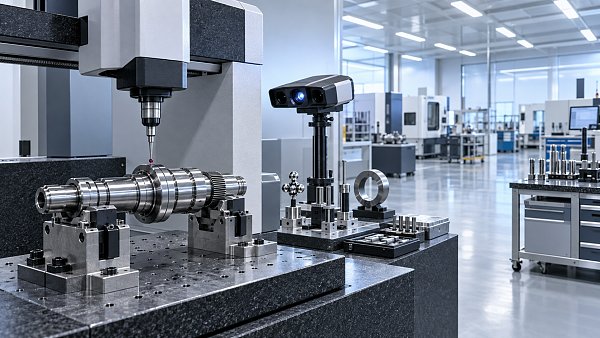
 How to choose industrial metrology systems for tight-tolerance partsIndustrial metrology guide for tight-tolerance parts: compare CMMs, optical scanners, gauges, uncertainty, workflow, and traceable inspection strategies.
 How process metrology reduces measurement variation in productionProcess metrology reduces production measurement variation by improving traceability, uncertainty control, calibration, and reliable quality decisions.
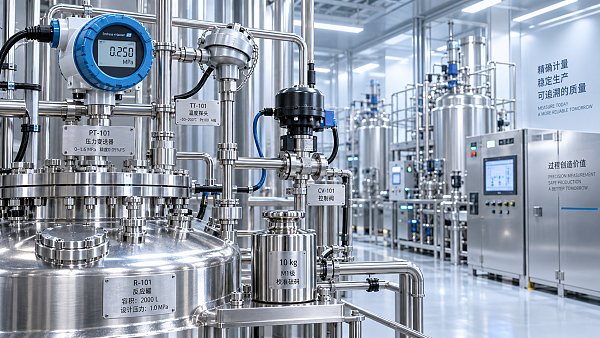
 How to select an industrial monitoring analyzer for harsh environmentsIndustrial monitoring analyzer selection for harsh environments: evaluate sampling, durability, hazardous-area compliance, accuracy, maintenance, and data reliability.
 How calibration intervals affect test and measurement equipment accuracyTest and measurement equipment calibration intervals directly affect accuracy, risk, compliance, and uptime. Learn how to set evidence-based schedules that protect critical decisions.



Search Categories
Search Categories
- Smart Meters & Power Quality
- Transformer Gas Analyzers
- BESS Thermal Runaway Detectors
- Energy, Power & Smart Grid Monitoring
- Optical Profilers & CMM
- Ultrasonic & X-Ray NDT
- Calibration Standards
- Precision Metrology & NDT
- Water Quality Analyzers
- CEMS & VOCs Monitors
- Price Trends
- Import & Export Updates
- Market Trends
- Industry News
- Industry Insights
Latest Article
- How to verify accuracy claims for industrial quality analyzersVerify accuracy claims for industrial quality analyzers with calibration checks, independent testing, and clear acceptance criteria. Learn how to reduce risk and buy with confidence.Posted by:
- How to calculate cooling loads for an industrial analyzer shelterSize industrial analyzer shelter cooling with confidence. Learn to calculate equipment heat, solar gains, and ventilation loads, then select HVAC capacity for reliable analyzer performance.Posted by:
- Industrial Safety vs. Emission Monitoring: What Are the Differences?What are the main differences between industrial safety and emission monitoring? Compare goals, sensors, response times, and compliance needs to choose the right systems for your facility.Posted by:
Please give us a message
