
Flue Metrology Trends Reshaping Emissions Monitoring in 2026


As regulatory pressure, digitalization, and decarbonization accelerate, flue metrology is becoming a strategic priority for enterprise decision-makers in 2026. More than a compliance tool, it now supports operational efficiency, emissions transparency, and smarter investment planning across industrial environments. Understanding the latest trends in flue metrology helps businesses reduce risk, strengthen sustainability performance, and stay competitive in an increasingly data-driven market.
For industrial groups, utilities, engineering contractors, and plant operators, the conversation is no longer limited to measuring stack emissions once a quarter. In 2026, flue metrology is increasingly tied to production stability, energy performance, audit readiness, and carbon reporting. Decisions around analyzers, sampling systems, calibration routines, and digital integration can affect downtime, maintenance budgets, and regulatory exposure over a 12–36 month planning cycle.
This shift matters across the broader instrumentation industry because flue gas monitoring sits at the intersection of measurement accuracy, automation, environmental compliance, and data intelligence. For enterprise decision-makers, the most important question is not simply which device to buy, but how to build a flue metrology framework that remains reliable under changing fuel mixes, tighter limits, and more frequent reporting obligations.
Why Flue Metrology Is Moving from Compliance Function to Strategic Control Layer
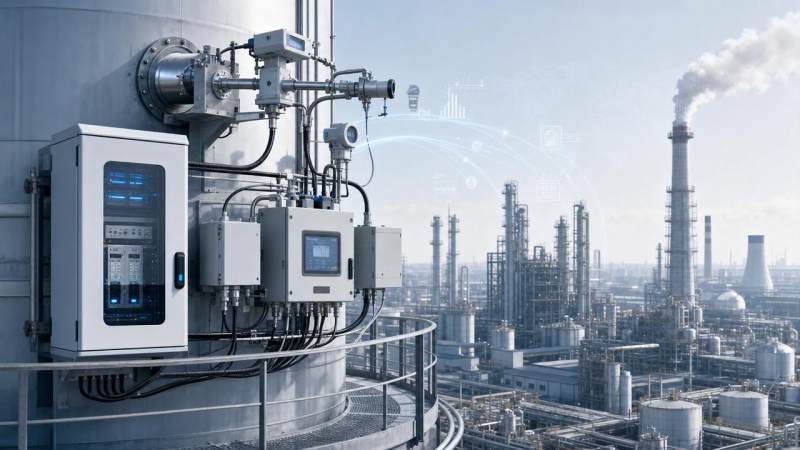
In many facilities, flue metrology used to be managed as a narrow environmental requirement. That approach is becoming outdated. A modern emissions monitoring architecture now supports at least 4 executive priorities: compliance continuity, process optimization, ESG disclosure, and capital planning. When measurement uncertainty is reduced from a broad ±5% range to a tighter operating window, management can make faster decisions on combustion tuning, reagent use, and maintenance scheduling.
This is especially relevant in sectors with boilers, furnaces, kilns, thermal oxidizers, incineration systems, or process heaters. In these environments, flue metrology influences not only pollutant reporting for NOx, SO2, CO, CO2, O2, dust, or moisture, but also the reliability of process indicators used by control systems. A single unstable sampling line can distort readings for 8–24 hours, creating both compliance and operational risk.
Regulatory cycles are becoming shorter and more data-intensive
One major trend in 2026 is the shortening of reporting and verification cycles. Instead of relying on infrequent manual checks, more facilities are expected to maintain continuous or near-continuous records, with calibration checks performed daily, weekly, or monthly depending on process criticality. For decision-makers, this means flue metrology must be evaluated not just on analyzer specifications, but on long-term stability, drift control, and serviceability.
Plants that still rely on fragmented data often face 3 avoidable issues: delayed alarm response, inconsistent audit records, and poor visibility into emissions peaks during startups or load changes. Those peaks may last only 10–30 minutes, yet they can trigger investigations or force expensive retesting if historical data quality is weak.
Digital integration is redefining measurement value
The value of flue metrology rises sharply when stack data is integrated with DCS, SCADA, historian platforms, energy management software, and maintenance systems. Instead of storing emissions values in isolation, enterprises can correlate oxygen levels, fuel consumption, burner settings, and maintenance events over 7-day, 30-day, and 90-day periods. That makes monitoring actionable rather than passive.
For example, if O2 readings increase by 1.5% while fuel input remains stable, the issue may indicate excess air, leakage, or sensor drift. Without integrated flue metrology, that signal may be missed. With proper instrumentation and analytics, engineering teams can identify root causes faster and prioritize corrective action before efficiency losses accumulate.
Common board-level reasons to invest in upgraded flue monitoring
- Reduce the probability of non-compliance events during annual or semiannual inspections.
- Support decarbonization planning with more reliable CO2 and combustion efficiency data.
- Cut maintenance interventions by identifying drift, blockage, or moisture issues earlier.
- Improve asset planning across 3–5 year instrumentation upgrade cycles.
- Strengthen traceability for customer, investor, or internal sustainability reporting.
The table below summarizes how the role of flue metrology is changing inside industrial organizations and why procurement criteria are becoming broader than basic analyzer accuracy.
The key takeaway is that flue metrology now behaves like a control layer, not a reporting accessory. Enterprises that align instrumentation with operational and sustainability objectives are typically better positioned to manage changing emission limits, fuel transitions, and digital reporting demands without repeated retrofit costs.
The Most Important Flue Metrology Trends Shaping 2026 Investment Decisions
Several trends are reshaping how enterprises evaluate stack monitoring systems in 2026. While the exact configuration depends on process type, gas composition, temperature, dust load, and moisture content, the investment logic is becoming more consistent across industries. Buyers are prioritizing durability, data usability, and lifecycle support as much as analytical performance.
1. Shift from isolated devices to system-level metrology design
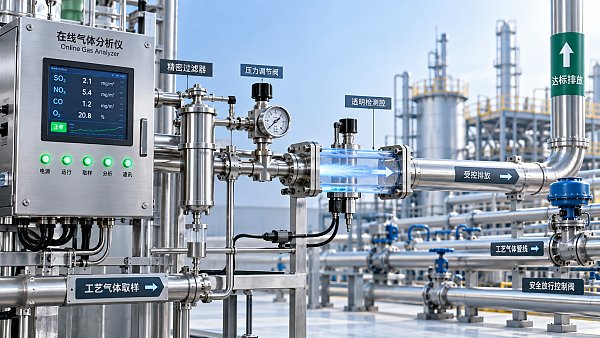
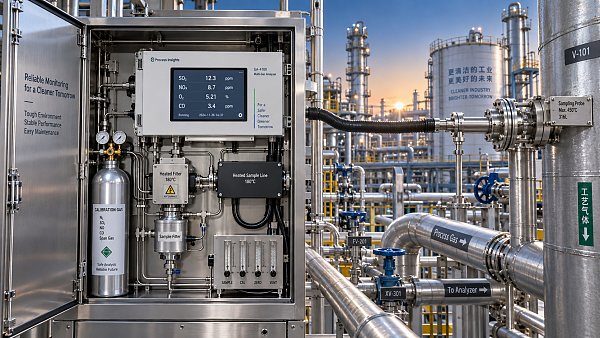
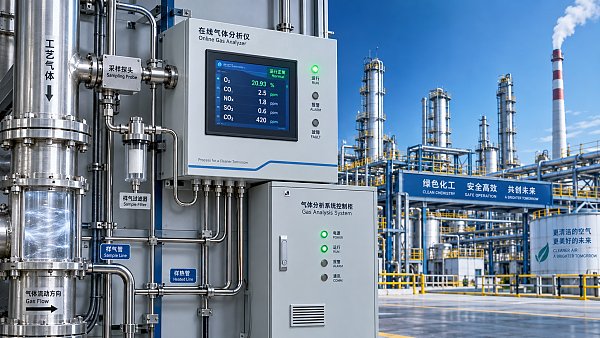
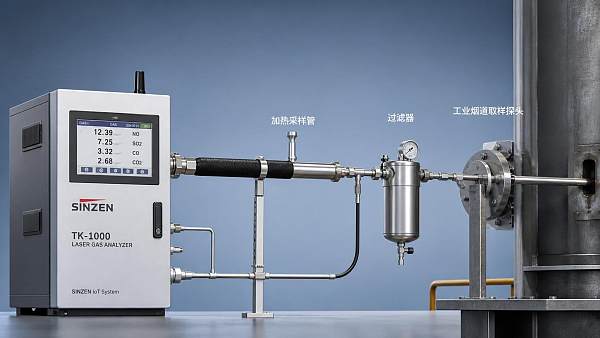
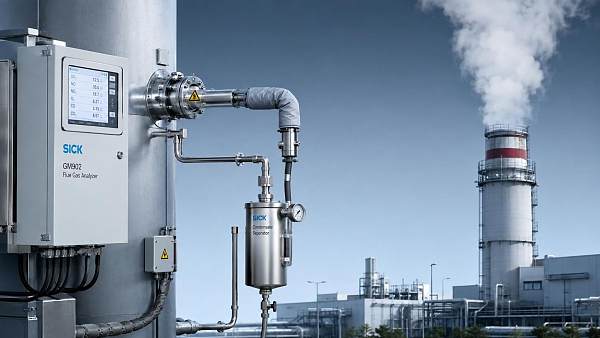
A flue metrology project should be designed as a complete chain: probe, sample conditioning, heated line, analyzer, calibration interface, data acquisition, and maintenance access. Weakness in any one link can reduce the value of the whole system. For example, a high-grade analyzer may still underperform if condensate control is unstable or if filter replacement intervals are poorly matched to actual dust loading.
Decision-makers should ask whether the supplier can support the full measurement path for operating temperatures that may range from 80°C to over 400°C, moisture-heavy gas, corrosive components, or variable load conditions. This systems perspective reduces the risk of buying accurate instruments that fail in real operating environments.
2. Higher demand for low-maintenance continuous monitoring
Maintenance burden is now a major cost driver. In 2026, buyers increasingly compare solutions based on service intervals, spare parts frequency, and mean time between calibration adjustments. A system that requires inspection every 7 days may be far less attractive than one designed for 30-day routine checks, especially for remote plants or multi-site operations.
This does not mean selecting the least sensitive system. It means choosing flue metrology equipment that matches the process reality. In dusty or wet stacks, robust sample conditioning and self-diagnostic features often provide more value than headline sensitivity alone. Reduced technician exposure, fewer ladder climbs, and shorter intervention windows can also improve plant safety metrics.
3. More scrutiny on data integrity and audit traceability
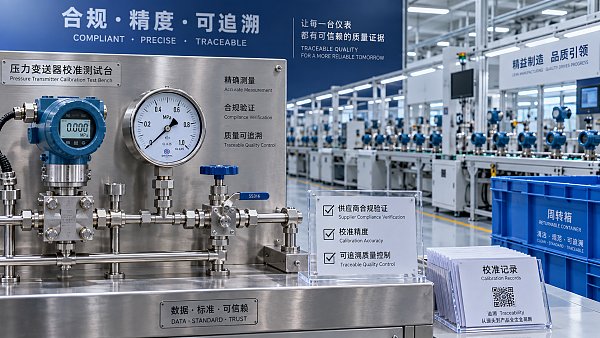
Emissions data is increasingly reviewed not only by regulators, but also by internal compliance teams, investors, insurers, and customers. As a result, flue metrology systems are expected to maintain timestamped calibration history, alarm logs, operator actions, and data validation records. Traceability over 12 months or longer is becoming a practical requirement in many procurement discussions.
If a plant cannot clearly show when a sensor drifted, when a zero or span check was executed, or how a data gap was handled, reported values may be questioned. That creates reputational as well as operational risk. Strong audit trails are therefore becoming a procurement criterion, not merely an IT feature.
4. Decarbonization is expanding the scope of flue measurement
As companies optimize fuel use and evaluate lower-carbon pathways, flue metrology is being used more broadly to track combustion efficiency, CO2 trends, oxygen balance, and process changes associated with alternative fuels. Even when regulations focus on traditional pollutants, the same measurement infrastructure can support energy performance reviews and carbon management programs.
This is particularly important for facilities moving between natural gas, mixed fuels, biomass-derived inputs, or process off-gases. Changing gas composition can affect sampling behavior, moisture loading, and calibration routines. Enterprises should therefore plan for flexibility over a 3-year to 5-year horizon rather than configuring systems only for today’s operating mix.
Priority evaluation areas for 2026 projects
- Measurement range fit for current and future emissions profiles.
- Routine maintenance interval and total technician hours per month.
- Compatibility with plant control and data management platforms.
- Calibration workflow, spare availability, and service response time.
- Adaptability to dust, moisture, corrosive gas, and temperature variation.
The following comparison helps procurement teams separate short-term purchase cost from long-term operational suitability when reviewing flue metrology options.
The strongest projects are usually not the cheapest at the point of purchase. They are the ones that maintain data quality, reduce avoidable interventions, and stay adaptable as reporting expectations and process conditions evolve.
How Enterprise Buyers Should Select and Implement Flue Metrology Solutions
A successful flue metrology program requires disciplined selection and rollout. For enterprise buyers, the process typically involves 5 stages: site assessment, technical specification, vendor evaluation, commissioning, and ongoing performance review. Skipping any of these stages increases the chance of mismatch between instrument design and stack reality.
Start with operating conditions, not catalog features
Before requesting quotations, define at least 6 site variables: gas components to be measured, expected concentration ranges, gas temperature, pressure condition, dust load, and moisture behavior. If fuel or process conditions vary by season, campaign, or product grade, those variations should also be included. A system optimized for dry, stable gas may perform poorly in a stack with condensation risk and fluctuating loads.
It is also important to clarify whether the goal is regulatory reporting only, combustion optimization, carbon tracking, or all three. This affects analyzer type, redundancy planning, data storage logic, and calibration frequency. Many projects underperform because the instrumentation scope is too narrow for the actual business use case.
Use practical procurement criteria
Enterprise procurement teams should balance technical and commercial criteria through a weighted evaluation matrix. Typical dimensions include measurement suitability, installation complexity, service coverage, software compatibility, and total cost over 2–3 years. This approach is more robust than selecting the lowest upfront bidder, especially when shutdown windows are limited and emissions data is business-critical.
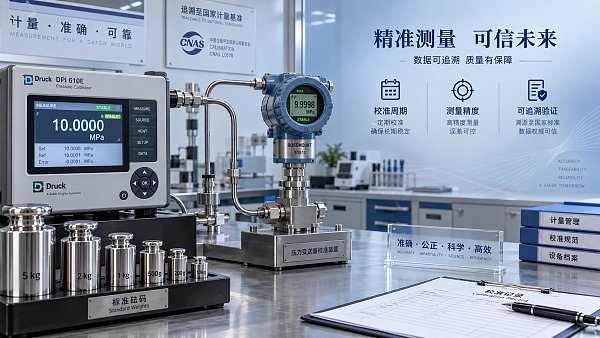
A useful rule is to request documented detail on calibration method, preventive maintenance tasks, typical consumables, recommended spare parts, and expected commissioning time. In many industrial projects, installation and tuning require 3–10 working days depending on access conditions, gas treatment complexity, and integration scope.
Checklist for supplier discussions
- What gases and ranges can the proposed flue metrology system cover in real field conditions?
- How often are filters, pumps, or sensors typically serviced under similar dust and moisture loads?
- What alarm, self-check, and diagnostic functions are included?
- How is calibration documented and how are invalid data periods flagged?
- What is the expected spare parts lead time: 48 hours, 7 days, or longer?
- Can the system integrate with existing PLC, DCS, SCADA, or historian platforms?
Plan implementation as an operational change project
Commissioning is not the finish line. New flue metrology infrastructure should be supported by operator training, maintenance routines, escalation paths, and data review procedures. A practical rollout plan often includes 30-day stabilization, 90-day performance review, and semiannual verification of maintenance assumptions. This helps teams confirm whether the selected configuration is delivering the expected reliability and value.
Cross-functional ownership is critical. Environmental teams may define reporting needs, but maintenance ensures uptime, operations influences gas stability, and IT or automation teams manage data flow. When these functions remain disconnected, even good instrumentation can produce weak business outcomes.
Common mistakes that increase cost and risk
The most frequent mistakes include underspecifying sample conditioning, ignoring access for safe maintenance, selecting ranges too narrow for upset conditions, and underestimating the importance of data traceability. Another common issue is assuming that all flue metrology systems are equally adaptable to process changes. In reality, future fuel shifts or tighter permit limits may require different calibration strategies, additional channels, or software updates.
A disciplined buyer will therefore look beyond the first installation phase and ask how the system performs over 24 months, how faults are diagnosed, and how easily the setup can be expanded. That long-term view is where much of the commercial value is created.
Implementation sequence that works in practice
- Survey process conditions and define emissions, efficiency, and reporting goals.
- Specify the complete sampling and analysis chain, not just the analyzer.
- Evaluate vendors on lifecycle fit, service readiness, and integration capability.
- Commission with documented calibration, alarm testing, and operator handover.
- Review data quality and maintenance performance after 30, 90, and 180 days.
In 2026, the enterprises that benefit most from flue metrology are those treating it as a long-term instrumentation capability rather than a narrow compliance purchase. Better measurement supports better control, better reporting, and better capital discipline across industrial operations. If your organization is reviewing emissions monitoring upgrades, planning a new project, or standardizing stack measurement across multiple sites, now is the right time to assess system architecture, data workflows, and lifecycle support requirements.
For decision-makers seeking reliable instrumentation strategies, tailored selection support can shorten procurement cycles, reduce implementation risk, and improve long-term performance. Contact us today to discuss your flue metrology priorities, request a customized solution, or explore broader instrumentation options for industrial monitoring, automation, and compliance management.
Recommended for You
 When does a laser gas analyzer meet stack emissions monitoring needs?Laser gas analyzer for stack emissions: learn when it delivers fast, reliable data, how to assess installation risks, and what to verify for CEMS compliance.
 How to select a hazardous gas analyzer for confined spacesHazardous gas analyzer selection for confined spaces: compare sensors, sampling, certifications, alarms, and maintenance to protect workers and choose with confidence.
 When is a single gas analyzer sufficient for workplace safety monitoring?Discover when a single gas analyzer delivers reliable workplace safety monitoring, and learn the key limits, calibration needs, and risks that require broader detection.
 How to choose an ambient gas analyzer for low-level leak detectionAmbient gas analyzer selection for low-level leak detection: compare sensitivity, cross-sensitivity, sampling design, alarms, and calibration for reliable site performance.
 How to tell when an oxygen sensor needs replacementOxygen sensor replacement signs explained: learn how live data, fault codes, wiring checks, and exhaust inspections pinpoint the real issue before you buy.
 How laser gas analyzers improve combustion control in steel furnacesLaser gas analyzer for steel industry applications delivers fast in-situ O₂ and CO data to optimize furnace combustion, cut fuel waste, and improve steel heating stability.
 How to verify whether explosion proof equipment meets site requirementsExplosion proof equipment verification made practical: match zones, gas or dust groups, temperature classes, certificates, and installation conditions for confident compliance.
 How industrial gas analysis helps detect contamination before releaseIndustrial Gas Analysis helps detect moisture, oil, oxygen, and toxic contaminants before release—protecting processes, ensuring compliance, and reducing costly risks.
 When is electrochemistry detection the right choice for water analysis?Electrochemistry detection for water analysis: learn when fast, reliable monitoring of ions, chlorine, pH, and more delivers actionable results.
 How industrial standards reduce quality risks in supplier selectionIndustrial Standard guidance helps quality and safety managers reduce supplier risks, verify compliance, strengthen traceability, and build resilient instrumentation supply chains.
 When does a multi-component system reduce installation complexity?Multi component systems reduce installation complexity when they eliminate field interfaces, streamline commissioning, and provide proven compatibility. Learn how to assess total cost and supplier accountability.
 How to size an industrial control shelter for outdoor equipmentIndustrial control shelter sizing guide: optimize layout, HVAC, access, safety, and expansion space for reliable outdoor equipment operations.
 How flue analysis helps verify combustion efficiencyFlue analysis verifies combustion efficiency by assessing O2, CO, CO2, and stack temperature to identify excess air, incomplete combustion, and heat losses.
 How to select industrial gas detectors for confined spacesIndustrial gas detectors for confined spaces: learn how to match sensors, sampling methods, alarms, and certifications to real atmospheric hazards.
 When does a laser oxygen analyzer outperform zirconia sensors?Laser oxygen analyzer vs. zirconia sensors: compare speed, selectivity, maintenance, gas chemistry, and installation needs to choose the right oxygen measurement solution.
 How to select a percent range analyzer for process measurementsPercent range analyzer selection made practical: compare accuracy, sample systems, calibration, gas matrix, integration, and lifecycle cost for reliable process measurements.
 How explosion proof analysis verifies safe equipment for hazardous areasExplosion proof analysis verifies hazardous-area equipment by matching certifications, temperature ratings, installation details, and inspection controls for safer compliance.
 When does fixed gas detection need point sensors instead of open-path monitoring?Fixed gas detection: discover when point sensors outperform open-path monitoring for predictable leaks, enclosed zones, local alarms, and safer design decisions.
 How to choose industrial metrology systems for tight-tolerance partsIndustrial metrology guide for tight-tolerance parts: compare CMMs, optical scanners, gauges, uncertainty, workflow, and traceable inspection strategies.
 How process metrology reduces measurement variation in productionProcess metrology reduces production measurement variation by improving traceability, uncertainty control, calibration, and reliable quality decisions.
 How to select an industrial monitoring analyzer for harsh environmentsIndustrial monitoring analyzer selection for harsh environments: evaluate sampling, durability, hazardous-area compliance, accuracy, maintenance, and data reliability.
 How calibration intervals affect test and measurement equipment accuracyTest and measurement equipment calibration intervals directly affect accuracy, risk, compliance, and uptime. Learn how to set evidence-based schedules that protect critical decisions.
 When does process gas monitoring need continuous measurement?Process gas monitoring needs continuous measurement when rapid changes threaten safety, quality, compliance, or uptime. Learn how to specify reliable, actionable monitoring systems.
 How to prevent false alarms in power plant instrumentationPower plant instrumentation guide: prevent false alarms with reliable signal checks, smarter alarm settings, mode-based control, and actionable operator responses.
 How fixed gas detectors help prevent leaks in enclosed workspacesFixed gas detectors provide continuous leak monitoring in enclosed workspaces, enabling faster alarms, safer responses, and stronger protection for people and processes.
 How industrial gas analysis helps detect process contamination earlyIndustrial Gas Analysis helps detect oxygen, moisture, and hydrocarbon contamination early, enabling faster fault isolation, safer operations, and stronger process control.
 What drives environmental compliance continuous monitoring setup cost?Environmental compliance continuous monitoring setup cost: uncover hidden expenses, compare bids accurately, and build a reliable, audit-ready system.
 How to select gas analysis equipment for continuous emissions monitoringGas analysis equipment selection guide for reliable continuous emissions monitoring—compare technologies, sampling, calibration, compliance, and maintenance needs.
 What detection limit is needed for NH3 environmental monitoring?High accuracy NH3 analyzer for environmental monitoring: learn how to set the right detection limit, improve sampling reliability, and make defensible decisions.
 How to select a NOX analyzer for power plant emissions complianceNOX analyzer for power plant emissions: learn how to select a compliant, reliable CEMS solution with the right range, sample handling, calibration, and data integrity.
 How to evaluate a laser gas analyzer manufacturer in GermanyLaser gas analyzer manufacturer in Germany: compare accuracy, sample handling, interference control, calibration, and service to select a reliable solution.
 How does a flue gas analyzer maintain accuracy in wet stack gas?Flue gas analyzer accuracy in wet stack gas depends on heated sampling, moisture correction, reliable sensors, and calibration. Explore key selection tips.



Search Categories
Search Categories
- Smart Meters & Power Quality
- Transformer Gas Analyzers
- BESS Thermal Runaway Detectors
- Energy, Power & Smart Grid Monitoring
- Optical Profilers & CMM
- Ultrasonic & X-Ray NDT
- Calibration Standards
- Precision Metrology & NDT
- Water Quality Analyzers
- CEMS & VOCs Monitors
- Price Trends
- Import & Export Updates
- Market Trends
- Industry News
- Industry Insights
Latest Article
- When does a laser gas analyzer meet stack emissions monitoring needs?Laser gas analyzer for stack emissions: learn when it delivers fast, reliable data, how to assess installation risks, and what to verify for CEMS compliance.Posted by:
- How to select a hazardous gas analyzer for confined spacesHazardous gas analyzer selection for confined spaces: compare sensors, sampling, certifications, alarms, and maintenance to protect workers and choose with confidence.Posted by:
- When is a single gas analyzer sufficient for workplace safety monitoring?Discover when a single gas analyzer delivers reliable workplace safety monitoring, and learn the key limits, calibration needs, and risks that require broader detection.Posted by:
Please give us a message
