
Stack Detector Costs: What Affects Budget Beyond the Unit Price


When evaluating stack detector investments, finance decision-makers quickly find that the unit price is only part of the total budget. Installation complexity, compliance requirements, calibration, system integration, maintenance, and long-term operating costs can significantly affect overall spending. Understanding these cost drivers helps buyers compare options more accurately, reduce hidden expenses, and make a stack detector purchase that supports both operational needs and financial control.
What does the price of a stack detector actually include?
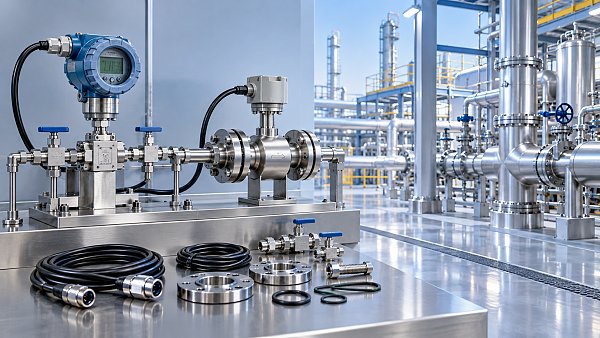
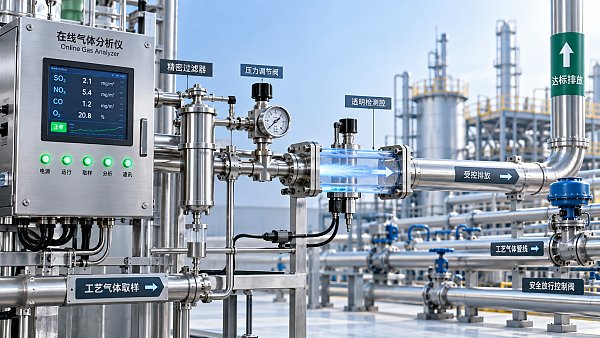
A stack detector quote may look simple at first glance, but the listed equipment price often covers only the core measuring unit. For finance approvers, this is where many budgeting errors begin. In the instrumentation industry, the final project value usually includes the detector body, probes or sampling components, signal processing modules, mounting accessories, software interfaces, and commissioning support. Depending on the application, it may also include data logging, alarms, remote monitoring, and links to plant control systems.
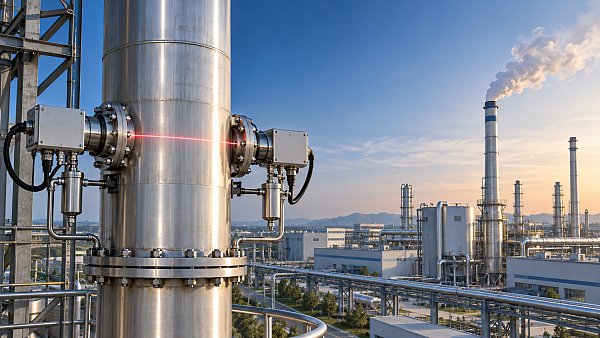
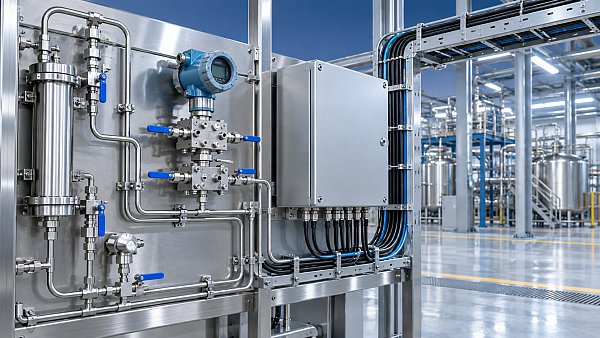
In practical terms, a stack detector used for emissions monitoring in power generation, manufacturing, waste treatment, or process industries is rarely a stand-alone purchase. It is part of a broader monitoring architecture. If a quote excludes field wiring, communication modules, environmental enclosures, or startup calibration, the initial number may appear attractive but the total spend can rise sharply after approval.
This is why financial reviewers should ask whether the supplier is quoting a device, a subsystem, or a complete delivered solution. The distinction affects budget accuracy, procurement comparison, and project risk. A low unit price may still lead to a higher total cost if multiple external contractors are needed to make the stack detector operational.
Why can two stack detector projects with similar unit prices have very different total budgets?
Two projects can start with similar hardware costs yet end with very different capital requests because the project context drives the real budget. Stack height, access conditions, plant downtime windows, safety constraints, and regulatory performance requirements all shape implementation cost. A detector installed on an easily accessible line during scheduled maintenance is far less expensive than one mounted on a high-temperature stack that requires scaffolding, shutdown coordination, and specialized labor.
The same applies to performance expectations. A basic stack detector for trend monitoring may require simpler integration and less frequent calibration. A compliance-oriented system used for reporting environmental data often needs stricter accuracy, traceability, documentation, and verification procedures. These extras add engineering hours, service visits, and ongoing support requirements.
For budget control, finance teams should look beyond product similarity and focus on scope similarity. A quote for a stack detector in one facility may not be directly comparable to another if the installation environment, utility readiness, and compliance obligations differ.
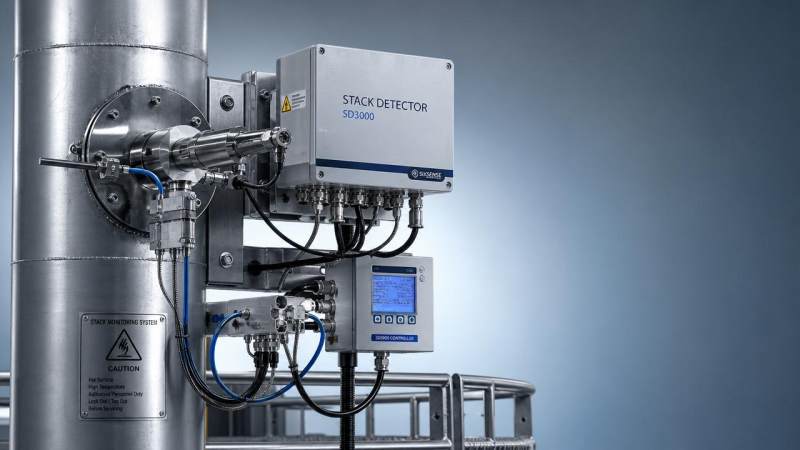
Which cost drivers beyond unit price should finance decision-makers review first?
The fastest way to assess a stack detector budget is to break it into visible and hidden cost drivers. This makes supplier comparison more objective and reduces the chance of underestimating lifecycle expense.
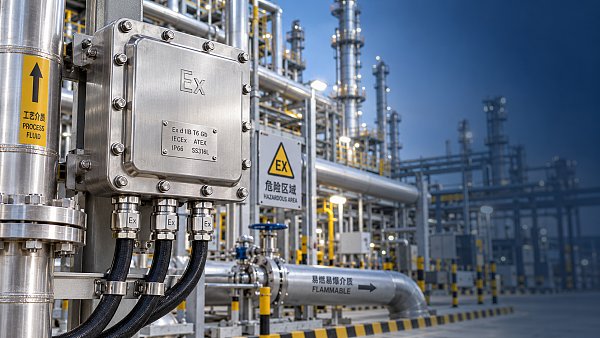
Among these factors, installation and compliance often create the biggest surprises. A stack detector that requires heated lines, weather protection, corrosion-resistant materials, or explosion-risk measures can move from a manageable equipment purchase to a more complex project. For a finance approver, the right question is not “What is the detector price?” but “What is the fully installed and auditable cost?”
How do compliance and regulatory requirements change stack detector costs?
Compliance can materially change the business case of a stack detector. In sectors tied to emissions control, environmental monitoring, or process safety, the detector may need to meet specific national, regional, or site-level requirements. These requirements can influence sensor selection, enclosure grade, calibration protocol, data retention, and validation procedures.
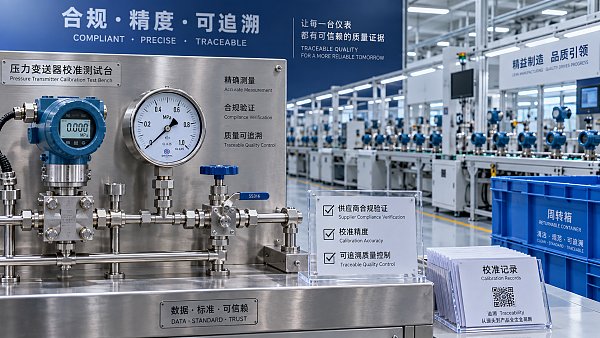
For financial planning, compliance-related costs appear in three layers. First, there is the design layer: the stack detector may require a more advanced configuration to satisfy measurement range, response time, or documentation standards. Second, there is the commissioning layer: functional testing, baseline checks, and formal acceptance can extend implementation time. Third, there is the operating layer: periodic audits, calibration certificates, and service records may be necessary throughout the detector’s life.
This matters because non-compliance is often more expensive than proper specification. A lower-cost stack detector that cannot support required reporting accuracy or traceable maintenance can trigger rework, replacement, or regulatory exposure. Finance teams should therefore verify whether the proposed solution is suitable for internal process monitoring only, or whether it is intended for external compliance reporting as well.
How much do calibration, maintenance, and downtime affect the real cost?
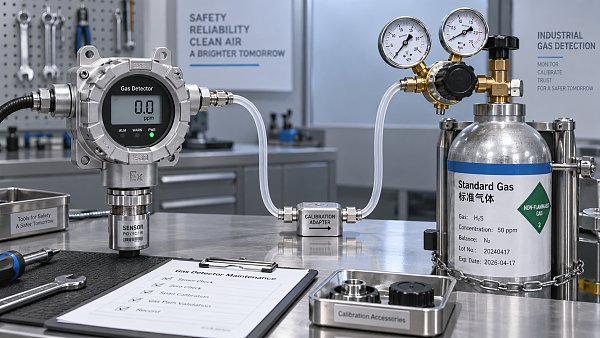
For many buyers, the most underestimated stack detector costs emerge after installation. Calibration materials, technician visits, sensor replacement, routine cleaning, and troubleshooting all add to annual operating expense. In harsh stack environments, contamination, moisture, vibration, and temperature swings can shorten service intervals. The result is a detector that appears economical on paper but becomes expensive to sustain.
Downtime is another major factor. If stack detector maintenance requires stopping a line, isolating a process, or dispatching outside specialists on short notice, the indirect cost may exceed the maintenance invoice itself. For operations with tight production schedules, reliability and ease of service are financial issues, not merely technical preferences.
That is why total cost of ownership should include at least three questions: how often will the stack detector need calibration, how quickly can common parts be replaced, and what happens to production or reporting if the unit fails? A detector with better diagnostics, modular components, or stronger local service support may justify a higher purchase price by lowering disruption risk over time.
What mistakes do buyers make when comparing stack detector quotes?
The most common mistake is comparing numbers without comparing scope. One supplier may include startup support, operator training, and communication setup, while another may provide hardware only. On paper, both appear to offer a stack detector, but the commercial meaning is very different.
Another mistake is treating technical fit as a secondary issue. If the detector is not well matched to gas composition, particulate load, stack dimensions, or environmental conditions, the company may face unstable readings, frequent maintenance, or early replacement. Short-term savings then become long-term overspend.
A third error is overlooking integration complexity. In the instrumentation industry, value often comes from data usability, not only data collection. If the stack detector cannot communicate smoothly with existing automation, environmental reporting, or plant monitoring systems, extra engineering work will be needed later.
Finally, some buyers underestimate supplier capability. A lower quote from a vendor with weak documentation, slow service response, or limited application experience may increase project risk. For a finance approver, supplier reliability is part of cost management because poor execution tends to generate change orders, delays, and hidden service expense.
How should finance approvers evaluate stack detector proposals more confidently?
A strong evaluation process starts by separating capital cost from lifecycle cost. Capital cost includes hardware, installation, and commissioning. Lifecycle cost includes calibration, spare parts, service, software support, compliance documentation, and downtime exposure. This structure helps finance teams identify whether a lower initial quote truly reduces total spend.
It also helps to request a like-for-like comparison format from all suppliers. Ask each vendor to state what is included, what is excluded, what assumptions they made about utilities and installation conditions, and what recurring service the stack detector will require. Standardized comparison reduces ambiguity and improves approval quality.
From an approval standpoint, this approach turns the stack detector from a line-item purchase into a managed investment decision. It supports clearer internal discussion between technical teams, operations, EHS stakeholders, and finance.
Which early questions should be answered before asking for a final stack detector budget?
Before requesting final quotations, companies should confirm several practical points. What substance or parameter must the stack detector monitor? Is the goal process optimization, environmental oversight, alarm protection, or formal compliance? What are the stack conditions in terms of temperature, dust, moisture, corrosion, and access? What data output is needed, and where must that data go?
It is also important to clarify project responsibilities. Will the supplier handle installation supervision, commissioning, and training? Will internal teams provide electrical work and system integration, or is third-party support required? Answers to these questions have a direct effect on timeline, budget ownership, and change-order risk.
For finance decision-makers, the most useful stack detector proposal is one that combines a clear technical fit with transparent commercial boundaries. If you need to move toward a more accurate budget, a better specification, or a supplier shortlist, the first discussion should focus on application conditions, compliance objectives, integration requirements, service expectations, and total lifecycle cost rather than hardware price alone.
Recommended for You
 How to verify accuracy claims for industrial quality analyzersVerify accuracy claims for industrial quality analyzers with calibration checks, independent testing, and clear acceptance criteria. Learn how to reduce risk and buy with confidence.
 How to calculate cooling loads for an industrial analyzer shelterSize industrial analyzer shelter cooling with confidence. Learn to calculate equipment heat, solar gains, and ventilation loads, then select HVAC capacity for reliable analyzer performance.
 Industrial Safety vs. Emission Monitoring: What Are the Differences?What are the main differences between industrial safety and emission monitoring? Compare goals, sensors, response times, and compliance needs to choose the right systems for your facility.
 Is Remote Monitoring Worth the Cost for Small Emission Sources?Is it worth investing in remote monitoring for small emission sources? Compare costs, compliance needs, and potential savings to choose the right solution for your operation.
 How Do You Handle Analyzer Failure During an Environmental Audit?Learn how to handle analyzer failure during environmental compliance audit procedures. Protect evidence, verify data, and restore monitoring with this practical response guide.
 Do VOC Monitors Require Explosion-Proof Certification?Does VOC monitoring require explosion-proof certification? Learn when approval is needed, compare ATEX and IECEx, and choose the right monitor for your site.
 How sample conditioning affects accuracy in petrochemical analyzersImprove accuracy in petrochemical analyzers with smarter sample conditioning. Discover how phase control, filtration, and transport design prevent bias and deliver reliable process data.
 How to troubleshoot sensor drift in industrial gas detectorsIndustrial gas detectors showing sensor drift? Learn how to verify calibration gas, identify root causes, and determine when sensor replacement is needed for reliable monitoring.
 How to judge whether a competitive price reflects real valueCompetitive Price: learn how to compare scope, compliance, performance, and lifecycle costs to identify real value, reduce risk, and make smarter purchasing decisions.
 When custom gas analysis is the right fit for complex process streamsCustom gas analysis for complex process streams: learn when tailored sampling, interference control, and reliable measurement design deliver confident decisions.
 When does a laser gas analyzer meet stack emissions monitoring needs?Laser gas analyzer for stack emissions: learn when it delivers fast, reliable data, how to assess installation risks, and what to verify for CEMS compliance.
 How to select a hazardous gas analyzer for confined spacesHazardous gas analyzer selection for confined spaces: compare sensors, sampling, certifications, alarms, and maintenance to protect workers and choose with confidence.
 When is a single gas analyzer sufficient for workplace safety monitoring?Discover when a single gas analyzer delivers reliable workplace safety monitoring, and learn the key limits, calibration needs, and risks that require broader detection.
 How to choose an ambient gas analyzer for low-level leak detectionAmbient gas analyzer selection for low-level leak detection: compare sensitivity, cross-sensitivity, sampling design, alarms, and calibration for reliable site performance.
 How to tell when an oxygen sensor needs replacementOxygen sensor replacement signs explained: learn how live data, fault codes, wiring checks, and exhaust inspections pinpoint the real issue before you buy.
 How laser gas analyzers improve combustion control in steel furnacesLaser gas analyzer for steel industry applications delivers fast in-situ O₂ and CO data to optimize furnace combustion, cut fuel waste, and improve steel heating stability.
 How to verify whether explosion proof equipment meets site requirementsExplosion proof equipment verification made practical: match zones, gas or dust groups, temperature classes, certificates, and installation conditions for confident compliance.
 How industrial gas analysis helps detect contamination before releaseIndustrial Gas Analysis helps detect moisture, oil, oxygen, and toxic contaminants before release—protecting processes, ensuring compliance, and reducing costly risks.
 When is electrochemistry detection the right choice for water analysis?Electrochemistry detection for water analysis: learn when fast, reliable monitoring of ions, chlorine, pH, and more delivers actionable results.
 How industrial standards reduce quality risks in supplier selectionIndustrial Standard guidance helps quality and safety managers reduce supplier risks, verify compliance, strengthen traceability, and build resilient instrumentation supply chains.
 When does a multi-component system reduce installation complexity?Multi component systems reduce installation complexity when they eliminate field interfaces, streamline commissioning, and provide proven compatibility. Learn how to assess total cost and supplier accountability.
 How to size an industrial control shelter for outdoor equipmentIndustrial control shelter sizing guide: optimize layout, HVAC, access, safety, and expansion space for reliable outdoor equipment operations.
 How flue analysis helps verify combustion efficiencyFlue analysis verifies combustion efficiency by assessing O2, CO, CO2, and stack temperature to identify excess air, incomplete combustion, and heat losses.
 How to select industrial gas detectors for confined spacesIndustrial gas detectors for confined spaces: learn how to match sensors, sampling methods, alarms, and certifications to real atmospheric hazards.
 When does a laser oxygen analyzer outperform zirconia sensors?Laser oxygen analyzer vs. zirconia sensors: compare speed, selectivity, maintenance, gas chemistry, and installation needs to choose the right oxygen measurement solution.
 How to select a percent range analyzer for process measurementsPercent range analyzer selection made practical: compare accuracy, sample systems, calibration, gas matrix, integration, and lifecycle cost for reliable process measurements.
 How explosion proof analysis verifies safe equipment for hazardous areasExplosion proof analysis verifies hazardous-area equipment by matching certifications, temperature ratings, installation details, and inspection controls for safer compliance.
 When does fixed gas detection need point sensors instead of open-path monitoring?Fixed gas detection: discover when point sensors outperform open-path monitoring for predictable leaks, enclosed zones, local alarms, and safer design decisions.
 How to choose industrial metrology systems for tight-tolerance partsIndustrial metrology guide for tight-tolerance parts: compare CMMs, optical scanners, gauges, uncertainty, workflow, and traceable inspection strategies.
 How process metrology reduces measurement variation in productionProcess metrology reduces production measurement variation by improving traceability, uncertainty control, calibration, and reliable quality decisions.
 How to select an industrial monitoring analyzer for harsh environmentsIndustrial monitoring analyzer selection for harsh environments: evaluate sampling, durability, hazardous-area compliance, accuracy, maintenance, and data reliability.
 How calibration intervals affect test and measurement equipment accuracyTest and measurement equipment calibration intervals directly affect accuracy, risk, compliance, and uptime. Learn how to set evidence-based schedules that protect critical decisions.


Search Categories
Search Categories
- Smart Meters & Power Quality
- Transformer Gas Analyzers
- BESS Thermal Runaway Detectors
- Energy, Power & Smart Grid Monitoring
- Optical Profilers & CMM
- Ultrasonic & X-Ray NDT
- Calibration Standards
- Precision Metrology & NDT
- Water Quality Analyzers
- CEMS & VOCs Monitors
- Price Trends
- Import & Export Updates
- Market Trends
- Industry News
- Industry Insights
Latest Article
- How to verify accuracy claims for industrial quality analyzersVerify accuracy claims for industrial quality analyzers with calibration checks, independent testing, and clear acceptance criteria. Learn how to reduce risk and buy with confidence.Posted by:
- How to calculate cooling loads for an industrial analyzer shelterSize industrial analyzer shelter cooling with confidence. Learn to calculate equipment heat, solar gains, and ventilation loads, then select HVAC capacity for reliable analyzer performance.Posted by:
- Industrial Safety vs. Emission Monitoring: What Are the Differences?What are the main differences between industrial safety and emission monitoring? Compare goals, sensors, response times, and compliance needs to choose the right systems for your facility.Posted by:
Please give us a message
