
Control Sensor Problems That Signal a Need for Early Replacement


A failing control sensor can quietly undermine system accuracy, safety, and uptime long before a complete breakdown occurs. For after-sales maintenance teams, recognizing early warning signs such as unstable readings, delayed response, frequent calibration drift, or intermittent alarms is critical to preventing costly disruptions. This article outlines the most common control sensor problems that indicate it is time for early replacement and explains how timely action supports reliable performance across demanding industrial environments.
What a Control Sensor Does and Why Early Replacement Matters
A control sensor is more than a measurement point in an instrument loop. It is the front-end device that converts a physical condition such as pressure, temperature, flow, level, position, vibration, conductivity, or gas concentration into usable control information. In modern industrial manufacturing, energy systems, environmental monitoring networks, laboratory installations, building automation, and process control lines, the quality of every decision depends on the reliability of the control sensor feeding the controller, recorder, PLC, DCS, or safety system.
For after-sales maintenance personnel, the question is rarely whether sensors fail. The real issue is whether the failure is identified early enough to avoid unstable output, rejected product, alarm fatigue, unnecessary shutdowns, or hidden safety exposure. A control sensor often degrades gradually. By the time it reaches complete failure, the system may already have suffered from poor control accuracy, repeated calibration work, or hard-to-explain process deviations. Early replacement is therefore not a sign of waste. In many cases, it is the most economical maintenance decision.
This matters across the instrumentation industry because digital transformation and intelligent upgrading rely on trustworthy data. Advanced analytics, remote monitoring, predictive maintenance, and automated process optimization all lose value when the original sensing point is unstable. A weak control sensor can mislead both operators and software, making false confidence more dangerous than an obvious breakdown.
Why the Instrumentation Industry Pays Close Attention to Sensor Health
The instrumentation sector supports critical operations in production plants, utilities, testing laboratories, wastewater facilities, pharmaceutical environments, commercial buildings, and infrastructure projects. In all of these settings, a control sensor directly affects three core outcomes: process quality, operational continuity, and compliance.
A small signal error can create a large operational consequence. A drifting temperature sensor may cause overheating or underprocessing. A sluggish pressure control sensor can delay valve action and destabilize a line. A contaminated level sensor may trigger overflow risk or dry-run damage. In regulated environments, poor sensor performance can also compromise traceability, reporting accuracy, and audit readiness.
For service teams responsible for maintaining customer confidence after installation, sensor health is especially important because many recurring complaints are not caused by the controller or the software. They originate at the sensing layer. Understanding when a control sensor should be replaced early helps maintenance teams move from reactive troubleshooting to planned reliability support.
Common Control Sensor Problems That Signal Early Replacement
Not every sensor issue means instant replacement, but several patterns strongly suggest that continued use will create more risk than value. The following problems are among the most reliable warning signs.
Unstable or noisy readings
If the output signal fluctuates without a matching process change, the control sensor may be suffering from internal component aging, moisture ingress, poor shielding, contamination, or deteriorating electronics. While wiring and grounding should always be checked first, persistent noise after basic corrections often means the sensing element is no longer dependable.
Slow response to real process changes
A control sensor that reacts too slowly can be just as damaging as one that reads incorrectly. Fouling, mechanical fatigue, worn diaphragms, thermal lag, and aging sensing materials can all increase response time. In closed-loop control, delay reduces stability and forces the system to chase outdated information.
Frequent calibration drift
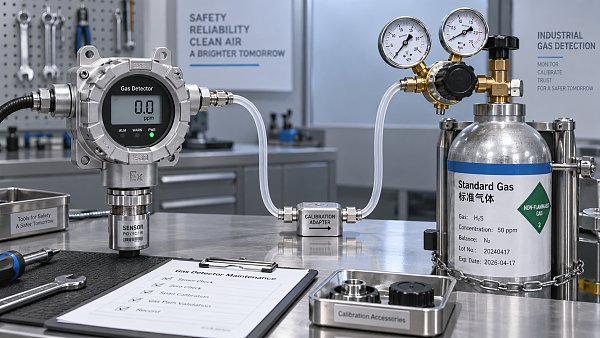
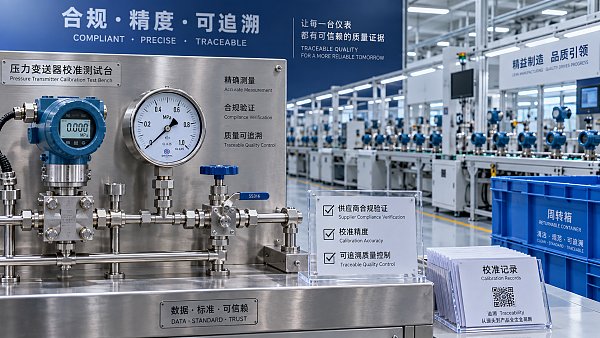
Some drift is expected over time, but repeated loss of calibration between normal service intervals is a strong replacement indicator. If a control sensor cannot hold calibration under stable operating conditions, maintenance effort rises while confidence falls. Teams should watch for shortening calibration cycles, offset growth, and repeated zero or span correction needs.
Intermittent alarms or signal dropouts
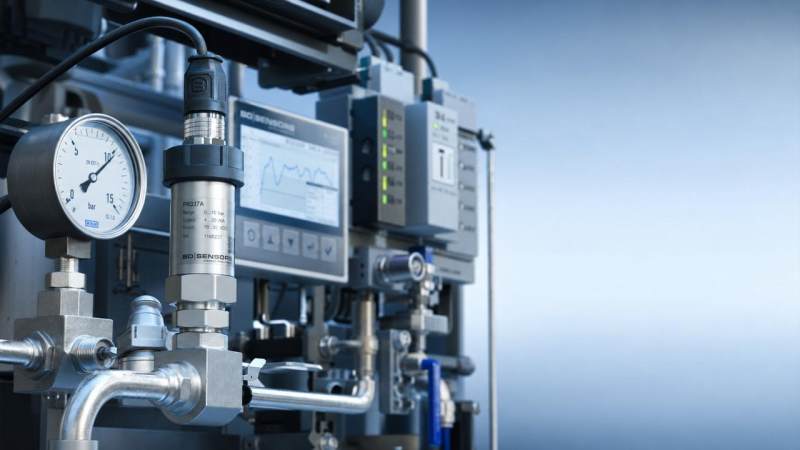
An intermittent fault is often harder to diagnose than a total failure. Random alarms, output spikes, signal loss, and temporary recovery may point to internal fractures, connector fatigue, thermal stress, or moisture-related faults. When these events recur after installation checks and connection repairs, early replacement of the control sensor is usually justified.
Physical damage or environmental deterioration
Cracked housings, corroded contacts, swollen seals, discolored cable jackets, chemical attack, and vibration wear are visible indicators that service life is nearing its limit. Even if the control sensor still produces a signal, physical degradation often predicts accelerated failure.
Mismatch between process conditions and sensor capability
Sometimes the problem is not age alone. A control sensor may have been exposed to temperatures, pressures, media compatibility issues, washdown cycles, or vibration levels beyond its design envelope. In such cases, replacement should include reassessment of specification fit rather than simple like-for-like substitution.
Industry Overview of Failure Signals and Their Impact
For maintenance teams working across different customer sites, it helps to connect sensor symptoms with operational consequences. The table below summarizes common patterns.
Where These Problems Commonly Appear
The same control sensor warning signs show up differently depending on the application. After-sales maintenance personnel should adapt their evaluation to the process environment rather than applying a single rule to every site.
Industrial manufacturing
Production lines often expose sensors to heat cycles, vibration, dust, washdown, and continuous operation. Here, a drifting control sensor may first appear as scrap rate increases, unstable machine timing, or repeated operator intervention.
Energy and power systems
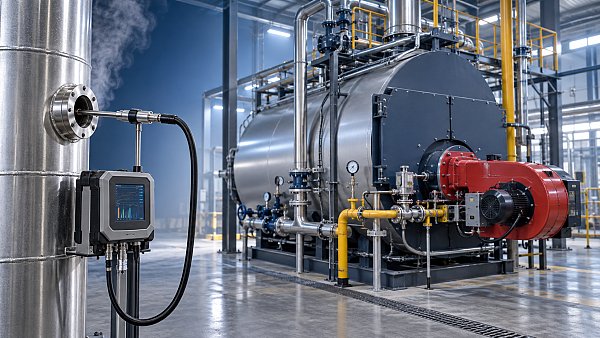
In boilers, turbines, substations, and utility support systems, the cost of wrong data can be severe. Pressure, temperature, and flow control sensor degradation may lead to inefficient operation, unsafe margins, or nuisance trips.
Environmental monitoring and water treatment
pH, conductivity, dissolved oxygen, level, and chemical dosing measurements are especially vulnerable to fouling and coating. A control sensor in these applications may still look functional while silently losing reliability due to surface buildup or chemical exposure.
Medical, laboratory, and analytical environments
Accuracy and repeatability matter more than visible failure. In these settings, even small control sensor drift can affect test validity, environmental stability, or regulatory documentation, making earlier replacement a safer strategy.
Practical Evaluation Criteria for After-Sales Maintenance Teams
A disciplined evaluation process helps avoid both premature replacement and dangerous delay. Maintenance personnel should consider the following when deciding whether a control sensor has reached the point for early replacement.
First, compare current performance against commissioning baseline data, not only against present process expectations. Second, review calibration history for trend rather than isolated events. Third, inspect environmental exposure, including temperature cycling, contamination, vibration, ingress, and chemical compatibility. Fourth, assess the criticality of the measurement point. A noncritical indication can tolerate more observation than a sensor tied to safety, emissions, or closed-loop control. Fifth, calculate the hidden cost of repeated intervention. If technicians revisit the same control sensor repeatedly, replacement is often cheaper than continued troubleshooting.
Documentation also matters. Reliable records of drift rate, alarm frequency, maintenance actions, and replacement intervals help service teams identify recurring root causes. In many customer environments, what appears to be random control sensor failure is actually a pattern linked to mounting location, process upset, cleaning chemicals, or specification mismatch.
Best Practices for Replacement Planning and Long-Term Reliability
Early replacement works best when it is part of a broader reliability strategy. Instead of waiting for emergency failure, service teams should group high-risk control sensor positions into planned maintenance windows. This reduces unplanned downtime and allows proper verification after installation.
It is also wise to validate whether the replacement model is truly appropriate for the application. Review range, accuracy class, wetted materials, ingress protection, response time, signal type, and environmental rating. In harsh conditions, a more suitable control sensor design may improve total service life more than simply replacing the same part number again.
Training operators to recognize early symptoms is another practical step. Operators often notice subtle process changes before maintenance records show a clear fault. When their observations are linked with technical inspection, the control sensor can be replaced before it causes wider system instability.
A Practical Approach to Timely Action
In the instrumentation industry, the most expensive control sensor is often the one that remains in service too long. Unstable readings, delayed response, calibration drift, intermittent alarms, and visible deterioration are not minor inconveniences. They are early indicators that measurement trust is fading. For after-sales maintenance teams, acting at this stage protects system performance, supports customer satisfaction, and reduces emergency service pressure.
A structured replacement decision based on history, environment, process criticality, and lifecycle cost can turn sensor maintenance from reactive repair into a reliability advantage. If recurring issues continue to appear around the same measurement points, it is time to review the control sensor itself, the installation conditions, and the suitability of the selected sensing technology. Timely replacement is not only maintenance discipline; it is a practical foundation for safer, more stable, and more intelligent industrial operation.
Recommended for You
 How to verify accuracy claims for industrial quality analyzersVerify accuracy claims for industrial quality analyzers with calibration checks, independent testing, and clear acceptance criteria. Learn how to reduce risk and buy with confidence.
 How to calculate cooling loads for an industrial analyzer shelterSize industrial analyzer shelter cooling with confidence. Learn to calculate equipment heat, solar gains, and ventilation loads, then select HVAC capacity for reliable analyzer performance.
 Industrial Safety vs. Emission Monitoring: What Are the Differences?What are the main differences between industrial safety and emission monitoring? Compare goals, sensors, response times, and compliance needs to choose the right systems for your facility.
 Is Remote Monitoring Worth the Cost for Small Emission Sources?Is it worth investing in remote monitoring for small emission sources? Compare costs, compliance needs, and potential savings to choose the right solution for your operation.
 How Do You Handle Analyzer Failure During an Environmental Audit?Learn how to handle analyzer failure during environmental compliance audit procedures. Protect evidence, verify data, and restore monitoring with this practical response guide.
 Do VOC Monitors Require Explosion-Proof Certification?Does VOC monitoring require explosion-proof certification? Learn when approval is needed, compare ATEX and IECEx, and choose the right monitor for your site.
 How sample conditioning affects accuracy in petrochemical analyzersImprove accuracy in petrochemical analyzers with smarter sample conditioning. Discover how phase control, filtration, and transport design prevent bias and deliver reliable process data.
 How to troubleshoot sensor drift in industrial gas detectorsIndustrial gas detectors showing sensor drift? Learn how to verify calibration gas, identify root causes, and determine when sensor replacement is needed for reliable monitoring.
 How to judge whether a competitive price reflects real valueCompetitive Price: learn how to compare scope, compliance, performance, and lifecycle costs to identify real value, reduce risk, and make smarter purchasing decisions.
 When custom gas analysis is the right fit for complex process streamsCustom gas analysis for complex process streams: learn when tailored sampling, interference control, and reliable measurement design deliver confident decisions.
 When does a laser gas analyzer meet stack emissions monitoring needs?Laser gas analyzer for stack emissions: learn when it delivers fast, reliable data, how to assess installation risks, and what to verify for CEMS compliance.
 How to select a hazardous gas analyzer for confined spacesHazardous gas analyzer selection for confined spaces: compare sensors, sampling, certifications, alarms, and maintenance to protect workers and choose with confidence.
 When is a single gas analyzer sufficient for workplace safety monitoring?Discover when a single gas analyzer delivers reliable workplace safety monitoring, and learn the key limits, calibration needs, and risks that require broader detection.
 How to choose an ambient gas analyzer for low-level leak detectionAmbient gas analyzer selection for low-level leak detection: compare sensitivity, cross-sensitivity, sampling design, alarms, and calibration for reliable site performance.
 How to tell when an oxygen sensor needs replacementOxygen sensor replacement signs explained: learn how live data, fault codes, wiring checks, and exhaust inspections pinpoint the real issue before you buy.
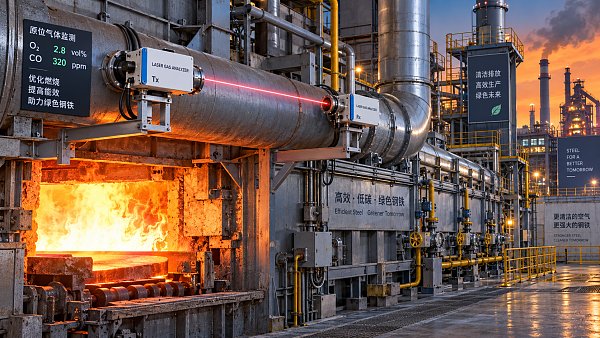
 How laser gas analyzers improve combustion control in steel furnacesLaser gas analyzer for steel industry applications delivers fast in-situ O₂ and CO data to optimize furnace combustion, cut fuel waste, and improve steel heating stability.
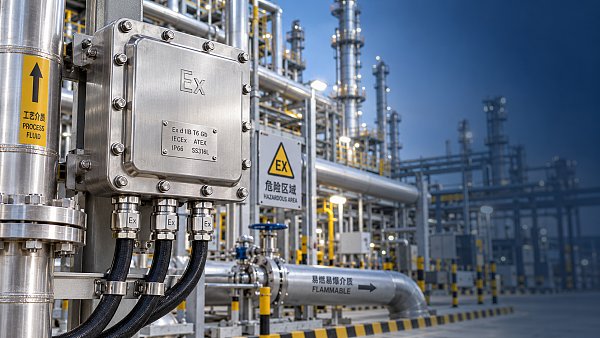
 How to verify whether explosion proof equipment meets site requirementsExplosion proof equipment verification made practical: match zones, gas or dust groups, temperature classes, certificates, and installation conditions for confident compliance.
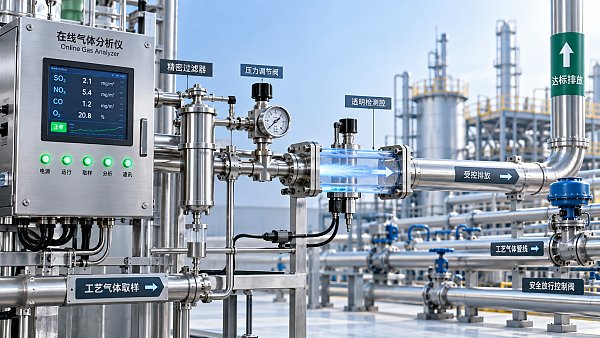
 How industrial gas analysis helps detect contamination before releaseIndustrial Gas Analysis helps detect moisture, oil, oxygen, and toxic contaminants before release—protecting processes, ensuring compliance, and reducing costly risks.
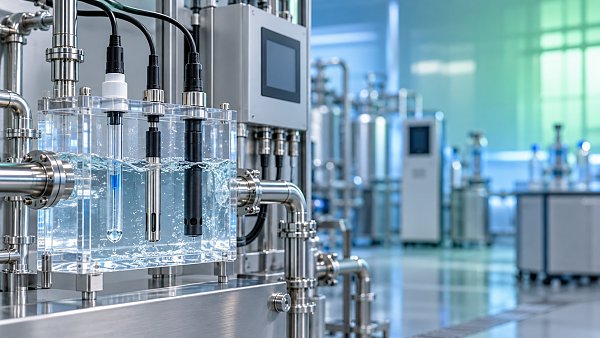
 When is electrochemistry detection the right choice for water analysis?Electrochemistry detection for water analysis: learn when fast, reliable monitoring of ions, chlorine, pH, and more delivers actionable results.
 How industrial standards reduce quality risks in supplier selectionIndustrial Standard guidance helps quality and safety managers reduce supplier risks, verify compliance, strengthen traceability, and build resilient instrumentation supply chains.
 When does a multi-component system reduce installation complexity?Multi component systems reduce installation complexity when they eliminate field interfaces, streamline commissioning, and provide proven compatibility. Learn how to assess total cost and supplier accountability.
 How to size an industrial control shelter for outdoor equipmentIndustrial control shelter sizing guide: optimize layout, HVAC, access, safety, and expansion space for reliable outdoor equipment operations.
 How flue analysis helps verify combustion efficiencyFlue analysis verifies combustion efficiency by assessing O2, CO, CO2, and stack temperature to identify excess air, incomplete combustion, and heat losses.
 How to select industrial gas detectors for confined spacesIndustrial gas detectors for confined spaces: learn how to match sensors, sampling methods, alarms, and certifications to real atmospheric hazards.
 When does a laser oxygen analyzer outperform zirconia sensors?Laser oxygen analyzer vs. zirconia sensors: compare speed, selectivity, maintenance, gas chemistry, and installation needs to choose the right oxygen measurement solution.
 How to select a percent range analyzer for process measurementsPercent range analyzer selection made practical: compare accuracy, sample systems, calibration, gas matrix, integration, and lifecycle cost for reliable process measurements.
 How explosion proof analysis verifies safe equipment for hazardous areasExplosion proof analysis verifies hazardous-area equipment by matching certifications, temperature ratings, installation details, and inspection controls for safer compliance.
 When does fixed gas detection need point sensors instead of open-path monitoring?Fixed gas detection: discover when point sensors outperform open-path monitoring for predictable leaks, enclosed zones, local alarms, and safer design decisions.
 How to choose industrial metrology systems for tight-tolerance partsIndustrial metrology guide for tight-tolerance parts: compare CMMs, optical scanners, gauges, uncertainty, workflow, and traceable inspection strategies.
 How process metrology reduces measurement variation in productionProcess metrology reduces production measurement variation by improving traceability, uncertainty control, calibration, and reliable quality decisions.
 How to select an industrial monitoring analyzer for harsh environmentsIndustrial monitoring analyzer selection for harsh environments: evaluate sampling, durability, hazardous-area compliance, accuracy, maintenance, and data reliability.
 How calibration intervals affect test and measurement equipment accuracyTest and measurement equipment calibration intervals directly affect accuracy, risk, compliance, and uptime. Learn how to set evidence-based schedules that protect critical decisions.
Search Categories
Search Categories
- Smart Meters & Power Quality
- Transformer Gas Analyzers
- BESS Thermal Runaway Detectors
- Energy, Power & Smart Grid Monitoring
- Optical Profilers & CMM
- Ultrasonic & X-Ray NDT
- Calibration Standards
- Precision Metrology & NDT
- Water Quality Analyzers
- CEMS & VOCs Monitors
- Price Trends
- Import & Export Updates
- Market Trends
- Industry News
- Industry Insights
Latest Article
- How to verify accuracy claims for industrial quality analyzersVerify accuracy claims for industrial quality analyzers with calibration checks, independent testing, and clear acceptance criteria. Learn how to reduce risk and buy with confidence.Posted by:
- How to calculate cooling loads for an industrial analyzer shelterSize industrial analyzer shelter cooling with confidence. Learn to calculate equipment heat, solar gains, and ventilation loads, then select HVAC capacity for reliable analyzer performance.Posted by:
- Industrial Safety vs. Emission Monitoring: What Are the Differences?What are the main differences between industrial safety and emission monitoring? Compare goals, sensors, response times, and compliance needs to choose the right systems for your facility.Posted by:
Please give us a message
