
Process Metrology Guide: Building Better Control from Better Data


In modern industry, process metrology is the foundation of reliable control, consistent quality, and smarter operational decisions. For technical evaluators, the real challenge is not just collecting more measurements, but turning accurate, traceable data into actionable process improvements. This guide explores how better metrology strengthens automation, reduces uncertainty, and builds a more stable framework for performance, compliance, and long-term efficiency.
What is process metrology, and why does it matter so much in technical evaluation?
Process metrology is the disciplined use of measurement science to monitor, verify, and improve industrial processes. It goes beyond reading values from instruments. It includes calibration traceability, sensor selection, uncertainty analysis, data validation, and the connection between measurement results and control actions. In practical terms, process metrology determines whether pressure, temperature, flow, level, composition, vibration, or other variables are measured accurately enough to support safe and efficient operations.
For technical evaluators, this matters because process performance is only as dependable as the data behind it. A control loop may appear stable while hiding drift in a transmitter. A laboratory result may look precise but fail to represent actual production conditions. An energy system may meet output targets while quietly wasting fuel due to poor flow measurement. In each case, weak process metrology creates false confidence. Strong process metrology creates visibility, comparability, and decision quality.
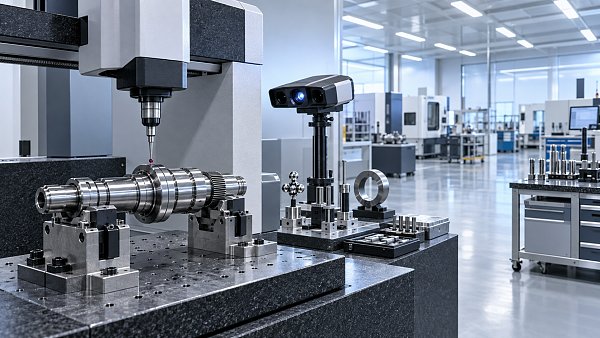
This is especially important across the broader instrumentation industry, where measurement devices support manufacturing, power generation, environmental monitoring, medical testing, laboratories, construction engineering, and automation systems. Technical evaluation is no longer limited to device specifications alone. It now requires understanding how measurement integrity supports digital transformation, predictive maintenance, quality assurance, and compliance reporting.
Which industrial scenarios benefit the most from stronger process metrology?
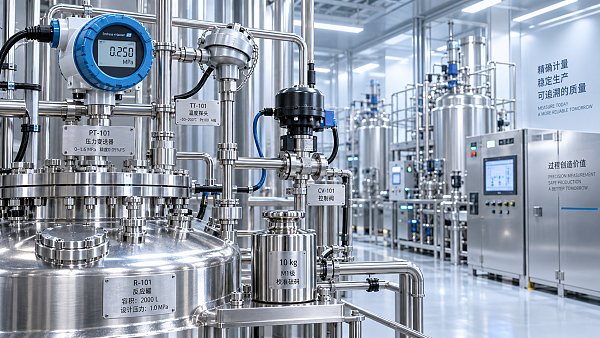
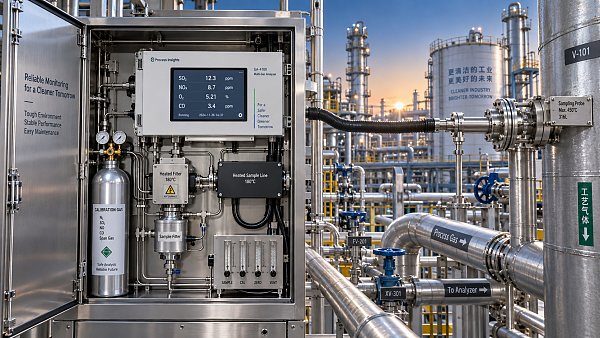
Almost every process-driven operation benefits, but the value becomes most visible where small measurement errors create large operational consequences. In continuous manufacturing, accurate temperature and flow data directly affect yield, consistency, and waste rates. In energy and power systems, metrology quality influences combustion efficiency, emissions monitoring, and asset loading decisions. In environmental applications, confidence in sampled and online data is essential for reporting, compliance, and public trust.
Technical evaluators should also pay attention to hybrid environments where laboratory analysis and online instrumentation must align. For example, a water treatment facility may rely on both online analyzers and periodic lab verification. If the two measurement chains are not harmonized, operators may overcorrect or underreact. The same pattern appears in pharmaceuticals, food processing, specialty chemicals, and advanced materials production.
Another high-value area is automation control. As plants adopt smarter PLC, DCS, SCADA, and IIoT architectures, measurement quality becomes more critical, not less. Better connectivity does not fix poor data. It can actually amplify bad data by spreading it faster across dashboards, alarms, optimization tools, and reporting systems. That is why process metrology should be reviewed as a system capability rather than a standalone instrument attribute.
How can technical evaluators judge whether process metrology is truly “good enough”?
A common mistake is to evaluate measurement equipment mainly by catalog accuracy. In reality, “good enough” process metrology depends on application context, process risk, and the cost of wrong decisions. A sensor with excellent bench performance may still be unsuitable if its response time, chemical compatibility, installation position, or calibration stability does not match the process.
A practical evaluation should include at least five checks. First, confirm the measurement objective. Is the data used for control, custody transfer, quality release, energy balancing, safety protection, or regulatory reporting? Different objectives require different confidence levels. Second, review the full uncertainty chain, including sensor, wiring, signal conversion, environmental effects, installation conditions, and data processing. Third, verify traceability and calibration strategy. Fourth, assess long-term stability and maintenance burden. Fifth, check how the measurement integrates with control logic and operator workflows.
When technical evaluators ask the right questions early, they avoid a costly pattern: buying capable instruments but implementing them in a way that weakens actual process metrology performance. This often happens when procurement, engineering, quality, and operations work from different assumptions about acceptable error, calibration interval, or process variability.
Quick evaluation table: what should be checked first?
What are the most common mistakes companies make with process metrology?
One frequent mistake is treating calibration as the whole story. Calibration is necessary, but process metrology also depends on installation quality, instrument placement, sample representativeness, signal integrity, and how results are interpreted. A perfectly calibrated device installed in a poor location can still generate misleading data.
Another mistake is assuming more data automatically means better control. In reality, extra measurements can increase noise, confusion, and maintenance cost if they are not tied to a clear control strategy. Technical evaluators should distinguish between useful observability and unmanaged data volume. Good process metrology improves decision relevance, not just data quantity.
A third mistake is ignoring drift and lifecycle effects. Instruments age. Process conditions change. Maintenance practices vary. What performed well during commissioning may no longer support the same level of confidence one or two years later. This is why periodic verification, trend review, and performance baselining are essential. The goal is not only initial accuracy but sustained measurement reliability.
Companies also underestimate cross-functional alignment. Quality teams may require traceability, operations may prioritize uptime, and finance may focus on initial purchase cost. Without a shared framework, process metrology decisions become fragmented. Technical evaluators are often the bridge between these priorities and should frame measurement quality in terms of total business impact.
How does process metrology improve automation, compliance, and cost control at the same time?
Better process metrology improves automation because control systems depend on trustworthy inputs. If measurements are stable, timely, and representative, controllers can operate closer to target conditions with fewer safety margins. That can mean tighter quality bands, reduced rework, lower raw material waste, and smoother throughput. In advanced control environments, even modest improvements in measurement confidence can unlock better tuning and more consistent optimization.
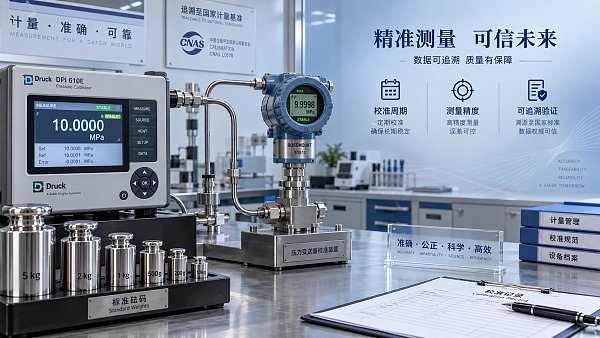
It also strengthens compliance. In regulated industries and environmentally sensitive operations, measurement records must stand up to audits and external review. Traceability, documented calibration, and defensible uncertainty analysis are no longer optional details. They are part of operational credibility. Process metrology provides the structure needed to show that reported values are not only available, but reliable.
From a cost perspective, the strongest gains often come from avoiding hidden losses rather than from reducing instrument spend. Poor metrology can cause overconsumption of energy, unstable batching, off-spec production, unnecessary shutdowns, or conservative operating practices that reduce productivity. By comparison, investing in better process metrology may look like a technical expense, but it often functions as a multiplier for process efficiency and risk reduction.
When comparing solutions, what selection criteria should evaluators prioritize?
Start with fitness for purpose, not the highest specification. The best process metrology solution is the one that supports the actual process objective under real operating conditions. For some applications, fast response and robust installation matter more than extreme accuracy. For others, traceability and repeatability dominate the decision.
Technical evaluators should compare solutions across four layers: sensing technology, application engineering, lifecycle support, and digital integration. Sensing technology covers the core measurement principle and environmental compatibility. Application engineering includes installation design, sampling design where relevant, and process-specific adaptation. Lifecycle support includes calibration services, spare parts, diagnostic capability, and service interval planning. Digital integration includes communication protocols, historian compatibility, analytics readiness, and cybersecurity considerations.
It is also useful to compare vendor claims against field evidence. Ask for case references, stability data, maintenance expectations, and examples of performance under similar duty conditions. In process metrology, practical behavior in the field often matters more than isolated specification highlights.
Selection checklist for a process metrology review
- Does the measurement support a clearly defined business or control objective?
- Is total uncertainty acceptable at the point of use, not just in laboratory conditions?
- Can the instrument maintain performance across expected process variations?
- Is calibration traceable, practical, and aligned with site maintenance capability?
- Will the data be usable by operators, engineers, and digital systems without excessive manual correction?
What should be clarified before moving into implementation, procurement, or supplier discussions?
Before taking the next step, technical evaluators should align stakeholders on a short list of non-negotiables. First, define which variables are most critical and what decisions depend on them. Second, document acceptable uncertainty, response time, and availability targets. Third, confirm operating conditions and installation constraints. Fourth, identify traceability, validation, and reporting requirements. Fifth, estimate lifecycle ownership needs, including calibration access, service intervals, and training.
Supplier conversations become more productive when these points are clear. Instead of asking only for a quotation, ask how the proposed approach protects measurement integrity over time. Ask what assumptions are built into the accuracy claim. Ask how drift is managed, how diagnostics are exposed, and how the system supports future automation or analytics goals. These questions reveal whether a supplier understands process metrology as an operational discipline rather than just a product sale.
For organizations pursuing modernization, the key takeaway is simple: better data does not begin in the dashboard. It begins in the measurement chain. Process metrology gives technical evaluators a practical framework for judging whether instruments, systems, and workflows can deliver dependable control and sustainable improvement. If you need to confirm a specific solution, parameters, project direction, implementation cycle, budget range, or cooperation model, start by clarifying the measurement objective, required uncertainty, calibration expectations, integration method, and lifecycle support responsibilities before final selection.
Recommended for You
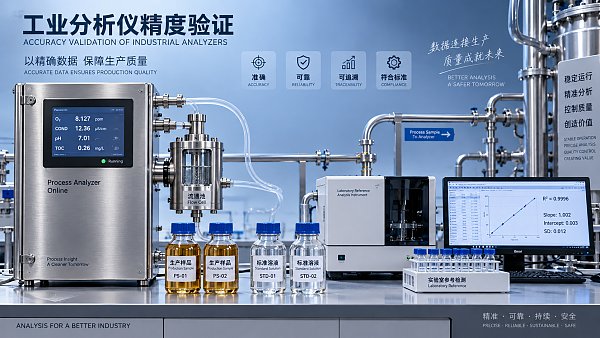
 How to verify accuracy claims for industrial quality analyzersVerify accuracy claims for industrial quality analyzers with calibration checks, independent testing, and clear acceptance criteria. Learn how to reduce risk and buy with confidence.
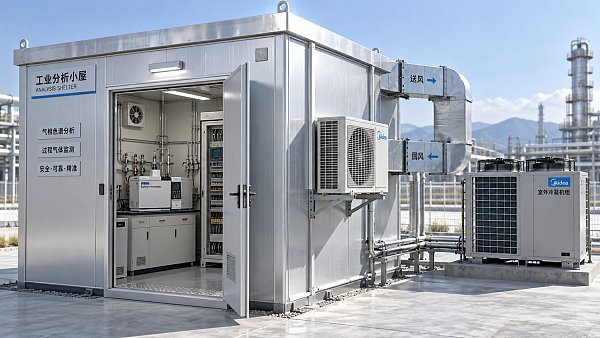
 How to calculate cooling loads for an industrial analyzer shelterSize industrial analyzer shelter cooling with confidence. Learn to calculate equipment heat, solar gains, and ventilation loads, then select HVAC capacity for reliable analyzer performance.
 Industrial Safety vs. Emission Monitoring: What Are the Differences?What are the main differences between industrial safety and emission monitoring? Compare goals, sensors, response times, and compliance needs to choose the right systems for your facility.
 Is Remote Monitoring Worth the Cost for Small Emission Sources?Is it worth investing in remote monitoring for small emission sources? Compare costs, compliance needs, and potential savings to choose the right solution for your operation.
 How Do You Handle Analyzer Failure During an Environmental Audit?Learn how to handle analyzer failure during environmental compliance audit procedures. Protect evidence, verify data, and restore monitoring with this practical response guide.
 Do VOC Monitors Require Explosion-Proof Certification?Does VOC monitoring require explosion-proof certification? Learn when approval is needed, compare ATEX and IECEx, and choose the right monitor for your site.
 How sample conditioning affects accuracy in petrochemical analyzersImprove accuracy in petrochemical analyzers with smarter sample conditioning. Discover how phase control, filtration, and transport design prevent bias and deliver reliable process data.
 How to troubleshoot sensor drift in industrial gas detectorsIndustrial gas detectors showing sensor drift? Learn how to verify calibration gas, identify root causes, and determine when sensor replacement is needed for reliable monitoring.
 How to judge whether a competitive price reflects real valueCompetitive Price: learn how to compare scope, compliance, performance, and lifecycle costs to identify real value, reduce risk, and make smarter purchasing decisions.
 When custom gas analysis is the right fit for complex process streamsCustom gas analysis for complex process streams: learn when tailored sampling, interference control, and reliable measurement design deliver confident decisions.
 When does a laser gas analyzer meet stack emissions monitoring needs?Laser gas analyzer for stack emissions: learn when it delivers fast, reliable data, how to assess installation risks, and what to verify for CEMS compliance.
 How to select a hazardous gas analyzer for confined spacesHazardous gas analyzer selection for confined spaces: compare sensors, sampling, certifications, alarms, and maintenance to protect workers and choose with confidence.
 When is a single gas analyzer sufficient for workplace safety monitoring?Discover when a single gas analyzer delivers reliable workplace safety monitoring, and learn the key limits, calibration needs, and risks that require broader detection.
 How to choose an ambient gas analyzer for low-level leak detectionAmbient gas analyzer selection for low-level leak detection: compare sensitivity, cross-sensitivity, sampling design, alarms, and calibration for reliable site performance.
 How to tell when an oxygen sensor needs replacementOxygen sensor replacement signs explained: learn how live data, fault codes, wiring checks, and exhaust inspections pinpoint the real issue before you buy.
 How laser gas analyzers improve combustion control in steel furnacesLaser gas analyzer for steel industry applications delivers fast in-situ O₂ and CO data to optimize furnace combustion, cut fuel waste, and improve steel heating stability.
 How to verify whether explosion proof equipment meets site requirementsExplosion proof equipment verification made practical: match zones, gas or dust groups, temperature classes, certificates, and installation conditions for confident compliance.
 How industrial gas analysis helps detect contamination before releaseIndustrial Gas Analysis helps detect moisture, oil, oxygen, and toxic contaminants before release—protecting processes, ensuring compliance, and reducing costly risks.
 When is electrochemistry detection the right choice for water analysis?Electrochemistry detection for water analysis: learn when fast, reliable monitoring of ions, chlorine, pH, and more delivers actionable results.
 How industrial standards reduce quality risks in supplier selectionIndustrial Standard guidance helps quality and safety managers reduce supplier risks, verify compliance, strengthen traceability, and build resilient instrumentation supply chains.
 When does a multi-component system reduce installation complexity?Multi component systems reduce installation complexity when they eliminate field interfaces, streamline commissioning, and provide proven compatibility. Learn how to assess total cost and supplier accountability.
 How to size an industrial control shelter for outdoor equipmentIndustrial control shelter sizing guide: optimize layout, HVAC, access, safety, and expansion space for reliable outdoor equipment operations.
 How flue analysis helps verify combustion efficiencyFlue analysis verifies combustion efficiency by assessing O2, CO, CO2, and stack temperature to identify excess air, incomplete combustion, and heat losses.
 How to select industrial gas detectors for confined spacesIndustrial gas detectors for confined spaces: learn how to match sensors, sampling methods, alarms, and certifications to real atmospheric hazards.
 When does a laser oxygen analyzer outperform zirconia sensors?Laser oxygen analyzer vs. zirconia sensors: compare speed, selectivity, maintenance, gas chemistry, and installation needs to choose the right oxygen measurement solution.
 How to select a percent range analyzer for process measurementsPercent range analyzer selection made practical: compare accuracy, sample systems, calibration, gas matrix, integration, and lifecycle cost for reliable process measurements.
 How explosion proof analysis verifies safe equipment for hazardous areasExplosion proof analysis verifies hazardous-area equipment by matching certifications, temperature ratings, installation details, and inspection controls for safer compliance.
 When does fixed gas detection need point sensors instead of open-path monitoring?Fixed gas detection: discover when point sensors outperform open-path monitoring for predictable leaks, enclosed zones, local alarms, and safer design decisions.
 How to choose industrial metrology systems for tight-tolerance partsIndustrial metrology guide for tight-tolerance parts: compare CMMs, optical scanners, gauges, uncertainty, workflow, and traceable inspection strategies.
 How process metrology reduces measurement variation in productionProcess metrology reduces production measurement variation by improving traceability, uncertainty control, calibration, and reliable quality decisions.
 How to select an industrial monitoring analyzer for harsh environmentsIndustrial monitoring analyzer selection for harsh environments: evaluate sampling, durability, hazardous-area compliance, accuracy, maintenance, and data reliability.
 How calibration intervals affect test and measurement equipment accuracyTest and measurement equipment calibration intervals directly affect accuracy, risk, compliance, and uptime. Learn how to set evidence-based schedules that protect critical decisions.
Search Categories
Search Categories
- Smart Meters & Power Quality
- Transformer Gas Analyzers
- BESS Thermal Runaway Detectors
- Energy, Power & Smart Grid Monitoring
- Optical Profilers & CMM
- Ultrasonic & X-Ray NDT
- Calibration Standards
- Precision Metrology & NDT
- Water Quality Analyzers
- CEMS & VOCs Monitors
- Price Trends
- Import & Export Updates
- Market Trends
- Industry News
- Industry Insights
Latest Article
- How to verify accuracy claims for industrial quality analyzersVerify accuracy claims for industrial quality analyzers with calibration checks, independent testing, and clear acceptance criteria. Learn how to reduce risk and buy with confidence.Posted by:
- How to calculate cooling loads for an industrial analyzer shelterSize industrial analyzer shelter cooling with confidence. Learn to calculate equipment heat, solar gains, and ventilation loads, then select HVAC capacity for reliable analyzer performance.Posted by:
- Industrial Safety vs. Emission Monitoring: What Are the Differences?What are the main differences between industrial safety and emission monitoring? Compare goals, sensors, response times, and compliance needs to choose the right systems for your facility.Posted by:
Please give us a message
