
Environmental Sensor Pricing Factors You Should Compare First


Before approving any environmental sensor purchase, financial decision-makers should compare the pricing factors that most affect total value, not just the quoted unit cost. From accuracy, durability, and calibration needs to integration, maintenance, and compliance, each element influences long-term budget performance. A smarter comparison helps control risk, prevent hidden expenses, and support reliable monitoring across industrial and environmental applications.
For finance approvers, the key question is not “Which environmental sensor is cheapest?” but “Which option gives the lowest total cost for the required monitoring outcome?” In practice, price differences usually reflect measurable factors such as sensing performance, enclosure quality, operating life, certifications, software compatibility, and support obligations. A low upfront quote can become the most expensive option if it drives more downtime, frequent replacement, rework, or compliance risk.
That is why the most useful comparison starts with business impact. If a sensor supports emissions monitoring, water quality control, workplace safety, HVAC optimization, or industrial process compliance, then its value is tied to data reliability and operating continuity. Financial decision-makers need a framework that connects technical specifications to budget exposure, risk reduction, and return on investment.
What finance approvers should compare before looking at unit price
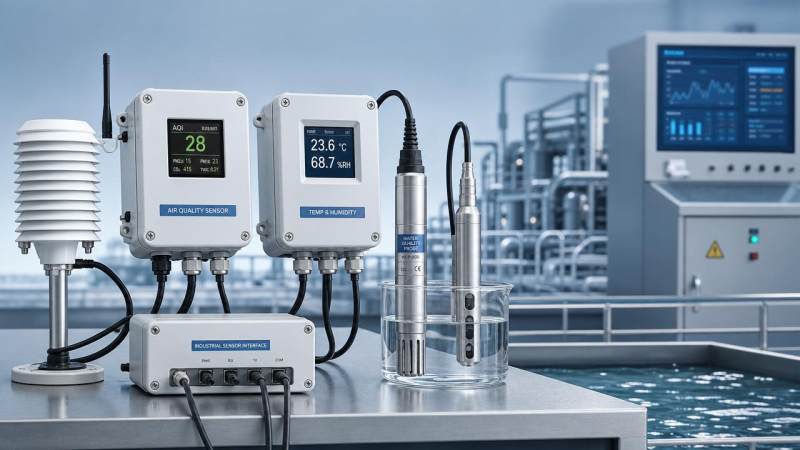
The first pricing factor to compare is the monitoring objective. An environmental sensor designed for general trend observation is priced differently from one intended for regulatory reporting or critical industrial control. If the application requires legally defensible measurements, tighter tolerances, traceable calibration, and documented maintenance, higher pricing is often justified by lower risk.
Second, compare the cost of failure, not only the cost of purchase. In many industrial and environmental settings, a failed or inaccurate sensor can trigger false alarms, missed threshold events, wasted labor, product loss, environmental incidents, or audit problems. For finance teams, this means the right benchmark is total financial exposure over the sensor’s useful life.
Third, compare the full ownership model. Some suppliers offer a competitive hardware price but shift costs into accessories, software licenses, calibration tools, cloud subscriptions, or mandatory service plans. Others may price higher upfront but include a more complete deployment package. A procurement review should test which quote is truly complete.
Finally, compare suitability to the real operating environment. A lower-cost sensor may appear acceptable on paper but underperform in heat, humidity, dust, vibration, corrosive atmospheres, or outdoor exposure. If the application environment is harsh, durability can be one of the strongest predictors of long-term value.
Accuracy, stability, and measurement range directly affect pricing
Sensor pricing often rises with higher accuracy, better repeatability, lower drift, and wider measurement range. These factors matter because they influence how trustworthy the data remains over time. For a finance approver, the important point is that better measurement performance is not a luxury when decisions, compliance records, or automated controls depend on the data.
Accuracy should be evaluated in relation to business need. Paying for laboratory-grade performance in a basic facility trend-monitoring application may be unnecessary. However, underbuying accuracy in emissions control, ambient air quality reporting, cleanroom monitoring, or water treatment can create far greater downstream cost. Matching specification to use case prevents both overspending and underperformance.
Stability is especially important because it affects recalibration frequency and long-term reliability. A sensor with higher drift may seem affordable initially, but it can require more frequent field checks, service visits, or data correction. Over a multi-year period, these costs can exceed the original price difference between products.
Measurement range also changes price because broader capability usually requires more robust design. A wider range can be valuable when operating conditions vary seasonally or across multiple sites. It may reduce the need to stock different models, but if the application is narrow and stable, paying for excess range may not add real value.
Durability and environmental protection often determine lifecycle cost
Many buyers underestimate how strongly enclosure quality, material selection, and ingress protection affect environmental sensor pricing. Devices intended for outdoor use, industrial washdown areas, marine exposure, chemical environments, or dusty plants need stronger housing, better seals, and more resistant components. These features increase purchase price, but they also protect uptime.
For financial decision-makers, durability should be assessed as a cost-avoidance factor. A sensor that survives longer in the field reduces replacement purchases, technician dispatches, process interruptions, and inventory carrying costs. In decentralized operations with many monitoring points, even small improvements in field life can create meaningful savings.
Temperature tolerance and resistance to moisture, UV exposure, vibration, and corrosion are not minor technical details. They influence warranty claims, service frequency, and usable lifespan. If your organization operates in challenging industrial or environmental conditions, a cheaper device that fails early can quickly erase any initial savings.
It is also smart to ask suppliers for evidence of field performance in similar applications. Case references, expected service life, failure-rate data, and warranty terms provide a better financial basis for comparison than marketing claims alone. Durable products usually justify themselves best when viewed over three to five years rather than in a single purchasing cycle.
Calibration and maintenance requirements can add hidden recurring expenses
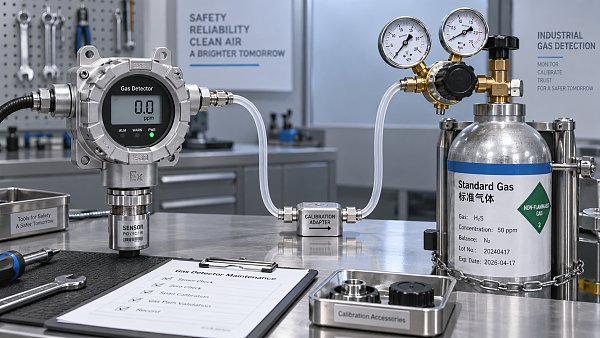
Calibration is one of the most important cost drivers after purchase. Environmental sensors that require frequent calibration, specialized gases, certified reference materials, or trained technicians can create significant recurring expense. When finance teams compare bids, they should estimate annual calibration cost per unit and multiply it across the installed base.
Maintenance burden matters just as much. Some sensors are designed for low-touch operation, while others need cleaning, replacement membranes, filter changes, probe conditioning, or routine inspection. The difference may not be obvious in the quote, but it will appear later in labor hours, spare parts, travel cost, and monitoring downtime.
A useful procurement question is whether maintenance can be performed by in-house personnel or requires vendor service. If service is outsourced, response times, callout fees, and regional support coverage should be reviewed. A low-price sensor with weak service infrastructure may lead to delayed restoration and operational risk.
Look for products with clear calibration intervals, accessible service parts, and predictable maintenance schedules. Predictability supports better budgeting. Finance approvers generally prefer stable, forecastable operating cost over equipment that appears inexpensive but creates irregular and hard-to-control service spending.
Integration with existing systems can make one quote look cheaper than it really is
Another major pricing factor is integration. An environmental sensor rarely delivers value in isolation. It must connect to building management systems, SCADA platforms, industrial controllers, data loggers, cloud dashboards, or compliance reporting tools. If integration is difficult, the total project cost rises through engineering time, gateways, software customization, and testing.
Communication protocols such as Modbus, BACnet, 4–20 mA, RS485, Ethernet, LoRaWAN, NB-IoT, or other wireless standards can significantly affect price and deployment complexity. A sensor that aligns with current infrastructure may cost more per unit but save substantial integration and commissioning expense.
Finance teams should ask whether licenses, API access, dashboards, mobile apps, and historical data storage are included or charged separately. In modern monitoring systems, software-related charges can become a major part of total ownership. This is especially true when vendors use subscription models that appear small monthly but accumulate over years.
Cybersecurity and IT compliance may also influence cost. If the device connects to enterprise networks, extra spending on secure configuration, authentication, firmware management, and vendor review may be necessary. These costs should be treated as part of the purchasing decision, not as unrelated IT overhead.
Compliance, certification, and documentation can justify higher pricing
In many sectors, a sensor’s price is partly driven by the certifications and documentation required for approved use. Environmental monitoring tied to workplace safety, emissions, laboratory practice, energy operations, or public infrastructure may require specific standards, material declarations, testing records, or traceable calibration certificates.
For finance approvers, this is a straightforward risk issue. If a lower-cost sensor lacks the documentation needed for internal policy, customer expectations, or regulator scrutiny, the apparent savings may disappear in delays, failed audits, or replacement purchases. Buying a compliant product upfront is often the less expensive path.
Documentation quality also affects internal efficiency. Clear manuals, installation guides, maintenance instructions, calibration records, and technical support materials reduce training time and help standardize operation across teams or sites. Good documentation should be seen as a practical economic benefit, not just administrative support.
When comparing offers, verify whether compliance-related costs are included. Some suppliers bundle certificates and test records, while others charge for them separately. If the sensor supports a regulated monitoring process, those details should be reviewed before approval rather than discovered after installation.
Supplier support, warranty terms, and product availability influence total value
The supplier behind the environmental sensor matters almost as much as the device itself. Pricing can differ because of support quality, spare-part availability, replacement lead times, application engineering assistance, and warranty coverage. For finance teams, these are not secondary features; they affect operational continuity and risk management.
A longer warranty can indicate product confidence, but it should be read carefully. Review what is covered, what voids coverage, and whether labor or shipping is included. Also ask how quickly replacements are issued and whether advance replacement options exist for critical applications.
Supply continuity has become a strategic pricing factor. If a product is difficult to source, has uncertain lead times, or is nearing end-of-life, the organization may face future replacement cost and standardization problems. Stable product roadmaps and dependable regional inventory can be worth paying for.
Vendor support is especially valuable when installations scale across multiple sites. Standardized purchasing, unified technical support, consistent documentation, and simplified spare inventory can lower administrative burden. Those savings rarely appear in the hardware quote, but they are real and often significant.
How to compare environmental sensor quotes using a finance-friendly framework
A practical way to evaluate pricing is to score each option across total cost, operational fit, and risk. Start with six categories: purchase price, installation and integration cost, annual maintenance and calibration cost, expected service life, compliance readiness, and cost of failure. This creates a more accurate basis for approval than unit price alone.
Next, assign weighted importance based on the application. For example, in a critical emissions or water monitoring project, compliance and data reliability may deserve the highest weight. In a non-critical building efficiency application, integration simplicity and maintenance cost may matter more. The point is to make the trade-offs explicit.
Then calculate a three- to five-year ownership estimate. Include hardware, accessories, commissioning, software subscriptions, replacement parts, labor, recalibration, downtime risk, and probable replacement timing. This helps finance leaders compare true budget impact across competing solutions.
It is also useful to ask each supplier the same structured questions: What is included in the quoted price? What maintenance is required each year? What training is needed? What systems does the sensor integrate with? What certifications are available? What is the expected field life in this environment? Standardized questions make quotes easier to compare objectively.
Common purchasing mistakes that increase cost after approval
One common mistake is approving a sensor based only on initial purchase price without validating lifecycle assumptions. This often leads to underbudgeted maintenance, unexpected accessories, or poor fit with the operating environment. Finance teams can prevent this by requiring a total cost view before approval.
Another mistake is relying on generic specifications instead of application-specific requirements. A sensor may look technically suitable but still be wrong for the actual conditions, reporting obligations, or system architecture. Misalignment usually shows up later as retrofit cost or reduced reliability.
Buyers also sometimes overlook internal costs. Technician time, procurement administration, IT setup, calibration tracking, and spare inventory all have financial value. If these costs vary significantly by supplier, they should influence the decision.
Finally, organizations may underappreciate the cost of inconsistent standardization. Using too many sensor brands or models across sites can increase training needs, spare-part complexity, and support burden. In many cases, a slightly higher-priced but more standardizable option can produce better long-term economics.
Conclusion: compare value drivers first, then approve with confidence
For a financial decision-maker, the smartest way to compare environmental sensor pricing is to move beyond the surface quote and focus on the factors that truly shape total value. Accuracy, stability, durability, calibration needs, maintenance burden, integration effort, compliance readiness, supplier support, and expected service life all influence what the purchase will really cost the business.
In short, the lowest unit price is rarely the most reliable indicator of savings. The better purchasing decision is the one that delivers dependable monitoring, predictable operating cost, and lower risk over time. When finance approvers evaluate environmental sensors through that lens, they can support both budget discipline and operational performance with greater confidence.
Recommended for You
 How to verify accuracy claims for industrial quality analyzersVerify accuracy claims for industrial quality analyzers with calibration checks, independent testing, and clear acceptance criteria. Learn how to reduce risk and buy with confidence.
 How to calculate cooling loads for an industrial analyzer shelterSize industrial analyzer shelter cooling with confidence. Learn to calculate equipment heat, solar gains, and ventilation loads, then select HVAC capacity for reliable analyzer performance.
 Industrial Safety vs. Emission Monitoring: What Are the Differences?What are the main differences between industrial safety and emission monitoring? Compare goals, sensors, response times, and compliance needs to choose the right systems for your facility.
 Is Remote Monitoring Worth the Cost for Small Emission Sources?Is it worth investing in remote monitoring for small emission sources? Compare costs, compliance needs, and potential savings to choose the right solution for your operation.
 How Do You Handle Analyzer Failure During an Environmental Audit?Learn how to handle analyzer failure during environmental compliance audit procedures. Protect evidence, verify data, and restore monitoring with this practical response guide.
 Do VOC Monitors Require Explosion-Proof Certification?Does VOC monitoring require explosion-proof certification? Learn when approval is needed, compare ATEX and IECEx, and choose the right monitor for your site.
 How sample conditioning affects accuracy in petrochemical analyzersImprove accuracy in petrochemical analyzers with smarter sample conditioning. Discover how phase control, filtration, and transport design prevent bias and deliver reliable process data.
 How to troubleshoot sensor drift in industrial gas detectorsIndustrial gas detectors showing sensor drift? Learn how to verify calibration gas, identify root causes, and determine when sensor replacement is needed for reliable monitoring.
 How to judge whether a competitive price reflects real valueCompetitive Price: learn how to compare scope, compliance, performance, and lifecycle costs to identify real value, reduce risk, and make smarter purchasing decisions.
 When custom gas analysis is the right fit for complex process streamsCustom gas analysis for complex process streams: learn when tailored sampling, interference control, and reliable measurement design deliver confident decisions.
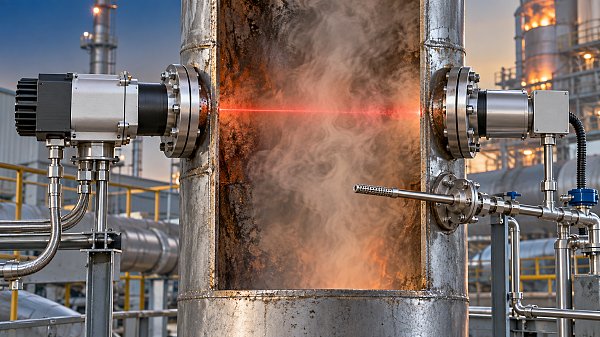
 When does a laser gas analyzer meet stack emissions monitoring needs?Laser gas analyzer for stack emissions: learn when it delivers fast, reliable data, how to assess installation risks, and what to verify for CEMS compliance.
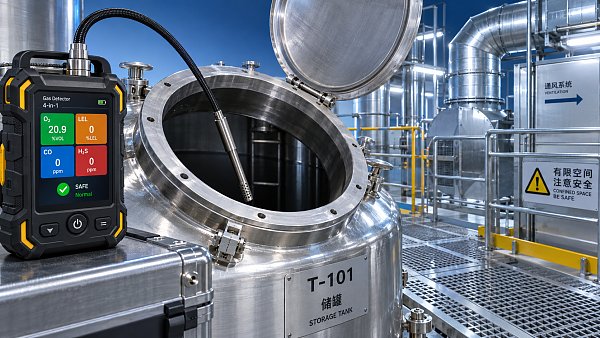
 How to select a hazardous gas analyzer for confined spacesHazardous gas analyzer selection for confined spaces: compare sensors, sampling, certifications, alarms, and maintenance to protect workers and choose with confidence.
 When is a single gas analyzer sufficient for workplace safety monitoring?Discover when a single gas analyzer delivers reliable workplace safety monitoring, and learn the key limits, calibration needs, and risks that require broader detection.
 How to choose an ambient gas analyzer for low-level leak detectionAmbient gas analyzer selection for low-level leak detection: compare sensitivity, cross-sensitivity, sampling design, alarms, and calibration for reliable site performance.
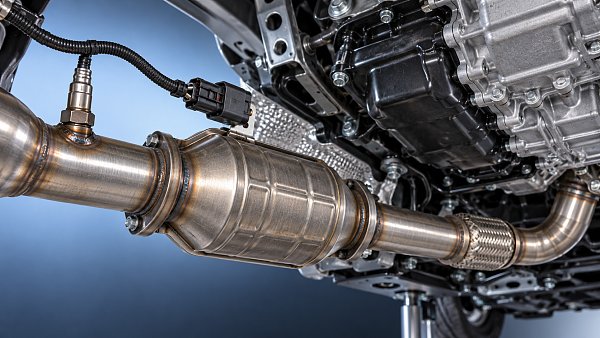
 How to tell when an oxygen sensor needs replacementOxygen sensor replacement signs explained: learn how live data, fault codes, wiring checks, and exhaust inspections pinpoint the real issue before you buy.
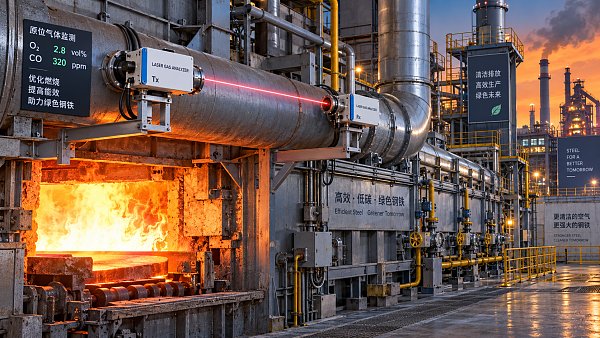
 How laser gas analyzers improve combustion control in steel furnacesLaser gas analyzer for steel industry applications delivers fast in-situ O₂ and CO data to optimize furnace combustion, cut fuel waste, and improve steel heating stability.
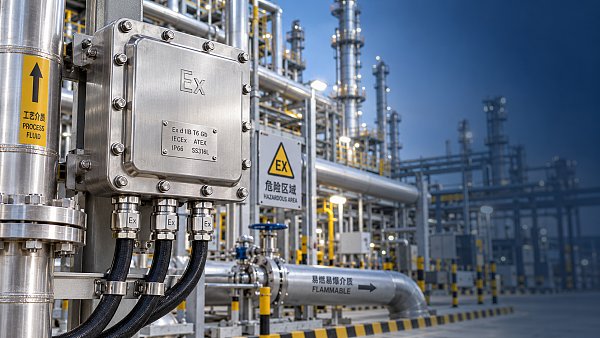
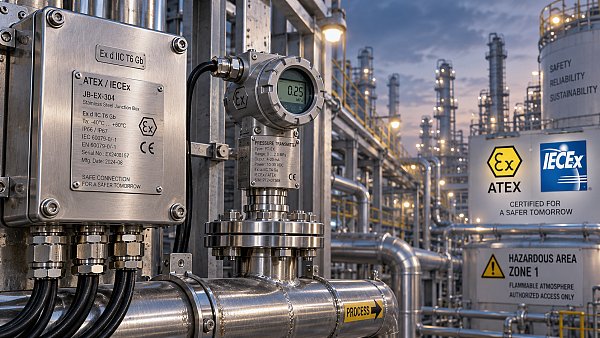
 How to verify whether explosion proof equipment meets site requirementsExplosion proof equipment verification made practical: match zones, gas or dust groups, temperature classes, certificates, and installation conditions for confident compliance.
 How industrial gas analysis helps detect contamination before releaseIndustrial Gas Analysis helps detect moisture, oil, oxygen, and toxic contaminants before release—protecting processes, ensuring compliance, and reducing costly risks.
 When is electrochemistry detection the right choice for water analysis?Electrochemistry detection for water analysis: learn when fast, reliable monitoring of ions, chlorine, pH, and more delivers actionable results.
 How industrial standards reduce quality risks in supplier selectionIndustrial Standard guidance helps quality and safety managers reduce supplier risks, verify compliance, strengthen traceability, and build resilient instrumentation supply chains.
 When does a multi-component system reduce installation complexity?Multi component systems reduce installation complexity when they eliminate field interfaces, streamline commissioning, and provide proven compatibility. Learn how to assess total cost and supplier accountability.
 How to size an industrial control shelter for outdoor equipmentIndustrial control shelter sizing guide: optimize layout, HVAC, access, safety, and expansion space for reliable outdoor equipment operations.
 How flue analysis helps verify combustion efficiencyFlue analysis verifies combustion efficiency by assessing O2, CO, CO2, and stack temperature to identify excess air, incomplete combustion, and heat losses.
 How to select industrial gas detectors for confined spacesIndustrial gas detectors for confined spaces: learn how to match sensors, sampling methods, alarms, and certifications to real atmospheric hazards.
 When does a laser oxygen analyzer outperform zirconia sensors?Laser oxygen analyzer vs. zirconia sensors: compare speed, selectivity, maintenance, gas chemistry, and installation needs to choose the right oxygen measurement solution.
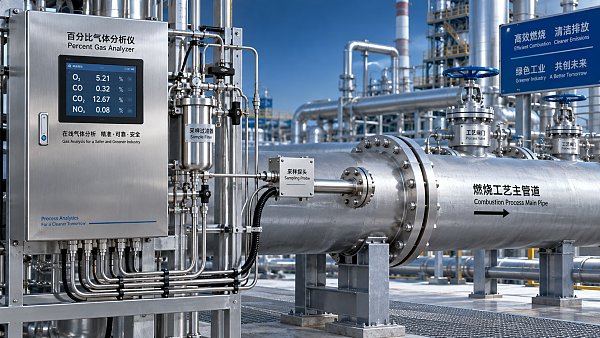
 How to select a percent range analyzer for process measurementsPercent range analyzer selection made practical: compare accuracy, sample systems, calibration, gas matrix, integration, and lifecycle cost for reliable process measurements.
 How explosion proof analysis verifies safe equipment for hazardous areasExplosion proof analysis verifies hazardous-area equipment by matching certifications, temperature ratings, installation details, and inspection controls for safer compliance.
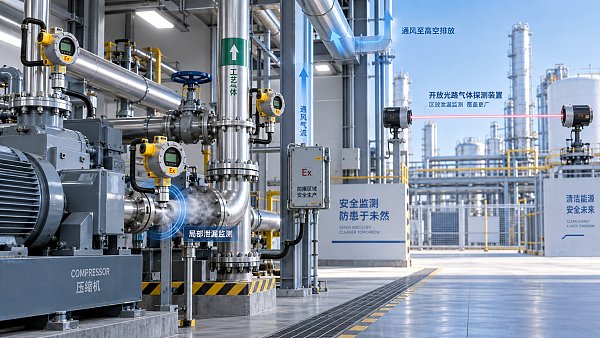
 When does fixed gas detection need point sensors instead of open-path monitoring?Fixed gas detection: discover when point sensors outperform open-path monitoring for predictable leaks, enclosed zones, local alarms, and safer design decisions.
 How to choose industrial metrology systems for tight-tolerance partsIndustrial metrology guide for tight-tolerance parts: compare CMMs, optical scanners, gauges, uncertainty, workflow, and traceable inspection strategies.
 How process metrology reduces measurement variation in productionProcess metrology reduces production measurement variation by improving traceability, uncertainty control, calibration, and reliable quality decisions.
 How to select an industrial monitoring analyzer for harsh environmentsIndustrial monitoring analyzer selection for harsh environments: evaluate sampling, durability, hazardous-area compliance, accuracy, maintenance, and data reliability.
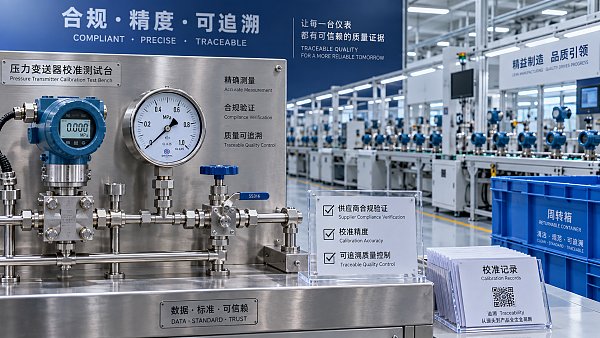
 How calibration intervals affect test and measurement equipment accuracyTest and measurement equipment calibration intervals directly affect accuracy, risk, compliance, and uptime. Learn how to set evidence-based schedules that protect critical decisions.

Search Categories
Search Categories
- Smart Meters & Power Quality
- Transformer Gas Analyzers
- BESS Thermal Runaway Detectors
- Energy, Power & Smart Grid Monitoring
- Optical Profilers & CMM
- Ultrasonic & X-Ray NDT
- Calibration Standards
- Precision Metrology & NDT
- Water Quality Analyzers
- CEMS & VOCs Monitors
- Price Trends
- Import & Export Updates
- Market Trends
- Industry News
- Industry Insights
Latest Article
- How to verify accuracy claims for industrial quality analyzersVerify accuracy claims for industrial quality analyzers with calibration checks, independent testing, and clear acceptance criteria. Learn how to reduce risk and buy with confidence.Posted by:
- How to calculate cooling loads for an industrial analyzer shelterSize industrial analyzer shelter cooling with confidence. Learn to calculate equipment heat, solar gains, and ventilation loads, then select HVAC capacity for reliable analyzer performance.Posted by:
- Industrial Safety vs. Emission Monitoring: What Are the Differences?What are the main differences between industrial safety and emission monitoring? Compare goals, sensors, response times, and compliance needs to choose the right systems for your facility.Posted by:
Please give us a message
