
Flue Detector False Alarms: Common Causes and Practical Fixes


False alarms from a flue detector rarely come from a single cause. In most service cases, the problem is a combination of sensor condition, installation details, environmental interference, and maintenance quality. For after-sales maintenance personnel, the fastest way to restore confidence in the system is not to replace parts blindly, but to diagnose false triggers in a structured order: confirm whether the alarm is real, inspect contamination and airflow conditions, verify calibration and wiring, then review control logic and site-specific interference.
This matters because repeated nuisance alarms do more than interrupt operations. They consume technician time, trigger unnecessary shutdowns or inspections, and gradually reduce how seriously operators respond to future alarms. In industrial and commercial settings, that loss of trust can become a safety risk. A reliable troubleshooting process helps reduce repeat callouts, shortens mean time to repair, and keeps monitoring systems aligned with actual flue gas conditions.
For maintenance teams, the practical question is simple: what should be checked first, what failures are most common, and which corrective actions solve the issue without creating a second problem? The sections below focus on exactly that, with field-oriented guidance rather than generic theory.
Why a flue detector gives false alarms in the first place
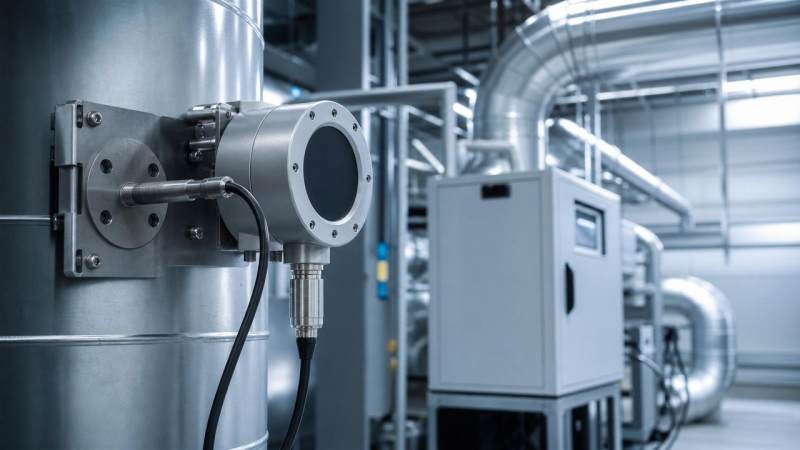
A flue detector is designed to respond when measured conditions exceed a defined threshold or when a fault condition is interpreted as unsafe. False alarms happen when the detector sees something that looks abnormal but does not represent a real hazardous event. That “something” may be a dirty sensing element, unstable power, condensate ingress, incorrect detector positioning, cross-sensitivity to another gas, software threshold issues, or signal noise entering the control loop.
In real service environments, false alarms often appear under repeatable conditions. They may occur after washdown, during startup, when ambient humidity rises, after nearby maintenance work creates dust, or when ventilation patterns change. Recognizing that pattern is often the first clue. A detector that alarms only during burner startup suggests a very different root cause than one that alarms randomly across shifts.
For after-sales technicians, it helps to divide the issue into four groups: sensor-related causes, installation-related causes, electrical and communication causes, and process or environmental causes. This classification speeds troubleshooting because it prevents random part replacement and points the inspection toward the most likely failure mode.
The most common field causes maintenance teams should check first
Sensor contamination is one of the most frequent causes of false alarms. Soot, oil mist, dust, cleaning chemicals, and condensate residue can affect sensitivity and response stability. In flue applications, contamination is especially common where combustion quality varies, maintenance intervals are stretched, or process exhaust contains corrosive components. A contaminated sensor may read high, respond slowly, or produce drifting values that cross alarm thresholds unexpectedly.
Calibration drift is another leading issue. Over time, sensing elements age, zero points shift, and span accuracy moves outside acceptable tolerance. In systems that operate continuously or in high-temperature conditions, drift can appear earlier than expected. If the detector has not been bump tested or calibrated according to actual site conditions, false alarms may be the first visible symptom. A device can still appear functional while reporting unstable or offset values.
Improper installation location causes many repeat service calls. A flue detector mounted too close to turbulence, condensate formation zones, fresh air dilution points, or access doors may see short-term fluctuations that do not represent true flue conditions. Detectors installed near vibration sources or in areas with strong thermal cycling can also become mechanically unstable over time.
Condensation and moisture ingress are often underestimated. If the flue gas cools below dew point near the sensing area, water droplets or acidic condensate can coat the sensor or enter electrical sections. This can create erratic outputs, transient faults, or permanent damage. In outdoor or semi-exposed installations, failed seals and cable glands can have the same effect.
Electrical noise and grounding problems are common in facilities with variable frequency drives, large motors, switching power supplies, or long cable runs. A detector may be healthy, but a noisy signal path can create spikes that the controller interprets as alarm conditions. Shared grounding, poor shielding, loose terminals, and degraded power supplies should always be considered, especially when the alarm appears random rather than process-linked.
Cross-sensitivity and process changes can also explain nuisance alarms. Some sensing technologies respond not only to the target substance but also to other gases or vapors present during cleaning, startup, fuel changes, or nearby operations. If the site recently changed fuel quality, burner settings, ventilation rates, or cleaning agents, the detector may be reacting exactly as designed to a new interference source rather than failing electronically.
Controller logic or threshold configuration errors should not be ignored. Alarm setpoints, delay timers, hysteresis, averaging rules, and fault-to-alarm logic may be altered during commissioning, software updates, or panel replacement. A detector that seems to false alarm may actually be feeding a control system with settings that are too sensitive for the operating environment.
A practical troubleshooting sequence that saves time on site
When arriving at a nuisance alarm case, start by confirming whether the alarm was truly false. Review event logs, trend data, operator notes, and process status at the time of the event. If the alarm coincided with burner instability, startup purge, ventilation loss, or maintenance work, there may have been a real transient condition rather than an instrument problem. This first step prevents technicians from masking a genuine process hazard.
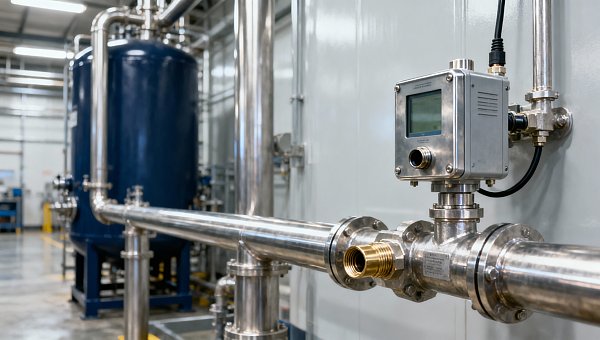
Next, perform a visual and environmental inspection. Check the detector body, sensing chamber, sampling path if used, cable entry points, mounting orientation, and nearby airflow conditions. Look for soot buildup, water marks, corrosion, loose covers, blocked filters, damaged tubing, or evidence of recent cleaning chemicals. A strong visual check often reveals whether the issue is contamination, condensation, or installation stress.
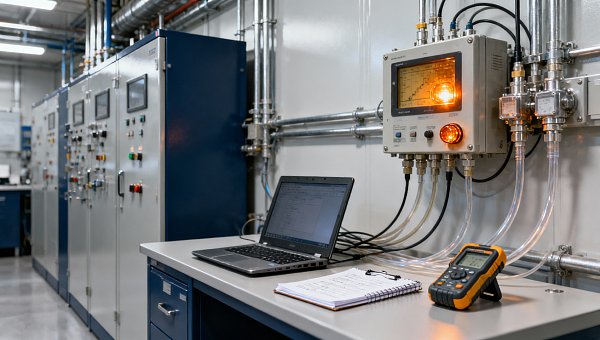
Then verify the electrical basics. Measure supply voltage under load, inspect grounding continuity, check shield termination, and confirm signal integrity from detector to control panel or PLC. Intermittent wiring faults are particularly common in high-vibration areas or older retrofits. If the output signal is unstable at the panel but stable at the detector, the issue is likely in the transmission path rather than the sensor itself.
After that, assess detector performance directly. Compare live readings with a known reference where possible. Conduct a bump test or functional test according to the manufacturer’s method. If zero is unstable, the response is delayed, or the span result falls outside tolerance, calibration or sensor replacement may be required. If the detector passes local testing but the system still alarms, focus on control logic and site interference rather than the sensing element.
Finally, review the system configuration. Confirm setpoints, delays, alarm latching behavior, compensation settings, and software revisions. Maintenance teams sometimes find that a detector was replaced correctly, but the new unit was not matched to the previous configuration. A mismatch in output scaling or alarm interpretation can create persistent false alarms even when the instrument itself is operating properly.
Practical fixes for each major false alarm scenario
If contamination is the likely cause, clean the sensor housing, filters, and sampling components using approved methods only. Avoid aggressive solvents unless they are specifically allowed by the manufacturer. Replace fouled filters instead of trying to restore them beyond their intended service life. If contamination recurs quickly, the real fix may be upstream: improve combustion quality, change the mounting point, add shielding, or shorten maintenance intervals.
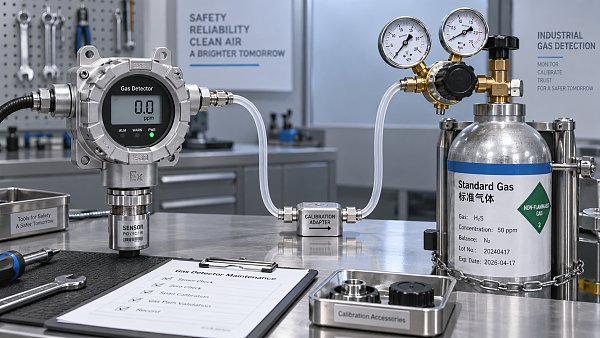
If calibration drift is identified, recalibrate with traceable gas, tools, or reference standards suitable for the detector type. Document zero and span results before and after adjustment. If the sensor cannot hold calibration or drifts rapidly after correction, replace the sensing element. For recurring drift in harsh conditions, consider whether the installed technology is appropriate for temperature, humidity, corrosive exposure, and duty cycle.
If installation position is the issue, relocate the flue detector to a point that better represents stable flue conditions. Avoid high-turbulence bends, direct condensate paths, access openings, and zones where dilution air enters. Confirm correct mounting orientation and sampling probe insertion depth if applicable. In many cases, moving the detector a short distance can eliminate false alarms more effectively than repeated calibration.
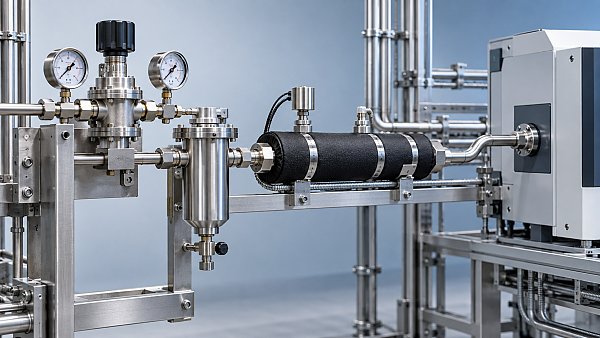
If moisture is involved, inspect seals, drains, heated lines, insulation, and enclosure ratings. Replace damaged cable glands and restore ingress protection. Where condensation is process-related, use heated sampling, water traps, or mounting strategies that keep the sensor above dew point exposure. Moisture problems usually return unless the thermal and environmental causes are addressed, so component replacement alone is rarely enough.
If electrical interference is suspected, separate signal wiring from power cables, improve shielding practice, correct grounding errors, tighten terminals, and test the power supply for ripple or transient instability. In some installations, adding signal isolation or filtering is necessary. A stable detector cannot provide reliable alarms through an unstable electrical path, so this area deserves serious attention during repeat nuisance cases.
If cross-sensitivity is causing alarms, identify what changed in the process or maintenance routine. Review fuel composition, cleaning products, nearby emissions, and startup behaviors. If interference is unavoidable, you may need to revise alarm delays, add signal validation logic, use a more selective sensing technology, or relocate the detector away from non-representative exposure zones. The goal is not to make alarms less sensitive blindly, but to make them more relevant to real risk.
If configuration errors are found, restore validated settings and record them clearly for future service work. Verify output scaling, fault behavior, and all thresholds with the site’s safety philosophy. Any change to alarm delays or hysteresis should be justified and tested, because over-correcting nuisance alarms can create dangerous under-response to real events.
How to tell whether the issue is the sensor, the environment, or the control system
A useful field rule is this: if the reading is unstable at the detector itself, suspect the sensor or local environment first. If the reading is stable locally but unstable at the control system, suspect wiring, power, grounding, or signal processing. If both are stable but alarms still occur, investigate thresholds, delays, scaling, and logic interpretation.
Trend data is especially valuable here. A gradual rise before the alarm often points to real process change or contamination drift. Sharp spikes may suggest electrical noise, poor shielding, or intermittent connection faults. Alarm events linked to cleaning cycles or weather shifts often indicate environmental influence. Repeating the same alarm during startup but not steady operation usually directs attention toward transient combustion behavior or threshold timing.
Another practical distinction is repeatability. Sensor faults often produce persistent offset, failed tests, or obvious inability to calibrate. Environmental causes tend to correlate with operating conditions. Control system issues often appear after software changes, panel modifications, or detector replacement. Asking “what changed before this started?” remains one of the most productive troubleshooting questions.
Preventive maintenance steps that reduce repeat false alarms
The best way to reduce nuisance callouts is to move from reactive repair to condition-based prevention. Build a maintenance routine that includes visual inspection, cleaning, filter checks, functional testing, calibration verification, wiring inspection, and review of alarm history. Sites with harsh flue conditions may need shorter service intervals than the default manufacturer recommendation.
Maintenance records should capture not just that service was performed, but what was found. Repeated soot contamination, recurring moisture ingress, frequent zero adjustment, or ongoing electrical instability all indicate systemic problems. Good records help after-sales teams recommend targeted improvements instead of repeating the same short-term fix during every visit.
It is also wise to train operators to record alarm context. If they note whether the burner was starting, ventilation changed, doors were open, or nearby cleaning was underway, technicians can diagnose much faster. Many false alarm cases become difficult only because event context was lost by the time service personnel arrived.
Spare parts strategy matters too. Keeping approved filters, seals, sensing elements, and calibration materials available reduces downtime and prevents improvised repairs. In critical applications, a detector that repeatedly drifts or fouls may justify technology upgrade rather than continued maintenance. The long-term cost of repeat site visits can exceed the cost of a better-matched instrument solution.
When a false alarm points to a bigger system problem
Not every nuisance alarm is just a nuisance. Sometimes false alarms are the visible symptom of broader issues such as unstable combustion, poor flue design, inadequate environmental protection, control panel quality problems, or unsuitable detector selection. If the same unit keeps alarming after cleaning, recalibration, and wiring correction, the maintenance team should step back and review application fit rather than treating each event as isolated.
For example, a detector installed in a high-condensation zone will continue to suffer unless the sampling strategy changes. A unit exposed to gases outside its selectivity range will continue to misread unless the sensing principle is reconsidered. A properly working detector placed in a poor system design cannot deliver reliable results. Recognizing that distinction is where experienced after-sales support adds real value.
In instrumentation-heavy environments, detector reliability depends on the full chain: sensing element, enclosure, installation practice, signal transmission, controller logic, and process compatibility. Troubleshooting should therefore be broad enough to include the entire measurement loop, not just the head of the sensor.
Conclusion: the fastest fix is a structured diagnosis, not guesswork
When a flue detector produces false alarms, the most likely causes are contamination, calibration drift, poor installation location, moisture exposure, electrical interference, cross-sensitivity, or configuration problems. For after-sales maintenance personnel, the most effective response is a disciplined sequence: verify the alarm context, inspect the environment and hardware, test the sensor, check the signal path, and confirm system logic.
This approach reduces unnecessary replacements and helps restore stable monitoring performance faster. More importantly, it preserves trust in the alarm system. A detector that alarms too often without cause becomes easy to ignore, while a detector maintained with proper diagnosis becomes a dependable safety and process tool.
If false alarms keep returning, treat that as a sign to review application fit, maintenance frequency, and installation design. In many cases, the long-term solution is not a single adjustment, but a better match between detector, environment, and control strategy. That is the difference between clearing one alarm and improving system reliability for good.
Recommended for You
 How to verify accuracy claims for industrial quality analyzersVerify accuracy claims for industrial quality analyzers with calibration checks, independent testing, and clear acceptance criteria. Learn how to reduce risk and buy with confidence.
 How to calculate cooling loads for an industrial analyzer shelterSize industrial analyzer shelter cooling with confidence. Learn to calculate equipment heat, solar gains, and ventilation loads, then select HVAC capacity for reliable analyzer performance.
 Industrial Safety vs. Emission Monitoring: What Are the Differences?What are the main differences between industrial safety and emission monitoring? Compare goals, sensors, response times, and compliance needs to choose the right systems for your facility.
 Is Remote Monitoring Worth the Cost for Small Emission Sources?Is it worth investing in remote monitoring for small emission sources? Compare costs, compliance needs, and potential savings to choose the right solution for your operation.
 How Do You Handle Analyzer Failure During an Environmental Audit?Learn how to handle analyzer failure during environmental compliance audit procedures. Protect evidence, verify data, and restore monitoring with this practical response guide.
 Do VOC Monitors Require Explosion-Proof Certification?Does VOC monitoring require explosion-proof certification? Learn when approval is needed, compare ATEX and IECEx, and choose the right monitor for your site.
 How sample conditioning affects accuracy in petrochemical analyzersImprove accuracy in petrochemical analyzers with smarter sample conditioning. Discover how phase control, filtration, and transport design prevent bias and deliver reliable process data.
 How to troubleshoot sensor drift in industrial gas detectorsIndustrial gas detectors showing sensor drift? Learn how to verify calibration gas, identify root causes, and determine when sensor replacement is needed for reliable monitoring.
 How to judge whether a competitive price reflects real valueCompetitive Price: learn how to compare scope, compliance, performance, and lifecycle costs to identify real value, reduce risk, and make smarter purchasing decisions.
 When custom gas analysis is the right fit for complex process streamsCustom gas analysis for complex process streams: learn when tailored sampling, interference control, and reliable measurement design deliver confident decisions.
 When does a laser gas analyzer meet stack emissions monitoring needs?Laser gas analyzer for stack emissions: learn when it delivers fast, reliable data, how to assess installation risks, and what to verify for CEMS compliance.
 How to select a hazardous gas analyzer for confined spacesHazardous gas analyzer selection for confined spaces: compare sensors, sampling, certifications, alarms, and maintenance to protect workers and choose with confidence.
 When is a single gas analyzer sufficient for workplace safety monitoring?Discover when a single gas analyzer delivers reliable workplace safety monitoring, and learn the key limits, calibration needs, and risks that require broader detection.
 How to choose an ambient gas analyzer for low-level leak detectionAmbient gas analyzer selection for low-level leak detection: compare sensitivity, cross-sensitivity, sampling design, alarms, and calibration for reliable site performance.
 How to tell when an oxygen sensor needs replacementOxygen sensor replacement signs explained: learn how live data, fault codes, wiring checks, and exhaust inspections pinpoint the real issue before you buy.
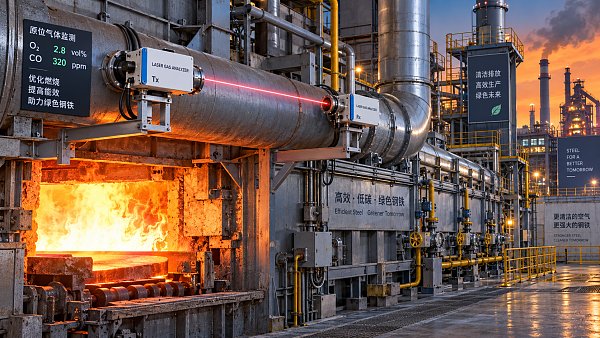
 How laser gas analyzers improve combustion control in steel furnacesLaser gas analyzer for steel industry applications delivers fast in-situ O₂ and CO data to optimize furnace combustion, cut fuel waste, and improve steel heating stability.
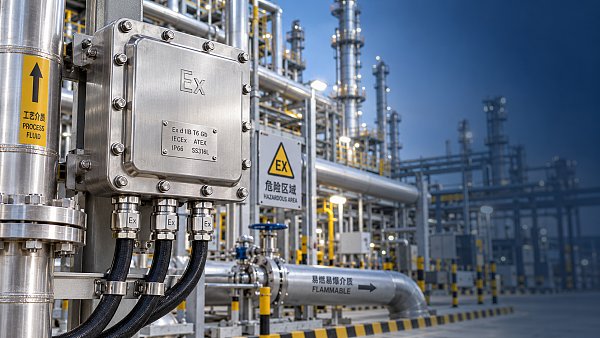
 How to verify whether explosion proof equipment meets site requirementsExplosion proof equipment verification made practical: match zones, gas or dust groups, temperature classes, certificates, and installation conditions for confident compliance.
 How industrial gas analysis helps detect contamination before releaseIndustrial Gas Analysis helps detect moisture, oil, oxygen, and toxic contaminants before release—protecting processes, ensuring compliance, and reducing costly risks.
 When is electrochemistry detection the right choice for water analysis?Electrochemistry detection for water analysis: learn when fast, reliable monitoring of ions, chlorine, pH, and more delivers actionable results.
 How industrial standards reduce quality risks in supplier selectionIndustrial Standard guidance helps quality and safety managers reduce supplier risks, verify compliance, strengthen traceability, and build resilient instrumentation supply chains.
 When does a multi-component system reduce installation complexity?Multi component systems reduce installation complexity when they eliminate field interfaces, streamline commissioning, and provide proven compatibility. Learn how to assess total cost and supplier accountability.
 How to size an industrial control shelter for outdoor equipmentIndustrial control shelter sizing guide: optimize layout, HVAC, access, safety, and expansion space for reliable outdoor equipment operations.
 How flue analysis helps verify combustion efficiencyFlue analysis verifies combustion efficiency by assessing O2, CO, CO2, and stack temperature to identify excess air, incomplete combustion, and heat losses.
 How to select industrial gas detectors for confined spacesIndustrial gas detectors for confined spaces: learn how to match sensors, sampling methods, alarms, and certifications to real atmospheric hazards.
 When does a laser oxygen analyzer outperform zirconia sensors?Laser oxygen analyzer vs. zirconia sensors: compare speed, selectivity, maintenance, gas chemistry, and installation needs to choose the right oxygen measurement solution.
 How to select a percent range analyzer for process measurementsPercent range analyzer selection made practical: compare accuracy, sample systems, calibration, gas matrix, integration, and lifecycle cost for reliable process measurements.
 How explosion proof analysis verifies safe equipment for hazardous areasExplosion proof analysis verifies hazardous-area equipment by matching certifications, temperature ratings, installation details, and inspection controls for safer compliance.
 When does fixed gas detection need point sensors instead of open-path monitoring?Fixed gas detection: discover when point sensors outperform open-path monitoring for predictable leaks, enclosed zones, local alarms, and safer design decisions.
 How to choose industrial metrology systems for tight-tolerance partsIndustrial metrology guide for tight-tolerance parts: compare CMMs, optical scanners, gauges, uncertainty, workflow, and traceable inspection strategies.
 How process metrology reduces measurement variation in productionProcess metrology reduces production measurement variation by improving traceability, uncertainty control, calibration, and reliable quality decisions.
 How to select an industrial monitoring analyzer for harsh environmentsIndustrial monitoring analyzer selection for harsh environments: evaluate sampling, durability, hazardous-area compliance, accuracy, maintenance, and data reliability.
 How calibration intervals affect test and measurement equipment accuracyTest and measurement equipment calibration intervals directly affect accuracy, risk, compliance, and uptime. Learn how to set evidence-based schedules that protect critical decisions.



Search Categories
Search Categories
- Smart Meters & Power Quality
- Transformer Gas Analyzers
- BESS Thermal Runaway Detectors
- Energy, Power & Smart Grid Monitoring
- Optical Profilers & CMM
- Ultrasonic & X-Ray NDT
- Calibration Standards
- Precision Metrology & NDT
- Water Quality Analyzers
- CEMS & VOCs Monitors
- Price Trends
- Import & Export Updates
- Market Trends
- Industry News
- Industry Insights
Latest Article
- How to verify accuracy claims for industrial quality analyzersVerify accuracy claims for industrial quality analyzers with calibration checks, independent testing, and clear acceptance criteria. Learn how to reduce risk and buy with confidence.Posted by:
- How to calculate cooling loads for an industrial analyzer shelterSize industrial analyzer shelter cooling with confidence. Learn to calculate equipment heat, solar gains, and ventilation loads, then select HVAC capacity for reliable analyzer performance.Posted by:
- Industrial Safety vs. Emission Monitoring: What Are the Differences?What are the main differences between industrial safety and emission monitoring? Compare goals, sensors, response times, and compliance needs to choose the right systems for your facility.Posted by:
Please give us a message
