
How to choose emission control systems for variable industrial loads


Start with the operating envelope, not the nameplate flow
Variable industrial loads are where many emission-control projects become difficult. A system may perform well during a stable production run yet lose efficiency, consume excessive energy, or trigger compliance concerns when the process ramps up, idles, switches feedstock, or starts and stops repeatedly. For a technical evaluator, the central question is not simply which technology can meet an emission limit under ideal conditions. It is whether the entire system can keep meeting that limit across the operating conditions the plant actually experiences.
That distinction matters in facilities as different as chemical processing plants, metal finishing lines, food and pharmaceutical production sites, power-generation assets, waste-treatment operations, and batch manufacturing plants. Flow rate can move quickly. Pollutant concentration may rise as production changes. Gas temperature, moisture, oxygen content, particulate loading, and solvent composition can all shift at the same time. A selection based only on maximum volumetric flow will often produce equipment that is oversized for normal operation but still poorly protected against short, high-concentration events.
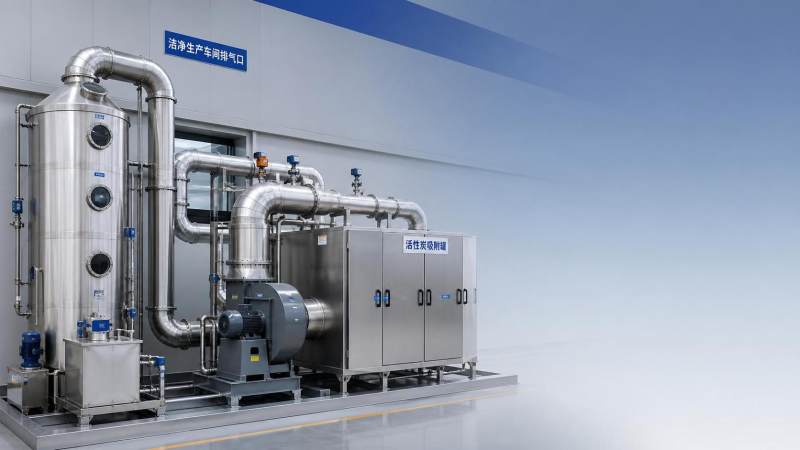
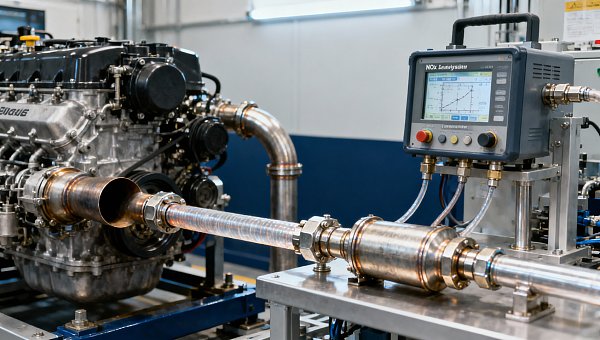
Emission Control therefore needs to be treated as a process-integration decision. The control device, ductwork, fans, dampers, analyzers, utilities, automation logic, and maintenance plan must work together. A technically capable scrubber, oxidizer, filter, adsorption unit, or hybrid train can still underperform if upstream conditions are not characterized, if the control range is too narrow, or if monitoring is unable to distinguish a real excursion from an instrument problem.
What variable load really means in an emissions project
“Variable load” is often used casually, but it can describe several very different conditions. They should not be treated as interchangeable during technology evaluation.
- Variable gas flow, caused by changing production rates, intermittent ventilation demand, multiple process branches, or batch cycles.
- Variable pollutant mass loading, where concentration changes more sharply than flow.
- Variable pollutant composition, such as changing solvent blends, sulfur-bearing compounds, acid gases, volatile organic compounds, odor compounds, or particulate characteristics.
- Variable thermal conditions, including cold starts, temperature swings, heat recovery changes, and fluctuations in gas humidity.
- Variable availability requirements, especially where the process operates continuously but emissions sources are intermittent or where shutdown windows are limited.
A plant may have a relatively stable exhaust flow but highly unstable pollutant mass flow. That is common in coating, blending, reactor venting, and batch chemical operations. Conversely, a facility may see wide airflow swings due to general ventilation while the pollutant concentration remains low. Those situations point toward different design priorities. The first may require surge handling, thermal stability, or adsorption capacity protection. The second may benefit from airflow segregation, variable-speed fan control, or reduced dilution before treatment.
The most important input is usually the pollutant mass rate over time, not a single concentration result. Evaluators should ask for a time-series view of normal, maximum, minimum, startup, cleaning, grade-change, and upset conditions. Where historical data are incomplete, a structured test campaign may be more valuable than a fast equipment quotation.
Build the selection basis around scenarios, not averages
An average operating condition can conceal the events that determine compliance risk and equipment wear. A useful design basis separates the operating profile into scenarios that can be reviewed by process engineering, environmental teams, operations, and suppliers. This is also the best way to identify where assumptions are being made rather than supported by measurements.
Do not assume that an annual operating average will be accepted as the governing basis for permits or performance guarantees. Requirements vary by jurisdiction and permit condition, and the applicable averaging period should be verified with the site’s environmental and legal teams. The relevant obligation may concern concentration, mass emissions, destruction efficiency, opacity, visible plume, odor, continuous monitoring availability, or a combination of these factors.
Match control technologies to the disturbance they can tolerate
There is no universally best emissions technology. The right choice depends on contaminant chemistry, inlet variability, target limits, utility availability, safety constraints, and the economics of recovery versus destruction. The selection should begin with what the pollutant does under changing process conditions.
Thermal and catalytic oxidation
Thermal oxidizers, regenerative thermal oxidizers, and catalytic oxidizers are commonly evaluated for VOC destruction. They can be effective where organic vapor loading is sufficient and the gas stream is compatible with the oxidation process. Variable load creates two recurring concerns: maintaining the required reaction temperature at low load and managing high heat release at elevated concentration. Auxiliary fuel demand may become material during long low-load periods. At the other end of the profile, high VOC loading can create overheating risk or require dilution, diversion, or advanced control logic.
Catalytic systems can reduce operating temperature, but they require careful contaminant screening. Catalyst performance can be affected by particulates, sulfur, halogens, silicones, heavy metals, and certain process-specific compounds. A supplier should state the assumed inlet chemistry and explain what happens if those assumptions are exceeded. A destruction-efficiency claim without a contaminant compatibility boundary is incomplete.
Adsorption and recovery systems
Activated carbon, zeolite-based systems, and related adsorption approaches can suit dilute VOC streams, particularly when solvent recovery has economic value or when thermal oxidation is not practical. Their weakness is not necessarily variable flow itself; it is unpredictable mass loading and breakthrough behavior. A short concentration spike can consume a meaningful portion of bed capacity. Humidity, high-boiling compounds, aerosols, and condensable materials may further reduce effective capacity or create maintenance issues.
For variable loads, technical evaluators should assess bed sizing, changeout or regeneration logic, breakthrough detection, fire protection, static-control measures, and the plan for spent media. “High removal efficiency” should not be accepted without clarity on the loading profile used to establish it.
Wet scrubbing, dry sorbent systems, and particulate controls
Scrubbers may be appropriate for acid gases, alkaline gases, soluble compounds, odors, and certain particulate-laden streams. Their performance depends on liquid-to-gas ratio, reagent concentration, pH or oxidation-reduction control where relevant, droplet separation, and mass-transfer conditions. Wide airflow variation can alter pressure drop and contact efficiency. Wide concentration variation can destabilize liquor chemistry unless reagent dosing and blowdown controls respond quickly enough.
Baghouses, cartridge collectors, electrostatic precipitators, cyclones, and wet particulate controls must be assessed against particle size distribution, stickiness, moisture, temperature, explosibility, and loading volatility. A collector selected for dry, free-flowing dust may be unsuitable when intermittent condensables or hygroscopic material cause blinding or bridging. Differential pressure is useful operational data, but it is not a complete indicator of emissions performance.
Hybrid trains and source segregation
In complex plants, the strongest answer may be upstream segregation rather than a single larger end-of-pipe unit. A high-concentration process vent, a low-concentration room exhaust, a corrosive acid-gas stream, and a particulate-bearing stream do not necessarily belong in one common header. Combining them can increase total gas volume, dilute recoverable material, create incompatible chemistry, and force the final system into a costly compromise.
A hybrid arrangement may use prefiltration before carbon adsorption, quench and scrubbing before oxidation, particulate removal before catalyst protection, or dedicated treatment for intermittent high-load vents. The added complexity must be justified, but so must the operational consequences of treating every source as one stream.
Evaluate controllability as carefully as nominal efficiency
Published removal efficiency is a starting point, not a selection decision. Under variable loads, the ability to sense, adjust, and document performance often determines whether a system remains reliable after commissioning.
Review the proposed control philosophy in practical terms. Which measurements drive fan speed, damper position, burner firing, reagent dosing, regeneration cycles, bypass logic, or alarms? How quickly does each loop respond? Is the measurement located where it represents the treated stream, or merely where installation is convenient? What happens when an analyzer is unavailable, contaminated, out of calibration, or reading outside its validated range?
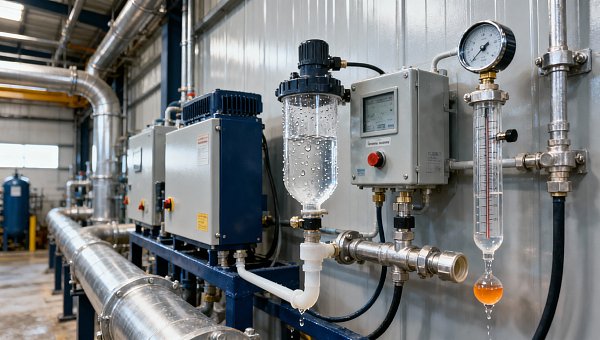
For many systems, the instrumentation package deserves separate technical scrutiny. Flow, pressure, temperature, oxygen, pH, conductivity, differential pressure, hydrocarbon concentration, and stack parameters may each play a role, depending on the process and regulatory basis. Sensor selection must account for condensation, corrosive gases, dust, vibration, hazardous-area classification, response time, calibration access, and data integration. A control system cannot compensate for an unreliable process measurement.
Continuous emissions monitoring systems may be required by permit, regulation, or corporate policy in some applications. Where continuous monitoring is not mandated, periodic testing, parametric monitoring, or a combination may still be used to demonstrate control. The applicable requirements, methods, reporting intervals, and data-quality obligations should be confirmed locally rather than inferred from another region’s rules. Standards such as ISO/IEC 17025 may be relevant to laboratory competence for testing and calibration, but their role in a specific compliance program should be verified.
Performance guarantees need operating boundaries
A vendor guarantee is meaningful only when its test conditions resemble plant reality. Evaluators should resist broad statements such as “99% removal” unless the proposal defines the inlet pollutants, concentration range, gas flow range, temperature, moisture, oxygen level, particulate condition, available utilities, and required maintenance state.
Useful clarification questions include:
- What removal or destruction performance is guaranteed at minimum, normal, and maximum flow?
- Does the guarantee apply to each named compound, total VOC, a surrogate measurement, or a calculated mass balance?
- How are startup, shutdown, regeneration, and maintenance periods treated?
- What inlet contaminants can damage media, catalyst, packing, membranes, or internals?
- What maximum excursion can the system accept without an emissions exceedance or unsafe condition?
- Which site conditions must be supplied by the owner for the guarantee to remain valid?
- What acceptance test method, sampling location, averaging time, and laboratory requirements will apply?
These questions are not contractual detail to postpone until after selection. They reveal whether the proposed technology genuinely fits the operating profile. A supplier that cannot articulate failure modes, recovery time, and exclusions may be offering a design optimized around a narrow duty point.
Look beyond capital cost and include the cost of variability
Variable operation can change lifecycle economics more than the initial equipment price. An oxidizer may be affordable to purchase but costly to keep hot through extended low-load periods. A carbon system may have modest utility demand but unpredictable media replacement costs when solvent peaks occur. A scrubber may appear robust, yet generate wastewater treatment obligations, chemical-handling requirements, corrosion exposure, and operator workload.
The economic model should include at least energy, fuel, electricity, reagents, water, compressed air, media or catalyst replacement, waste disposal, planned maintenance, unplanned downtime, spare parts, stack testing, calibration, and monitoring data management. It should also consider the value of recovered solvent or heat where recovery is technically credible. Avoid using a single annual load assumption when production planning indicates substantial seasonal, weekly, or campaign-based variation.
Availability should be assessed as an operating requirement rather than a supplier statistic. If emissions control must run whenever the production unit runs, identify the maintenance interval, restart time, spare-part lead time, and consequences of a failed fan, pump, burner, analyzer, or control valve. Redundancy may be justified for critical components, but full duplication is not always the right response. In some cases, a well-designed isolation strategy, upstream buffer capacity, or scheduled maintenance window provides better value.
A practical decision path for technical evaluators
The most defensible selection process begins before requests for quotation are issued. First, establish a measured or well-supported emissions inventory that captures variability. Second, define the compliance target and the operating scenarios that govern the design. Third, screen technologies for chemical compatibility, safety, controllability, and utility constraints. Only then should competing suppliers be asked to price a common basis.
During bid evaluation, compare more than the equipment footprint and nominal removal efficiency. Review the control narrative, emissions guarantee boundaries, monitoring architecture, commissioning plan, assumptions register, maintenance access, consumables, and excluded services. Insist on a clear division between what the process owner must provide and what the system supplier has designed for.
For global procurement teams, this also means checking documentation quality early: material compatibility records, hazardous-area certifications where applicable, fabrication standards, instrument calibration provisions, electrical drawings, software access, spare-parts strategy, and local service capability. Certificates should be relevant to the installed configuration and destination requirements, not simply presented as generic evidence of capability.
The right Emission Control system is rarely the one with the highest stated efficiency or the lowest quoted capital cost. It is the one whose performance boundaries, instrumentation, maintenance demands, and operating economics remain credible when the plant stops behaving like its average-day design case.
Recommended for You
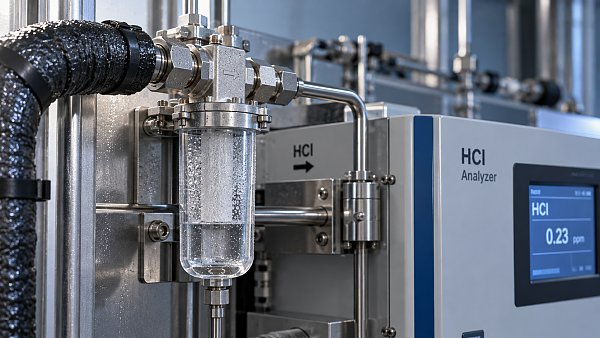
 How condensation affects HCl concentration analyzer accuracyHCl concentration analyzer accuracy can suffer when condensation traps HCl. Learn how to spot sampling losses, prevent low readings, and improve measurement reliability.
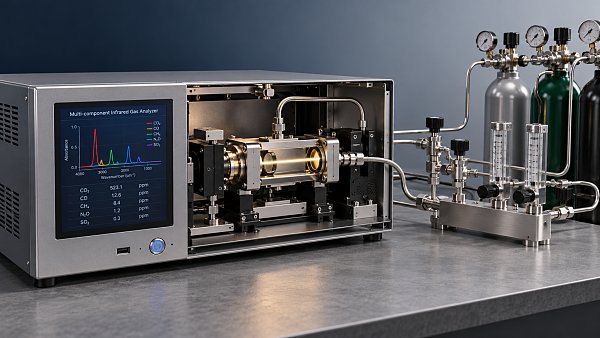
 How does cross-interference affect multi-component gas analyzers?How does cross-interference affect multi component gas analyzers? Explore measurement errors, compensation limits, and validation tips to choose the right system for your process.
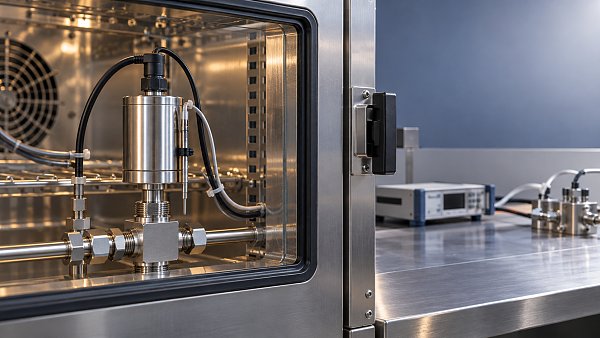
 How does temperature affect high-accuracy sensor performance?Explore how temperature affects high accuracy sensor performance. Learn to reduce thermal drift, evaluate compensation, and select the right sensor for reliable measurements.
 Can a C4H8O concentration analyzer distinguish between isomers?Can a C4H8O concentration analyzer distinguish isomers? Compare GC, FTIR and MS methods, uncover selectivity limits, and learn what to validate before choosing your instrument.
 How to identify a reliable supplier using on-time delivery recordsIdentify a Reliable Supplier by verifying on-time delivery records, original commitments, and complete shipments. Learn practical checks to reduce purchasing risk and protect your project schedule.
 How sensitive should a portable hydrogen analyzer be for lab use?Choose a portable hydrogen analyzer for laboratory use with the right quantification limit, accuracy, and range. Learn how to verify performance and avoid costly buying mistakes.
 How to set industrial calibration intervals based on equipment riskSet industrial calibration intervals based on equipment risk, drift, and as-found data. Learn when to shorten or extend schedules to improve reliability and avoid unnecessary costs.
 How to choose electrochemical analyzers for low-current measurementsCompare electrochemical analyzers for precise low-current measurements. Learn how noise, leakage, bandwidth, and real-cell testing help you choose the right instrument.
 What tolerance does a custom gas mixture need for calibration?Choose the right custom gas tolerance for calibration. Learn how blending tolerance, certified uncertainty, and stability affect accuracy—and avoid paying for precision you don’t need.
 How condensation affects stack detector readings in wet flue gasStack detector readings can drift when wet flue gas condenses. Learn how to identify moisture interference, prevent sample losses, and improve emissions monitoring reliability.
 How to prevent condensation in a CO2 analyzer sampling systemPrevent condensation in your CO2 analyzer sampling system. Learn how to control dew point, eliminate cold spots, and manage moisture for reliable readings and fewer costly disruptions.
 How to verify accuracy claims for industrial quality analyzersVerify accuracy claims for industrial quality analyzers with calibration checks, independent testing, and clear acceptance criteria. Learn how to reduce risk and buy with confidence.
 How to calculate cooling loads for an industrial analyzer shelterSize industrial analyzer shelter cooling with confidence. Learn to calculate equipment heat, solar gains, and ventilation loads, then select HVAC capacity for reliable analyzer performance.
 Hydrogen Analyzers for Energy Storage: Purity Monitoring vs. Leak DetectionChoosing a hydrogen analyzer for energy storage systems? Compare purity monitoring and leak detection to select the right sensors, improve safety, and protect fuel cell performance.
 NH3 Monitoring in Fertilizer Plants: Where Should Leak Analyzers Be Installed?NH3 analyzer for fertilizer production: discover where to place leak detectors around storage, compressors, and loading areas to reduce blind spots and improve early warning.
 Diesel Engine NOx Analyzers: Response Time and NO2 Conversion ExplainedChoosing a NOX analyzer for diesel engines? Learn how response time, NO2 conversion, and sampling design affect accuracy—and make a smarter, evidence-based purchase.
 SO2 Analyzers for Smelter Emissions: Sampling Hot, Dust-Laden Flue GasSelect an SO2 analyzer for smelting industry applications. Discover how to handle hot, dust-laden flue gas, prevent sample losses, and achieve reliable emissions monitoring.
 Unstable CH4 Readings in Biogas Monitoring? Check Moisture and Sample FlowCH4 analyzer for biogas monitoring giving unstable readings? Discover how moisture, sample flow, and pressure checks help pinpoint faults and restore reliable methane measurements.
 Buying a CO2 Analyzer for Brewery Gas Recovery: Costs Beyond the Purchase PriceBuying a CO2 analyzer for brewery applications? Compare sampling, installation, calibration, and downtime costs to uncover hidden expenses and make a smarter gas recovery investment.
 Where to Place CO Analyzers for Effective Parking Garage VentilationOptimize your CO analyzer for parking garage ventilation with practical placement tips. Learn how sensor height, airflow, and zone coverage support timely detection and effective fan control.
 NDIR vs. FTIR Gas Analyzers: Which Fits Your Environmental Research?Find the right infrared gas analyzer for environmental research. Compare NDIR vs. FTIR on sensitivity, gas coverage, sampling needs, and cost to choose confidently for your study.
 Oxygen Analyzers for Diving: Calibration Checks Before Nitrox BlendingUsing an oxygen analyzer for diving applications? Discover essential calibration, sensor, and sampling checks before nitrox blending to support reliable readings.
 How Paramagnetic Oxygen Analyzers Work and Why Sample Pressure MattersLearn how a paramagnetic oxygen analyzer works, why sample pressure affects accuracy, and what to check in compensation and calibration before choosing your system.
 How Much Does a Complete CEMS Integration Project Typically Cost?How much does a complete CEMS integration project typically cost? Explore budget ranges, hidden installation costs, and compliance needs to compare quotes and plan confidently.
 What Is the Typical Response Time for Industrial Air Monitors?What is the typical response time for industrial air monitors? Explore T90, sampling delays, and alarm settings to compare performance and choose the right monitor with confidence.
 Do Regulatory Monitoring Systems Need Third-Party Certification?Do regulatory monitoring systems need third-party certification? Learn when it is required, what certificates prove, and how to verify compliance before buying.
 How Do You Choose Wired or Wireless for Stack Monitoring?Learn how to choose between wired and wireless for stack monitoring. Compare reliability, lifecycle costs, and data recovery to find the right CEMS setup for your site.
 What Happens When Combustible Gas Sensor Calibration Is Overdue?What happens if combustible gas sensor is not recalibrated on time? Discover the risks of inaccurate readings and missed alarms, plus steps to restore reliable protection.
 Can One Multi-Gas Detector Replace Four Separate Analyzers?Find out: can a single multi-gas detector replace four separate analyzers? Compare accuracy, safety, compliance, and lifetime costs to make a confident buying decision.
 Industrial Safety vs. Emission Monitoring: What Are the Differences?What are the main differences between industrial safety and emission monitoring? Compare goals, sensors, response times, and compliance needs to choose the right systems for your facility.
 Is Remote Monitoring Worth the Cost for Small Emission Sources?Is it worth investing in remote monitoring for small emission sources? Compare costs, compliance needs, and potential savings to choose the right solution for your operation.
 How Do You Handle Analyzer Failure During an Environmental Audit?Learn how to handle analyzer failure during environmental compliance audit procedures. Protect evidence, verify data, and restore monitoring with this practical response guide.

Search Categories
Search Categories
- Smart Meters & Power Quality
- Transformer Gas Analyzers
- BESS Thermal Runaway Detectors
- Energy, Power & Smart Grid Monitoring
- Optical Profilers & CMM
- Ultrasonic & X-Ray NDT
- Calibration Standards
- Precision Metrology & NDT
- Water Quality Analyzers
- CEMS & VOCs Monitors
- Price Trends
- Import & Export Updates
- Market Trends
- Industry News
- Industry Insights
Latest Article
- How condensation affects HCl concentration analyzer accuracyHCl concentration analyzer accuracy can suffer when condensation traps HCl. Learn how to spot sampling losses, prevent low readings, and improve measurement reliability.Posted by:
- How does cross-interference affect multi-component gas analyzers?How does cross-interference affect multi component gas analyzers? Explore measurement errors, compensation limits, and validation tips to choose the right system for your process.Posted by:
- How does temperature affect high-accuracy sensor performance?Explore how temperature affects high accuracy sensor performance. Learn to reduce thermal drift, evaluate compensation, and select the right sensor for reliable measurements.Posted by:
Please give us a message
