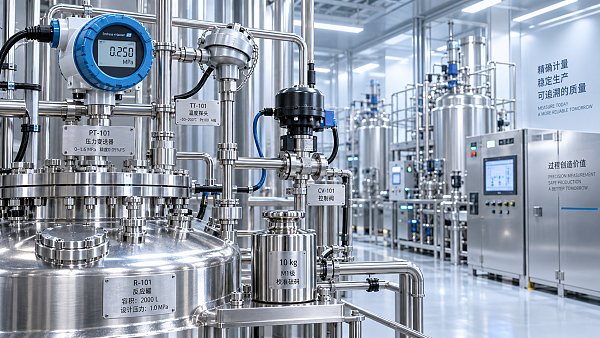
Continuous analysis improves industrial process control when composition changes quickly enough, or carries enough consequence, that waiting for a grab sample creates avoidable uncertainty. A pressure transmitter can show that a vessel is stable while a reaction has already shifted toward an unwanted intermediate. A flowmeter can confirm throughput while moisture, sulfur, dissolved oxygen, conductivity, or solvent ratio moves outside the intended operating window. In these situations, an online analyzer can turn composition from a delayed laboratory result into an active control variable.
The improvement is not automatic. A continuous analyzer only strengthens control when its measurement is representative, available when needed, reliable under real process conditions, and connected to a response that makes operational sense. Poor sampling, excessive transport delay, unstable calibration, or an alarm with no defined response can produce a convincing display without improving the process. The practical question is whether faster composition knowledge changes a control action early enough to protect quality, safety, yield, energy use, or discharge performance.
Where real-time composition changes the control outcome
The strongest applications have a short interval between a compositional deviation and an undesirable consequence. In a blending system, the ratio of incoming materials may change because of density variation, pump slip, line holdup, or an upstream grade change. A near-real-time measurement of the blend can allow ratio control to correct before a full tank becomes off-specification. By contrast, a laboratory result received after the tank is complete may identify the problem accurately but leave only rework, dilution, or disposal as options.
Reaction control is another common fit. Temperature, pressure, agitation, and feed rate are indirect indicators of reaction progress. They may be sufficient for a well-characterized and forgiving reaction, but they cannot always distinguish between conversion, selectivity loss, catalyst degradation, contamination, or the accumulation of an unstable by-product. Continuous analysis becomes useful when an analyte or spectral feature provides a direct indication of reaction state. The resulting signal may be used for feed trimming, endpoint determination, quench timing, or a supervisory alarm rather than direct closed-loop control.
Separation processes often benefit because their conditions can drift gradually before product quality fails. Distillation overhead composition, residual water in a solvent stream, oxygen in an inerted system, or hydrocarbon dew point may reveal a deteriorating separation before downstream storage receives unsuitable material. In these duties, the analyzer response time must be evaluated alongside process residence time. A measurement arriving after the material has passed the available correction point is useful for diagnosis, but it cannot act as a timely control signal.
Continuous emissions and wastewater monitoring present a different value case. The measurement may support process adjustment, such as reagent dosing, combustion tuning, aeration control, or diversion of abnormal effluent. It may also establish a time-resolved record of discharge conditions. The distinction matters: a system designed for control needs a signal that is stable and sufficiently prompt, while a system intended for reporting may place greater emphasis on data integrity, maintenance records, validation, and defined handling of unavailable data.
In power, metals, pulp, food processing, pharmaceuticals, and water treatment, the same logic applies. Continuous analysis earns its place when composition is a leading indicator. If the measurement only confirms a condition after the process can no longer be corrected, its main role may be release testing, troubleshooting, or long-term optimization.
The sample system often determines whether the analyzer is useful
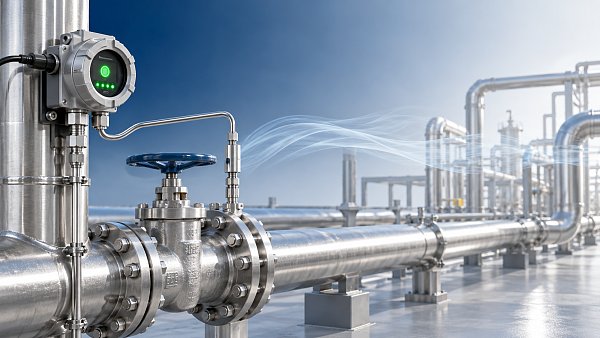
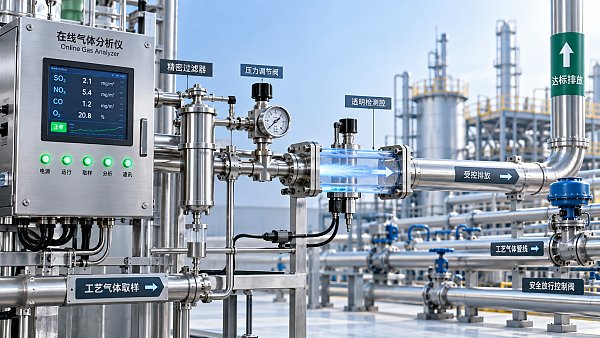
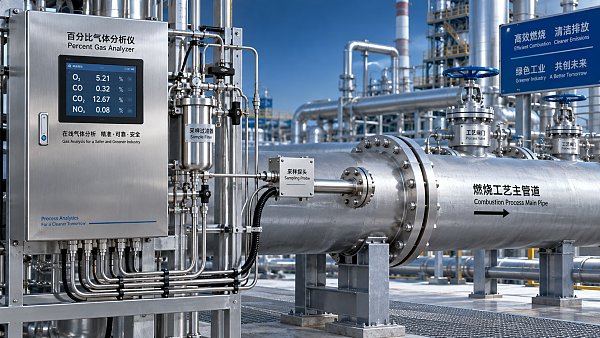
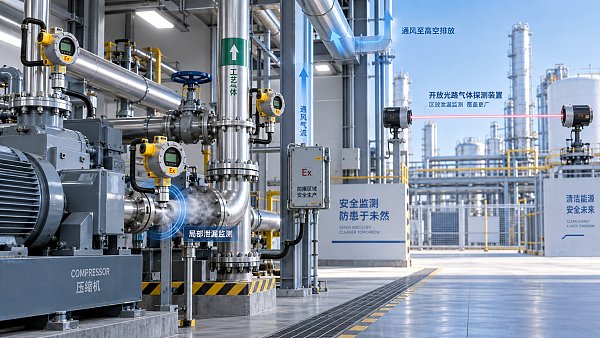
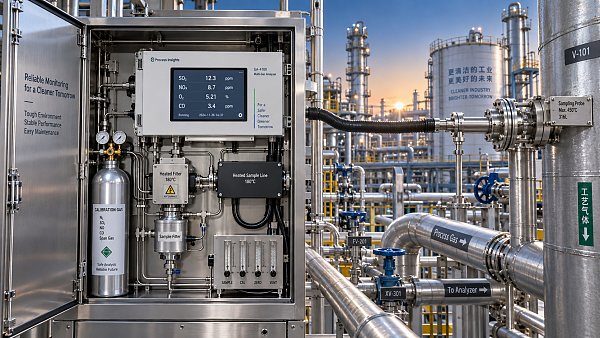
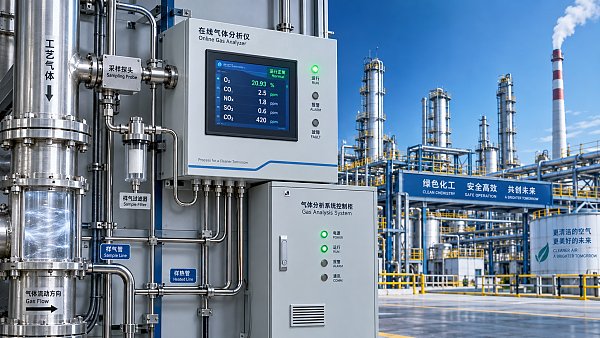
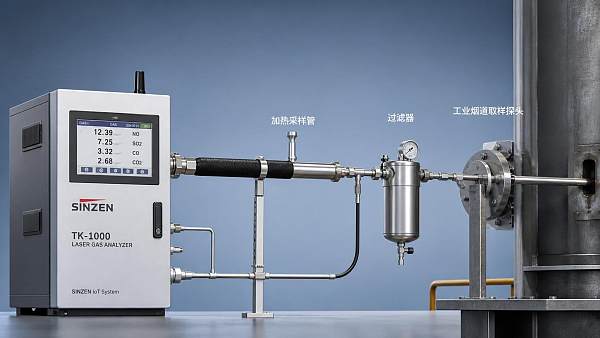
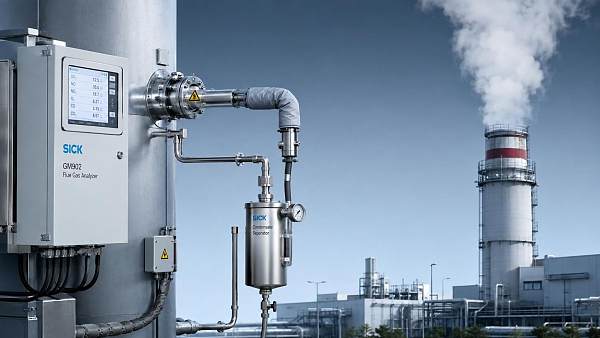
An analyzer does not measure the process directly unless the sensing element is installed in the process stream. Many composition measurements rely on a side-stream sample system, and that system can introduce the largest error in the entire measurement chain. The sample must reach the analyzer without changing phase, losing a component, gaining contaminants, reacting with tubing, or carrying solids that block filters and valves.
For gases containing condensable components, sample-line temperature may need to remain above the relevant dew point. Heating without considering pressure reduction can still alter composition if condensation occurs in a pressure regulator or probe. For liquid samples, flashing at a restriction can invalidate dissolved-gas, vapor-pressure, or light-end hydrocarbon measurements. High-viscosity streams may create transport delays that are longer than the apparent analyzer cycle time. A fast optical instrument attached to a slow, fouling sample loop is not a fast measurement.
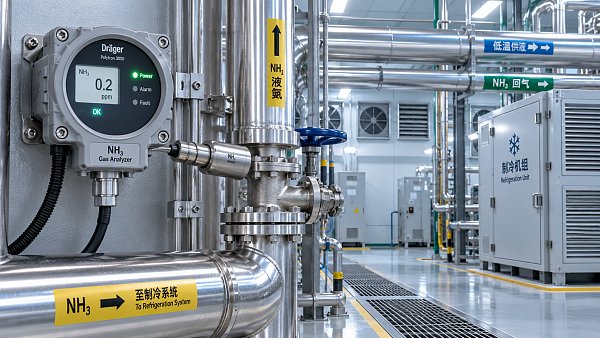
Material selection needs to account for both compatibility and adsorption. Stainless steel may be suitable for many hydrocarbons but may not be appropriate for streams containing aggressive chlorides, strong acids, or compounds that adsorb onto metal surfaces. Polymers can resist corrosion in some applications, yet certain solvents may swell them or extract contaminants. Trace-level moisture, sulfur compounds, ammonia, and reactive monomers are particularly sensitive to wetted-surface choices. Dead legs should be minimized because they retain old sample and stretch the time between a process change and a meaningful result.
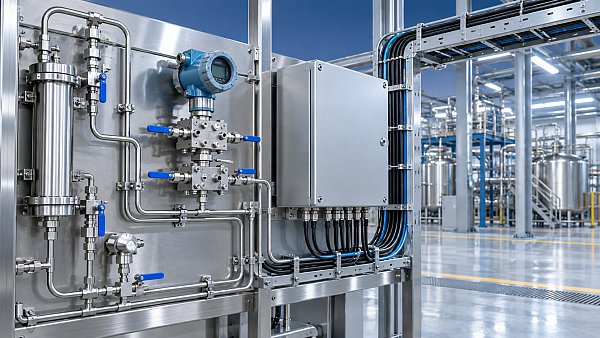
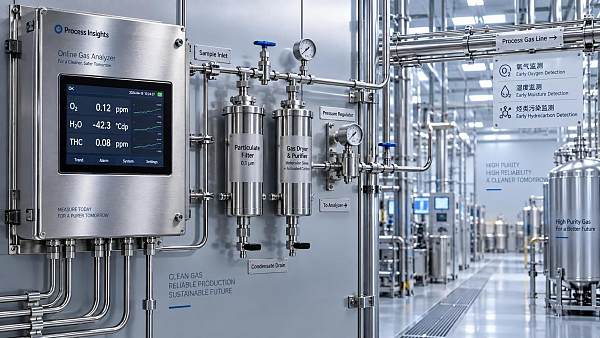
Sample conditioning should have a stated purpose. Filtration protects equipment but can remove the very particles or droplets relevant to the measurement. Cooling may protect electronics but can alter solubility. Dilution can bring a measurement into range but introduces a second flow-dependent uncertainty. Each component, including probe, isolation valve, heat tracing, regulator, filter, pump, fast loop, drain, and return line, should be considered part of the analytical method rather than incidental piping.
Match analyzer physics to the stream, not to a preferred instrument type
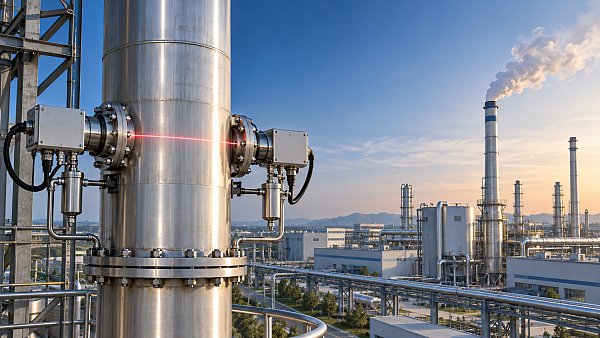
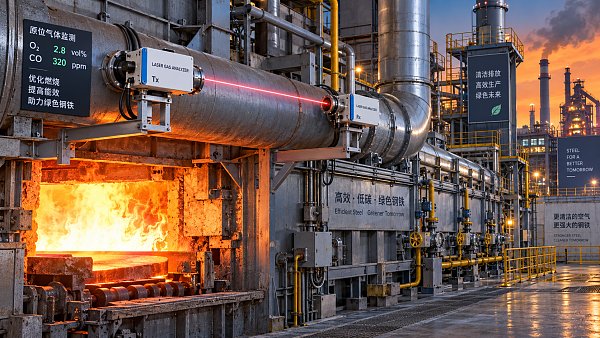
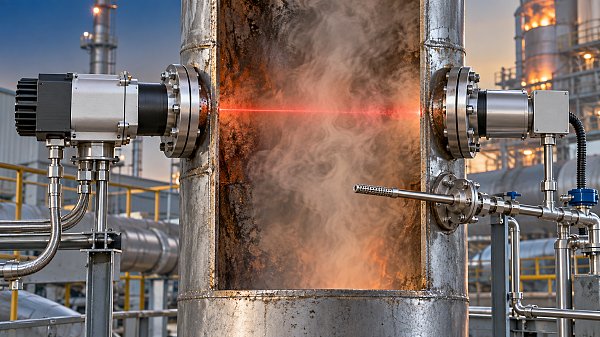
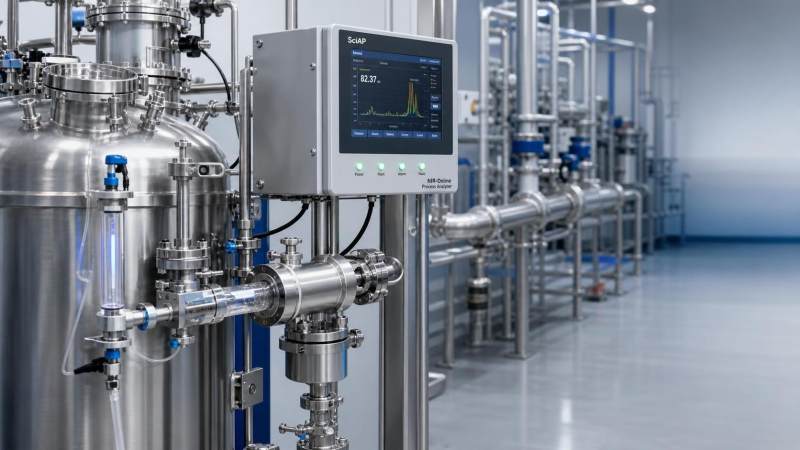
Continuous analysis covers several measurement approaches, and the correct choice depends on the analyte, concentration range, matrix, required response, interference profile, and maintenance environment. An electrochemical sensor may provide a practical oxygen measurement in an appropriate gas stream, but sensor consumption, poisoning, humidity effects, and calibration drift must be understood. Tunable diode laser absorption can measure selected gas components rapidly and may avoid extractive sampling in suitable installations, yet optical path contamination, pressure effects, and cross-interference still require assessment.
Process chromatographs can separate and quantify multiple components where a single physical property is insufficient. Their cycle time, carrier or utility requirements, valve wear, column stability, and sample preparation need to fit the duty. Spectroscopic techniques can support rapid, non-destructive analysis of liquids and solids, but calibration models are only valid within the process variation represented during development. A model built on clean startup material may respond poorly when raw-material composition, particle size, color, temperature, or baseline chemistry changes.
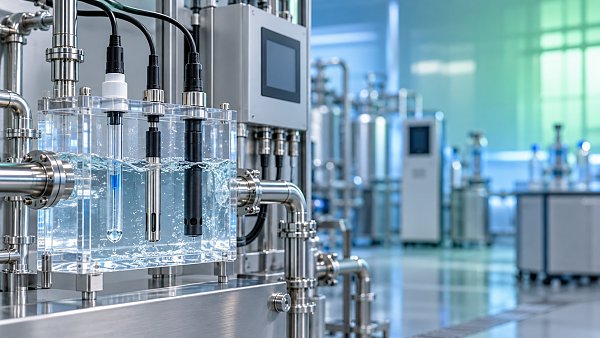
pH, conductivity, turbidity, and dissolved oxygen instruments are sometimes treated as simple devices because they are familiar. Their outputs can nevertheless be distorted by coating, bubbles, low conductivity, temperature mismatch, reference-junction blockage, or inappropriate installation location. A continuous measurement should not be accepted merely because the signal is plausible. Its response to known process changes, laboratory comparison method, and likely failure modes need to be established before it becomes a quality-critical input.
Response time is a chain, not a number on a data sheet
Analyzer response is commonly described by the time required for the sensing element to reach a stated fraction of a step change. That value is only one part of the control loop. The useful response time includes sample extraction, line transport, conditioning, measurement cycle, signal filtering, control-system scan, final-element movement, and process response. A chromatographic result may be highly accurate but arrive too infrequently for a rapidly changing reactor. Conversely, a rapid sensor may be ideal for detecting a developing upset even if a slower laboratory method remains the reference for final product release.
Process dynamics should determine whether the analyzer drives closed-loop control, advisory control, or alarms. Direct feedback is appropriate only when the signal is dependable across the full operating range and the manipulated variable has a predictable effect. For complex processes with significant delay or interacting constraints, the analyzer may feed a supervisory controller that adjusts targets for lower-level flow, temperature, or pressure loops. In other duties, a rate-of-change alarm may be more valuable than a fixed concentration alarm because it identifies a developing loss of control before a final limit is crossed.
Filtering deserves restraint. A noisy measurement can encourage aggressive smoothing, but excessive filtering replaces measurement noise with delay. The better remedy may be improved grounding, optical cleaning, flow stabilization, a more representative sample point, or a review of calibration quality. Filters should be documented with their time constants so that the control configuration reflects the actual delay rather than an assumed instantaneous value.
Integration needs an explicit operating response
Connecting an analyzer to a PLC, DCS, historian, or supervisory application is not the same as integrating it into process control. The signal needs engineering units, range limits, quality status, timestamp behavior, maintenance state, and alarm treatment that match the control philosophy. A value transmitted during calibration, purge, warm-up, or sample-system fault should not be interpreted as valid process composition.
Signal validation commonly requires more than a high or low limit. Useful conditions can include analyzer fault, loss of sample flow, abnormal sample pressure, out-of-calibration status, reference-material failure, implausibly fast change, and disagreement with a redundant measurement where one exists. These states should lead to defined outcomes: hold the last validated value for a controlled period, transfer a loop to a conservative fallback, inhibit a quality calculation, or request laboratory confirmation. The fallback must be selected carefully. Holding an old value can be hazardous when the process is changing quickly, while immediate substitution with a default value can cause an unnecessary control move.
Alarm design should identify the action boundary. An alarm that merely reports a known fluctuation adds noise to the control room. An alarm linked to a controllable intervention, such as reducing feed, switching a source tank, increasing purge, diverting material, or initiating a controlled shutdown sequence, has a defined purpose. Alarm delays must account for genuine process variability and analyzer delay; otherwise, routine transitions may create repeated nuisance alarms.
Calibration, verification, and laboratory correlation serve different purposes
Calibration establishes the relationship between analyzer response and a reference value. Verification checks whether the established relationship remains acceptable. Laboratory correlation compares the online result with an independent method, but the comparison is meaningful only when samples represent the same process condition and time. A grab sample taken from a different point, delayed in transport, or exposed to air can make a sound online analyzer appear inaccurate.
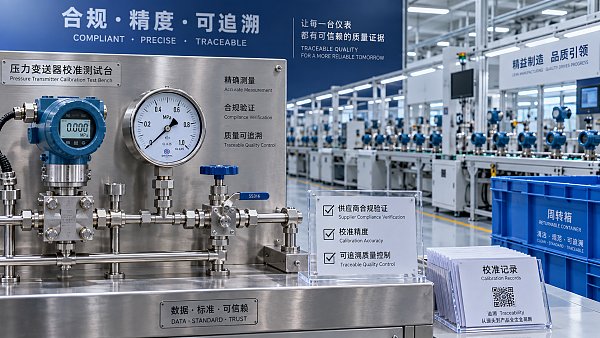
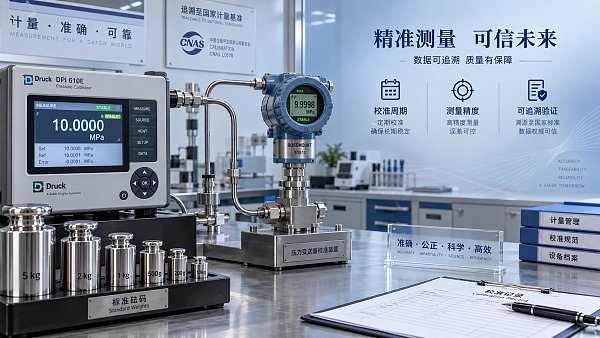
Reference materials, zero gases, span gases, standards, and validation fluids require traceable identification, suitable storage, expiration control where applicable, and protection from contamination. A calibration routine should also define what happens when the response fails. Repeated automatic calibration attempts may conceal a deteriorating sensor, exhausted reagent, leaking valve, or blocked sample line. The maintenance record should distinguish calibration adjustment from repair, replacement, cleaning, and process-related causes of deviation.
Laboratory testing remains the better primary method when measurements are infrequent, the process is slow and stable, the analyte is highly complex, or the online method cannot achieve adequate selectivity under the actual matrix. It can also remain the governing release method when the analytical procedure requires controlled preparation or separation that cannot be reproduced online. Continuous analysis and laboratory analysis are often complementary: one supplies immediacy, while the other provides deeper characterization and an independent analytical reference.
Installation and lifecycle conditions should be resolved before purchase
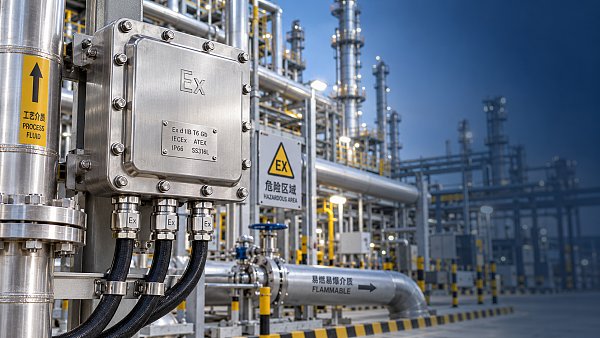
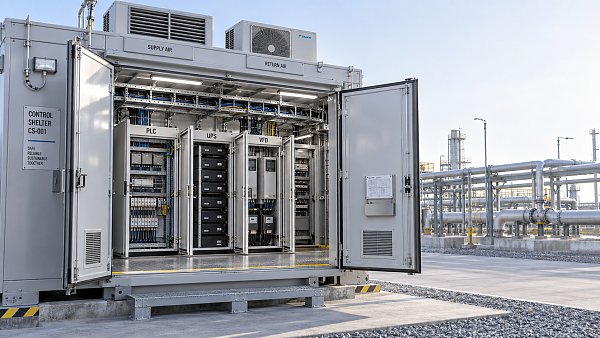
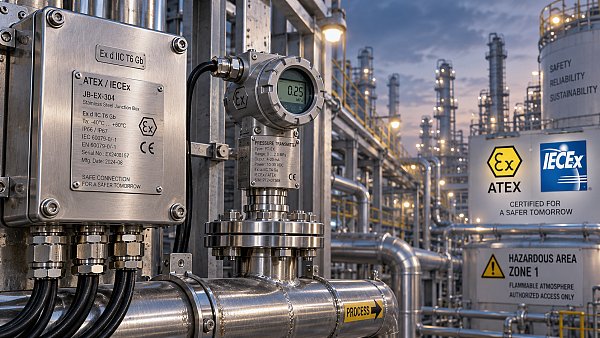
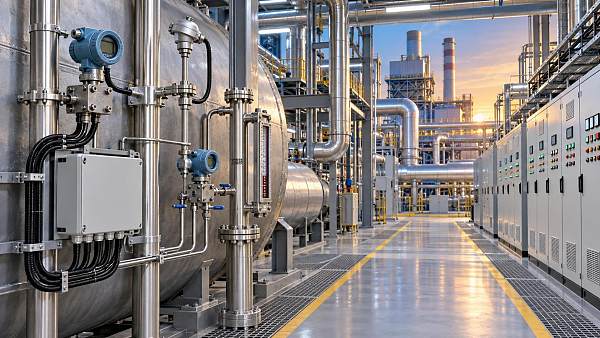
Analyzer enclosures, shelters, utilities, drainage, ventilation, hazardous-area classification, electrical isolation, network architecture, and access for service can determine project success as much as the analyzer specification. A cabinet may need clean instrument air, stable power, sample return handling, controlled ambient temperature, and clearance for opening panels or replacing consumables. In outdoor service, solar loading, freezing, dust, vibration, and washdown exposure can change both reliability and maintenance intervals.
Commissioning should begin with mechanical completion and sample-system leak checks, followed by utility verification, instrument configuration, communications testing, calibration, and comparison against a defined reference. The control logic should be tested with simulated good, bad, stale, and unavailable analyzer states before live process values are allowed to influence automatic control. This step exposes a frequent omission: the analyzer may communicate a numeric value correctly while its status bit, scaling, or fail behavior is mapped incorrectly.
Continuous analysis is justified when it closes a meaningful information gap between process change and corrective action. The most credible applications define that gap in practical terms: which constituent changes, how rapidly it matters, where it can be measured representatively, what response follows, and how measurement failure is handled. Where those answers remain vague, a laboratory method, periodic at-line test, or additional process characterization may be the more reliable starting point.