
How industrial gas analysis helps detect process contamination early


Contamination is often detectable before it is visible in product, before an interlock trips, and before a process sample reaches the laboratory. A small rise in oxygen in an inert blanketing line, a moisture drift in dry instrument air, or an unexpected hydrocarbon signal in a recycle stream can reveal a boundary failure while the process is still controllable. Industrial gas analysis turns these early composition changes into evidence that supports targeted investigation rather than broad, disruptive troubleshooting.
The most useful warning is rarely an isolated concentration value. It is a change that conflicts with the expected behavior of the process: oxygen appearing during a nitrogen purge, carbon dioxide increasing where an absorber should be removing it, water vapor rising after a dryer regeneration cycle, or a trace component appearing only when a specific compressor starts. The gas reading becomes meaningful when it is interpreted alongside flow, pressure, temperature, valve state, batch phase, and maintenance activity.
Contamination leaves different signatures in different gas systems
Process contamination is not one condition. Air ingress, liquid carryover, adsorbent breakdown, seal leakage, incomplete purging, and cross-connection can all alter gas composition, yet their signal patterns differ. Treating every abnormal reading as a generic “impurity event” delays the response and can lead to the wrong corrective action.
Oxygen ingress commonly points toward air entering a system intended to remain inert or oxygen-free. The source may be a leaking flange, a worn valve seat, a failed compressor seal, a vacuum-side leak, or an opening sequence that exposes the system to atmosphere. A rising oxygen reading accompanied by nitrogen dilution is more informative than oxygen alone. If pressure falls at the same time, a leak path is plausible. If oxygen rises only during a pressure transition, the problem may be associated with a particular valve movement rather than a permanent mechanical defect.
Moisture contamination requires more careful interpretation. A high dew point may result from exhausted desiccant, inadequate regeneration, wet piping after cleaning, condensation in a poorly heated sample line, or water entering through a utility connection. A sensor installed downstream of a pressure reduction point can also show a different moisture condition from the upstream process because temperature and pressure change the relationship between vapor content and dew point. Without recording sample pressure and temperature, a moisture trend can be misread as a dryer failure.
Hydrocarbon traces may indicate compressor lubricant carryover, inadequate separation, contamination from a shared header, or residual process vapor after a changeover. The pattern matters. A short peak following compressor startup suggests carryover or release from stagnant sections. A persistent baseline shift points more strongly to feed quality or a continuing cross-contamination route. In systems using adsorption or catalytic purification, a hydrocarbon increase can also indicate that the treatment stage is overloaded or bypassed.
Carbon monoxide, carbon dioxide, sulfur compounds, ammonia, chlorine-containing gases, and solvent vapors each need to be assessed against the intended chemistry and materials of construction. A concentration that appears modest in a bulk stream may still be enough to poison a catalyst, corrode a wet section, alter a controlled atmosphere, or invalidate a sensitive product-contact environment.
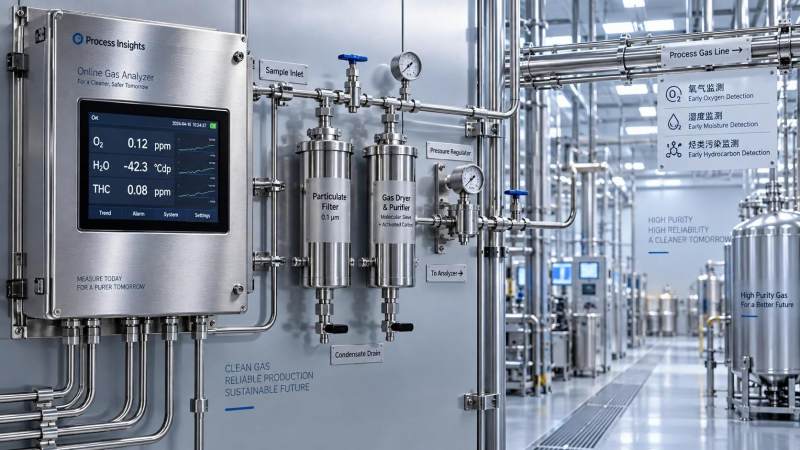
Use the analyzer as part of a fault-isolation method
An online analyzer is most effective when its location answers a specific question. A single instrument at the final delivery point confirms that gas quality has changed, but it may not identify where contamination entered. Measurements placed before and after a dryer, purifier, compressor, reactor, absorber, or blending point create a more useful diagnostic boundary.
For example, if moisture is stable upstream of a dryer and elevated downstream, attention should move to regeneration gas, bypass valves, downstream pipe condition, or the sample system before assuming the dryer bed has failed. If moisture rises on both sides, the incoming gas or an upstream connection is the more likely source. The same logic applies to oxygen, hydrocarbon, and carbon dioxide monitoring: paired measurements distinguish a treatment problem from a feed problem.
Trend resolution is as important as analyzer sensitivity. A short-duration contamination event can be missed when measurements are averaged over long intervals. Conversely, a very fast alarm based on an unstable sample may create repeated false excursions. The appropriate interval follows the process response time. A gas blend with rapid turnover benefits from near-real-time detection, while a large vessel or long distribution line requires enough history to separate a real composition shift from normal transport delay.
Alarm design should account for both absolute concentration and rate of change. An absolute threshold protects a defined purity or safety limit. A rate-of-change alert identifies a developing fault before the final concentration becomes unacceptable. The two signals serve different purposes. A gradual moisture increase after regeneration may indicate declining bed performance; a sharp step change immediately after switching a valve is more consistent with a lineup, leak, or carryover event.
Sampling errors can resemble process contamination
Gas analyzers do not measure the process directly. They measure the gas delivered through a sample path. That distinction is especially important for trace contaminants. A clean process stream can appear contaminated when the sample line absorbs, releases, condenses, leaks, or reacts with the target species.
Moisture measurement is particularly vulnerable to slow response caused by wetted surfaces. Long tubing runs, dead legs, elastomeric hoses, and unconditioned fittings can retain water and release it after the process gas has returned to specification. A sudden low reading after installing a new line is not automatically proof of dry gas either; a leak can admit ambient air while a high flow rate temporarily masks the effect. Materials, line length, internal volume, and sample flow all influence stabilization time.
Reactive gases create another set of problems. Sulfur species, hydrogen chloride, ammonia, and some solvent vapors can be lost to unsuitable tubing or filters. A reading lower than the process concentration may lead to a false sense of security. For these gases, sample-contact materials, filter media, temperature control, and residence time need to be selected around chemical compatibility rather than convenience.
Particulate filters protect sensitive instruments but may change the result if they become wet, overloaded, or chemically active. Coalescing filters can remove liquid aerosol, yet they may also reveal that the process has entrained liquid rather than generated a true vapor-phase composition change. That distinction affects the response: a separator, drain, compressor condition, or temperature profile may need attention instead of the gas purification train.
Conditions that should be recorded with every excursion
- Sample pressure, temperature, and flow, because a reading obtained during low flow or unstable pressure may reflect the sampling system rather than the main stream.
- Recent valve lineups, purge sequences, source changes, regeneration events, and compressor starts. These events often provide the timing needed to locate the contamination path.
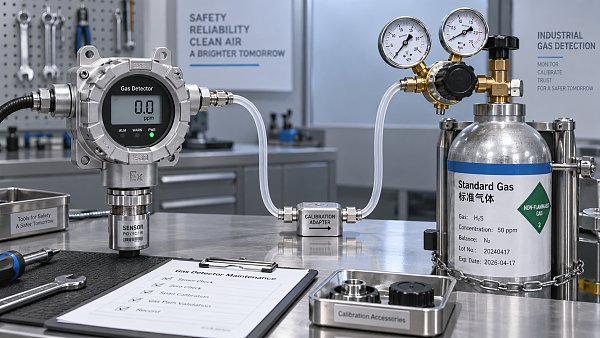
- Analyzer status, calibration condition, zero or span checks, and maintenance history. A drifting baseline and a genuine low-level impurity trend can look similar without this context.
- Nearby process indicators such as differential pressure across filters, vessel pressure, bed temperature, and liquid level. Their relationship to the gas signal often separates a leak from treatment-stage deterioration.
Interpret patterns rather than single parameters
A common mistake is to equate oxygen with air ingress in every system. Oxygen can enter with an impure supply gas, through a poorly purged branch, or after a maintenance connection has been returned to service. If nitrogen balance, pressure behavior, and event timing do not support an atmospheric leak, physical leak hunting alone may consume time without resolving the issue.
Similarly, a moisture excursion does not always mean water entered the process. A decrease in line temperature can move a stream closer to saturation and create condensation or altered sample behavior. A pressure regulator that chills the sample through expansion can change the apparent condition at the analyzer enclosure. Reviewing dew point together with temperature and pressure avoids confusing a phase-change problem with a source-quality problem.
Hydrocarbon readings can be equally deceptive. A total hydrocarbon analyzer may indicate contamination without identifying whether the source is methane, solvent residue, compressor oil vapor, or a process component that should be present only during a particular operating step. Where the distinction affects product release, catalyst protection, or ignition risk, a more selective analytical method or confirmatory laboratory sample may be needed. Broad screening instruments are valuable for early detection; they are not always sufficient for source attribution.
Link detection to a controlled response
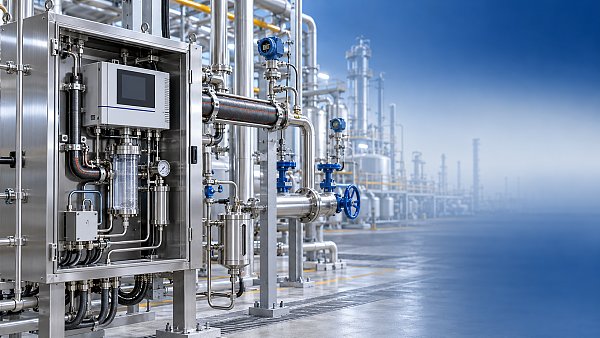
Early detection only reduces exposure when the response preserves evidence and prevents spread. When an excursion occurs, the first action is often to confirm that the analyzer is receiving a valid sample: verify flow, pressure, sample conditioning, instrument diagnostics, and a suitable reference or check gas where available. Immediate adjustment of several process variables can erase the timing clues needed to locate the source.
Once the reading is credible, compare it with the process timeline. A contamination event that begins at a precise valve change is investigated differently from one that rises gradually across several production cycles. Isolating a suspect branch, switching to a verified clean source, or routing questionable gas away from a sensitive process may be appropriate, but the isolation sequence should avoid creating another contaminant route through backflow or trapped gas.
After the condition is corrected, monitoring should continue through the relevant residence time of the system. A clean reading immediately after a purge does not prove that the full volume is clean, especially where long headers, dead legs, adsorbent vessels, or low-flow branches are present. The return to a stable baseline matters more than a brief acceptable measurement.
Industrial gas analysis is therefore most valuable when it is designed around contamination pathways rather than treated as a final purity check. Proper sample handling, process-aware trending, and measurement points on both sides of critical equipment reveal subtle deviations early enough to contain them. That preserves the ability to investigate a specific physical cause before contamination becomes a product, reliability, or safety event.
Recommended for You
 How to identify a reliable supplier using on-time delivery recordsIdentify a Reliable Supplier by verifying on-time delivery records, original commitments, and complete shipments. Learn practical checks to reduce purchasing risk and protect your project schedule.
 How sensitive should a portable hydrogen analyzer be for lab use?Choose a portable hydrogen analyzer for laboratory use with the right quantification limit, accuracy, and range. Learn how to verify performance and avoid costly buying mistakes.
 How to set industrial calibration intervals based on equipment riskSet industrial calibration intervals based on equipment risk, drift, and as-found data. Learn when to shorten or extend schedules to improve reliability and avoid unnecessary costs.
 How to choose electrochemical analyzers for low-current measurementsCompare electrochemical analyzers for precise low-current measurements. Learn how noise, leakage, bandwidth, and real-cell testing help you choose the right instrument.
 What tolerance does a custom gas mixture need for calibration?Choose the right custom gas tolerance for calibration. Learn how blending tolerance, certified uncertainty, and stability affect accuracy—and avoid paying for precision you don’t need.
 How condensation affects stack detector readings in wet flue gasStack detector readings can drift when wet flue gas condenses. Learn how to identify moisture interference, prevent sample losses, and improve emissions monitoring reliability.
 How to prevent condensation in a CO2 analyzer sampling systemPrevent condensation in your CO2 analyzer sampling system. Learn how to control dew point, eliminate cold spots, and manage moisture for reliable readings and fewer costly disruptions.
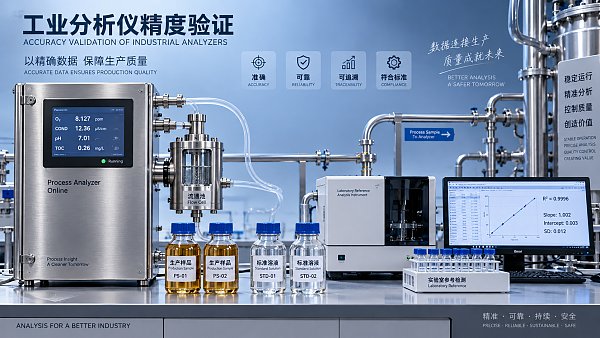
 How to verify accuracy claims for industrial quality analyzersVerify accuracy claims for industrial quality analyzers with calibration checks, independent testing, and clear acceptance criteria. Learn how to reduce risk and buy with confidence.
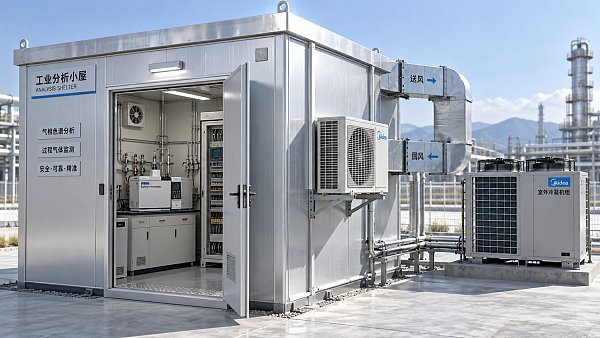
 How to calculate cooling loads for an industrial analyzer shelterSize industrial analyzer shelter cooling with confidence. Learn to calculate equipment heat, solar gains, and ventilation loads, then select HVAC capacity for reliable analyzer performance.
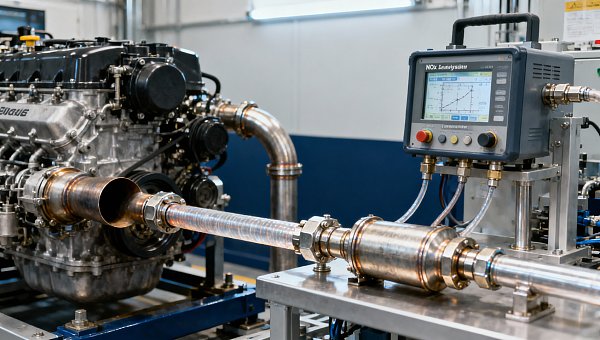
 Diesel Engine NOx Analyzers: Response Time and NO2 Conversion ExplainedChoosing a NOX analyzer for diesel engines? Learn how response time, NO2 conversion, and sampling design affect accuracy—and make a smarter, evidence-based purchase.
 SO2 Analyzers for Smelter Emissions: Sampling Hot, Dust-Laden Flue GasSelect an SO2 analyzer for smelting industry applications. Discover how to handle hot, dust-laden flue gas, prevent sample losses, and achieve reliable emissions monitoring.
 Unstable CH4 Readings in Biogas Monitoring? Check Moisture and Sample FlowCH4 analyzer for biogas monitoring giving unstable readings? Discover how moisture, sample flow, and pressure checks help pinpoint faults and restore reliable methane measurements.
 Buying a CO2 Analyzer for Brewery Gas Recovery: Costs Beyond the Purchase PriceBuying a CO2 analyzer for brewery applications? Compare sampling, installation, calibration, and downtime costs to uncover hidden expenses and make a smarter gas recovery investment.
 Where to Place CO Analyzers for Effective Parking Garage VentilationOptimize your CO analyzer for parking garage ventilation with practical placement tips. Learn how sensor height, airflow, and zone coverage support timely detection and effective fan control.
 NDIR vs. FTIR Gas Analyzers: Which Fits Your Environmental Research?Find the right infrared gas analyzer for environmental research. Compare NDIR vs. FTIR on sensitivity, gas coverage, sampling needs, and cost to choose confidently for your study.
 Oxygen Analyzers for Diving: Calibration Checks Before Nitrox BlendingUsing an oxygen analyzer for diving applications? Discover essential calibration, sensor, and sampling checks before nitrox blending to support reliable readings.
 How Paramagnetic Oxygen Analyzers Work and Why Sample Pressure MattersLearn how a paramagnetic oxygen analyzer works, why sample pressure affects accuracy, and what to check in compensation and calibration before choosing your system.
 How Much Does a Complete CEMS Integration Project Typically Cost?How much does a complete CEMS integration project typically cost? Explore budget ranges, hidden installation costs, and compliance needs to compare quotes and plan confidently.
 What Is the Typical Response Time for Industrial Air Monitors?What is the typical response time for industrial air monitors? Explore T90, sampling delays, and alarm settings to compare performance and choose the right monitor with confidence.
 Do Regulatory Monitoring Systems Need Third-Party Certification?Do regulatory monitoring systems need third-party certification? Learn when it is required, what certificates prove, and how to verify compliance before buying.
 How Do You Choose Wired or Wireless for Stack Monitoring?Learn how to choose between wired and wireless for stack monitoring. Compare reliability, lifecycle costs, and data recovery to find the right CEMS setup for your site.
 What Happens When Combustible Gas Sensor Calibration Is Overdue?What happens if combustible gas sensor is not recalibrated on time? Discover the risks of inaccurate readings and missed alarms, plus steps to restore reliable protection.
 Can One Multi-Gas Detector Replace Four Separate Analyzers?Find out: can a single multi-gas detector replace four separate analyzers? Compare accuracy, safety, compliance, and lifetime costs to make a confident buying decision.
 Industrial Safety vs. Emission Monitoring: What Are the Differences?What are the main differences between industrial safety and emission monitoring? Compare goals, sensors, response times, and compliance needs to choose the right systems for your facility.
 Is Remote Monitoring Worth the Cost for Small Emission Sources?Is it worth investing in remote monitoring for small emission sources? Compare costs, compliance needs, and potential savings to choose the right solution for your operation.
 How Do You Handle Analyzer Failure During an Environmental Audit?Learn how to handle analyzer failure during environmental compliance audit procedures. Protect evidence, verify data, and restore monitoring with this practical response guide.
 Do VOC Monitors Require Explosion-Proof Certification?Does VOC monitoring require explosion-proof certification? Learn when approval is needed, compare ATEX and IECEx, and choose the right monitor for your site.
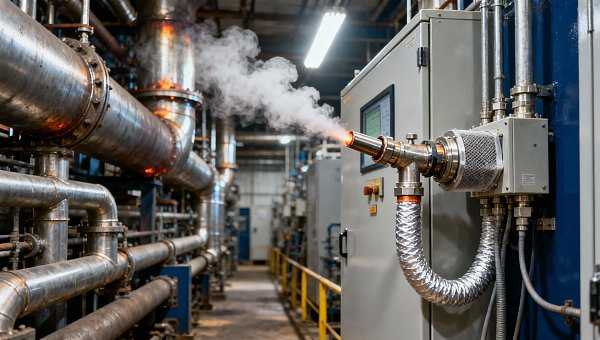
 How sample conditioning affects accuracy in petrochemical analyzersImprove accuracy in petrochemical analyzers with smarter sample conditioning. Discover how phase control, filtration, and transport design prevent bias and deliver reliable process data.
 How to troubleshoot sensor drift in industrial gas detectorsIndustrial gas detectors showing sensor drift? Learn how to verify calibration gas, identify root causes, and determine when sensor replacement is needed for reliable monitoring.
 How to judge whether a competitive price reflects real valueCompetitive Price: learn how to compare scope, compliance, performance, and lifecycle costs to identify real value, reduce risk, and make smarter purchasing decisions.
 When custom gas analysis is the right fit for complex process streamsCustom gas analysis for complex process streams: learn when tailored sampling, interference control, and reliable measurement design deliver confident decisions.
 When does a laser gas analyzer meet stack emissions monitoring needs?Laser gas analyzer for stack emissions: learn when it delivers fast, reliable data, how to assess installation risks, and what to verify for CEMS compliance.

Search Categories
Search Categories
- Smart Meters & Power Quality
- Transformer Gas Analyzers
- BESS Thermal Runaway Detectors
- Energy, Power & Smart Grid Monitoring
- Optical Profilers & CMM
- Ultrasonic & X-Ray NDT
- Calibration Standards
- Precision Metrology & NDT
- Water Quality Analyzers
- CEMS & VOCs Monitors
- Price Trends
- Import & Export Updates
- Market Trends
- Industry News
- Industry Insights
Latest Article
- How to identify a reliable supplier using on-time delivery recordsIdentify a Reliable Supplier by verifying on-time delivery records, original commitments, and complete shipments. Learn practical checks to reduce purchasing risk and protect your project schedule.Posted by:
- How sensitive should a portable hydrogen analyzer be for lab use?Choose a portable hydrogen analyzer for laboratory use with the right quantification limit, accuracy, and range. Learn how to verify performance and avoid costly buying mistakes.Posted by:
- How to set industrial calibration intervals based on equipment riskSet industrial calibration intervals based on equipment risk, drift, and as-found data. Learn when to shorten or extend schedules to improve reliability and avoid unnecessary costs.Posted by:
Please give us a message
