
Is Industrial Safety Monitoring the Same as Emission Monitoring?


No. Industrial safety monitoring and emission monitoring may use similar instruments—gas detectors, pressure transmitters, flowmeters, analyzers, data loggers, alarms, and control systems—but they answer different questions and operate under different risk assumptions.
Industrial safety monitoring is designed to prevent harm to people, equipment, and process operations. It focuses on conditions such as toxic gas exposure, oxygen deficiency, combustible gas accumulation, excessive pressure, abnormal temperature, confined-space atmosphere, machine guarding status, or loss of critical safety functions. Emission monitoring measures what a facility releases to air, water, or land and whether those releases meet environmental permit conditions, reporting obligations, or internal environmental targets.
The distinction matters because an instrument that is adequate for environmental reporting may be unsuitable for personnel protection, while a detector installed for immediate safety alarms may not provide the accuracy, traceability, sampling control, or averaging method needed for regulatory emission compliance.
They protect different things
Safety monitoring protects people and process integrity inside or immediately around an industrial operation. Its primary concern is whether a hazardous condition exists now and whether action is required before injury, fire, explosion, release, or equipment damage occurs.
Typical safety-monitoring questions include:
- Is hydrogen sulfide present in an area where workers may be exposed?
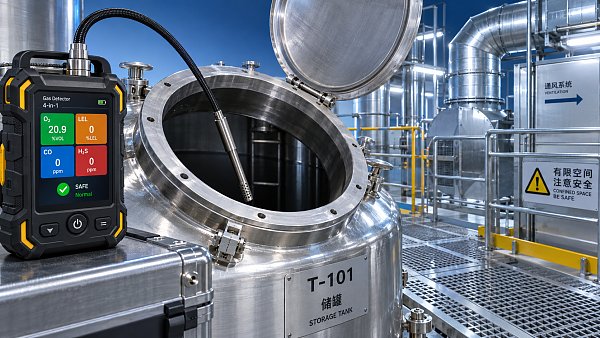
- Has oxygen fallen below a safe level inside a tank, pit, tunnel, or enclosed process area?
- Is methane, hydrogen, solvent vapor, or another flammable gas approaching a hazardous concentration?
- Has reactor pressure exceeded its operating envelope?
- Has a safety-critical cooling loop lost flow or reached an unsafe temperature?
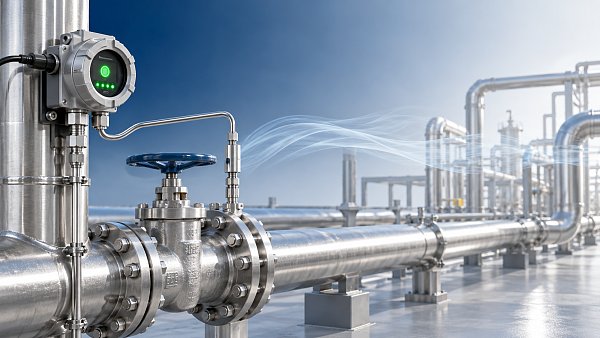
- Has a pump seal, storage tank, or pipeline developed a leak that could escalate into a process event?
Emission monitoring protects environmental quality and verifies the performance of pollution-control obligations. It is concerned with substances leaving a defined source, discharge point, stack, vent, wastewater outlet, or facility boundary. The relevant question is not simply whether a pollutant is detectable, but how much is released, over what period, under what operating conditions, and according to which approved monitoring method.
An emissions program may measure sulfur dioxide, nitrogen oxides, particulate matter, volatile organic compounds, carbon monoxide, carbon dioxide, ammonia, mercury, total organic carbon, wastewater pH, chemical oxygen demand, suspended solids, or specific contaminants required by a permit. The monitored parameter depends on the process, jurisdiction, discharge route, and permit conditions.
One measures immediate danger; the other often establishes compliance over time
Response time is one of the clearest operational differences. A fixed toxic-gas detector near a process unit may need to identify a hazardous concentration rapidly enough to initiate audible alarms, evacuation, ventilation, shutdown actions, or activation of emergency procedures. A combustible-gas detector may be part of a broader fire-and-gas system designed to reduce escalation risk.
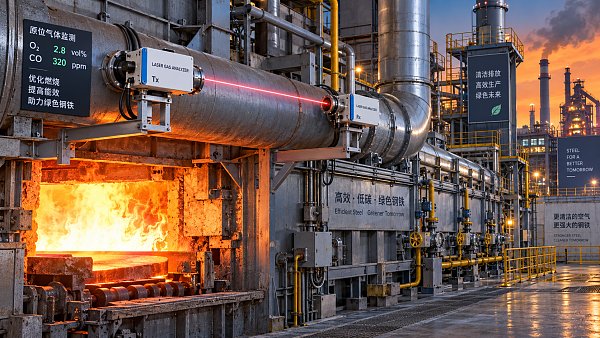
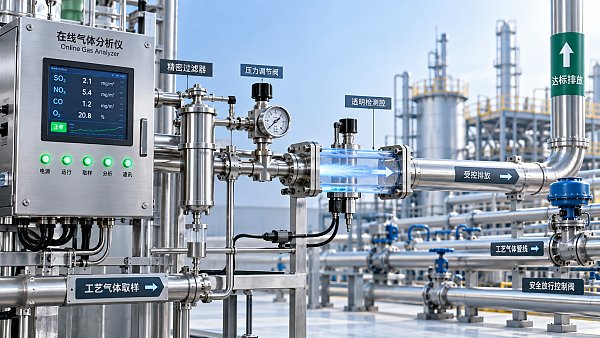
By contrast, emission monitoring often relies on continuous measurement, periodic sampling, batch records, laboratory analysis, or calculated emissions based on process data. Continuous emission monitoring systems (CEMS) can provide near-real-time data, but their compliance value usually depends on much more than a fast reading. The system may require approved sampling arrangements, calibration checks, quality-assurance procedures, data availability rules, handling of invalid data, and reporting formats prescribed by a regulator or permit.
A stack analyzer measuring nitrogen oxides can detect a control-equipment problem quickly enough to support operations. Yet its principal regulatory role may be to establish average or cumulative emissions over specified periods. A personal gas monitor, in contrast, is generally evaluated by whether it warns an individual before exposure becomes dangerous. These are not interchangeable performance objectives.
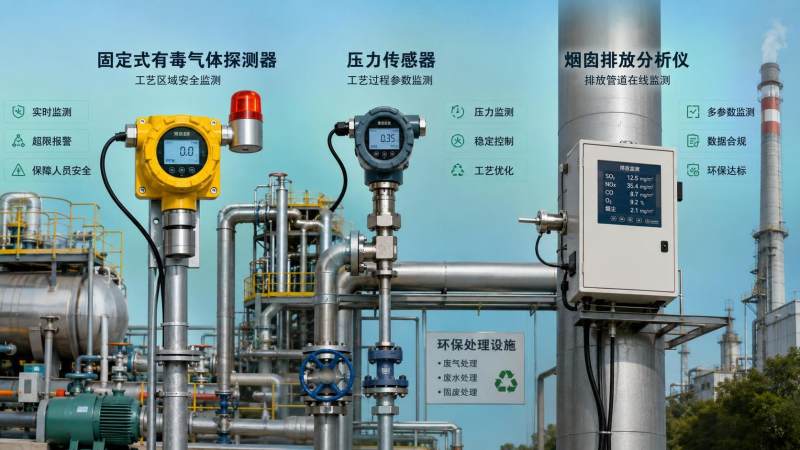
The same substance can create two separate monitoring duties
Confusion often arises because the same chemical can be both an occupational hazard and an environmental pollutant. Hydrogen sulfide is a useful example. At elevated concentrations near personnel, it is an acute toxic-gas hazard requiring rapid detection and alarm. If released through a stack, vent, flare system, or fugitive source, it may also be an environmental concern subject to operational controls, permit conditions, or reporting requirements.
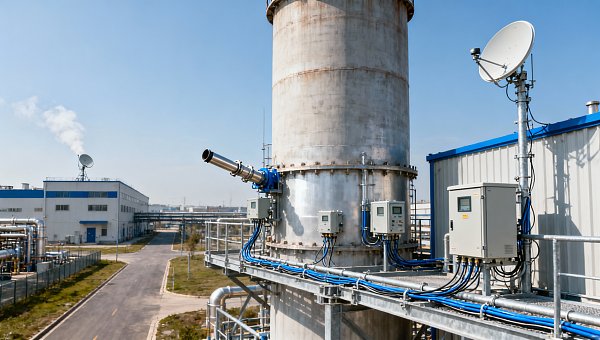
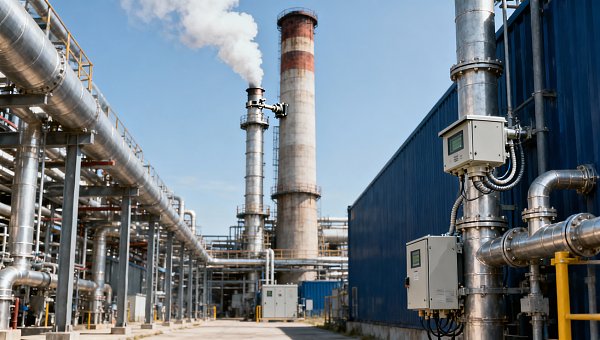
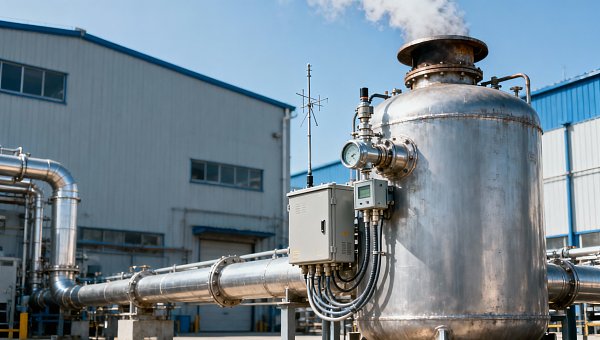
The monitoring point, measurement range, alarm philosophy, and data use may be completely different in each case. A safety detector may be mounted near likely leak points, low-lying areas, enclosed spaces, or worker access routes. An emission-monitoring system may instead be located in a stack, duct, discharge line, or treatment-system outlet where the release is characterized under controlled sampling conditions.
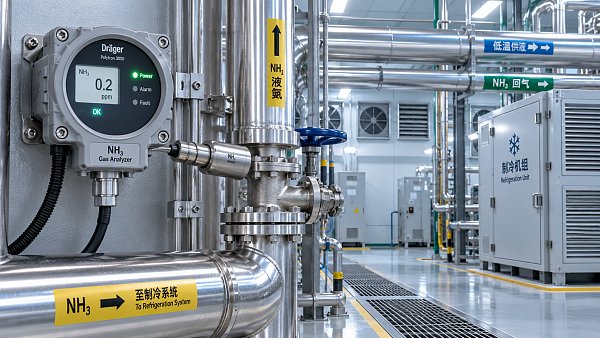
Carbon monoxide, volatile organic compounds, ammonia, chlorine, and particulate matter can create similar overlap. The fact that a compound appears in both programs does not mean one installed instrument satisfies both obligations.
Industrial safety monitoring is broader than gas detection
Gas detection is highly visible because it involves alarms and obvious life-safety consequences, but industrial safety monitoring extends well beyond atmospheric hazards. It includes the instrumentation and logic used to recognize unsafe process conditions before protective layers are overwhelmed.
Examples include high-high pressure trips, independent high-level alarms on storage vessels, temperature monitoring for thermal runaway prevention, vibration monitoring on rotating equipment, flame detection, emergency-shutdown status monitoring, safety valve condition management, and detection of abnormal flow in cooling, purge, or inerting systems.
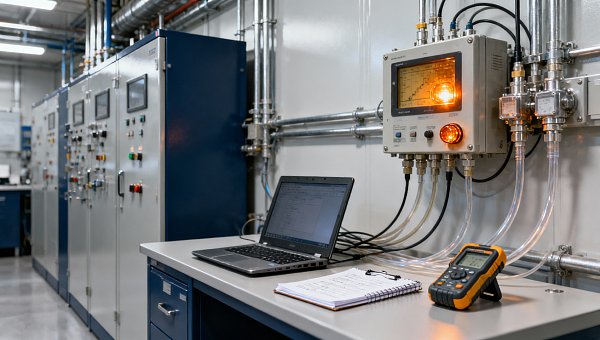
In process industries, this function may be embedded in a safety instrumented system (SIS), which is intentionally separated in purpose from the basic process control system. The relevant design question is whether the instrumented function reduces a defined process risk to an acceptable level. That requires analysis of the hazardous scenario, sensor reliability, final-element performance, proof testing, bypass management, common-cause failures, and the consequences of false trips.
Emission monitoring normally does not perform this safety-instrumented role. It may inform operators that pollution-control performance is deteriorating, but it is not automatically designed or validated to initiate a safety shutdown. Treating an environmental analyzer as a protective safety device without the necessary engineering basis creates a serious gap between perceived and actual risk reduction.
Different measurements demand different instrument designs
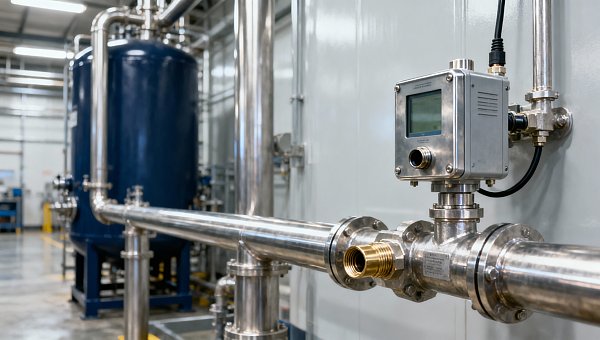
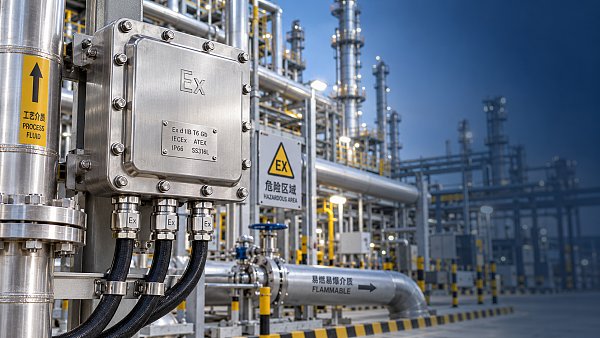
Safety instruments are selected around hazard detection and dependable action. Important criteria include response time, alarm set points, sensor placement, availability, environmental robustness, hazardous-area suitability, fail-safe behavior, maintenance access, and the consequence of a missed detection. In locations with flammable atmospheres, equipment may need an appropriate protection concept and certification for the applicable hazardous-area classification, such as ATEX or IECEx where relevant.
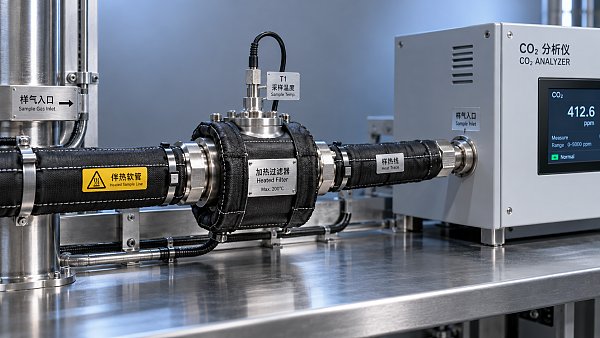
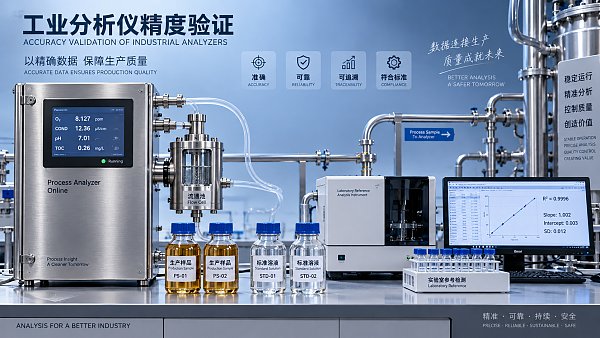
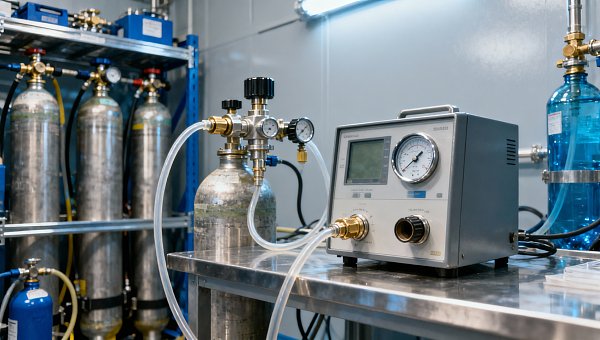
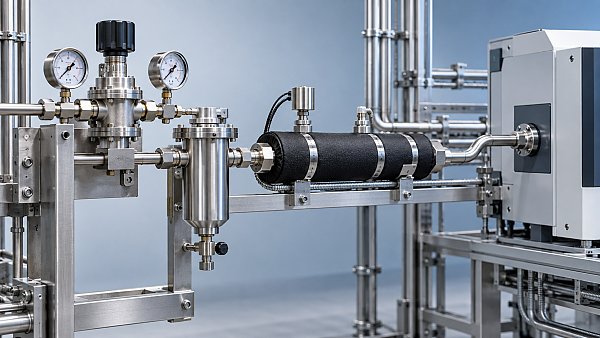
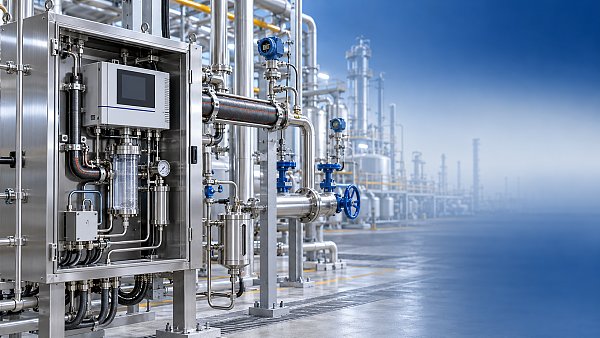
Environmental instruments are selected around measurement quality, representativeness, reporting defensibility, and compatibility with the required method. Sampling systems may need heated lines, filtration, moisture management, flow control, dilution, conditioning, or preservation of the sample stream. An analyzer may require zero and span checks, reference materials, routine calibration, periodic audits, and documented maintenance. For wastewater monitoring, sampling method and sample preservation can be as consequential as the analyzer itself.
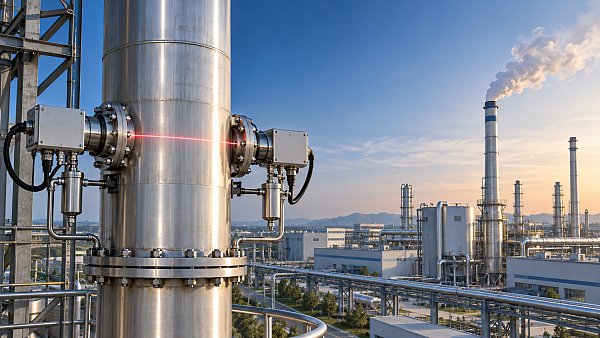
These design differences become especially important when a project team sees two instruments that both claim to measure the same gas. A portable electrochemical detector, an open-path optical monitor, a stack CEMS analyzer, and a laboratory gas chromatograph may all detect the same compound, but they differ sharply in measurement principle, range, cross-sensitivity, response behavior, location, and intended decision.
Alarm thresholds and emission limits are not the same number
Safety alarm settings are generally linked to exposure limits, flammability risk, process hazard analysis, site emergency procedures, or equipment operating limits. An oxygen monitor may alarm for enrichment or deficiency; a combustible-gas detector may alarm as a percentage of the lower explosive limit; a toxic-gas detector may use thresholds derived from workplace exposure-control practices and emergency response requirements.
Emission limits are typically tied to environmental permits, source categories, discharge consents, approved methods, or local environmental regulations. They can be expressed as mass concentration, mass per unit of production, mass flow, opacity, loading, daily maximum, monthly average, annual quantity, or another specified form. Compliance may depend on a defined averaging period and operating condition rather than on a momentary peak alone.
Using an environmental concentration limit as an occupational alarm set point is unsafe. Using a worker-exposure alarm setting as proof of stack compliance is equally unreliable. The numerical value may look familiar, but its legal and technical meaning is different.
Where monitoring systems overlap
The two functions are separate, yet they should not be managed as isolated data islands. A leak that creates a toxic atmosphere may also become a reportable environmental release. A malfunctioning scrubber can elevate stack emissions and may also create a chemical-handling or pressure-control problem upstream. A flare event can affect emissions reporting while signaling a process upset requiring safety review.
Integrated data architecture can therefore be valuable, provided it does not blur the functions. Process historians, environmental data-management systems, alarm-management platforms, maintenance systems, and incident reporting tools can share relevant information. The critical principle is that the source data retain their intended status: safety alarms must remain available and actionable even if an environmental reporting platform is unavailable, while compliance records must preserve the traceability and quality controls required for environmental use.
Cybersecurity and data governance also differ in emphasis. A compromised safety system can have immediate physical consequences; a compromised emissions record can create compliance, reporting, and reputational exposure. Both require controlled access, time synchronization, audit trails, backup arrangements, and clear ownership of configuration changes.
A practical way to decide what monitoring is required
The starting point is not the instrument catalogue. It is the decision that the measurement must support.
For any proposed monitoring point, define the hazardous or regulated event, the location of concern, the required response, the time available to act, the acceptable uncertainty, and the party relying on the data. A detector intended to trigger evacuation has a different specification from an analyzer intended to produce a monthly discharge report. A pressure transmitter used for routine control is not automatically appropriate for an independent shutdown function. A wastewater pH probe used for operational adjustment may not, by itself, meet the procedural requirements of a permit sample.
It is also necessary to distinguish between area monitoring, personal monitoring, source monitoring, and ambient monitoring:
- Personal monitoring follows the worker and assesses individual exposure conditions.
- Area monitoring detects conditions within a defined workplace zone, enclosure, process unit, or access route.
- Source monitoring measures releases at a stack, vent, drain, outfall, or similar controlled discharge point.
- Ambient monitoring assesses concentrations in the surrounding environment or at designated boundary locations.
These categories can involve the same analyte but have distinct placement logic and data interpretation rules. A facility may need more than one category at the same time.
Common mistakes that create compliance or safety gaps
A frequent mistake is installing one gas-monitoring device and assigning it every possible purpose: worker protection, leak detection, emissions reporting, and process control. This approach may reduce initial procurement complexity, but it can leave each duty only partially fulfilled.
Another error is focusing on the analyzer while neglecting the sample path. For emissions monitoring, leaks, condensation, particulate loading, sample temperature, transport delay, and calibration arrangements can materially affect data validity. For safety monitoring, poor detector location can delay detection or miss the gas cloud entirely because gases disperse according to density, ventilation, release pressure, temperature, obstructions, and weather conditions.
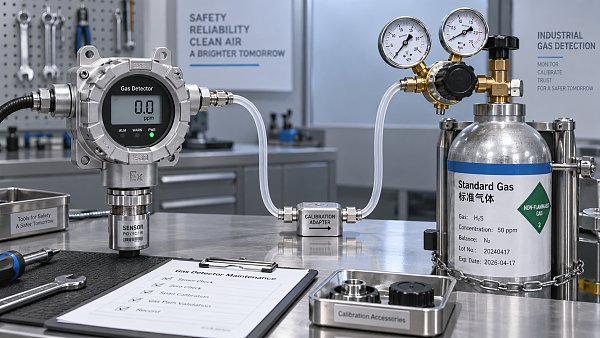
Maintenance planning is equally important. A monitor that has not been function-checked, calibrated, proof-tested, cleaned, or maintained according to its intended service cannot be assumed to provide reliable protection or defensible compliance data. The maintenance interval, test method, documentation, spare-parts strategy, and competence of service personnel should follow the criticality of the measurement—not merely a generic site schedule.
The essential distinction
Industrial safety monitoring asks whether a condition threatens people, assets, or safe process operation and whether protective action is needed. Emission monitoring asks what pollutants are being released, whether release controls are functioning, and whether the facility can demonstrate environmental compliance.
They may share sensors, analytes, communication networks, and maintenance disciplines. They should also exchange relevant operational information. But they require separate monitoring objectives, separate engineering assumptions, and often separate evidence standards. Recognizing that difference is the foundation for selecting instrumentation that protects both the workforce and the environment without overstating what any single measurement system can prove.
Recommended for You
 How to choose electrochemical analyzers for low-current measurementsCompare electrochemical analyzers for precise low-current measurements. Learn how noise, leakage, bandwidth, and real-cell testing help you choose the right instrument.
 What tolerance does a custom gas mixture need for calibration?Choose the right custom gas tolerance for calibration. Learn how blending tolerance, certified uncertainty, and stability affect accuracy—and avoid paying for precision you don’t need.
 How condensation affects stack detector readings in wet flue gasStack detector readings can drift when wet flue gas condenses. Learn how to identify moisture interference, prevent sample losses, and improve emissions monitoring reliability.
 How to prevent condensation in a CO2 analyzer sampling systemPrevent condensation in your CO2 analyzer sampling system. Learn how to control dew point, eliminate cold spots, and manage moisture for reliable readings and fewer costly disruptions.
 How to verify accuracy claims for industrial quality analyzersVerify accuracy claims for industrial quality analyzers with calibration checks, independent testing, and clear acceptance criteria. Learn how to reduce risk and buy with confidence.
 How to calculate cooling loads for an industrial analyzer shelterSize industrial analyzer shelter cooling with confidence. Learn to calculate equipment heat, solar gains, and ventilation loads, then select HVAC capacity for reliable analyzer performance.
 Oxygen Analyzers for Diving: Calibration Checks Before Nitrox BlendingUsing an oxygen analyzer for diving applications? Discover essential calibration, sensor, and sampling checks before nitrox blending to support reliable readings.
 How Paramagnetic Oxygen Analyzers Work and Why Sample Pressure MattersLearn how a paramagnetic oxygen analyzer works, why sample pressure affects accuracy, and what to check in compensation and calibration before choosing your system.
 How Much Does a Complete CEMS Integration Project Typically Cost?How much does a complete CEMS integration project typically cost? Explore budget ranges, hidden installation costs, and compliance needs to compare quotes and plan confidently.
 What Is the Typical Response Time for Industrial Air Monitors?What is the typical response time for industrial air monitors? Explore T90, sampling delays, and alarm settings to compare performance and choose the right monitor with confidence.
 Do Regulatory Monitoring Systems Need Third-Party Certification?Do regulatory monitoring systems need third-party certification? Learn when it is required, what certificates prove, and how to verify compliance before buying.
 How Do You Choose Wired or Wireless for Stack Monitoring?Learn how to choose between wired and wireless for stack monitoring. Compare reliability, lifecycle costs, and data recovery to find the right CEMS setup for your site.
 What Happens When Combustible Gas Sensor Calibration Is Overdue?What happens if combustible gas sensor is not recalibrated on time? Discover the risks of inaccurate readings and missed alarms, plus steps to restore reliable protection.
 Can One Multi-Gas Detector Replace Four Separate Analyzers?Find out: can a single multi-gas detector replace four separate analyzers? Compare accuracy, safety, compliance, and lifetime costs to make a confident buying decision.
 Industrial Safety vs. Emission Monitoring: What Are the Differences?What are the main differences between industrial safety and emission monitoring? Compare goals, sensors, response times, and compliance needs to choose the right systems for your facility.
 Is Remote Monitoring Worth the Cost for Small Emission Sources?Is it worth investing in remote monitoring for small emission sources? Compare costs, compliance needs, and potential savings to choose the right solution for your operation.
 How Do You Handle Analyzer Failure During an Environmental Audit?Learn how to handle analyzer failure during environmental compliance audit procedures. Protect evidence, verify data, and restore monitoring with this practical response guide.
 Do VOC Monitors Require Explosion-Proof Certification?Does VOC monitoring require explosion-proof certification? Learn when approval is needed, compare ATEX and IECEx, and choose the right monitor for your site.
 How sample conditioning affects accuracy in petrochemical analyzersImprove accuracy in petrochemical analyzers with smarter sample conditioning. Discover how phase control, filtration, and transport design prevent bias and deliver reliable process data.
 How to troubleshoot sensor drift in industrial gas detectorsIndustrial gas detectors showing sensor drift? Learn how to verify calibration gas, identify root causes, and determine when sensor replacement is needed for reliable monitoring.
 How to judge whether a competitive price reflects real valueCompetitive Price: learn how to compare scope, compliance, performance, and lifecycle costs to identify real value, reduce risk, and make smarter purchasing decisions.
 When custom gas analysis is the right fit for complex process streamsCustom gas analysis for complex process streams: learn when tailored sampling, interference control, and reliable measurement design deliver confident decisions.
 When does a laser gas analyzer meet stack emissions monitoring needs?Laser gas analyzer for stack emissions: learn when it delivers fast, reliable data, how to assess installation risks, and what to verify for CEMS compliance.
 How to select a hazardous gas analyzer for confined spacesHazardous gas analyzer selection for confined spaces: compare sensors, sampling, certifications, alarms, and maintenance to protect workers and choose with confidence.
 When is a single gas analyzer sufficient for workplace safety monitoring?Discover when a single gas analyzer delivers reliable workplace safety monitoring, and learn the key limits, calibration needs, and risks that require broader detection.
 How to choose an ambient gas analyzer for low-level leak detectionAmbient gas analyzer selection for low-level leak detection: compare sensitivity, cross-sensitivity, sampling design, alarms, and calibration for reliable site performance.
 How to tell when an oxygen sensor needs replacementOxygen sensor replacement signs explained: learn how live data, fault codes, wiring checks, and exhaust inspections pinpoint the real issue before you buy.
 How laser gas analyzers improve combustion control in steel furnacesLaser gas analyzer for steel industry applications delivers fast in-situ O₂ and CO data to optimize furnace combustion, cut fuel waste, and improve steel heating stability.
 How to verify whether explosion proof equipment meets site requirementsExplosion proof equipment verification made practical: match zones, gas or dust groups, temperature classes, certificates, and installation conditions for confident compliance.
 How industrial gas analysis helps detect contamination before releaseIndustrial Gas Analysis helps detect moisture, oil, oxygen, and toxic contaminants before release—protecting processes, ensuring compliance, and reducing costly risks.
 When is electrochemistry detection the right choice for water analysis?Electrochemistry detection for water analysis: learn when fast, reliable monitoring of ions, chlorine, pH, and more delivers actionable results.
 How industrial standards reduce quality risks in supplier selectionIndustrial Standard guidance helps quality and safety managers reduce supplier risks, verify compliance, strengthen traceability, and build resilient instrumentation supply chains.
Search Categories
Search Categories
- Smart Meters & Power Quality
- Transformer Gas Analyzers
- BESS Thermal Runaway Detectors
- Energy, Power & Smart Grid Monitoring
- Optical Profilers & CMM
- Ultrasonic & X-Ray NDT
- Calibration Standards
- Precision Metrology & NDT
- Water Quality Analyzers
- CEMS & VOCs Monitors
- Price Trends
- Import & Export Updates
- Market Trends
- Industry News
- Industry Insights
Latest Article
- How to choose electrochemical analyzers for low-current measurementsCompare electrochemical analyzers for precise low-current measurements. Learn how noise, leakage, bandwidth, and real-cell testing help you choose the right instrument.Posted by:
- What tolerance does a custom gas mixture need for calibration?Choose the right custom gas tolerance for calibration. Learn how blending tolerance, certified uncertainty, and stability affect accuracy—and avoid paying for precision you don’t need.Posted by:
- How condensation affects stack detector readings in wet flue gasStack detector readings can drift when wet flue gas condenses. Learn how to identify moisture interference, prevent sample losses, and improve emissions monitoring reliability.Posted by:
Please give us a message
