Fewer instruments can simplify maintenance and reduce costs. But can a single multi-gas detector replace four separate analyzers without compromising safety or measurement accuracy?
Sometimes, yes: one instrument can consolidate compatible gas measurements at a shared sampling point. However, a four-gas safety monitor cannot automatically replace dedicated process analyzers.
For plant engineers, safety managers, and procurement teams, the decision depends on target gases, required performance, sampling conditions, system availability, and applicable regulatory obligations.
This Global Instrument Hub guide explains where consolidation delivers practical value, where specialized analyzers remain essential, and what evidence buyers should request before approving replacement.
When Can One Instrument Actually Replace Four?
Replacement is reasonable when all four measurements share a suitable location, compatible operating conditions, acceptable response times, and performance requirements the proposed instrument demonstrably meets.
Start by identifying what the existing instruments actually do. Personnel protection, process control, product quality verification, and emissions reporting impose substantially different measurement requirements.
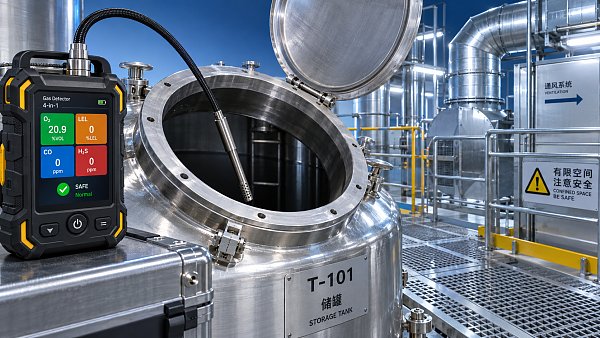
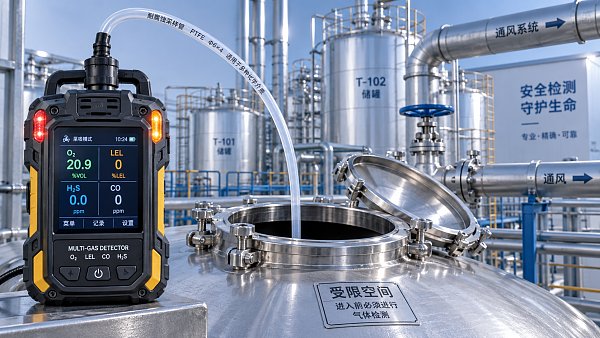
A typical four-gas safety monitor measures oxygen, combustible gases, carbon monoxide, and hydrogen sulfide. Its purpose is usually hazard warning within specified operating limits.
Four dedicated analyzers might instead measure trace oxygen, high-concentration carbon dioxide, moisture, and a specific hydrocarbon. These applications require different measurement capabilities and sampling arrangements.
The number of displayed readings therefore proves little. Replacement depends on whether every measurement remains fit for its intended decision, including abnormal operating conditions.
Are You Comparing a Safety Detector or a Process Analyzer?
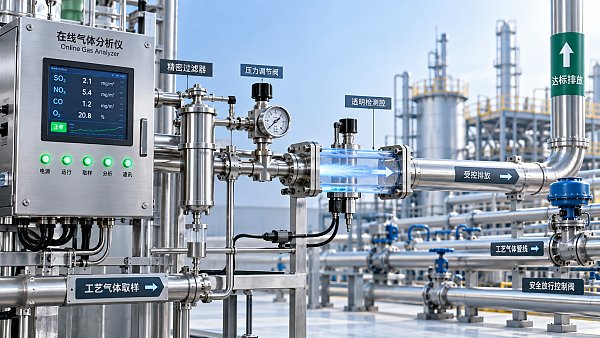
A multi-gas detector commonly combines several sensing channels in one enclosure. Each channel may use a different measurement principle and have separate maintenance requirements.
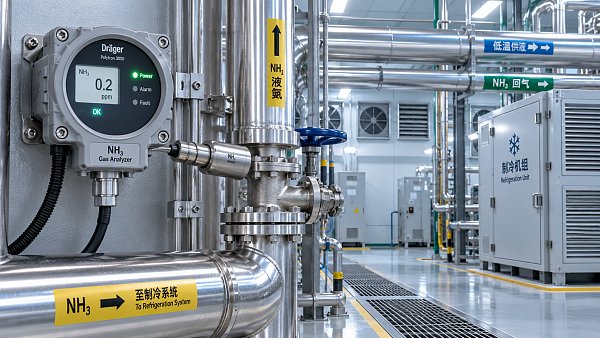
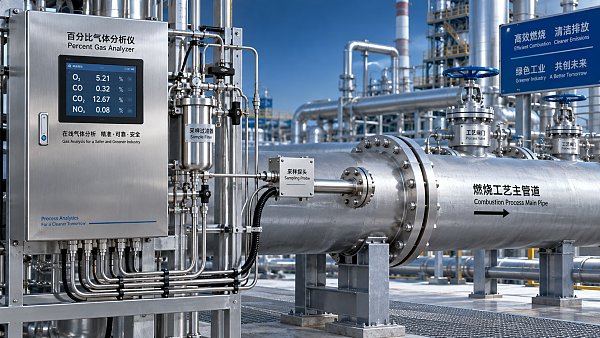
A multi-component process analyzer measures several constituents in a process sample. Depending on its design, it may use infrared absorption, spectroscopy, or other analytical techniques.
These categories overlap, and supplier terminology varies. Evaluate the specified measurement function and verified performance rather than relying on the product name or channel count.
For example, a combustible-gas channel reporting percent LEL indicates flammability relative to a calibration basis. It does not automatically provide selective methane concentration measurements.
Likewise, an oxygen channel intended for atmospheric safety does not establish suitability for trace oxygen control in inerting, semiconductor processing, or high-purity gas production.
Ask suppliers to map every existing measurement to a proposed channel, including the gas, range, technology, sample requirements, and intended use of the resulting data.
Which Specifications Determine Whether Replacement Is Safe and Useful?
Build a measurement requirements matrix before comparing prices. Include normal conditions, credible upset conditions, maintenance needs, and the consequences of a missing or incorrect reading.
Gas coverage, range, and usable measurement performance
Confirm that the instrument detects each target gas specifically enough for your application. Broad sensitivity to a gas family may be unsuitable for composition control.
Specify the required range, detection limit, resolution, accuracy, and repeatability separately. A display showing extra decimal places does not establish lower uncertainty or better selectivity.
Compare performance near actual decision thresholds. An instrument may perform adequately across most of its range while providing insufficient confidence near a critical alarm limit.
For trace measurements, ask about the quantification limit and zero stability. For high concentrations, check saturation behavior, recovery time, and what happens during overrange exposure.
Cross-sensitivity and the complete gas mixture
Electrochemical sensors can respond to interfering gases, with positive or negative effects depending on sensor design. Obtain interference data for the exact proposed sensor configuration.
Infrared combustible-gas sensors generally do not detect hydrogen. Catalytic combustible sensors typically need sufficient oxygen and may lose sensitivity through exposure to poisons or inhibitors.
These limitations matter when replacing instruments across changing processes. A detector suitable for hydrocarbon leaks may leave an important gap where hydrogen is also credible.
Request performance evidence using representative mixtures, humidity, and temperature conditions. Single-gas calibration results alone cannot establish suitability for a complex or variable process stream.
Response time at the actual measurement point
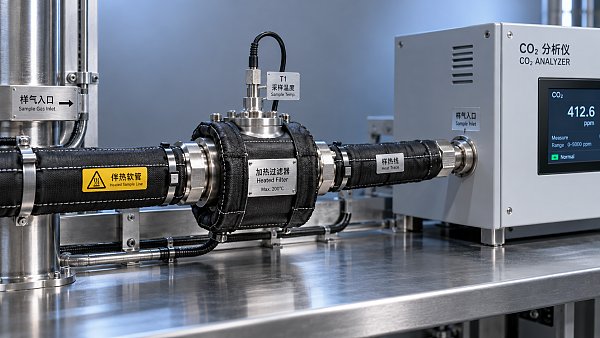
Compare total system response, including sample transport, conditioning, switching, sensor response, and alarm processing. A fast sensor cannot compensate for a poorly designed sampling system.
Long tubing, low sample flow, adsorption, and condensation can delay readings or remove target compounds. Reactive and water-soluble gases require particular attention during sampling design.
Specify the maximum acceptable time from a gas change at the sampling point to a usable reading or alarm, then verify the installed system accordingly.
Will Consolidation Reduce Coverage or Create a Shared Failure?
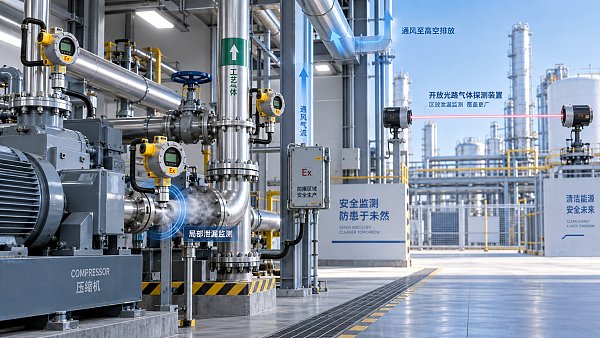
One detector at one location cannot automatically replace four detectors distributed around a plant. Gas movement depends on release conditions, ventilation, obstacles, and local geometry.
Even when one analyzer samples several locations, sequential switching creates intervals between measurements. Calculate the worst-case revisit time and include purging and sample transport delays.
That arrangement may suit slowly changing process trends. It may be unsuitable for rapid hazard detection unless the complete design meets the required protective function.
Consolidation also concentrates dependencies. A failed pump, blocked inlet, power supply fault, or software problem can interrupt several measurements simultaneously, even when individual sensors remain functional.
Check whether replacing one sensor disables the entire instrument. Also confirm whether calibration, firmware updates, or scheduled servicing suspend all channels together during normal maintenance.
Where measurements support safety instrumented functions, assess the complete function under the applicable functional safety framework. A product certificate alone does not establish system suitability.
Include common-cause failures and redundancy requirements in the decision. Independent instruments may remain justified when losing several measurements together would create an unacceptable operational consequence.
What Certifications and Maintenance Evidence Should Buyers Request?
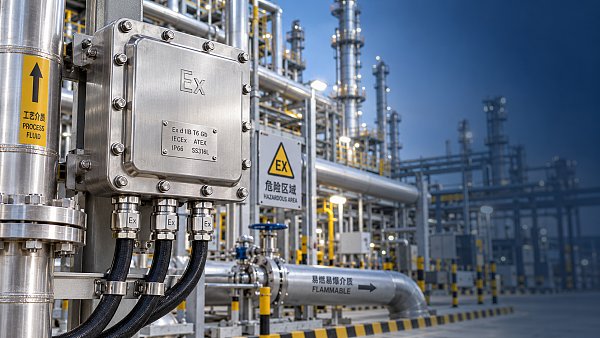
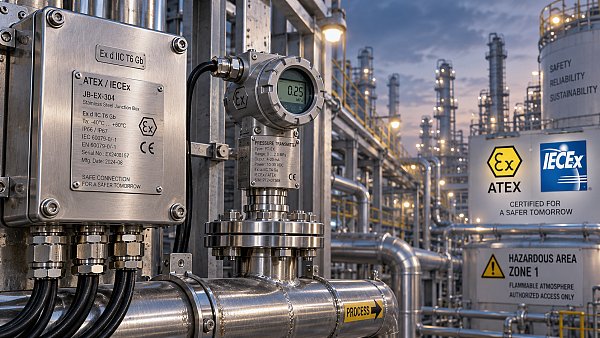
Hazardous-area suitability and measurement performance answer different questions. ATEX or IECEx documentation must match the installation conditions, but does not by itself establish analytical accuracy.
Check the exact model, sensor options, temperature class, equipment protection level or category, gas group, and ambient limits against the actual installation and certificate conditions.
For confined-space work, select equipment and monitoring arrangements around the applicable entry procedure and identified hazards. A standard four-gas configuration may omit relevant toxic substances.
In the United States, OSHA’s permit-required confined spaces standard provides a regulatory starting point; industry-specific rules and site procedures may add requirements.
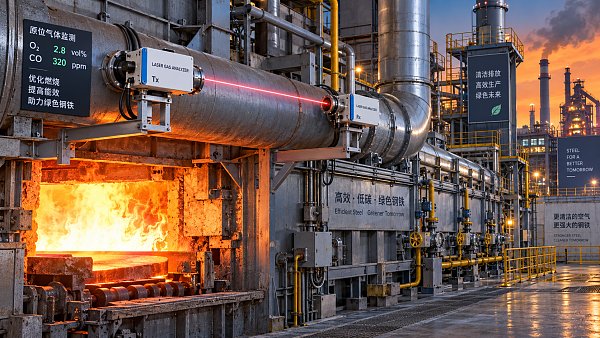
For regulated emissions measurements, confirm applicable methods, performance specifications, quality assurance procedures, and authority acceptance. Additional measurement channels do not automatically establish compliance for reporting.
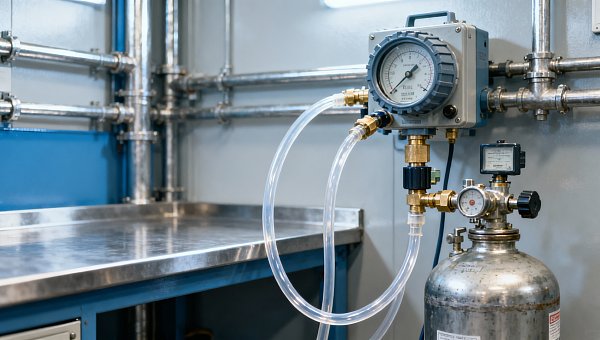
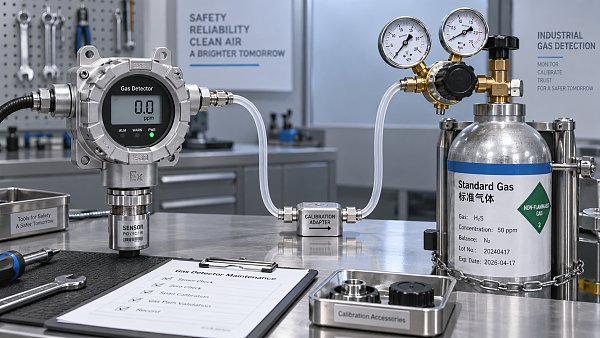
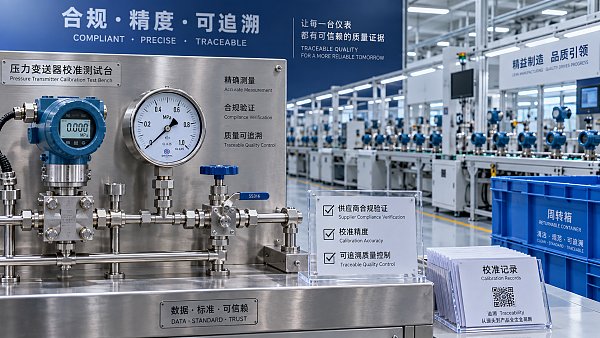
Maintenance planning should distinguish a bump test from calibration. A bump test checks gas response and alarm operation; calibration checks or adjusts readings against reference gas.
Set testing and calibration intervals using manufacturer instructions, applicable requirements, exposure history, and site procedures. Review them when operating conditions or failure patterns change materially.
If accredited calibration is required, verify that the laboratory’s ISO/IEC 17025 accreditation scope covers the relevant work. Accreditation does not certify every instrument or application.
Does One Instrument Really Cost Less Over Its Lifetime?
Purchase price is only one input. Compare total ownership cost over a common operating period and service duty, with equivalent measurement coverage and availability requirements.
Consolidation can reduce installation work, wiring, enclosure space, communications integration, and routine handling. Savings are strongest when measurements genuinely share sampling and maintenance needs.
However, different sensor lifetimes and calibration requirements remain relevant inside one enclosure. Multiple channels do not necessarily use the same calibration mixture or service schedule.
A shared instrument may also require a more expensive spare to maintain availability. Include the consequence of losing all consolidated measurements during repair or servicing.
- Acquisition and installation: instrument, sampling equipment, conditioning, tubing, electrical work, integration, commissioning, and any required protective enclosure.
- Recurring operation: calibration gases, regulators, sensors, filters, pump parts, labor, training, and external calibration or verification services.
- Availability: spare equipment, repair turnaround, temporary monitoring, production disruption, and the consequences of simultaneous channel loss.
- Lifecycle support: replacement-part availability, software support, service access, and the cost of future process or regulatory changes.
Use documented assumptions rather than a universal savings percentage. The strongest business case connects lower lifecycle cost with verified performance and an acceptable maintenance strategy.
How Should You Validate a Proposed Replacement?
Make the purchasing decision through a documented comparison and a representative trial. Resolve critical performance questions before removing existing instruments or changing protective operating procedures.
- Define each measurement’s job. Record target gases, sampling locations, ranges, alarm thresholds, required response times, and whether readings support safety, control, quality, or reporting.
- Match the complete operating envelope. Document pressure, temperature, humidity, dust, condensation, interfering gases, and credible upset conditions; identify any required sample conditioning.
- Obtain configuration-specific evidence. Request specifications, interference information, certificates, calibration requirements, diagnostic behavior, and maintenance restrictions for the exact offered model and sensors.
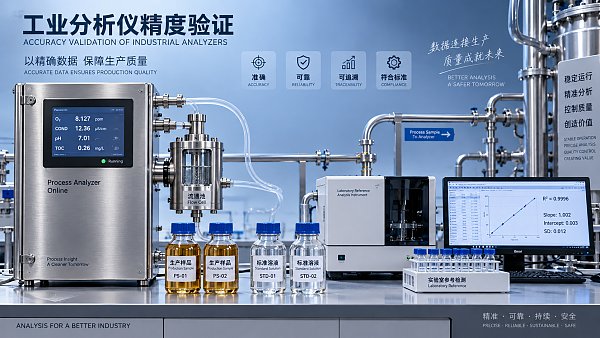
- Agree on acceptance criteria. Set allowable disagreement, response time, drift, uptime, and fault indication requirements before the trial; use traceable references where appropriate.
- Run a controlled comparison. Evaluate representative conditions and safe challenge tests against suitable references; investigate discrepancies rather than assuming the existing analyzer is correct.
- Approve the operating change. Update maintenance plans, training, spare coverage, alarm handling, and relevant engineering records before relying on the consolidated instrument.
Useful trial evidence includes repeated measurements near decision thresholds, realistic sample transport tests, and verified fault indications. Challenge testing should follow approved procedures and manufacturer limitations.
If one channel fails acceptance, retain the corresponding dedicated analyzer or select another technology. Partial consolidation can still deliver savings while preserving the required measurement capability.
The Decision: Consolidate Only Where Every Measurement Remains Fit for Purpose
One multi-gas instrument can replace four separate devices when gas coverage, performance, sampling, location, availability, and compliance requirements align for every measurement being consolidated.
Keep specialized or independent analyzers where trace sensitivity, selectivity, spatial coverage, regulatory acceptance, or failure independence makes them necessary. Channel count cannot resolve those requirements.
For procurement teams, the decisive evidence is a completed requirements matrix and a successful application trial. Buy verified measurement capability, then assess the resulting lifecycle savings.