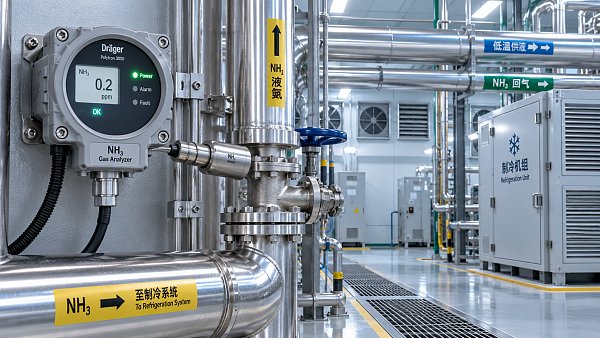
A gas detector and a stack analyzer may measure similar substances, but they support different decisions. Choosing between them starts with understanding the risk being managed.
So, what are the main differences between industrial safety and emission monitoring? Industrial safety protects people and operations; emission monitoring quantifies releases for environmental management.
For plant operators, engineers, and procurement teams, the distinction determines sensor placement, response speed, measurement quality, maintenance requirements, and whether readings can support regulatory reporting.
Most facilities need both approaches. The practical question is which instruments, controls, and verification procedures each application requires, and where sharing infrastructure makes operational sense.
What Does Each System Need to Protect?
Industrial safety addresses hazards that can injure workers, damage equipment, or interrupt operations. These include toxic exposure, combustible atmospheres, oxygen deficiency, excessive pressure, and overheating.
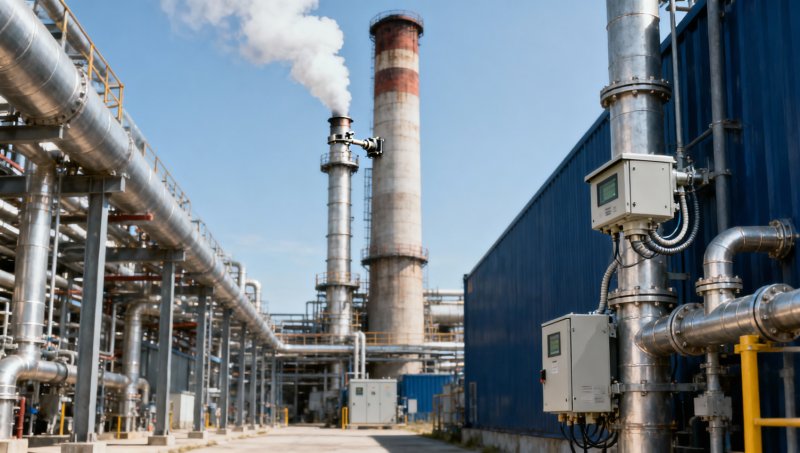
Emission monitoring measures substances released into the environment through stacks, ducts, vents, wastewater discharges, or other pathways. This article focuses primarily on industrial air emissions.
The distinction is therefore broader than gas detection versus gas analysis. Safety covers multiple protective functions, while emissions programs may combine continuous monitoring and periodic testing.
A safety measurement usually answers whether conditions require intervention to prevent harm. An emissions measurement establishes what is being released, in what quantity, and under which conditions.
Neither purpose makes the other unnecessary. A compliant stack can coexist with a dangerous workplace leak, and safe workplace conditions do not establish environmental compliance.
The following comparison highlights the differences that most directly affect instrumentation selection. Actual requirements depend on the process, hazard assessment, applicable jurisdiction, and operating permit.
Why Similar Gas Measurements Require Different Instruments
Consider carbon monoxide at a combustion facility. A workplace detector checks whether employees face hazardous exposure, while a stack analyzer measures carbon monoxide in exhaust.
Both instruments may report parts per million, but their sampling conditions differ substantially. Workplace air and combustion exhaust require different measurement ranges and sampling arrangements.
A safety detector must identify hazardous concentrations within its specified operating conditions. Its suitability depends on response time, interference effects, environmental tolerance, and alarm behavior.
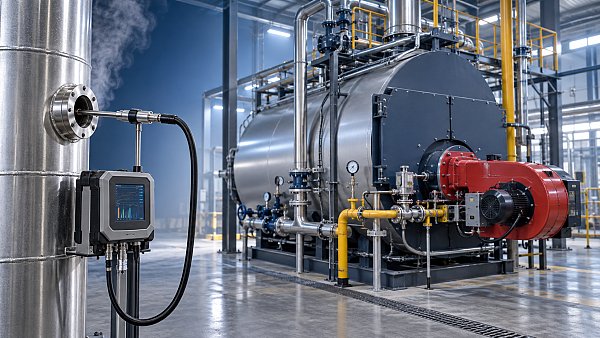
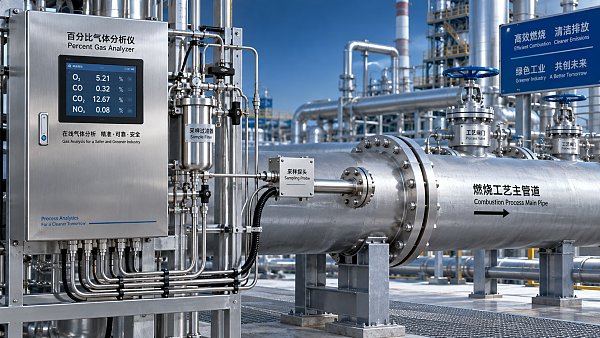
A stack analyzer must produce representative measurements despite heat, moisture, dust, and changing gas composition. Sampling and conditioning become essential parts of the measurement system.
For combustible gases, safety instruments commonly express readings as a percentage of the lower explosive limit. That scale helps assess ignition risk around potential releases.
An emissions application may instead require concentration on a defined reference basis or pollutant mass flow. These quantities answer different questions and cannot be substituted casually.
Measurement technology also matters. Electrochemical, catalytic, infrared, ultraviolet, and other methods have different sensitivities and limitations; no sensing principle is universally suitable for every gas.
Buyers should therefore specify the measurement task before selecting a technology. A matching gas name on two datasheets does not establish that the instruments are interchangeable.
Where Should Sensors and Sampling Points Be Installed?
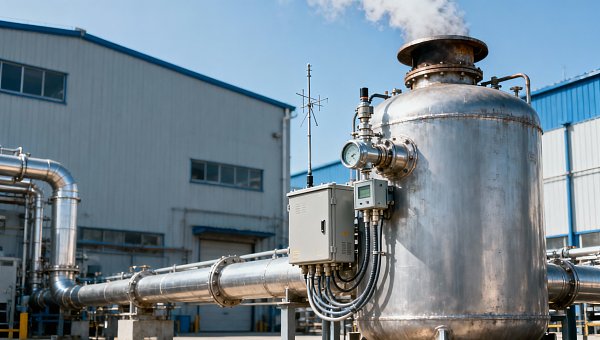
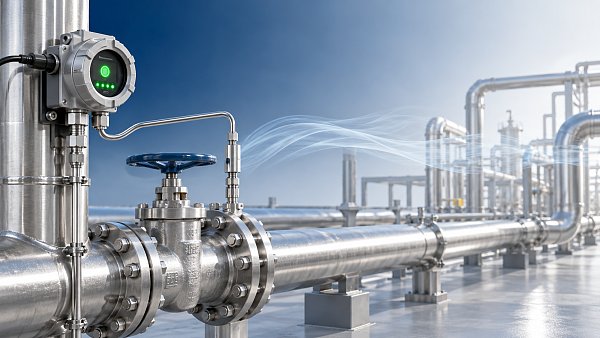
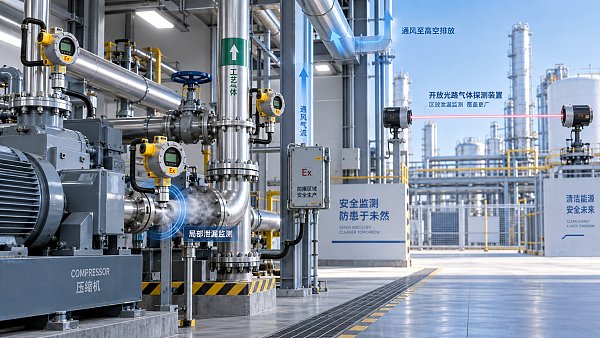
Safety detector placement follows the hazard scenario: where a release could occur, how material might disperse, and where workers or ignition sources could encounter it.
Gas density provides useful context, but placement cannot rely on density alone. Ventilation, release pressure, temperature, obstructions, and changing operating conditions can alter gas movement.
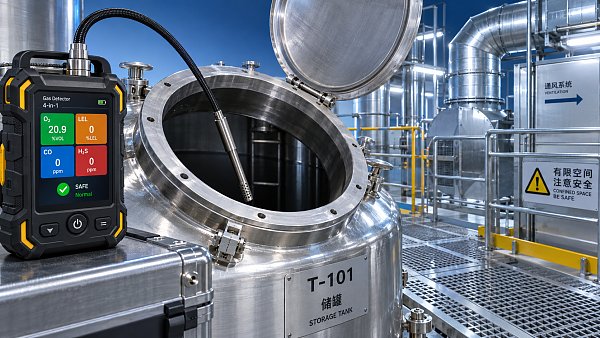
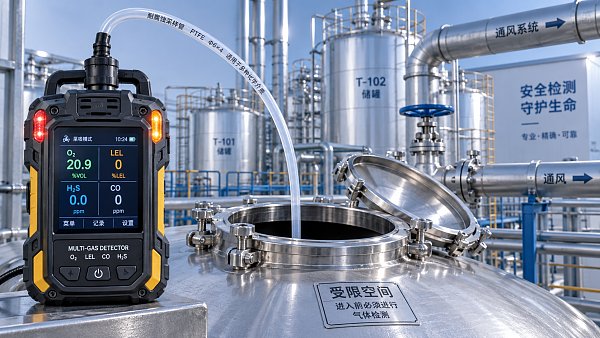
Fixed detectors protect defined areas, while portable instruments support personal monitoring and task-specific checks. Confined-space entry may require testing and monitoring beyond fixed detection coverage.
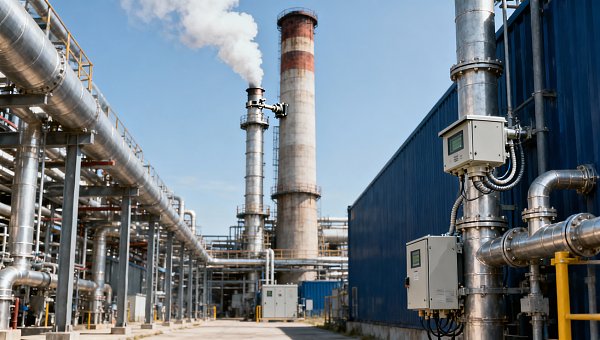
Stack monitoring follows a different logic. The sampling location must provide representative exhaust measurements and meet applicable siting requirements, including provisions addressing flow disturbances and stratification.
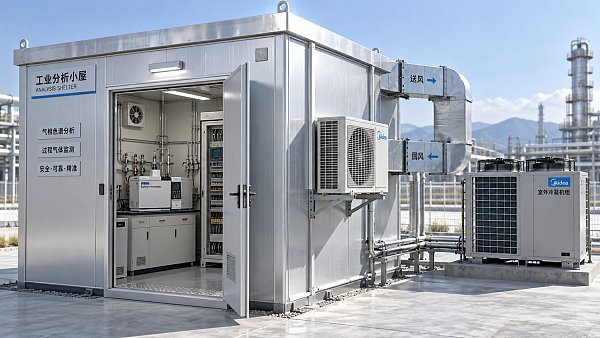
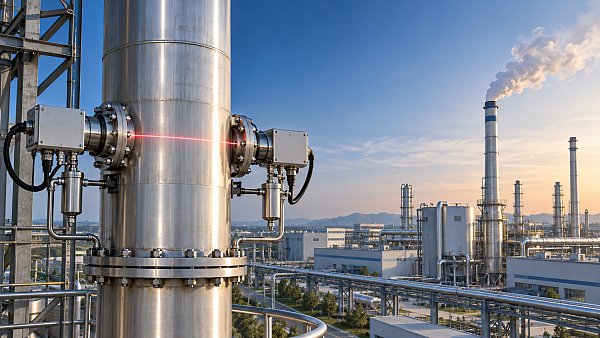
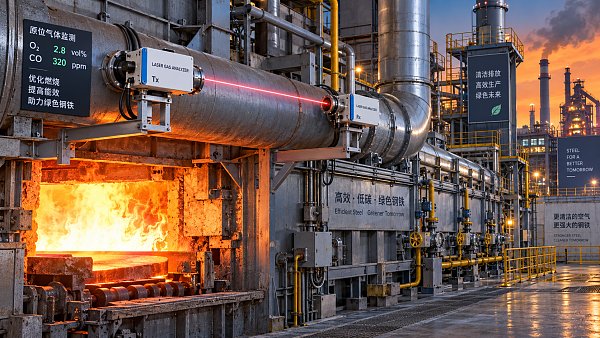
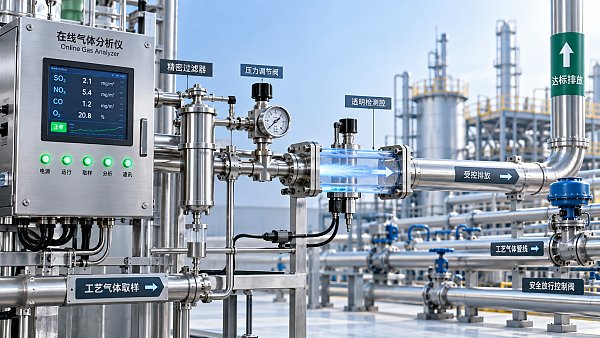
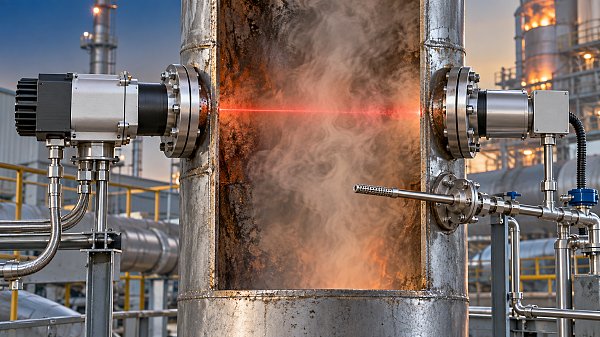
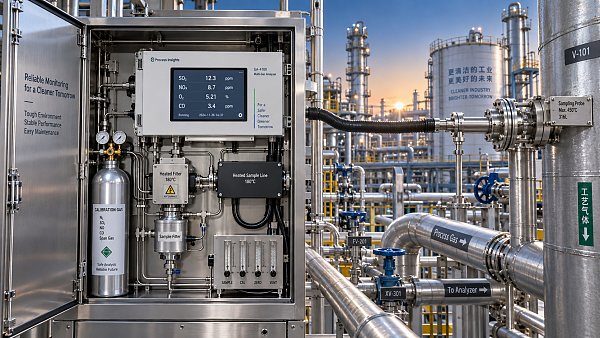
An extractive system transports gas to an analyzer through a sampling line. An in-situ system measures within the duct or stack, avoiding some transport-related complications.
Extractive designs must control condensation, leakage, blockage, and sample losses. Depending on the analyte, an unsuitable filter or conditioning method can bias the reported result.
In-situ instruments introduce their own considerations, including optical alignment, window contamination, process access, and conditions along the measurement path. Installation choices should follow application evidence.
Facility boundary monitoring serves another purpose: assessing concentrations around a site. Those readings may inform environmental management, but they do not automatically quantify individual stack emissions.
How Fast Must Each System Respond, and What Happens Next?
Safety response requirements come from the hazard analysis. A rapidly developing release may demand fast detection, clearly communicated alarms, and protective action before conditions become dangerous.
Evaluate total response time across the complete chain: gas transport, sensor response, signal processing, controller logic, communications, and the action performed by the final element.
A fast sensor offers limited protection if alarm routing delays notification or personnel cannot recognize the required response. Alarm design and operating procedures deserve equal attention.
Some safety systems trigger ventilation, isolation, or shutdown. Where a function forms part of a safety instrumented system, its lifecycle and integrity requirements require specific engineering.
Emission monitoring also needs timely response, especially during process upsets. However, compliance assessments often use prescribed averaging periods, operating conditions, and data availability criteria instead.
Do not interpret averaging as permission to ignore short excursions. Permit conditions may include short-term limits, event reporting, or operating restrictions alongside longer averaging periods.
Emissions instruments can support process control by identifying combustion deterioration or pollution-control problems. Their signals may prompt adjustment before performance worsens or permit limits are exceeded.
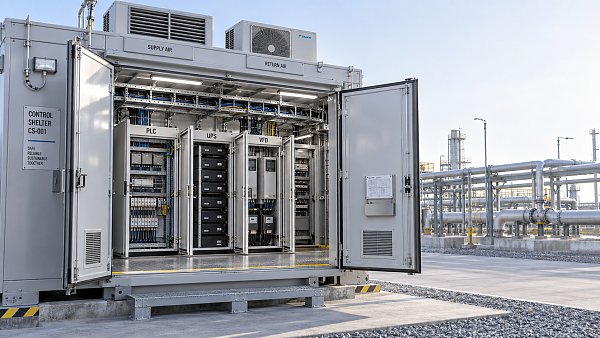
A shared dashboard can show both datasets, but safety actions and compliance calculations need appropriate controls. Network integration should preserve required reliability, timing, and data traceability.
Which Standards and Compliance Requirements Actually Apply?
Industrial safety requirements depend on the country, industry, substances, and protective function. Relevant obligations may address worker exposure, hazardous areas, machinery safety, and process safety.
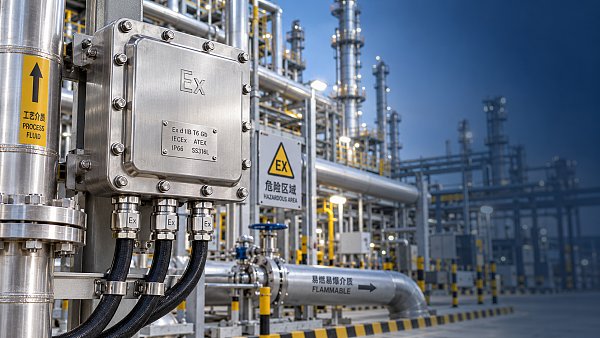
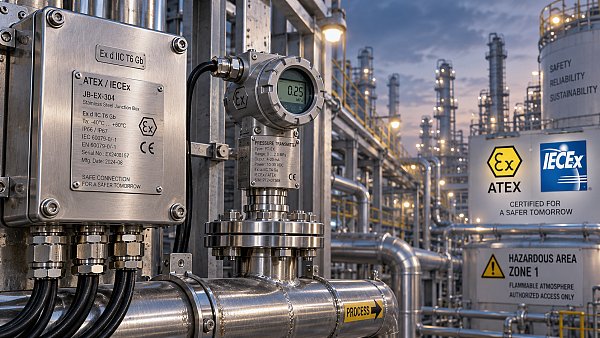
For installations in explosive atmospheres, ATEX or IECEx documentation may be relevant. Such certification addresses defined explosion-protection requirements; it does not establish suitability for every measurement.
Functional safety requirements are separate. Where applicable, IEC 61511 addresses safety instrumented systems in the process sector, while IEC 61508 provides a broader functional safety framework.
A detector carrying a safety integrity claim does not establish the integrity of an entire protective function. Design, installation, testing, maintenance, and final elements also matter.
Environmental obligations are typically pollutant-specific and permit-specific. They may prescribe measurement methods, reference conditions, averaging rules, quality assurance, data retention, and reporting formats for particular sources.
In the United States, applicable programs may reference EPA performance specifications, quality assurance procedures, or particular regulations. Requirements differ among source categories and emissions programs.
European facilities may encounter EN 14181 quality assurance requirements for automated measuring systems, with EN 15267 certification relevant in applicable contexts. National implementation remains important.
ISO/IEC 17025 accreditation supports confidence in specified laboratory testing or calibration activities. It does not replace site-specific instrument approval, emissions quality assurance, or safety system validation.
What Should Procurement Teams Specify Before Requesting Quotes?
Begin with two separate requirement statements: the hazard or exposure scenario to manage, and the emissions obligation to demonstrate. Translate each into measurable acceptance criteria.
For safety applications, specify target substances, measurement range, required response, alarm actions, environmental conditions, hazardous-area classification, and expected behavior during sensor failure or power loss.
For emissions applications, specify pollutants, expected concentrations, exhaust conditions, reporting units, applicable reference methods, required availability, and the calculations needed to produce reportable emissions data.
Define measurement boundaries carefully. A continuous emission monitoring system may include analyzers, sampling equipment, calibration facilities, supporting measurements, and data acquisition and handling software together.
Where mass emissions must be calculated, concentration alone may be insufficient. Suitable flow measurements and required corrections for temperature, pressure, moisture, or oxygen may also matter.
Ask suppliers to document interference effects and application limitations under realistic conditions. Product accuracy claims should identify the range, test conditions, and basis of the specification.
Compare lifecycle costs, including calibration gases, consumables, maintenance labor, spares, verification testing, software support, and access arrangements. Low purchase prices can conceal substantial operating burdens.
For cross-border sourcing, Global Instrument Hub’s instrumentation intelligence can support supplier evaluation. Buyers should still verify certification scope, application evidence, service coverage, and contractual acceptance criteria.
How Do You Keep Both Systems Reliable After Installation?
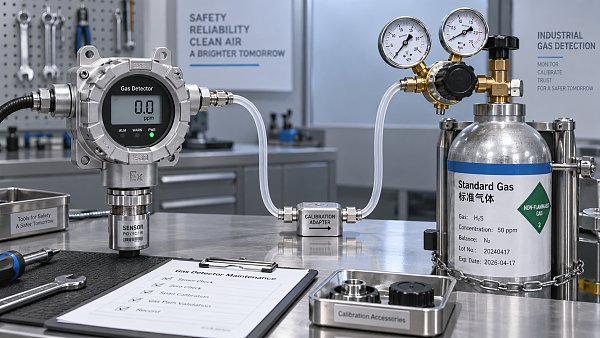
Safety instruments need documented inspection, testing, and calibration appropriate to their design and duty. Portable gas detectors commonly require bump testing under manufacturer and site procedures.
A bump test checks response to test gas and associated alarms; calibration adjusts measurement performance. Neither activity alone demonstrates that detector placement covers every credible release.
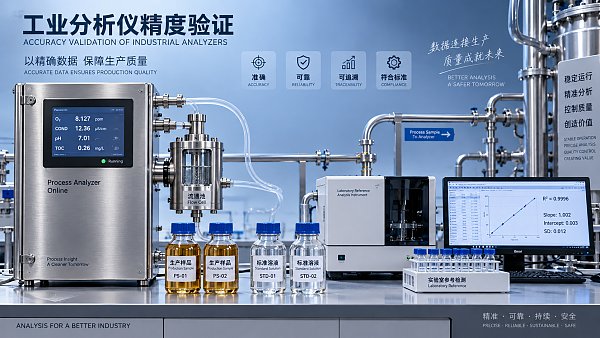
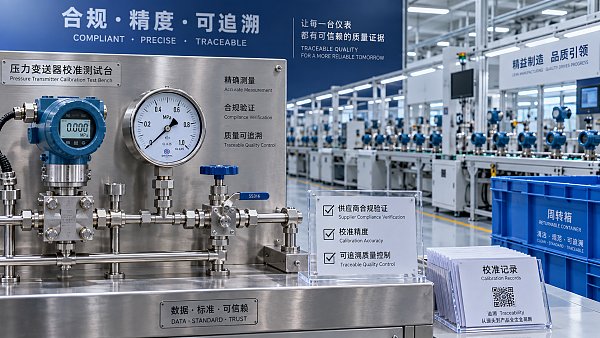
Emission systems require their applicable quality assurance activities, which may include zero and span checks, drift evaluation, reference-method comparisons, and ongoing review of measurement validity.
Operational records should distinguish valid measurements from periods affected by faults, maintenance, or calibration. Missing-data treatment must follow the relevant rules rather than improvised spreadsheet assumptions.
Manage changes to fuels, feedstocks, ventilation, production rates, and pollution-control equipment. Process changes can affect safety coverage, analyzer suitability, measurement ranges, and emissions reporting assumptions.
Assign clear ownership for alarms, maintenance, data validation, and regulatory reporting. Shared instruments or dashboards create ambiguity unless responsibilities and escalation procedures are explicitly documented.
Making the Right Choice for Your Facility
The decisive difference is the decision each measurement supports. Safety monitoring enables protection against hazards; emission monitoring establishes environmental releases under defined measurement and reporting conditions.
For most industrial facilities, the strongest investment decision is to specify both systems around their actual duties, then integrate information where doing so improves operations.
Before approving a purchase, confirm the measurement location, required response, applicable compliance basis, and ongoing verification plan. These factors reveal suitability more reliably than headline specifications.
When those requirements are clear, procurement teams can compare suppliers meaningfully, engineers can design appropriate interfaces, and operators can act confidently on the information they receive.