
When do real-time analyzers justify the higher upfront cost?


Real-time analyzers justify a higher upfront cost when delayed measurement creates a larger financial risk than the instrument premium itself. That usually happens in operations where material composition drifts quickly, where an off-spec batch cannot be reworked easily, where shutdowns are expensive, or where release decisions depend on repeated manual sampling. In those settings, the value does not come from owning a more advanced device for its own sake. It comes from reducing the time gap between process change and process response.
A conventional testing model often hides cost in places that are easy to underestimate during sourcing. Grab samples require labor, sample transport, conditioning, bench analysis, result logging, and a handoff back to production. If the process moves faster than that loop, operators are effectively steering with old information. A real-time analyzer changes that economics when minutes matter: blend ratios can be corrected before a full lot is lost, utility loads can be balanced before energy waste accumulates, and contamination events can be isolated before they spread across downstream equipment or packaged inventory.
Where the investment starts to make sense
The strongest justification appears where process variability has direct commercial consequences. In chemical dosing, combustion control, fermentation, gas purity monitoring, water treatment, solvent recovery, and high-spec food or pharmaceutical processing, the window between acceptable and unacceptable conditions may be narrow. If a parameter such as moisture, pH, conductivity, dissolved oxygen, hydrocarbon concentration, particle count, or calorific value shifts outside the target range, the cost can extend far beyond one bad reading. It may affect raw material consumption, product release timing, cleaning cycles, waste handling, and even contractual performance.
Real-time analyzers are also easier to justify when the process cannot be paused for frequent manual verification. A pipeline, continuous reactor, furnace train, emissions stack, or high-throughput packaging line does not wait for a laboratory result. In these environments, a slower measurement method can force teams into conservative operating margins. They may overdose reagents, overheat drying systems, or overuse compressed air simply to stay on the safe side. Continuous measurement narrows that buffer when the analyzer is stable enough to support control actions.
Another common trigger is the cost of uncertainty during startup and grade change. When a line switches feedstock, recipe, or production mode, material behavior often becomes less predictable. Real-time analyzers can shorten that unstable period by showing how quickly the process is settling. Without that visibility, teams may discard more transition material than necessary or hold product longer than needed while waiting for confirmation from an offline method.
The hidden cost drivers behind the purchase
The instrument price is only one layer. A serious cost comparison has to include sample system design, installation conditions, control integration, maintenance burden, and the quality of the data stream under real operating conditions. An analyzer that looks economical on a quotation can become expensive if it needs heated sample lines, sheltering, purge air, vibration isolation, or special metallurgy because the process fluid is corrosive, abrasive, sticky, or prone to condensation.
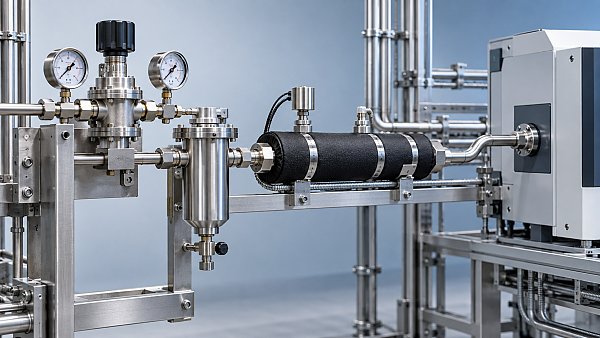
Sample conditioning is often the deciding factor. Gas analysis may require pressure reduction, filtration, moisture removal, and flow stabilization before the sample reaches the sensing cell. Liquid analysis may need bypass loops, temperature control, degassing, or automatic cleaning to prevent fouling. If the sample handling system is poorly matched to the process, the measurement can lag, drift, or fail intermittently. In that case, the organization pays the capital cost without receiving dependable control value.
Maintenance access matters as much as analytical performance. A sensor installed in a cramped skid corner, above a hot line, or inside an area that requires frequent permit controls will accumulate service cost fast. Replacement consumables, calibration gases, reagent stability, membrane life, lamp aging, and cleaning frequency should all be treated as operating assumptions during evaluation. The real question is not whether maintenance exists, but whether it fits the plant’s actual rhythm.
Integration work can also shift the business case. A standalone analyzer that only shows a local reading may be useful for troubleshooting, but the higher-cost justification is stronger when the data is tied into historian records, alarms, batch reports, or closed-loop control. If no one trusts or uses the signal, the analyzer becomes an expensive indicator rather than a decision tool.
When laboratory testing is still the better choice
Not every process benefits from continuous measurement. If the product changes slowly, if sampling is simple, if release timing is not sensitive, or if the measured property is too complex to monitor reliably in-line, a laboratory or at-line approach may remain more economical. This is especially true when the method requires multi-step preparation, highly selective separation, or interpretation by a specialist rather than a direct sensor output.
There are also cases where the process stream is simply hostile to in-line instrumentation. Heavy fouling, solids loading, unstable multiphase flow, entrained bubbles, extreme pressure cycling, or rapid sensor poisoning can turn an elegant specification into a maintenance problem. In such conditions, an at-line analyzer with a controlled sample presentation may outperform a theoretically superior in-line solution.
A common sourcing mistake is to assume that faster data automatically means better economics. If the operation has no practical way to act on minute-by-minute changes, the extra resolution may have little monetary value. A shift report can absorb a once-per-hour result; a closed-loop blending operation often cannot.
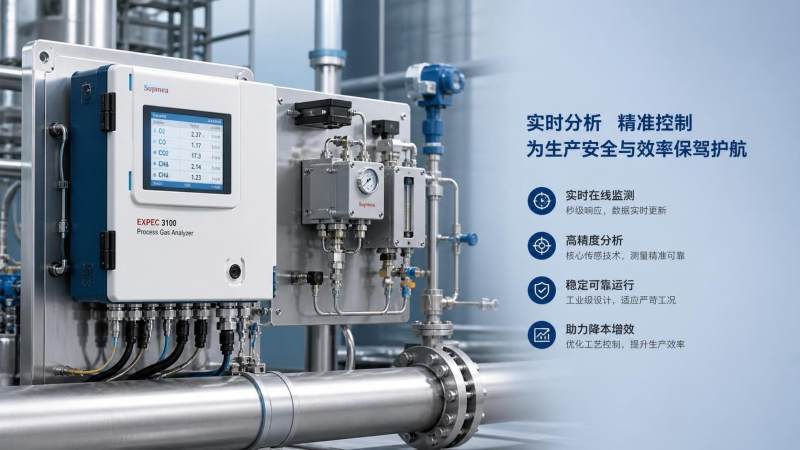
Signals that the current measurement model is already too expensive
Several operational patterns usually indicate that real-time analyzers deserve serious consideration. One is repeated quality giveaway: product consistently meets specification, but only by consuming more energy, additive, or higher-grade feedstock than necessary. Another is frequent disagreement between production records and laboratory confirmation, suggesting that the process drifts between samples. A third is recurring delay around release, transfer, or discharge points because no one has current composition data at the moment a decision is needed.
- Frequent rework or hold decisions tied to late analytical confirmation, especially when the process had already moved on before the result arrived.
- Manual sampling routes that depend on specific shift coverage, making response speed inconsistent across nights, weekends, or remote assets.
- Control loops running in open mode because the existing measurement is too delayed or too noisy for automation.
- Environmental or utility streams where excursions are short-lived yet costly, so periodic testing misses the event entirely.
These are not abstract indicators. They usually show up in scrap logs, utility imbalance, unexplained yield loss, overtime in the laboratory, excessive transition waste, or disputes about whether a process upset started upstream or downstream.
Choosing the right analyzer type affects the return
The economics depend heavily on matching the measurement principle to the process objective. Spectroscopic systems can be attractive where composition must be inferred without reagent consumption, but they may require robust calibration models and stable optical conditions. Electrochemical sensors can be compact and responsive, yet they may have shorter life in aggressive media. Thermal conductivity, tunable diode laser, mass-based, chromatographic, and wet-chemistry approaches each bring different tradeoffs in selectivity, lag time, consumables, and environmental tolerance.
That is why the purchase decision should begin with the business variable, not the instrument category. If the true cost sits in moisture drift during drying, then the analyzer should be evaluated around response under changing load, sensor fouling risk, and correlation with product release criteria. If the concern is combustion efficiency, then oxygen or fuel-gas quality measurement needs to be judged in relation to burner control stability, maintenance intervals, and stack conditions rather than brochure sensitivity alone.
Material compatibility is often overlooked in early discussions. Wetted parts, seals, windows, tubing, and filters must withstand not only the normal stream but also cleaning agents, startup chemicals, and upset conditions. A sensor that survives the design fluid may still fail if the line occasionally sees solvent flushes, chlorides, abrasive fines, or high-temperature steam. Those details directly affect lifecycle cost.
Procurement errors that weaken the business case
One frequent error is comparing quotations without normalizing the scope. Some offers include analyzers only, while others include sample panels, shelters, mounting hardware, calibration accessories, software tags, and commissioning support. An apparently cheaper package may leave major field costs unresolved. Another error is treating the factory acceptance test as proof of site performance. Analyzer performance in a clean demo loop does not guarantee the same response in a vibrating, humid, dust-exposed process area with variable pressure and inconsistent utilities.
Lead time can become part of the cost logic as well. Specialized detectors, optical assemblies, or corrosion-resistant sample system components may extend delivery. If the project schedule is tied to a plant turnaround or utility shutdown window, a late analyzer can create installation delay costs that erase part of the expected return.
Transport and storage conditions deserve attention for sensitive instruments. Shock exposure, prolonged humidity, freezing temperatures, and rough handling can affect calibration integrity or damage consumables before commissioning begins. For analyzers with reagents, membranes, or optical parts, warehousing conditions between delivery and startup should be clarified early instead of discovered after installation.
What a defensible approval case usually includes
A solid approval case links the analyzer to one constrained operating decision: adjust dosage, stop contamination spread, release product sooner, reduce energy overshoot, catch an emission excursion earlier, or stabilize blend composition during feed changes. Once that single operating decision is clear, the rest of the evaluation becomes more disciplined. Response time, analyzer uptime, calibration interval, service access, and integration requirements can be tested against one real production need instead of a vague desire for better visibility.
It is also worth separating “continuous visibility” from “continuous control.” Some sites gain enough value from trending, alarms, and event reconstruction without placing the analyzer directly in an automatic loop on day one. That phased approach can be sensible when trust in the measurement still needs to be built through correlation and operating experience.
Real-time analyzers earn their higher upfront cost when delayed information is already expensive, when the measured variable has a short path to action, and when the installation is engineered as a process measurement system rather than a sensor dropped into a difficult line. Without those conditions, the premium can be hard to recover. With them, the analyzer often becomes part of how margin is protected hour by hour.
Recommended for You
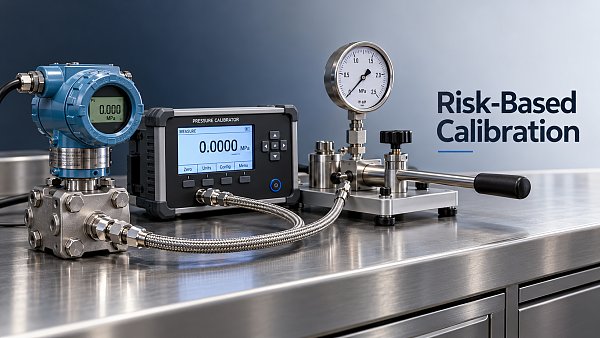
 How to set industrial calibration intervals based on equipment riskSet industrial calibration intervals based on equipment risk, drift, and as-found data. Learn when to shorten or extend schedules to improve reliability and avoid unnecessary costs.
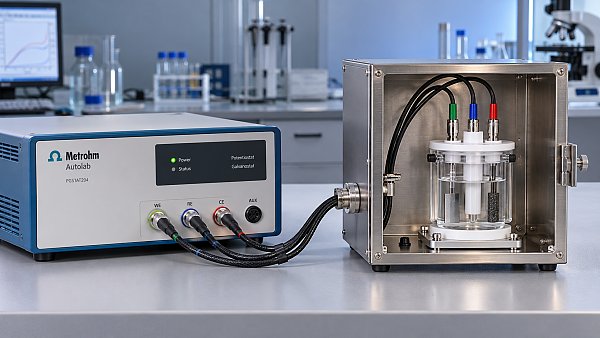
 How to choose electrochemical analyzers for low-current measurementsCompare electrochemical analyzers for precise low-current measurements. Learn how noise, leakage, bandwidth, and real-cell testing help you choose the right instrument.
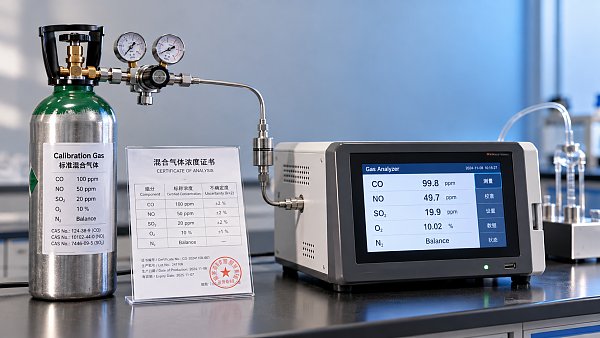
 What tolerance does a custom gas mixture need for calibration?Choose the right custom gas tolerance for calibration. Learn how blending tolerance, certified uncertainty, and stability affect accuracy—and avoid paying for precision you don’t need.
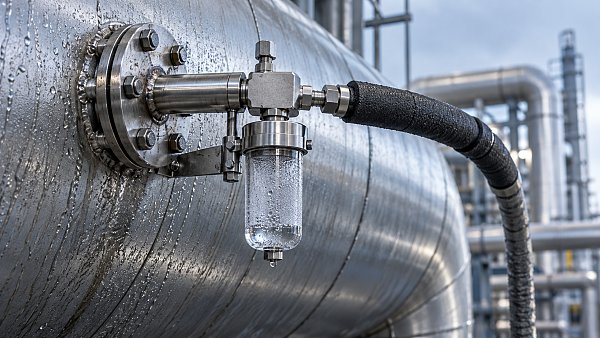
 How condensation affects stack detector readings in wet flue gasStack detector readings can drift when wet flue gas condenses. Learn how to identify moisture interference, prevent sample losses, and improve emissions monitoring reliability.
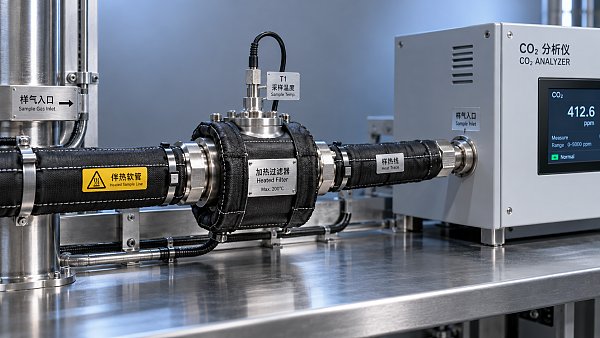
 How to prevent condensation in a CO2 analyzer sampling systemPrevent condensation in your CO2 analyzer sampling system. Learn how to control dew point, eliminate cold spots, and manage moisture for reliable readings and fewer costly disruptions.
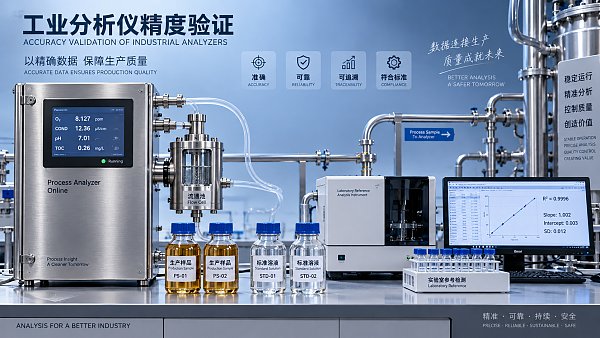
 How to verify accuracy claims for industrial quality analyzersVerify accuracy claims for industrial quality analyzers with calibration checks, independent testing, and clear acceptance criteria. Learn how to reduce risk and buy with confidence.
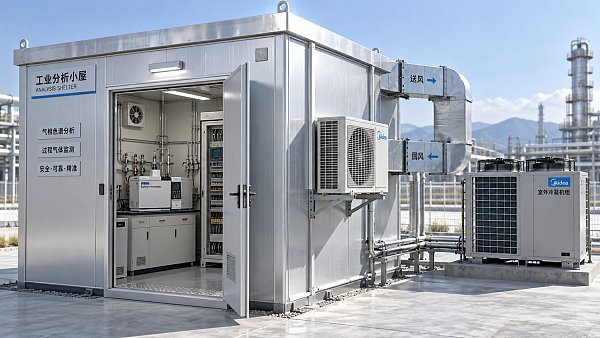
 How to calculate cooling loads for an industrial analyzer shelterSize industrial analyzer shelter cooling with confidence. Learn to calculate equipment heat, solar gains, and ventilation loads, then select HVAC capacity for reliable analyzer performance.
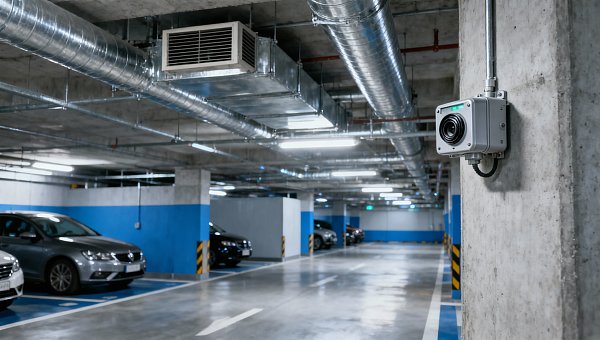
 Where to Place CO Analyzers for Effective Parking Garage VentilationOptimize your CO analyzer for parking garage ventilation with practical placement tips. Learn how sensor height, airflow, and zone coverage support timely detection and effective fan control.
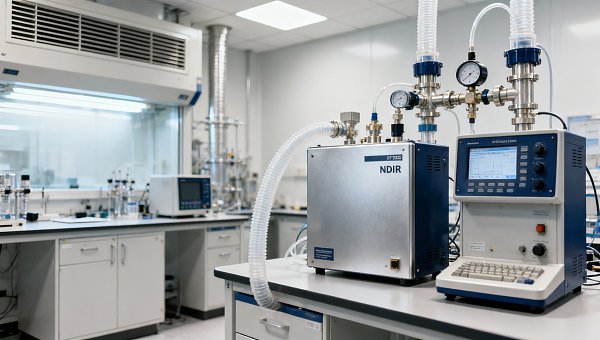
 NDIR vs. FTIR Gas Analyzers: Which Fits Your Environmental Research?Find the right infrared gas analyzer for environmental research. Compare NDIR vs. FTIR on sensitivity, gas coverage, sampling needs, and cost to choose confidently for your study.
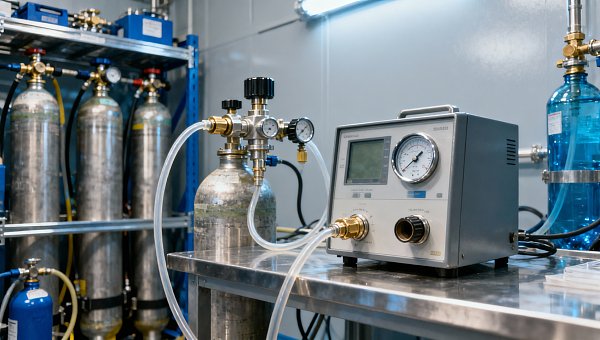
 Oxygen Analyzers for Diving: Calibration Checks Before Nitrox BlendingUsing an oxygen analyzer for diving applications? Discover essential calibration, sensor, and sampling checks before nitrox blending to support reliable readings.
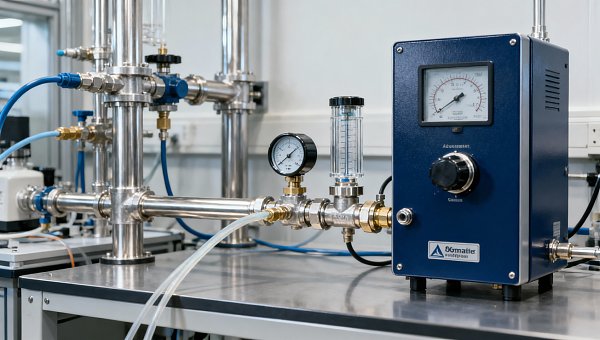
 How Paramagnetic Oxygen Analyzers Work and Why Sample Pressure MattersLearn how a paramagnetic oxygen analyzer works, why sample pressure affects accuracy, and what to check in compensation and calibration before choosing your system.
 How Much Does a Complete CEMS Integration Project Typically Cost?How much does a complete CEMS integration project typically cost? Explore budget ranges, hidden installation costs, and compliance needs to compare quotes and plan confidently.
 What Is the Typical Response Time for Industrial Air Monitors?What is the typical response time for industrial air monitors? Explore T90, sampling delays, and alarm settings to compare performance and choose the right monitor with confidence.
 Do Regulatory Monitoring Systems Need Third-Party Certification?Do regulatory monitoring systems need third-party certification? Learn when it is required, what certificates prove, and how to verify compliance before buying.
 How Do You Choose Wired or Wireless for Stack Monitoring?Learn how to choose between wired and wireless for stack monitoring. Compare reliability, lifecycle costs, and data recovery to find the right CEMS setup for your site.
 What Happens When Combustible Gas Sensor Calibration Is Overdue?What happens if combustible gas sensor is not recalibrated on time? Discover the risks of inaccurate readings and missed alarms, plus steps to restore reliable protection.
 Can One Multi-Gas Detector Replace Four Separate Analyzers?Find out: can a single multi-gas detector replace four separate analyzers? Compare accuracy, safety, compliance, and lifetime costs to make a confident buying decision.
 Industrial Safety vs. Emission Monitoring: What Are the Differences?What are the main differences between industrial safety and emission monitoring? Compare goals, sensors, response times, and compliance needs to choose the right systems for your facility.
 Is Remote Monitoring Worth the Cost for Small Emission Sources?Is it worth investing in remote monitoring for small emission sources? Compare costs, compliance needs, and potential savings to choose the right solution for your operation.
 How Do You Handle Analyzer Failure During an Environmental Audit?Learn how to handle analyzer failure during environmental compliance audit procedures. Protect evidence, verify data, and restore monitoring with this practical response guide.
 Do VOC Monitors Require Explosion-Proof Certification?Does VOC monitoring require explosion-proof certification? Learn when approval is needed, compare ATEX and IECEx, and choose the right monitor for your site.
 How sample conditioning affects accuracy in petrochemical analyzersImprove accuracy in petrochemical analyzers with smarter sample conditioning. Discover how phase control, filtration, and transport design prevent bias and deliver reliable process data.
 How to troubleshoot sensor drift in industrial gas detectorsIndustrial gas detectors showing sensor drift? Learn how to verify calibration gas, identify root causes, and determine when sensor replacement is needed for reliable monitoring.
 How to judge whether a competitive price reflects real valueCompetitive Price: learn how to compare scope, compliance, performance, and lifecycle costs to identify real value, reduce risk, and make smarter purchasing decisions.
 When custom gas analysis is the right fit for complex process streamsCustom gas analysis for complex process streams: learn when tailored sampling, interference control, and reliable measurement design deliver confident decisions.
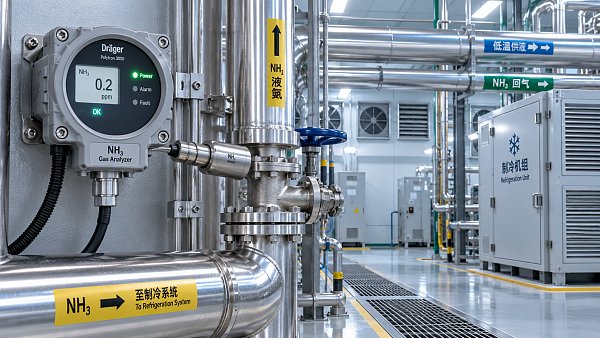
 When does a laser gas analyzer meet stack emissions monitoring needs?Laser gas analyzer for stack emissions: learn when it delivers fast, reliable data, how to assess installation risks, and what to verify for CEMS compliance.
 How to select a hazardous gas analyzer for confined spacesHazardous gas analyzer selection for confined spaces: compare sensors, sampling, certifications, alarms, and maintenance to protect workers and choose with confidence.
 When is a single gas analyzer sufficient for workplace safety monitoring?Discover when a single gas analyzer delivers reliable workplace safety monitoring, and learn the key limits, calibration needs, and risks that require broader detection.
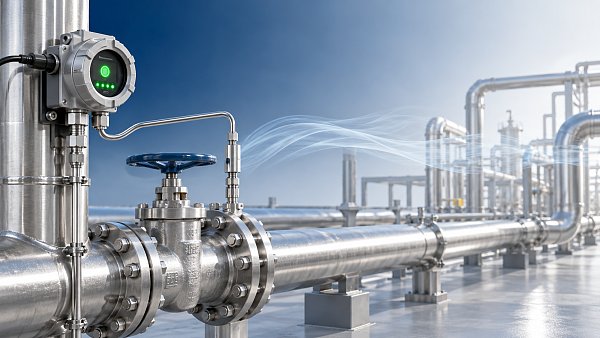
 How to choose an ambient gas analyzer for low-level leak detectionAmbient gas analyzer selection for low-level leak detection: compare sensitivity, cross-sensitivity, sampling design, alarms, and calibration for reliable site performance.
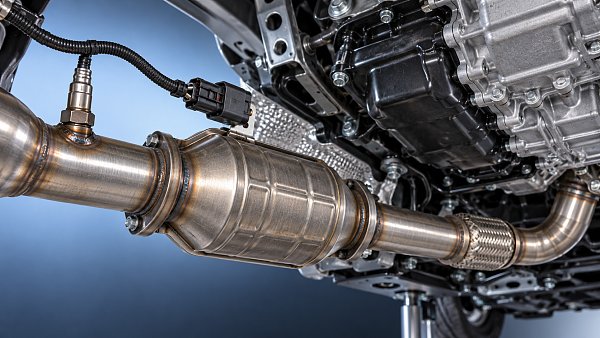
 How to tell when an oxygen sensor needs replacementOxygen sensor replacement signs explained: learn how live data, fault codes, wiring checks, and exhaust inspections pinpoint the real issue before you buy.
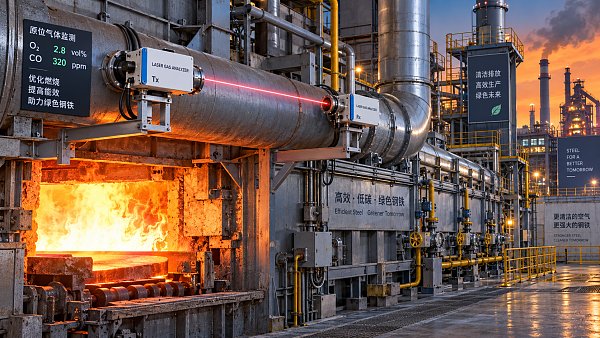
 How laser gas analyzers improve combustion control in steel furnacesLaser gas analyzer for steel industry applications delivers fast in-situ O₂ and CO data to optimize furnace combustion, cut fuel waste, and improve steel heating stability.
 How to verify whether explosion proof equipment meets site requirementsExplosion proof equipment verification made practical: match zones, gas or dust groups, temperature classes, certificates, and installation conditions for confident compliance.
Search Categories
Search Categories
- Smart Meters & Power Quality
- Transformer Gas Analyzers
- BESS Thermal Runaway Detectors
- Energy, Power & Smart Grid Monitoring
- Optical Profilers & CMM
- Ultrasonic & X-Ray NDT
- Calibration Standards
- Precision Metrology & NDT
- Water Quality Analyzers
- CEMS & VOCs Monitors
- Price Trends
- Import & Export Updates
- Market Trends
- Industry News
- Industry Insights
Latest Article
- How to set industrial calibration intervals based on equipment riskSet industrial calibration intervals based on equipment risk, drift, and as-found data. Learn when to shorten or extend schedules to improve reliability and avoid unnecessary costs.Posted by:
- How to choose electrochemical analyzers for low-current measurementsCompare electrochemical analyzers for precise low-current measurements. Learn how noise, leakage, bandwidth, and real-cell testing help you choose the right instrument.Posted by:
- What tolerance does a custom gas mixture need for calibration?Choose the right custom gas tolerance for calibration. Learn how blending tolerance, certified uncertainty, and stability affect accuracy—and avoid paying for precision you don’t need.Posted by:
Please give us a message
