C10H20O Concentration Analyzer Applications Expanding in Specialty Chemicals


As specialty chemicals demand tighter quality control and safer production, the C10H20O concentration analyzer is gaining importance across formulation, blending, and process monitoring. For researchers and industry buyers, understanding its expanding applications reveals how advanced instrumentation improves accuracy, efficiency, and compliance in increasingly complex chemical operations.
For most information seekers, the central question is not simply what a C10H20O concentration analyzer is, but where it creates practical value and how to judge whether it fits a real chemical process. In specialty chemicals, concentration errors can affect product performance, batch consistency, solvent recovery, regulatory reporting, and plant safety. That is why analyzers designed to track specific organic compounds or process concentrations are becoming more relevant in both laboratory and online environments.
The short answer is that the expanding use of a C10H20O concentration analyzer is driven by three factors: more demanding formulations, stricter quality expectations, and the need for faster process decisions. Whether the monitored substance is a target solvent, intermediate, additive, or blend component with the molecular formula C10H20O, the analyzer’s value lies in converting uncertain concentration estimates into reliable, actionable measurements.
Why Specialty Chemical Producers Are Paying More Attention to Concentration Analysis
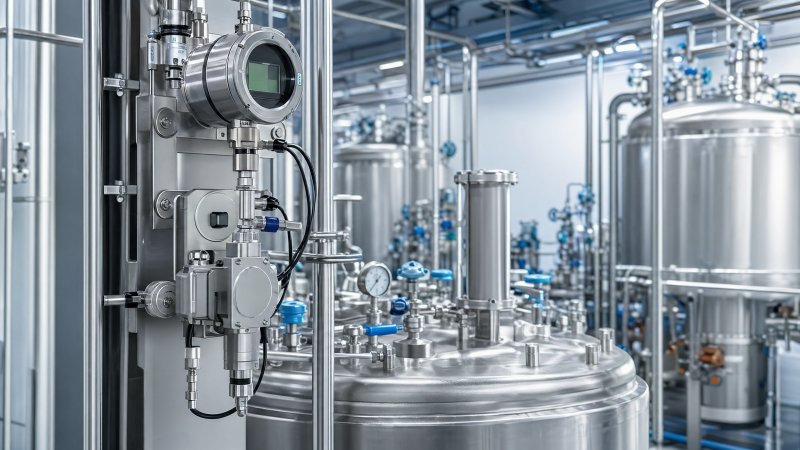
Specialty chemicals differ from commodity chemicals because performance often depends on precise composition rather than sheer volume. Products such as coatings additives, fragrance ingredients, resin modifiers, electronic chemicals, and process auxiliaries are commonly sold on consistency, purity, and functional behavior. In these environments, even small deviations in concentration can produce visible effects in downstream applications.
Traditional quality assurance methods often rely on periodic lab sampling. While laboratory testing remains essential, it may not be fast enough for dynamic production steps such as blending, dilution, solvent exchange, or reaction endpoint control. A C10H20O concentration analyzer can help fill this gap by offering near-real-time or continuous visibility into concentration levels, allowing operators and process engineers to respond before off-spec material accumulates.
Another reason for increased attention is the rise of integrated manufacturing systems. Plants are under pressure to improve yield, reduce waste, save energy, and document compliance. Concentration analyzers support these goals by feeding process data into control systems, historian platforms, and quality records. This makes them useful not only for operators but also for quality teams, maintenance planners, and plant managers who need evidence-based process control.
What a C10H20O Concentration Analyzer Actually Helps You Measure
A C10H20O concentration analyzer is generally used to determine the amount of a compound with the molecular formula C10H20O within a process stream, formulation, or sample matrix. Depending on the application, this may involve measuring concentration in a solvent mixture, monitoring a purified product stream, checking residual levels in an intermediate stage, or confirming composition during storage and transfer.
The exact measurement principle can vary. In practice, concentration analysis may be based on spectroscopy, chromatography-linked systems, density-related methods, refractive index, infrared absorption, or other analytical technologies depending on the chemical’s physical properties and the process environment. For buyers and researchers, this point matters because “analyzer” is not one universal device type. The right solution depends on matrix complexity, required accuracy, speed, and installation conditions.
This is especially important in specialty chemicals, where the same target compound may appear in different contexts. In one plant, it may be a valuable active ingredient that must stay within a narrow formulation range. In another, it may be a residual solvent or by-product that must be reduced below a threshold. The application objective changes the analyzer requirements, including sensitivity, selectivity, calibration strategy, and maintenance expectations.
Where Applications Are Expanding Across Specialty Chemical Operations
One of the clearest growth areas is formulation control. Specialty chemical producers frequently work with multi-component recipes where a specific organic compound contributes solvency, reactivity, odor profile, viscosity behavior, or final product functionality. A C10H20O concentration analyzer can verify whether the target material has reached its intended loading level during blending, reducing reliance on delayed lab confirmation.
Another expanding application is reaction and intermediate monitoring. During synthesis or modification steps, concentration data can indicate conversion progress, feed imbalance, or endpoint approach. This is particularly useful when overreaction, incomplete consumption, or excess residuals would create downstream purification costs. In these cases, concentration analysis supports better process timing and more stable quality outcomes.
Solvent management is also driving demand. Specialty chemical plants increasingly focus on solvent recovery, reuse, and emissions control. If a C10H20O compound functions as a solvent or co-solvent, an analyzer can help track its concentration in recycle loops, waste streams, or distillation sections. Better visibility can support both economic and environmental goals by improving recovery efficiency and reducing unnecessary disposal or fresh solvent consumption.
Storage and transfer verification is another practical use case. Materials may degrade, stratify, or become contaminated during holding and movement between tanks. Online or at-line concentration analysis helps confirm that the transferred stream matches expected specification before it enters a high-value production stage. This can be particularly valuable for toll manufacturers and contract processors handling multiple product families.
What Researchers and Buyers Should Look for When Evaluating Solutions
For an information-driven reader, the most important evaluation question is not “Which analyzer sounds advanced?” but “Which analyzer can deliver reliable concentration data under my actual process conditions?” A strong evaluation starts with the sample matrix. Is the C10H20O compound in a clean stream or a complex mixture? Are there interfering organics, suspended solids, temperature fluctuations, or color variations that might affect measurement accuracy?
Measurement range and accuracy should be matched to the decision being made. If the analyzer is used for rough blend confirmation, the acceptable error band may differ from an application used for release testing or reaction control. Researchers and buyers should define what concentration window matters, how quickly the reading is needed, and what consequences follow from a false high or false low result.
Response time is often underestimated. In continuous or semi-batch processes, delayed readings can reduce the value of otherwise accurate measurements. An analyzer that updates quickly enough to support control action may outperform a slower but slightly more precise system if production decisions depend on timing. The right balance depends on whether the user needs process optimization, quality documentation, safety monitoring, or all three.
Maintenance burden is equally important. Specialty chemical streams can foul sensors, coat optical windows, or challenge sampling systems. Buyers should ask about calibration frequency, cleaning requirements, drift behavior, spare parts availability, and expected uptime. In many cases, the sampling and conditioning arrangement is just as critical as the analyzer core itself, especially for viscous, reactive, or hazardous media.
Business Value: Why These Instruments Matter Beyond the Lab
The expanding role of the C10H20O concentration analyzer is closely tied to measurable business value. One major benefit is reduced batch variability. When concentration is verified during the process rather than only after completion, operators can correct deviations earlier. This reduces rework, cuts scrap, and lowers the chance of shipping material that misses functional performance targets.
Another clear advantage is faster decision-making. Specialty chemical production often involves small lots, frequent product changes, and demanding customers. Waiting hours for off-line confirmation can delay release, occupy tanks, and limit throughput. Online or at-line concentration analysis supports quicker adjustments and can improve equipment utilization without sacrificing quality confidence.
Safety and compliance benefits also matter. If the monitored C10H20O compound is flammable, volatile, regulated, or associated with worker exposure concerns, concentration data can support safer handling and better process discipline. In regulated environments, documented concentration monitoring can also strengthen traceability and support internal quality systems or customer audits.
Finally, the instrument contributes to digitalization. Modern analyzers can integrate with control platforms, quality systems, and predictive maintenance workflows. This makes them useful not just as standalone tools but as part of a broader strategy for smarter manufacturing. For organizations pursuing Industry 4.0 goals, concentration data can become a valuable operational signal rather than a disconnected lab result.
Common Concerns Before Adoption—and How to Think About Them
A common concern is whether a dedicated concentration analyzer is justified for a single compound. This depends on process criticality. If the C10H20O component has a direct effect on product value, safety, or yield, even one reliable measurement point can create meaningful returns. On the other hand, if concentration rarely changes or can be controlled adequately by mass balance alone, the case may be weaker.
Another concern is method robustness in complex specialty chemical matrices. This is a valid issue. Interference from similar compounds, changing background composition, or unstable process conditions can affect analyzer performance if the method is poorly matched to the application. That is why feasibility testing, calibration development, and representative sample validation are essential before full deployment.
Some buyers also worry about integration effort. Installing an analyzer may require sample conditioning, hazardous-area compliance, software communication, and operator training. These are real project considerations, but they should be weighed against the hidden costs of poor concentration visibility, including wasted materials, delayed troubleshooting, and inconsistent product performance.
How to Judge Whether the Application Is a Good Fit
If you are researching potential use cases, start by identifying where concentration uncertainty causes the most operational pain. This may be a blending step with frequent adjustments, a reaction stage with variable endpoint timing, a solvent recovery loop with economic loss, or a release process delayed by lab turnaround. The best application is usually the one where better concentration data changes an important decision in time to matter.
Next, define the measurement objective in practical terms. Do you need continuous control, periodic verification, alarm-based monitoring, or quality documentation? The answer influences the analyzer type, installation format, and budget range. It also clarifies whether an online, at-line, or laboratory-centered solution is most appropriate.
Then review process realities. Consider temperature, pressure, stream cleanliness, corrosiveness, viscosity, and maintenance access. A theoretically capable analyzer may still perform poorly if the installation environment is harsh or the sample is not representative. In specialty chemicals, application engineering often determines success more than the instrument brochure does.
Finally, ask for evidence. Strong suppliers should be able to discuss comparable use cases, expected performance limits, calibration needs, and lifecycle support. For buyers, the goal is not only to purchase an analyzer but to secure a dependable measurement strategy that remains useful as formulations, throughput, and compliance demands evolve.
Conclusion: Expanding Applications Reflect a Broader Shift Toward Smarter Process Control
The rise of the C10H20O concentration analyzer in specialty chemicals is part of a broader move toward precision, traceability, and faster process intelligence. These instruments are no longer relevant only for narrow analytical tasks. They are increasingly used to improve formulation control, support reaction monitoring, optimize solvent management, and protect product consistency in operations where small concentration changes can have large commercial consequences.
For information researchers and prospective buyers, the key takeaway is that value depends on application fit. The best analyzer is not simply the most advanced model, but the one that can generate dependable concentration data under real operating conditions and support a clear business or technical decision. When evaluated this way, a C10H20O concentration analyzer becomes more than a measurement device—it becomes a practical tool for quality assurance, efficiency improvement, and safer specialty chemical production.
As specialty chemical processes continue to become more customized and data-driven, concentration analysis will likely move closer to the center of routine operations. Organizations that understand the use cases, limitations, and selection criteria early will be better positioned to invest wisely and gain lasting process advantages.
Recommended for You
 How to choose a reliable gas analyzer for low concentrationsChoose a reliable gas analyzer for low concentrations. Compare technologies, sampling, calibration and supplier evidence to make a confident purchase.
 How does cross-sensitivity affect multi gas analysis accuracy?Discover how cross-sensitivity affects multi gas analysis accuracy, and learn how to identify interference, validate compensation, and improve measurement reliability.
 How to choose metrics for sustainable monitoringSustainable Monitoring starts with metrics that drive action. Learn how to define boundaries, assess data quality, and track meaningful improvements.
 How to verify a trusted manufacturer's production capacityTrusted Manufacturer capacity claims need proof. Learn how to verify production plans, bottlenecks, quality records and supply risks before you place an order.
 How to choose an emission controller for an industrial boilerChoose the right emission controller for your industrial boiler. Compare technologies, operating conditions, compliance needs, and costs.
 How to choose composition analyzers for low-concentration measurementsChoose composition analyzers with confidence. Discover how quantification limits, sample handling and matrix effects shape reliable low-concentration measurements.
 How does online analysis compare with laboratory testing for water quality monitoring?Online analysis vs. laboratory testing: compare speed, accuracy, costs, and compliance to find the right water quality monitoring strategy.
 How to choose the right detection range for a custom gas analyzerChoose the right custom gas analyzer detection range with practical guidance on accuracy, exposure limits, calibration, and supplier evaluation.
 How does multi component monitoring detect gases in stack emissions?Discover how multi component monitoring detects stack gases, manages interference and supports reliable emissions reporting. Explore key CEMS selection factors.
 How bright should an industrial monitor be for outdoor use?Choosing an outdoor industrial monitor? Learn why 1,000 nits is a starting point and how glare, contrast, and heat affect sunlight readability.
 How does water vapor affect infrared gas analyzers?Infrared gas analyzers can be affected by humidity, condensation and spectral interference. Learn how to protect sample integrity and achieve reliable results.
 How to reduce customer support response timesReduce Customer Support response times with actionable tips for reporting equipment faults, choosing the right channel, and getting expert help faster.
 How to choose a low range analyzer for trace-level measurementsChoose the right low range analyzer for trace-level measurements. Compare detection limits, sampling, calibration and support to make a confident decision.
 How to choose combustible gas detectors for a specific gasChoose combustible gas detectors with confidence. Compare sensor technologies, gas response, calibration, placement, and certification for your application.
 How to choose an air quality analyzer for the pollutants you need to measureChoose an air quality analyzer with confidence. Compare pollutant measurement methods, sampling, accuracy and calibration to find the right fit for your needs.
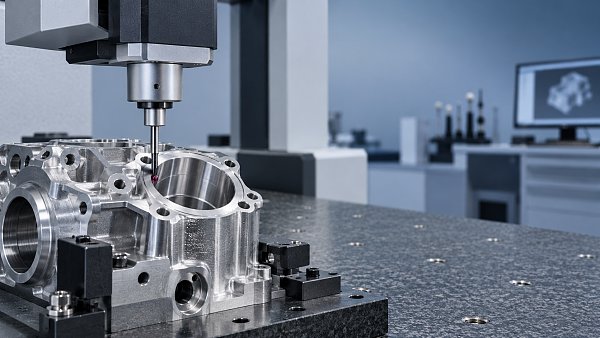
 How to choose industrial metrology tools for tight tolerancesChoose industrial metrology tools for tight tolerances with confidence. Compare uncertainty, calibration, tool types, and costs to reduce inspection risk.
 How moisture affects fixed analyzer accuracy in stack gas monitoringImprove fixed analyzer accuracy in stack gas monitoring. Discover how moisture causes dilution, interference, and sample loss—and learn practical ways to protect emissions data.
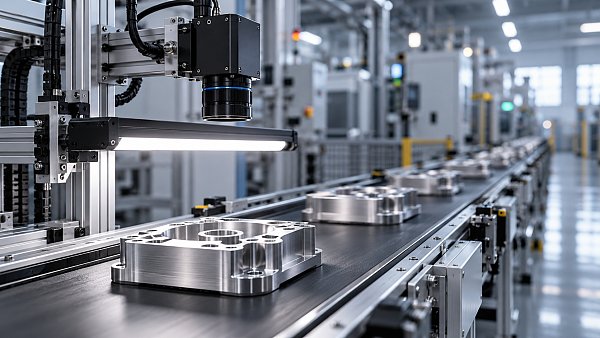
 How does production line speed affect in-line measurement accuracy?Discover how production line speed affects in-line measurement accuracy. Explore sensor response, sampling, and timing to boost throughput without compromising quality.
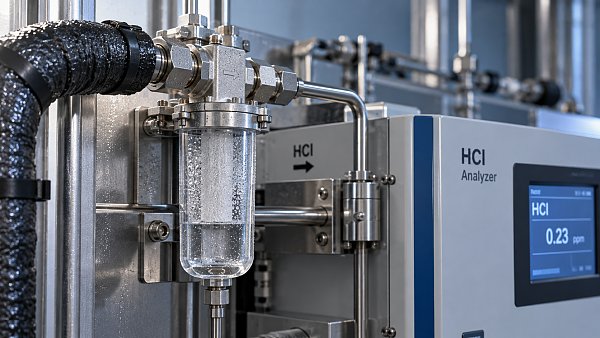
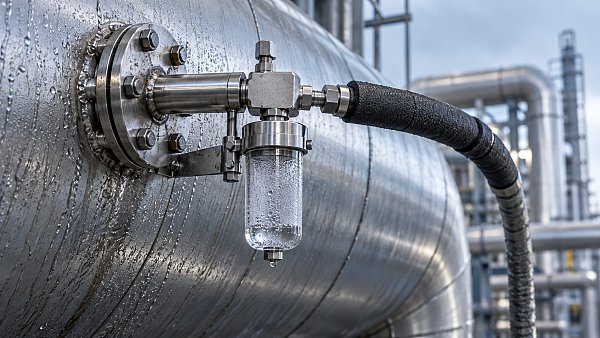
 How condensation affects HCl concentration analyzer accuracyHCl concentration analyzer accuracy can suffer when condensation traps HCl. Learn how to spot sampling losses, prevent low readings, and improve measurement reliability.
 How does cross-interference affect multi-component gas analyzers?How does cross-interference affect multi component gas analyzers? Explore measurement errors, compensation limits, and validation tips to choose the right system for your process.
 How does temperature affect high-accuracy sensor performance?Explore how temperature affects high accuracy sensor performance. Learn to reduce thermal drift, evaluate compensation, and select the right sensor for reliable measurements.
 Can a C4H8O concentration analyzer distinguish between isomers?Can a C4H8O concentration analyzer distinguish isomers? Compare GC, FTIR and MS methods, uncover selectivity limits, and learn what to validate before choosing your instrument.
 How to identify a reliable supplier using on-time delivery recordsIdentify a Reliable Supplier by verifying on-time delivery records, original commitments, and complete shipments. Learn practical checks to reduce purchasing risk and protect your project schedule.
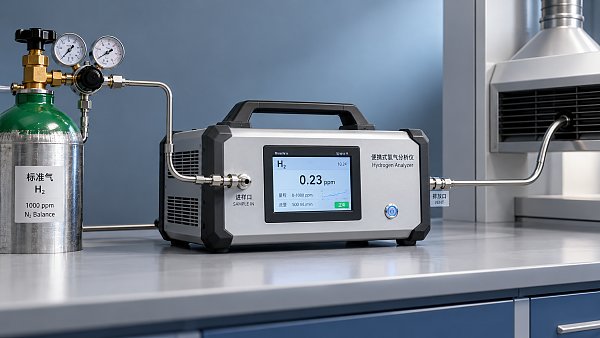
 How sensitive should a portable hydrogen analyzer be for lab use?Choose a portable hydrogen analyzer for laboratory use with the right quantification limit, accuracy, and range. Learn how to verify performance and avoid costly buying mistakes.
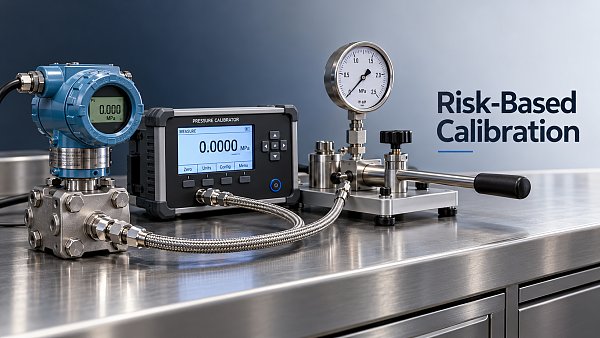
 How to set industrial calibration intervals based on equipment riskSet industrial calibration intervals based on equipment risk, drift, and as-found data. Learn when to shorten or extend schedules to improve reliability and avoid unnecessary costs.
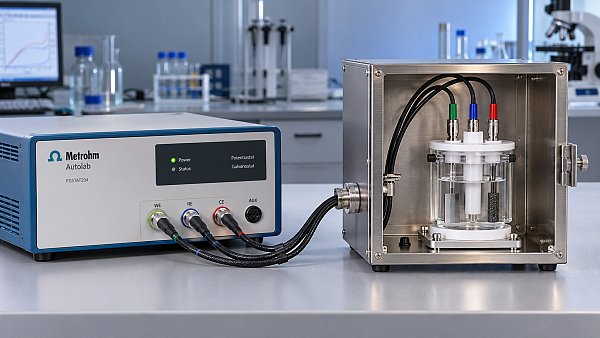
 How to choose electrochemical analyzers for low-current measurementsCompare electrochemical analyzers for precise low-current measurements. Learn how noise, leakage, bandwidth, and real-cell testing help you choose the right instrument.
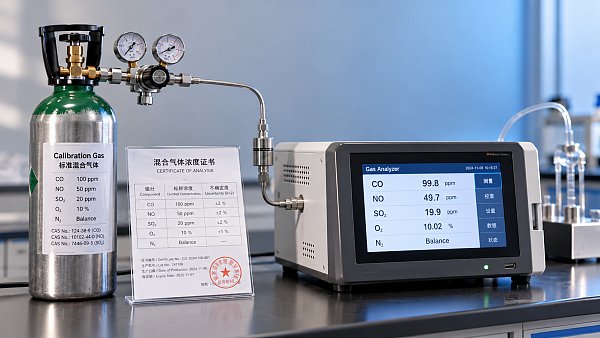
 What tolerance does a custom gas mixture need for calibration?Choose the right custom gas tolerance for calibration. Learn how blending tolerance, certified uncertainty, and stability affect accuracy—and avoid paying for precision you don’t need.
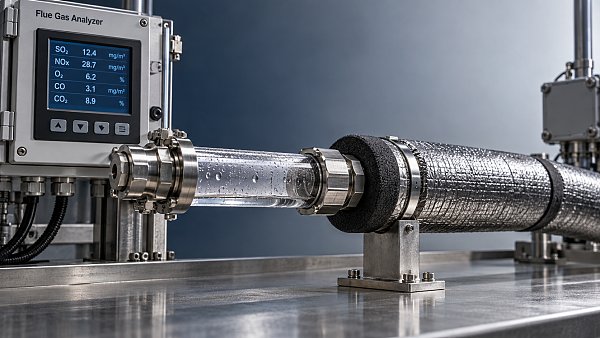
 How condensation affects stack detector readings in wet flue gasStack detector readings can drift when wet flue gas condenses. Learn how to identify moisture interference, prevent sample losses, and improve emissions monitoring reliability.
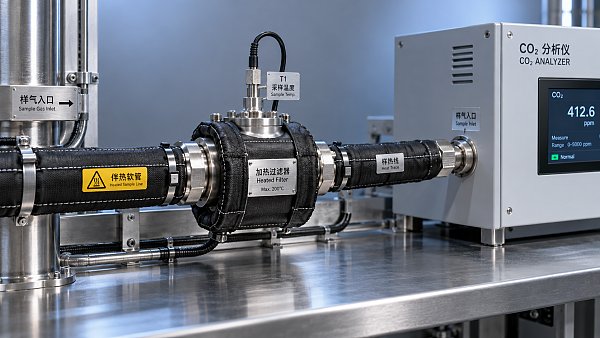
 How to prevent condensation in a CO2 analyzer sampling systemPrevent condensation in your CO2 analyzer sampling system. Learn how to control dew point, eliminate cold spots, and manage moisture for reliable readings and fewer costly disruptions.
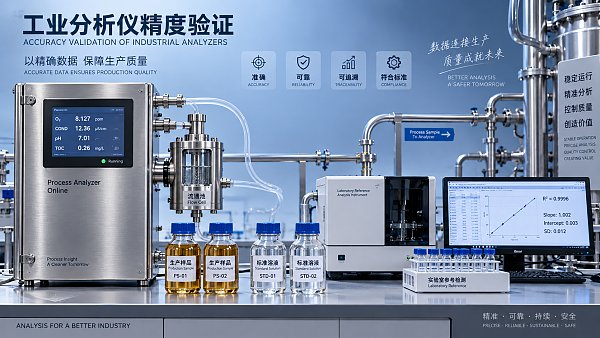
 How to verify accuracy claims for industrial quality analyzersVerify accuracy claims for industrial quality analyzers with calibration checks, independent testing, and clear acceptance criteria. Learn how to reduce risk and buy with confidence.
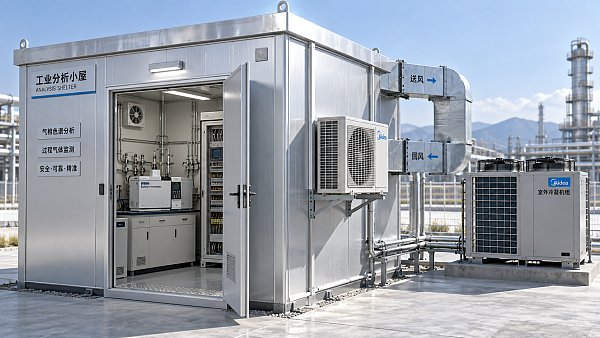
 How to calculate cooling loads for an industrial analyzer shelterSize industrial analyzer shelter cooling with confidence. Learn to calculate equipment heat, solar gains, and ventilation loads, then select HVAC capacity for reliable analyzer performance.
 Hydrogen Analyzers for Energy Storage: Purity Monitoring vs. Leak DetectionChoosing a hydrogen analyzer for energy storage systems? Compare purity monitoring and leak detection to select the right sensors, improve safety, and protect fuel cell performance.
Search Categories
Search Categories
- Smart Meters & Power Quality
- Transformer Gas Analyzers
- BESS Thermal Runaway Detectors
- Energy, Power & Smart Grid Monitoring
- Optical Profilers & CMM
- Ultrasonic & X-Ray NDT
- Calibration Standards
- Precision Metrology & NDT
- Water Quality Analyzers
- CEMS & VOCs Monitors
- Price Trends
- Import & Export Updates
- Market Trends
- Industry News
- Industry Insights
Latest Article
- How to choose a reliable gas analyzer for low concentrationsChoose a reliable gas analyzer for low concentrations. Compare technologies, sampling, calibration and supplier evidence to make a confident purchase.Posted by:
- How does cross-sensitivity affect multi gas analysis accuracy?Discover how cross-sensitivity affects multi gas analysis accuracy, and learn how to identify interference, validate compensation, and improve measurement reliability.Posted by:
- How to choose metrics for sustainable monitoringSustainable Monitoring starts with metrics that drive action. Learn how to define boundaries, assess data quality, and track meaningful improvements.Posted by:
Please give us a message