How oxygen analysis helps prevent incomplete combustion
Incomplete combustion can increase fuel costs, reduce process efficiency, and create serious safety and emissions risks. Oxygen analysis gives operators real-time visibility into combustion conditions, helping them balance air-to-fuel ratios, detect excess oxygen or oxygen deficiency, and maintain stable burner performance.
For operators, the practical question is simple: is the burner receiving enough air to burn fuel completely, without wasting energy by heating unnecessary excess air?
Reliable oxygen analysis answers that question continuously. It turns stack or flue-gas oxygen into a usable process signal for manual adjustment, combustion control, troubleshooting, and maintenance planning.
The goal is not always the lowest possible oxygen reading. The correct target depends on fuel type, burner design, furnace load, draft conditions, temperature, and safety margins.
When oxygen falls too low, unburned fuel, carbon monoxide, soot, smoke, and potentially explosive combustibles can rise. When oxygen is too high, heat leaves with excess flue gas.
Operators therefore need to understand both the number on the analyzer and the operating context behind it. A stable reading alone does not prove combustion is efficient.
This guide explains how oxygen analysis prevents incomplete combustion, what readings may indicate trouble, where measurements should be installed, and how operators can act on results.
Why Incomplete Combustion Develops in Real Operations
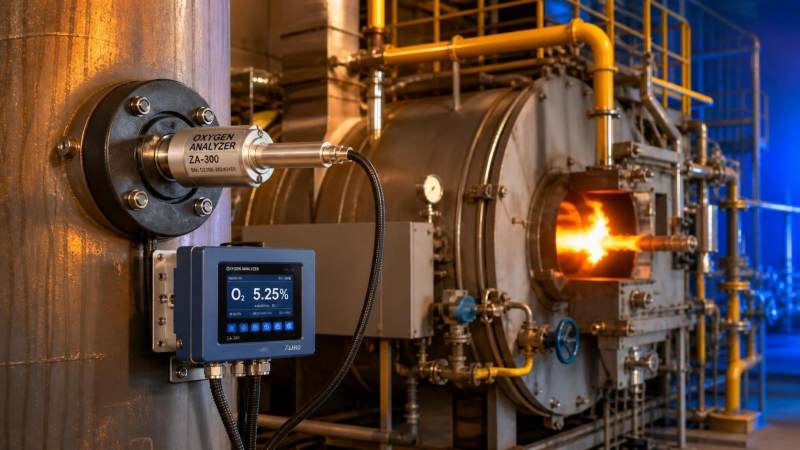
Incomplete combustion occurs when fuel does not receive sufficient usable oxygen, residence time, temperature, or mixing quality to complete its intended chemical reaction.
In an ideal combustion process, carbon in the fuel converts primarily to carbon dioxide, while hydrogen converts to water vapor and releases usable heat.
In practice, burner systems operate under changing loads, fuel quality variations, pressure changes, air leakage, fouled components, and shifting furnace draft conditions.
These disturbances can reduce the available combustion air or prevent fuel and air from mixing properly. Oxygen analysis provides an early warning before performance deteriorates further.
A low oxygen concentration in flue gas can indicate that the system is operating near an oxygen-deficient condition. This may be intentional only within carefully controlled limits.
If the oxygen level drops below the safe operating target, carbon monoxide can rise rapidly. In severe cases, unburned hydrocarbons may accumulate in furnaces, ducts, or stacks.
Conversely, a high oxygen reading is often associated with excess air. This usually reduces combustion efficiency because extra air absorbs heat and exits through the stack.
However, high measured oxygen does not always mean the burner has too much combustion air. Air leaks downstream of the flame can dilute flue gas and mislead operators.
That distinction matters. Adjusting the burner solely from a falsely elevated oxygen reading may reduce combustion air and create an unsafe fuel-rich firing condition.
Effective oxygen analysis must therefore be paired with knowledge of measurement location, draft behavior, carbon monoxide trends, burner condition, and the process operating window.
How Oxygen Analysis Makes Combustion Conditions Visible
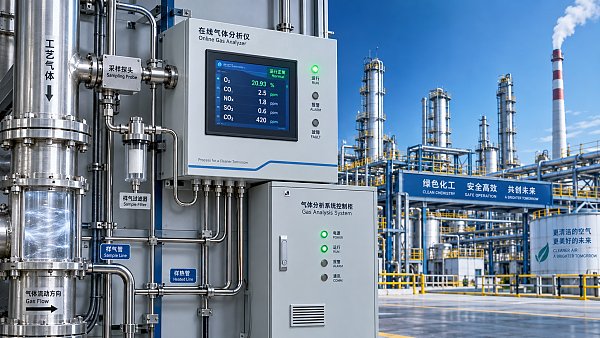
Oxygen analyzers measure the remaining oxygen in combustion exhaust. This residual oxygen represents the portion of supplied air that was not consumed during combustion.
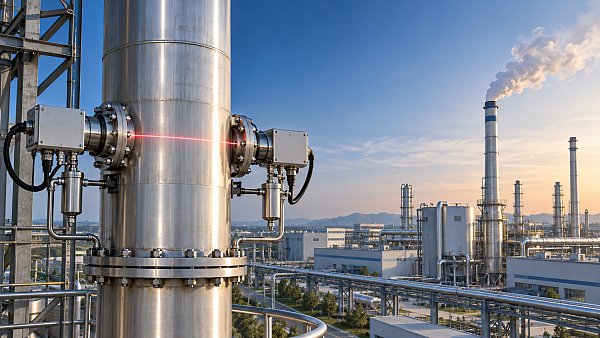
For most fired processes, residual oxygen is measured in the flue gas after combustion. The measurement can support local indication, alarming, historical trending, or automatic control.
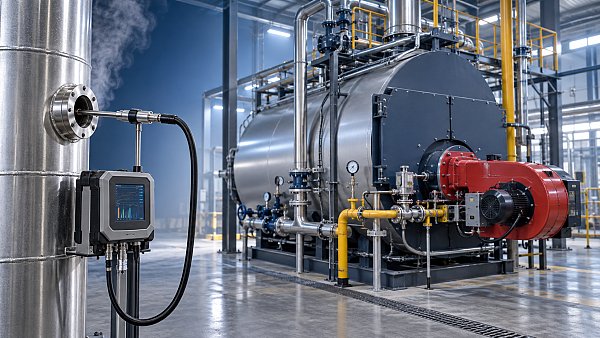
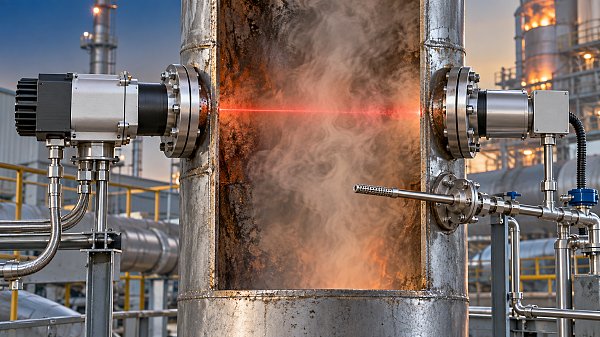
Zirconia oxygen analyzers are widely used for high-temperature combustion applications. They can provide fast response and direct measurement when installed in suitable flue-gas locations.
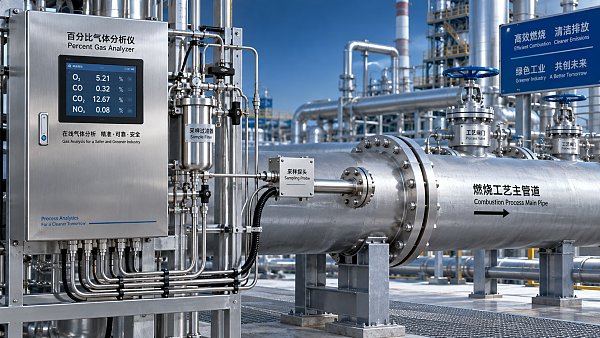
Paramagnetic analyzers are another option, particularly where extractive sampling systems are practical. Their suitability depends on gas conditioning requirements, contaminants, and response needs.
The analyzer alone does not prevent incomplete combustion. The value comes from linking the oxygen measurement to clear operator decisions and properly configured control strategies.
At a basic level, an operator can compare oxygen readings with approved targets for a particular boiler, furnace, kiln, heater, dryer, or thermal oxidizer.
In more advanced systems, oxygen feedback can trim combustion-air flow automatically. This reduces the delay and inconsistency associated with manual damper adjustments during load changes.
Some applications also use oxygen analysis with carbon monoxide measurement. This combination gives a more complete picture of excess air, fuel-rich operation, and combustion completeness.
Residual oxygen should be interpreted as a process indicator, not an isolated laboratory number. Meaningful targets require commissioning data, equipment documentation, and site-specific operating experience.
For example, a furnace firing natural gas may operate efficiently at a different oxygen range than equipment burning coal, biomass, fuel oil, refinery gas, or mixed fuels.
What Operators Should Look for During a Shift
The most useful oxygen analysis practice is trend-based monitoring. Operators should watch how oxygen changes with load, fuel flow, combustion-air demand, and furnace draft.
A sudden oxygen decrease at constant load can indicate reduced air supply, a sticking damper, fan problems, blocked air registers, or a change in fuel composition.
A gradual decline may point to fouling, burner wear, changing fan performance, clogged filters, or controls that are drifting away from their intended air-to-fuel relationship.
A sudden rise in oxygen can result from excess combustion air, lower fuel input, burner instability, increased draft, or air infiltration through doors, seals, and ductwork.
Operators should also compare oxygen behavior across multiple burners. A shared stack reading may conceal imbalance when one burner is fuel-rich and another operates with excess air.
Visual flame observations remain valuable when safe viewing ports are available. Flame shape, color, pulsation, noise, and impingement can reveal mixing or stability problems.
Yet visual inspection cannot replace oxygen analysis. A flame may appear stable while flue-gas oxygen, carbon monoxide, and stack losses indicate poor combustion performance.
Alarm limits should distinguish between normal operating variation and conditions needing intervention. Nuisance alarms encourage alarm bypassing and reduce trust in critical combustion instrumentation.
High and low oxygen alarms should have documented response actions. Operators need to know which adjustments are permitted and when to escalate to supervision or maintenance.
Trend records are especially useful after fuel switching, burner maintenance, fan repairs, refractory work, or changes to production rates. These events can alter combustion behavior significantly.
Using Oxygen Data to Balance Air and Fuel Safely
Combustion control aims to maintain enough excess air for complete, stable combustion while minimizing the thermal penalty caused by heating unneeded air to stack temperature.
Operators should never reduce air simply to achieve a lower oxygen reading. The correct approach is to work toward validated operating targets using approved adjustment procedures.
When oxygen is above target, first confirm whether the cause is genuine excess air. Check fuel rate, combustion-air flow, draft, damper position, and possible downstream leakage.
If oxygen is below target, verify analyzer health before changing controls. A plugged probe, damaged sensor, incorrect calibration, or sampling fault can produce misleading measurements.
Once measurement reliability is confirmed, inspect the air supply system. Fans, variable-speed drives, dampers, linkages, registers, filters, and control signals can all limit available air.
Fuel-side checks are equally important. A higher-than-expected fuel flow, pressure regulator issue, leaking valve, altered gas composition, or poor atomization can create fuel-rich conditions.
For liquid fuels, atomization quality has a major effect on combustion completeness. Poor droplet formation can leave unburned fuel even when total excess oxygen appears adequate.
For solid fuels, particle size, moisture, feed distribution, grate condition, and residence time may influence incomplete combustion. Oxygen analysis identifies a symptom, not every root cause.
Automatic oxygen trim systems can improve consistency, but operators must understand their authority limits. A trim loop should not override proven burner safety interlocks or combustion safeguards.
Cross-limited combustion control is often used on larger fired systems. It sequences fuel and air changes so the system avoids dangerous fuel-rich excursions during load movement.
Choosing a Measurement Location That Supports Good Decisions
Measurement location strongly influences whether oxygen analysis represents the combustion process accurately. A well-selected analyzer point should receive representative, adequately mixed flue gas.
Installing a probe too close to a burner can expose it to local stratification, flame effects, extreme temperatures, and high contaminant loading that reduce measurement reliability.
Installing too far downstream can introduce errors from air leakage, especially in older ductwork, economizers, dampers, expansion joints, inspection doors, and induced-draft sections.
For many systems, the preferred location is after combustion gases have mixed but before significant opportunities for ambient air infiltration occur. Site design determines the final choice.
Multi-burner systems may require more than one measurement point. Individual burner oxygen measurements can identify imbalance that a single common-stack analyzer cannot reveal.
Probe access should support inspection and replacement without exposing personnel to unnecessary heat, pressure, toxic gases, or confined-space hazards. Maintainability affects long-term data quality.
Process temperature, pressure, dust loading, corrosive gases, moisture, vibration, and electrical classification must all be considered when selecting analyzer technology and installation hardware.
In sulfur-bearing or particulate-heavy services, protective filters, suitable probe materials, purge arrangements, and planned maintenance intervals may be necessary to preserve analyzer response.
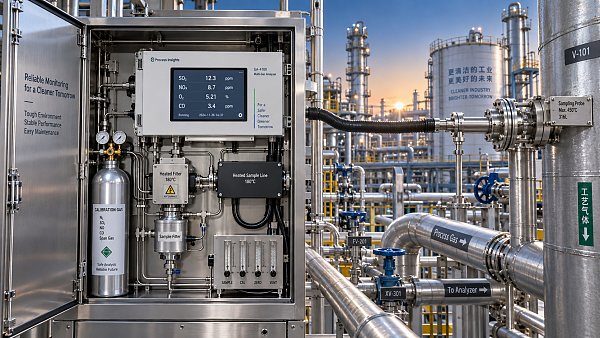
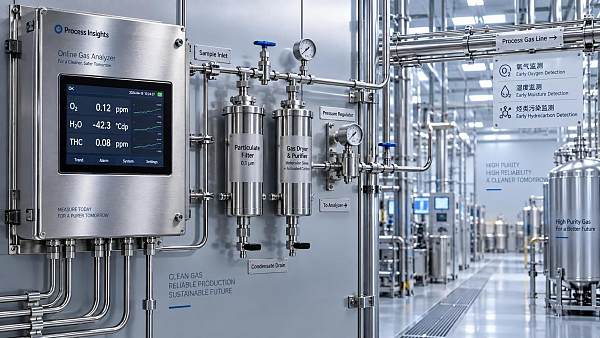
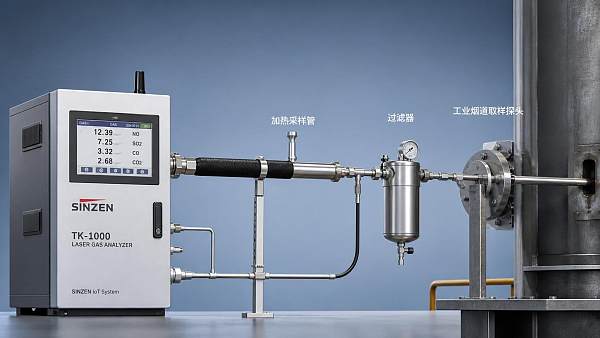
Sampling systems need particular attention. Leaks, condensation, plugged lines, damaged pumps, and poor calibration gas handling can affect extractive oxygen analyzer accuracy.
Before commissioning a new installation, compare analyzer readings against verified combustion tests. This creates a baseline and helps establish realistic operating targets and alarms.
Maintenance Practices That Keep Oxygen Analysis Trustworthy
Operators will only use oxygen data confidently when the analyzer remains dependable. Routine verification and preventive maintenance are essential parts of combustion management.
Follow the manufacturer’s recommended calibration and verification schedule, but adjust the frequency when process conditions are severe, readings are unstable, or fuel quality varies widely.
Calibration checks should use traceable reference gases where applicable. Records should document the as-found condition, adjustments made, analyzer response, and any recurring deviation patterns.
Probe inspection should look for ash buildup, soot, corrosion, cracked ceramics, damaged heaters, loose wiring, failed seals, and signs of thermal or mechanical stress.
Unexpectedly sluggish oxygen response can be as important as an incorrect reading. Slow response may delay corrective action during load changes or developing burner problems.
Analyzer diagnostics should be reviewed during routine rounds. Many modern instruments report sensor health, heater performance, calibration status, signal quality, and maintenance warnings.
Do not treat repeated analyzer faults as isolated instrumentation issues. Frequent contamination or failure can reveal a poor installation point or an underlying combustion process problem.
Maintenance teams and operators should share ownership of analyzer performance. Operators recognize abnormal process behavior, while technicians can verify whether the measurement itself remains valid.
Clear records make this collaboration easier. Trend screenshots, maintenance notes, calibration data, and control changes help identify whether a recurring issue is process-related or instrument-related.
A spare-parts strategy is also important for critical fired equipment. Delays in replacing probes, electronics, filters, or calibration supplies can leave operators without reliable combustion feedback.
When Oxygen Alone Is Not Enough
Oxygen analysis is a primary combustion measurement, but it is not a complete combustion assessment by itself. Important risks can remain hidden behind an apparently acceptable oxygen value.
Carbon monoxide measurement is often the most useful companion signal. Rising CO can indicate incomplete combustion even when residual oxygen remains within the expected operating range.
This situation can occur because of poor mixing, burner imbalance, short residence time, flame quenching, poor atomization, or localized fuel-rich zones within the furnace.
Stack temperature should also be considered. High oxygen combined with high stack temperature usually indicates a clear efficiency opportunity, though heat-transfer conditions must be investigated.
Pressure and draft measurements help explain air movement through the system. Incorrect draft can pull infiltration air into ducts or disturb burner air distribution and flame stability.
Fuel flow, combustion-air flow, damper position, fan speed, and furnace pressure trends provide operational context. Together, these measurements support faster root-cause analysis.
Emission monitoring may add nitrogen oxides, hydrocarbons, opacity, particulate matter, or carbon dioxide data depending on the application and regulatory requirements.
For safety-critical combustion systems, oxygen analysis must complement, rather than replace, burner management systems, flame scanners, purge sequences, trip logic, and gas detection equipment.
Operators should use a defined escalation process when readings conflict. For example, low oxygen with normal air-flow indication may require validation before changing fuel or air demand.
A disciplined response prevents both underreaction and unsafe overcorrection. The best operational decision combines analyzer confidence, process trends, field observations, and approved procedures.
A Practical Operator Response to Abnormal Oxygen Readings
When oxygen moves outside its normal range, begin by checking whether the change is real. Review analyzer status, recent calibration results, signal diagnostics, and the rate of change.
Next, compare the reading with load, fuel flow, air flow, draft, fan speed, and damper position. A process-wide change requires a different response than an isolated signal fault.
For low oxygen conditions, assess combustion stability immediately. Follow site procedures for reducing load, increasing air safely, investigating burner operation, and protecting personnel and equipment.
For high oxygen conditions, inspect for unnecessary excess air and possible infiltration. Avoid aggressive reductions in air until burner performance and analyzer reliability are confirmed.
Check recent operating changes. Fuel deliveries, fuel blending, load ramps, maintenance work, weather conditions, and control-system adjustments may explain a changed oxygen profile.
Inspect accessible equipment for obvious issues, including stuck dampers, failed actuators, blocked registers, fan problems, leaking doors, damaged seals, and abnormal burner flames.
Document the event and response. A short record of readings, actions, and outcomes improves future troubleshooting and helps teams recognize patterns before they become serious incidents.
When recurring deviations appear, request a structured combustion assessment. Repeated manual corrections may maintain production temporarily but do not resolve underlying equipment or control problems.
Training should focus on interpreting trends, not memorizing one oxygen target. Operators need to understand why acceptable oxygen levels change between fuels, loads, and equipment states.
Well-trained operators use oxygen analysis as a decision tool. They know when to adjust, when to verify the instrument, and when conditions require immediate escalation.
Conclusion: Oxygen Analysis Supports Safer, More Efficient Firing
Oxygen analysis helps prevent incomplete combustion by showing whether a fired process is moving toward oxygen deficiency, excessive air use, or unstable combustion conditions.
Its greatest value comes from reliable installation, routine maintenance, clear operating targets, and disciplined interpretation alongside carbon monoxide, draft, fuel, air, and temperature data.
For operators, the key principle is straightforward: use residual oxygen to maintain a verified air-to-fuel balance, not simply to pursue the lowest possible reading.
When applied correctly, oxygen analysis reduces fuel waste, supports emissions control, protects equipment, improves burner stability, and provides earlier warning of conditions that can lead to incomplete combustion.
Reliable measurement gives operating teams the information needed to act before efficiency losses, safety concerns, or emissions deviations develop into costly process problems.